

 English
 Español
 Português
 عربى
عربى
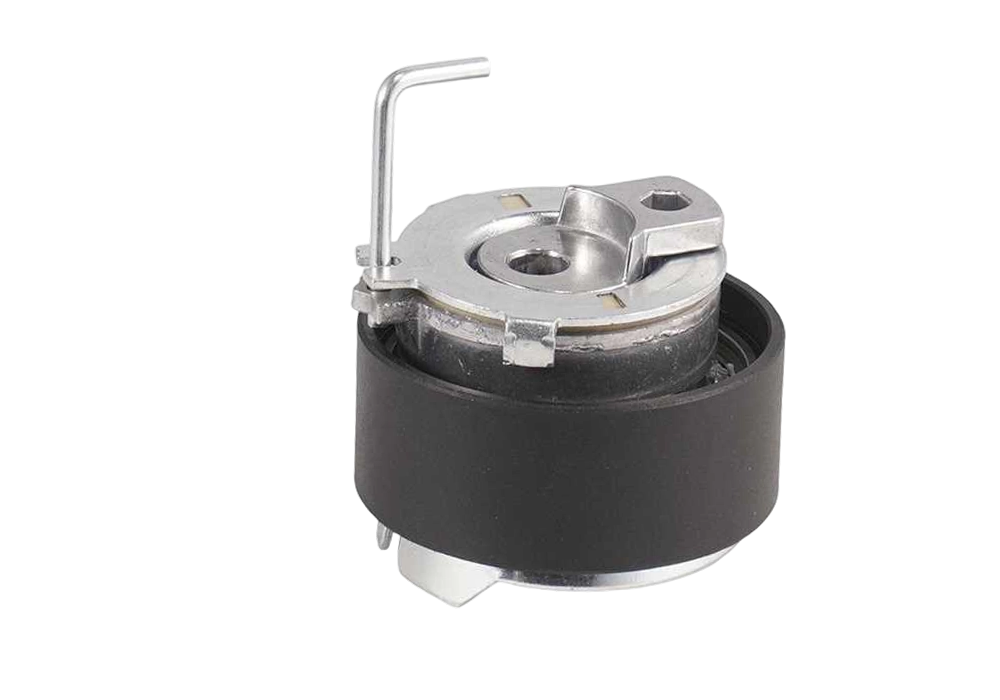
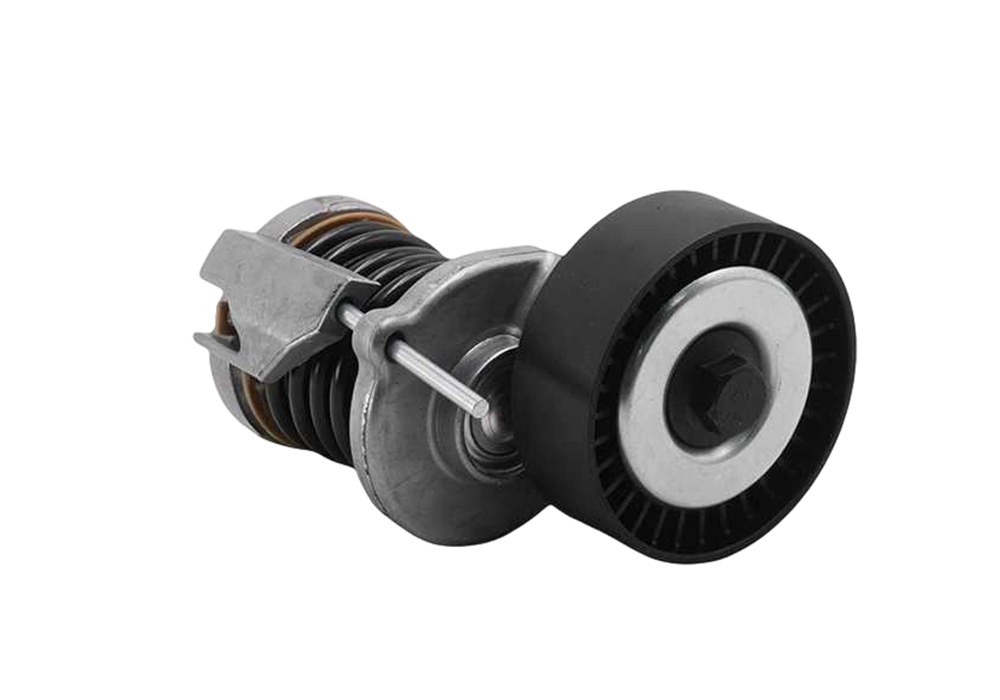
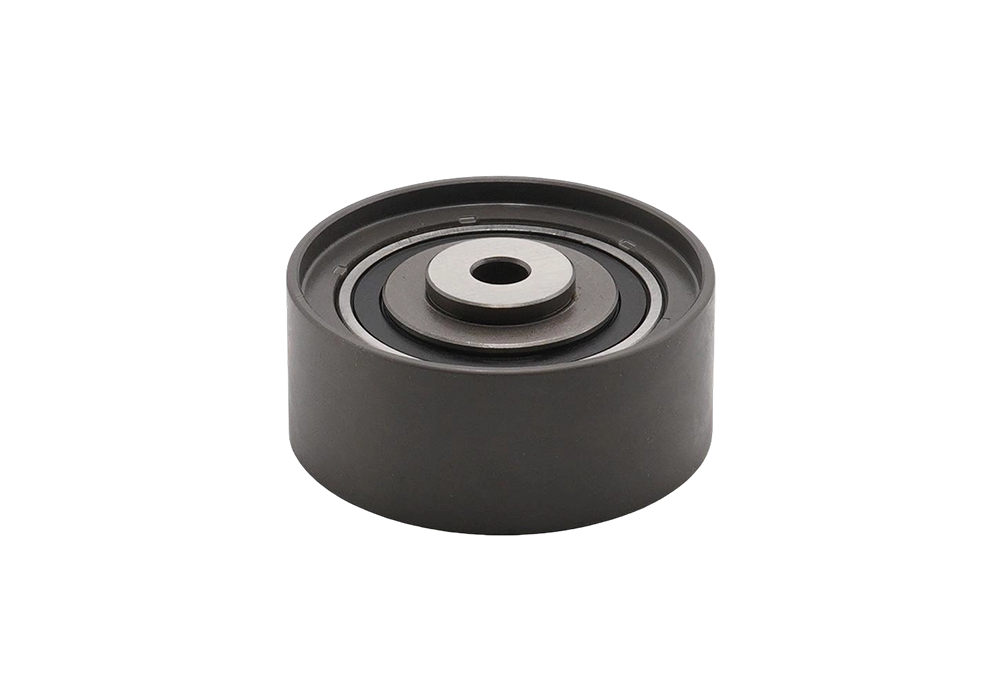
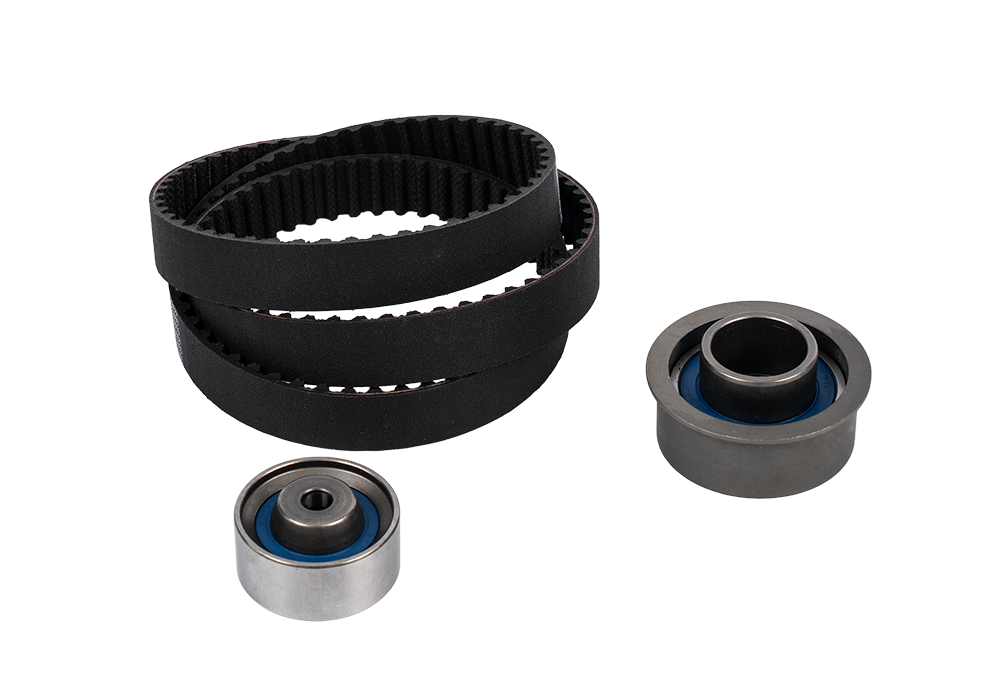
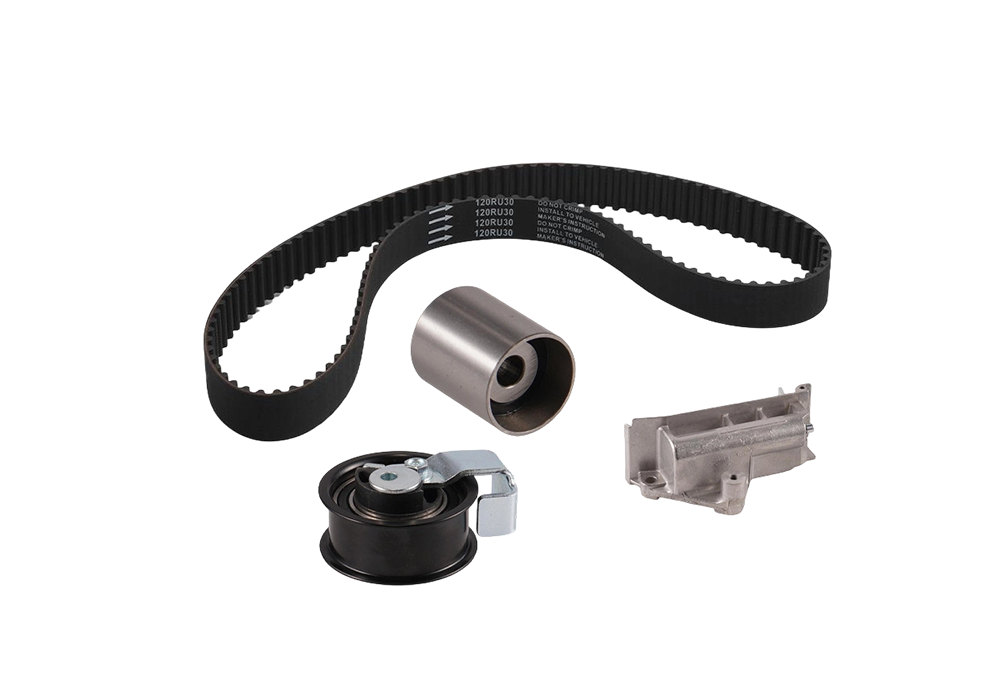
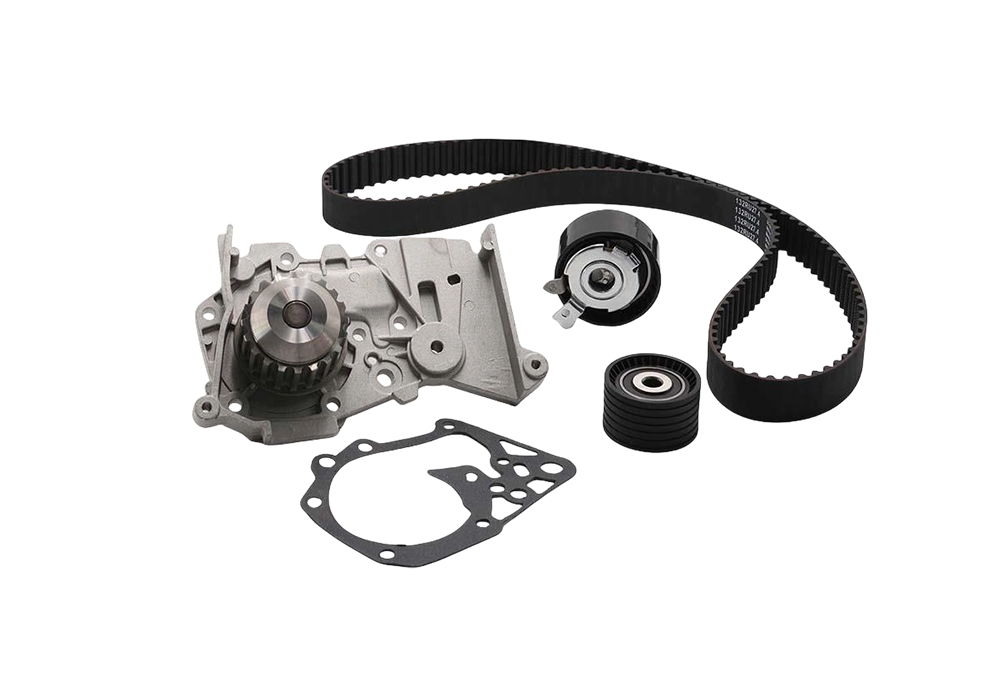
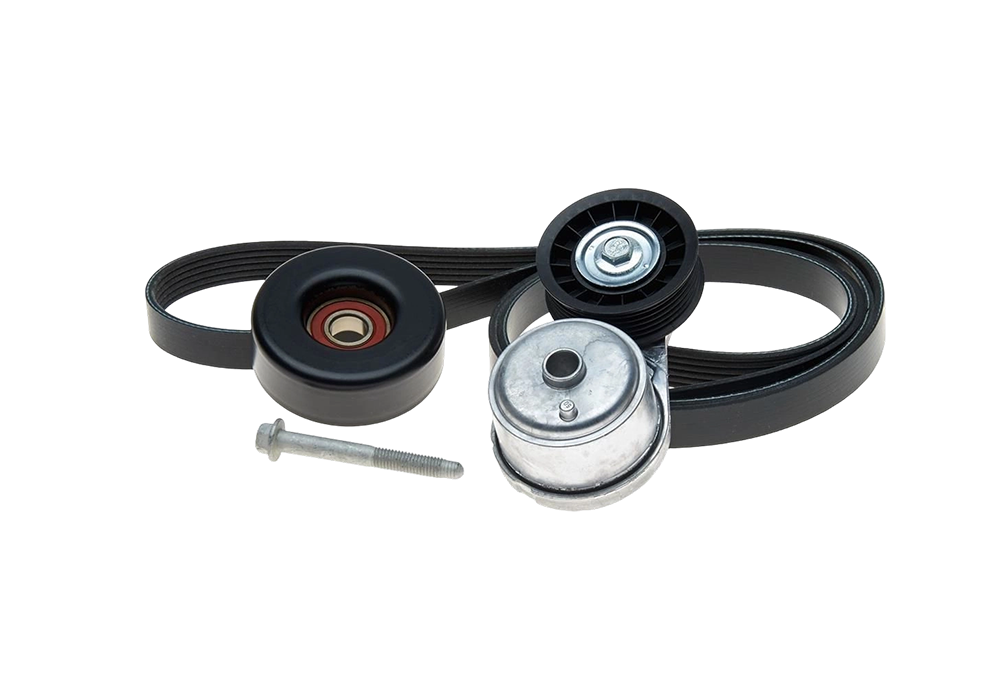
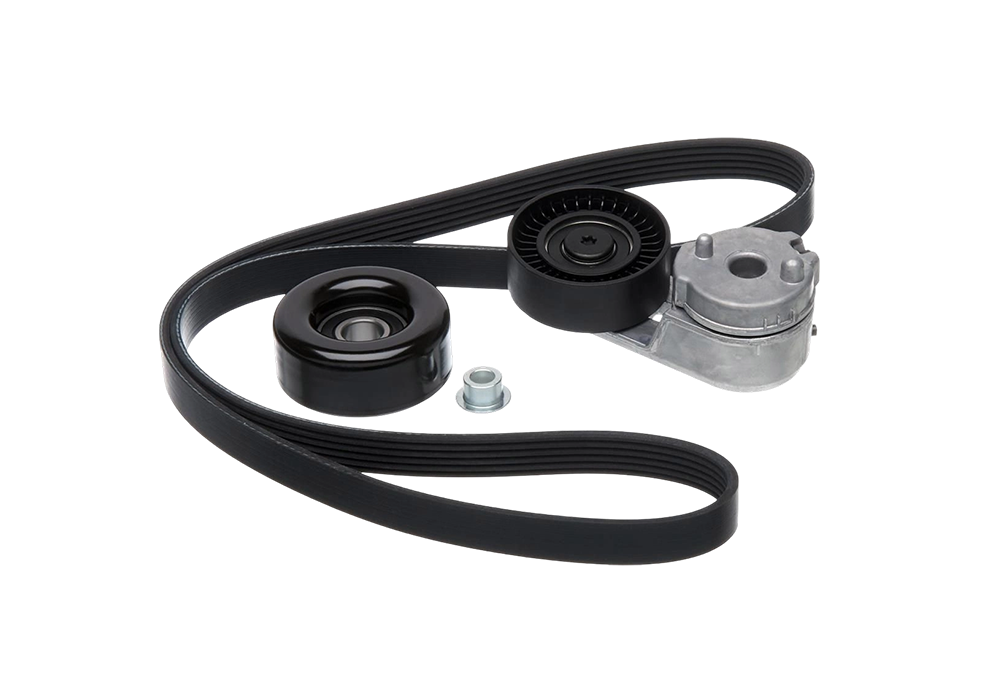
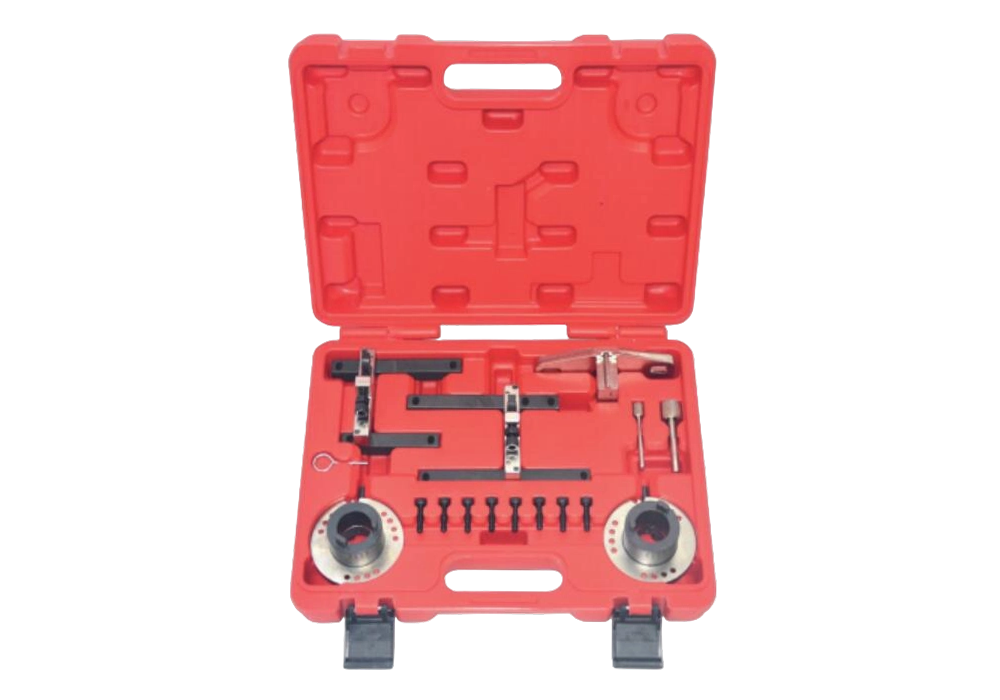
A serpentine belt rarely falls off by accident. By the time it leaves its pulleys, something in the...
READ MORE


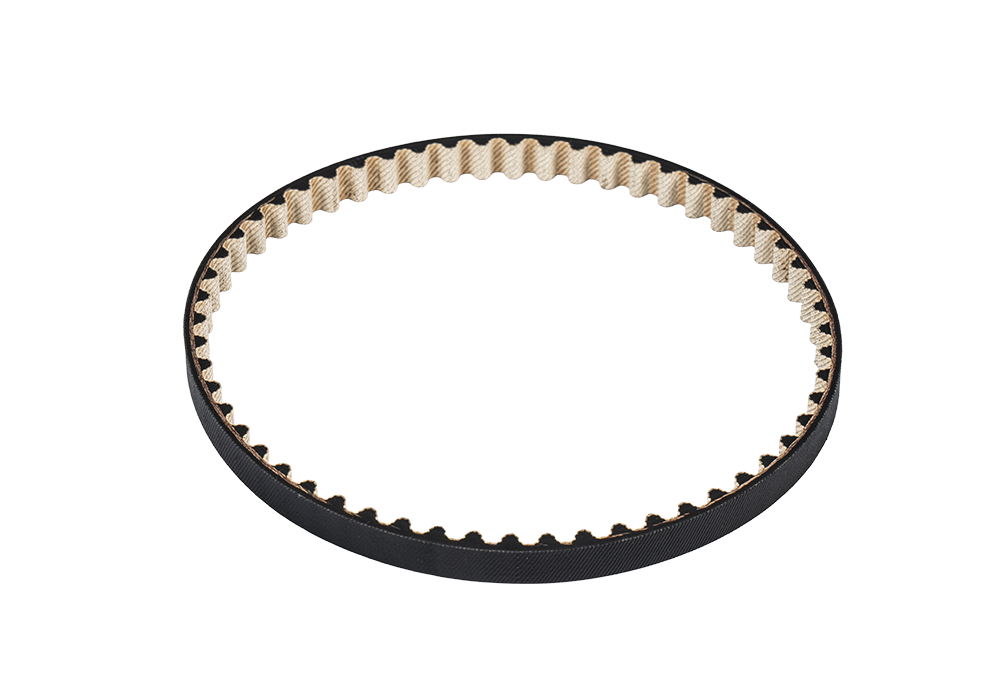
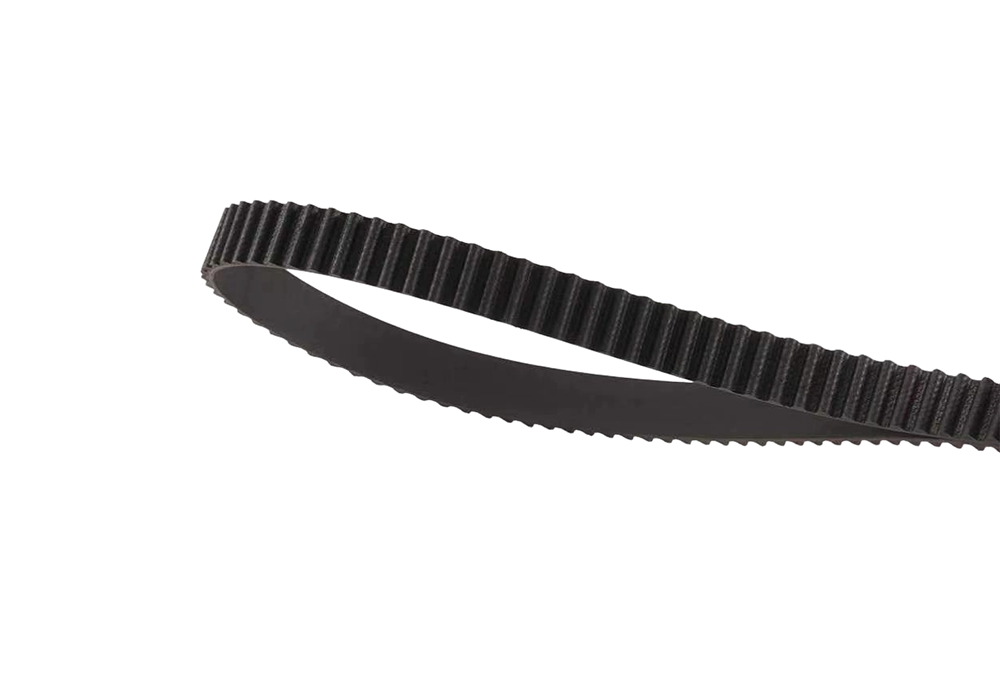
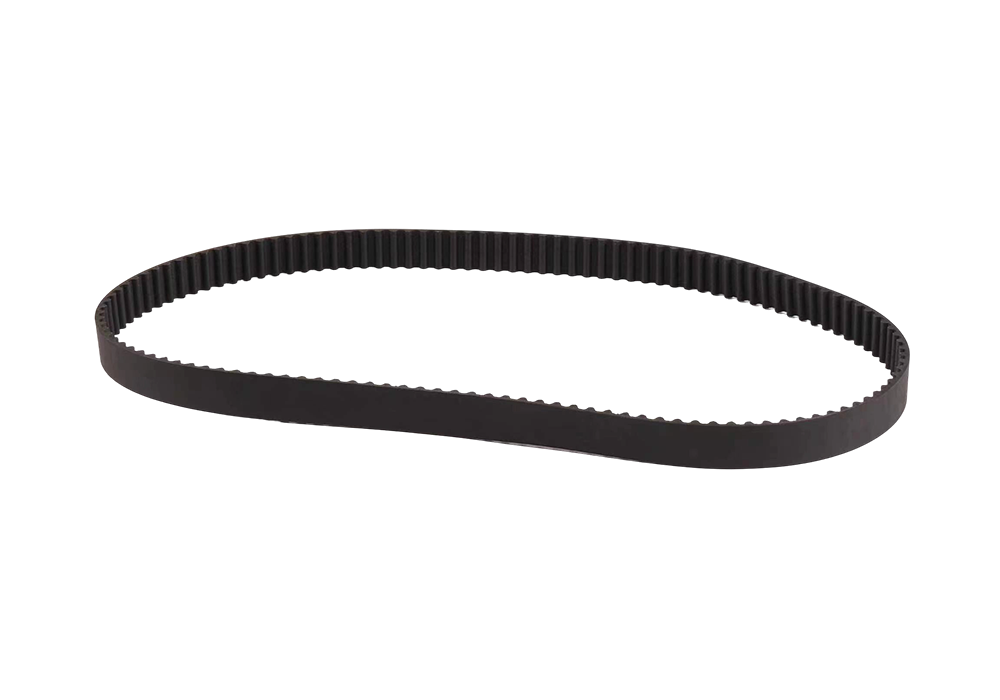
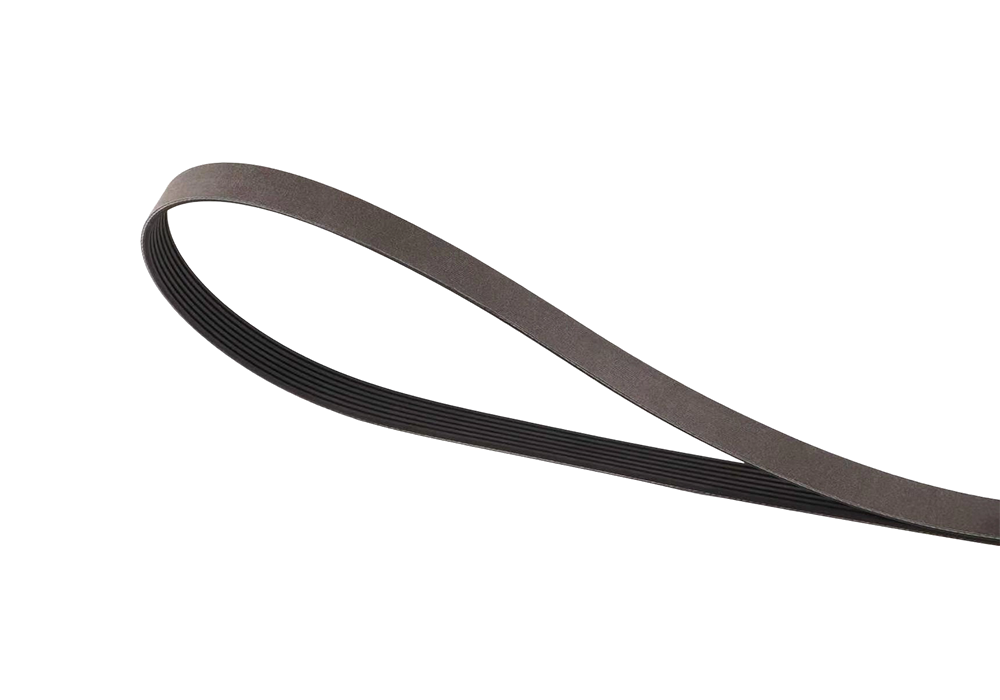
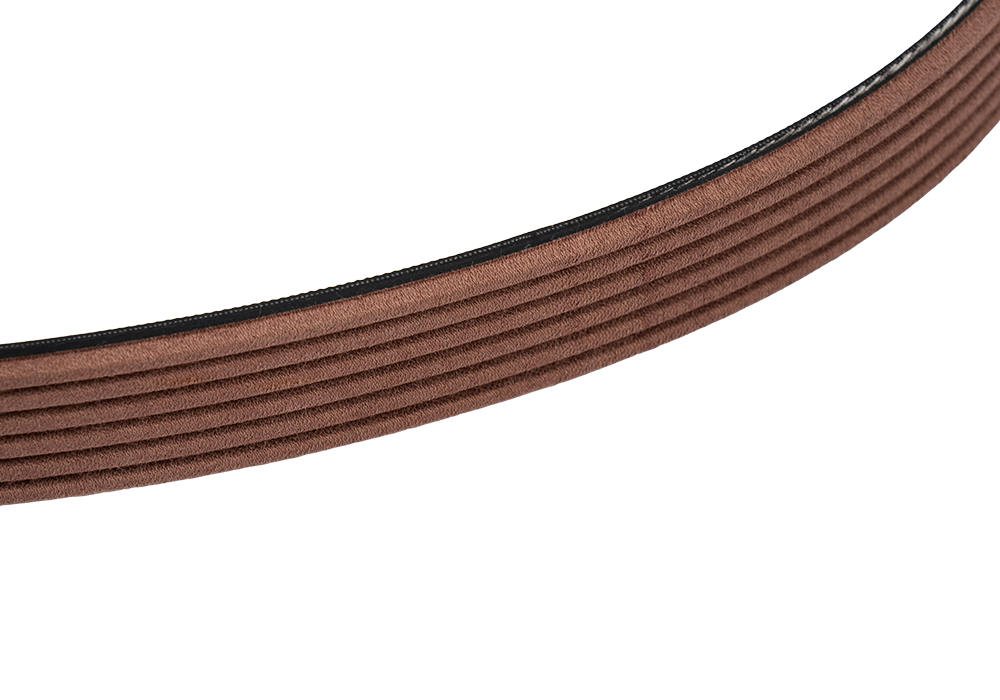
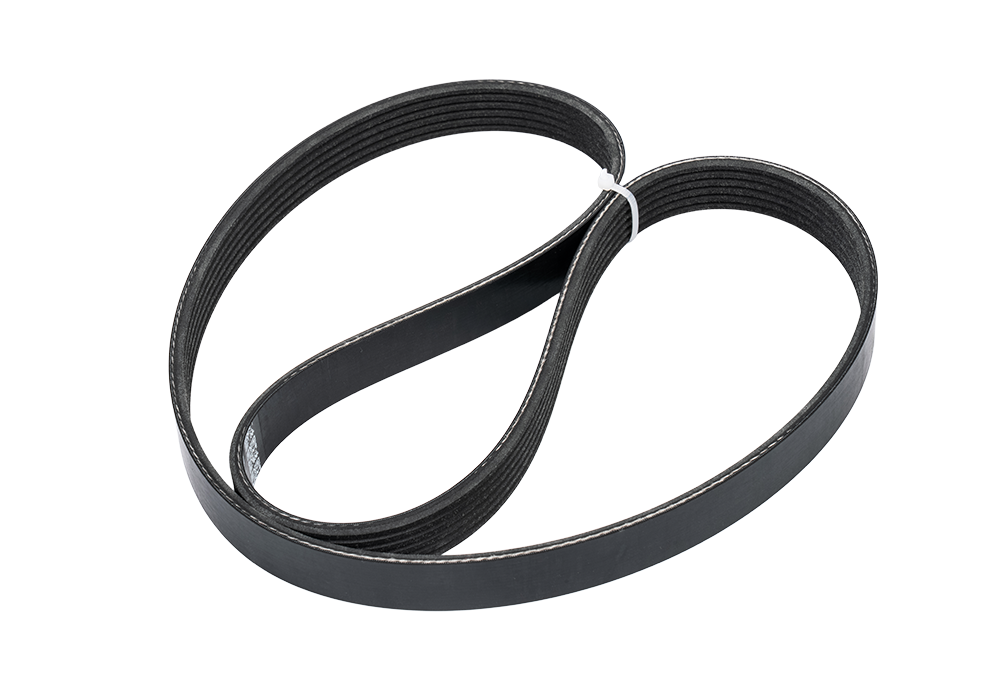
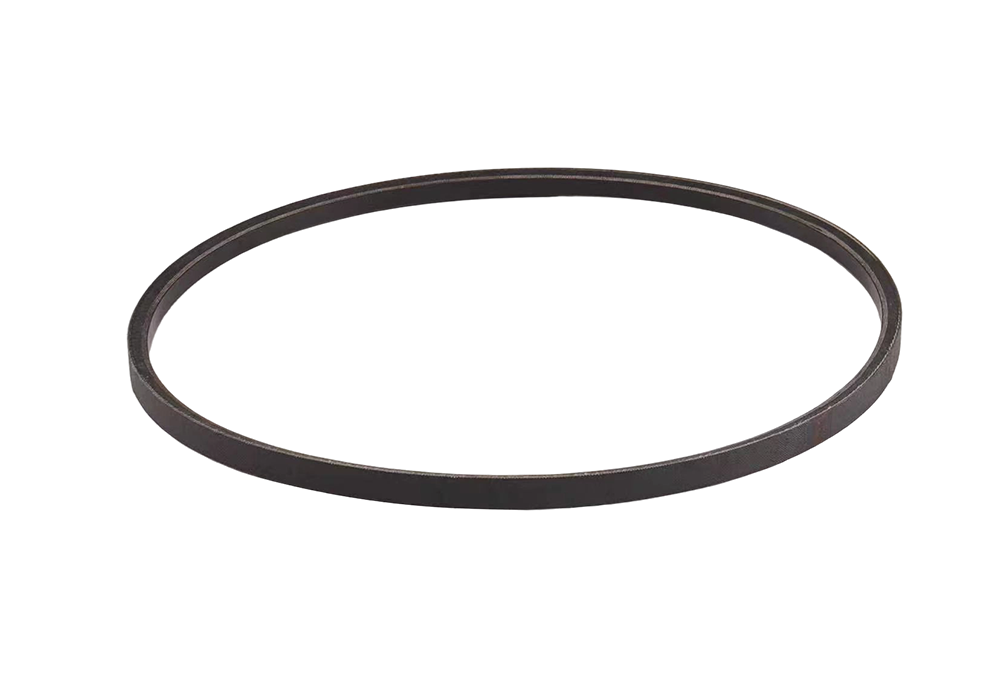
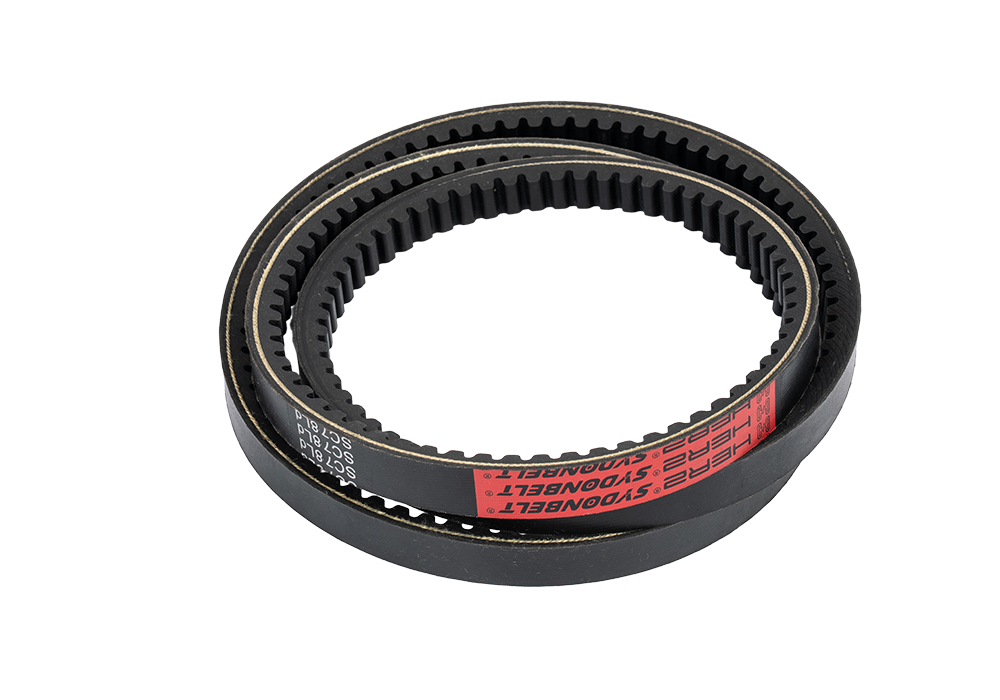
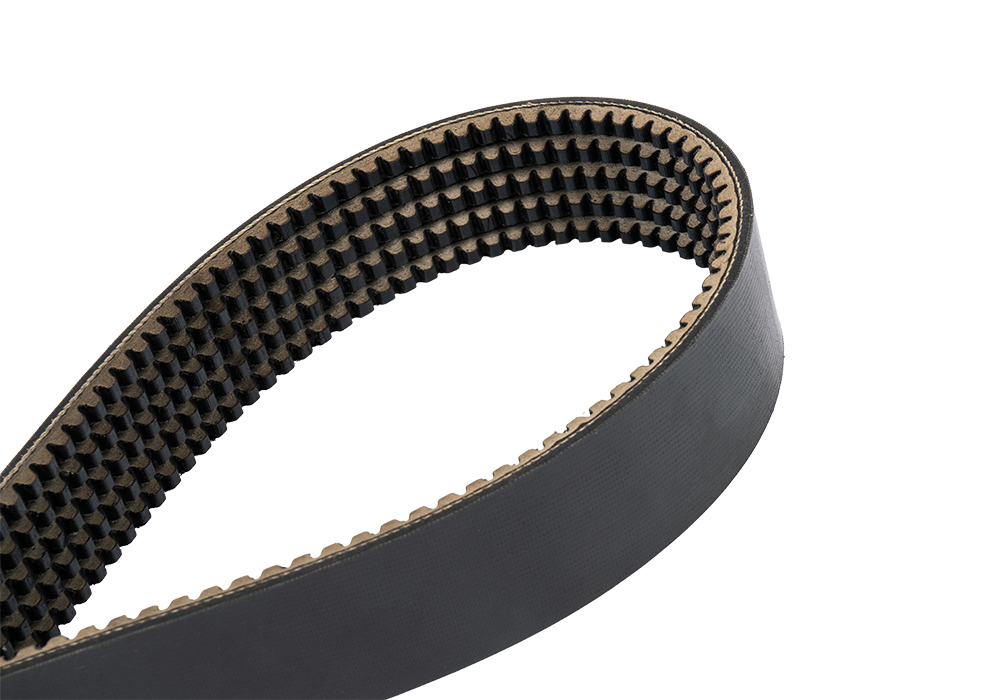
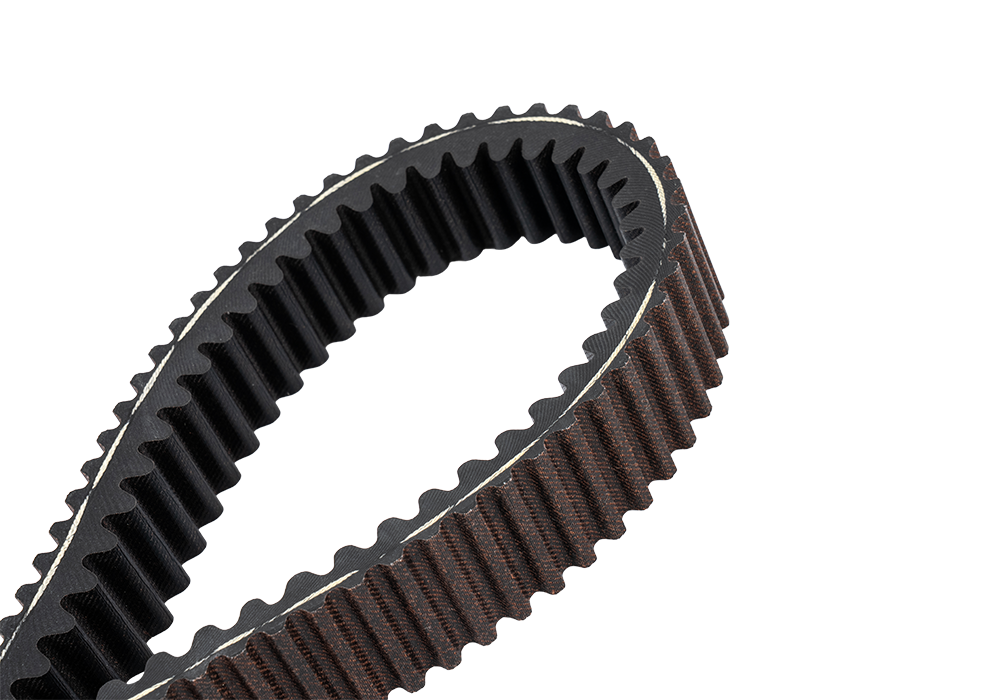
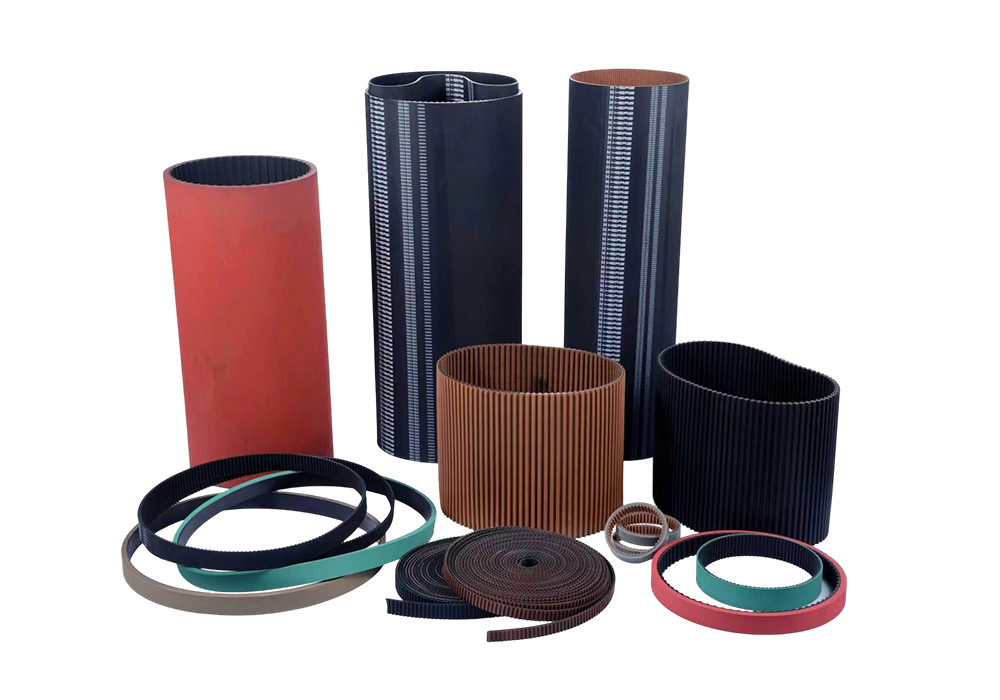
A serpentine belt rarely falls off by accident. By the time it leaves its pulleys, something in the...
READ MOREUnder the hood of most modern cars, a single ribbed rubber belt does the job that several V-belts u...
READ MOREA belt tensioner is a small component with a big responsibility. Mounted on your engine, it applies...
READ MORESome car parts announce their trouble loudly. Worn brake pads squeal. A tired battery leaves you st...
READ MOREA timing belt failure is one of those moments that can turn a routine drive into a sudden breakdown...
READ MOREAn ATV drive belt gives you very little warning before it lets go. One ride it still pulls hard; th...
READ MOREToothed belts, serving as synchronous power transmission elements, are masterpieces of modern materials science and mechanical engineering. Unlike flat or V-belts that rely on frictional grip, toothed belts utilize interlocking teeth that mesh precisely with pulley grooves. This positive drive eliminates slip, ensures constant angular velocity ratios, and transmits high torque loads efficiently across industrial and automotive domains.
The structural integrity and performance longevity of a high-grade Rubber Toothed Belt depend heavily on its multi-layered composite construction. At Ningbo Herz Technology Co., Ltd., advanced engineering protocols ensure that each component layer is meticulously optimized to withstand extreme mechanical stress, thermal cycling, and chemical exposure:
Tension Member (Cord Layer): Positioned at the neutral pitch line, this layer provides extreme tensile strength and dimensional stability under high loads. High-modulus materials such as fiberglass, aramid (Kevlar), or steel cords are engineered to resist elongation, ensuring the belt maintains its precise pitch throughout its service life.
Backing Material: The outer body layer protects the tensile cords from environmental contaminants, moisture, and mechanical rubbing. Depending on the operating environment, premium compounds such as Chloroprene (CR), Ethylene Propylene Diene Monomer (EPDM), or Hydrogenated Nitrile Butadiene Rubber (HNBR) are utilized to deliver exceptional flexibility, ozone resistance, and thermal endurance.
Tooth Rubber Compound: Formulated for high shear resistance and wear durability, the teeth must endure continuous cyclical impact as they engage and disengage from pulley grooves at high rotational frequencies.
Fabric Facing (Tooth Cover): A wear-resistant nylon or specialized canvas fabric coats the tooth surface. This minimizes friction coefficients, reduces noise generation, prevents tooth shear under shock loads, and shields the rubber compound from direct abrasive contact with metal pulleys.
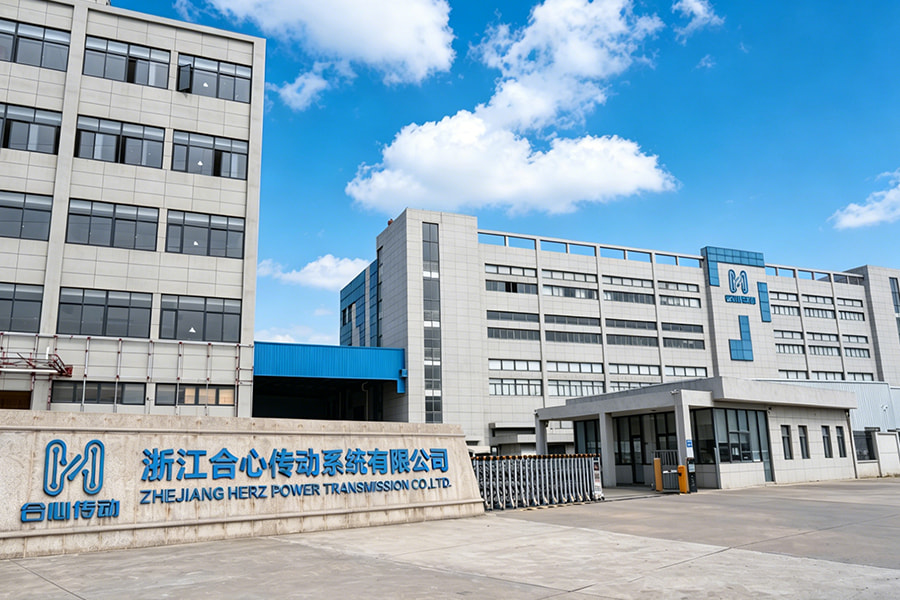
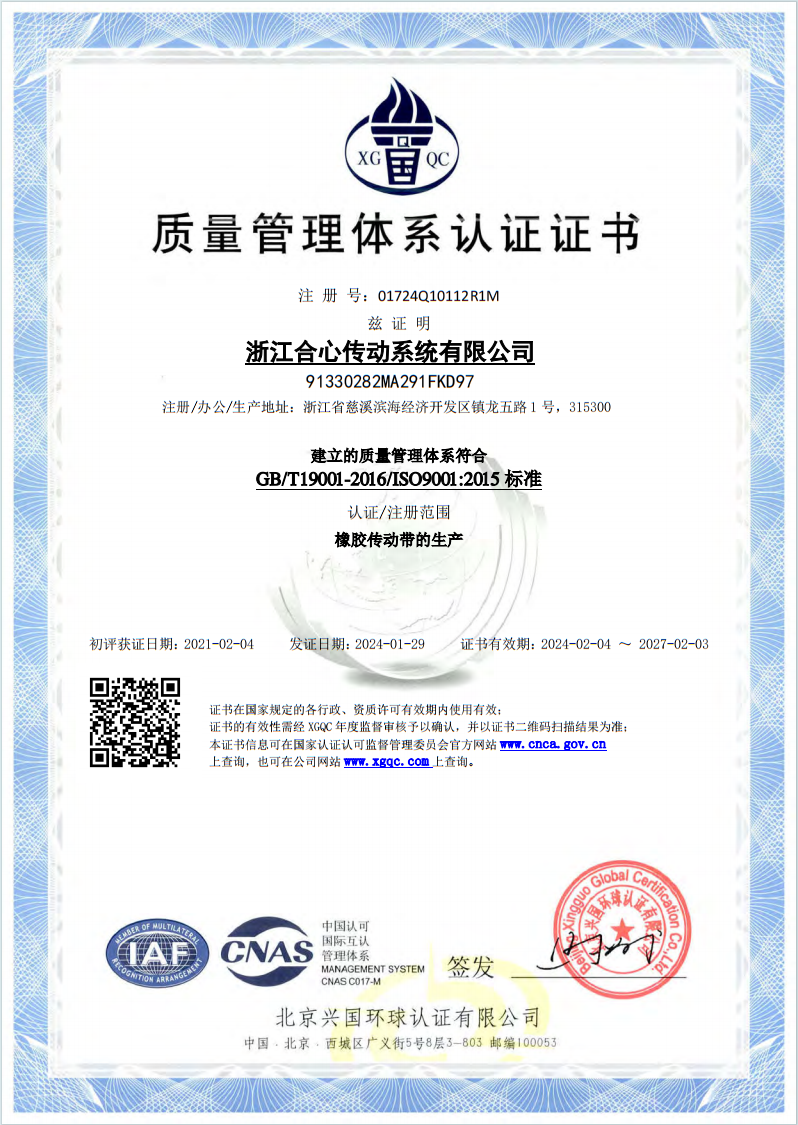
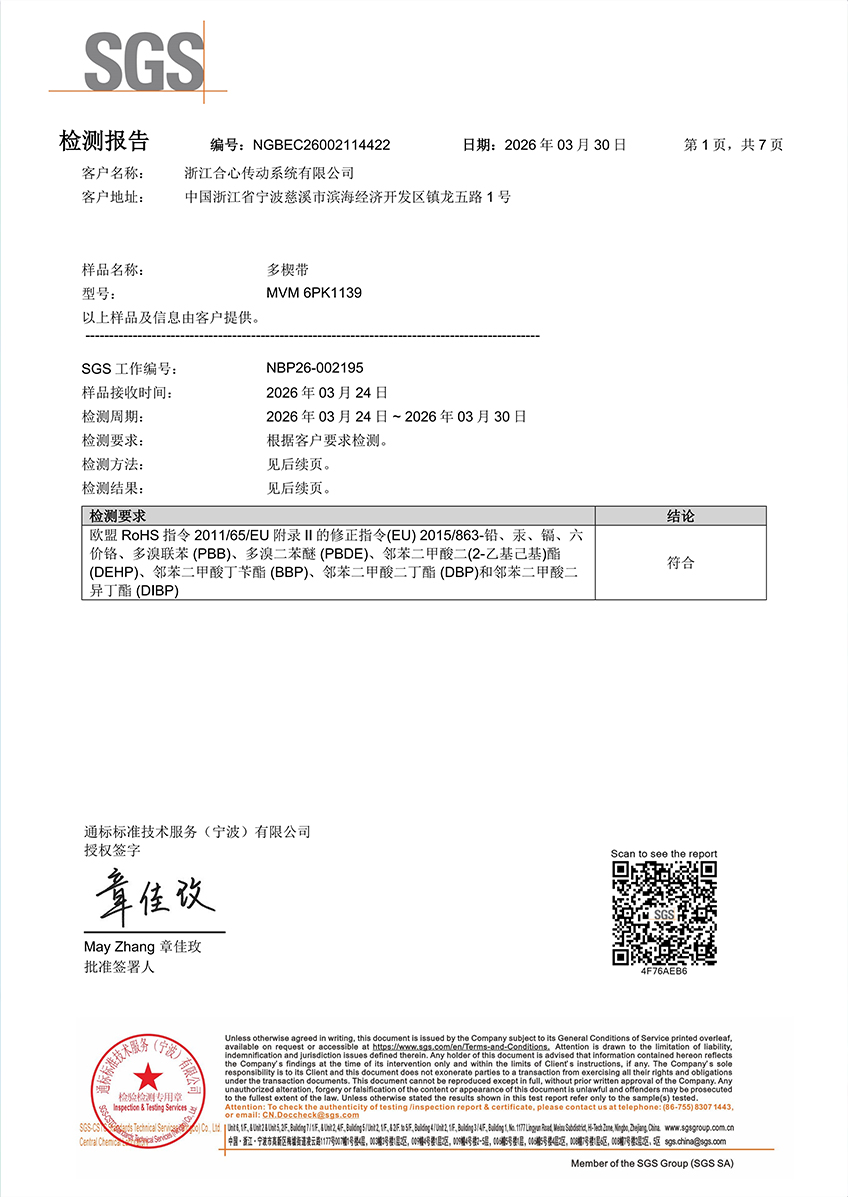
Manufacturing Excellence: Located in the Cidong Industrial Development Zone, Cixi City, Zhejiang Province, Ningbo Herz Technology Co., Ltd. operates a production base of over 40,000 square meters. Equipped with world-class manufacturing equipment and precision testing instruments, the company produces high-performance rubber timing belts with an annual production capacity reaching 10 million pieces, strictly adhering to international quality standards.
Material selection directly dictates the operational parameters of transmission belts. In industrial automation and automotive applications, failure is not an option. Engineers evaluate compounds based on rigorous physical and chemical benchmarks:
| Rubber Compound | Operating Temperature Range | Oil and Chemical Resistance | Primary Application Focus |
|---|---|---|---|
| Chloroprene Rubber (CR) | -35 degrees Celsius to +100 degrees Celsius | Moderate (Standard resistance) | General industrial machinery, standard rubber toothed belt drives. |
| EPDM Rubber | -45 degrees Celsius to +130 degrees Celsius | Good (Weather and Ozone resistant) | Heavy-duty industrial drives, accessories, outdoor machinery. |
| HNBR Rubber | -40 degrees Celsius to +150 degrees Celsius (Peaks up to 160 degrees Celsius) | Exceptional (High oil and heat resistance) | High-performance car toothed belt, high-load engine compartments. |
By leveraging advanced compounding techniques and stringent quality inspection protocols, Ningbo Herz Technology Co., Ltd. ensures that every Rubber Toothed Belt exhibits minimal tension decay, optimal flexibility around small pulley diameters, and superior resistance to tooth jumping under heavy load variations.
Within the complex architecture of an internal combustion engine, the Car Toothed Belt (commonly referred to as the timing belt) occupies a mission-critical role. Its primary function is to maintain precise mechanical synchronization between the crankshaft and the camshafts.
As the pistons move up and down within the cylinders, the crankshaft rotates. This rotation must be accurately transferred to the camshaft, which controls the opening and closing of intake and exhaust valves. The Car Toothed Belt ensures that valves open and close at exact angular fractions of a degree relative to piston position.
Non-Interference Engines: In these configurations, the maximum travel of the valves does not intersect with the maximum travel of the pistons. If a belt fails, the engine simply stalls safely without internal component collision, requiring only a new belt installation.
Interference Engines: Designed with higher compression ratios and thermal efficiency in mind, the valves and pistons occupy overlapping space within the combustion chamber at different points in the cycle. If a Car Toothed Belt snaps or slips significantly during high-RPM operation, pistons instantly collide with open valves, resulting in catastrophic engine failure (bent valves, damaged pistons, and shattered cylinder heads).
The engine bay is one of the harshest mechanical environments imaginable. A high-performance Car Toothed Belt must constantly endure:
Extreme Thermal Fluctuations: Temperatures can swing from sub-zero winter ambient starts to continuous operating heats exceeding 120 degrees Celsius to 140 degrees Celsius right next to the exhaust manifold.
Contaminants: Accidental exposure to engine oil, coolant leaks, and road dust can severely degrade standard rubber compounds, leading to premature swelling, delamination, and tooth shear.
Dynamic Loading: Rapid acceleration and deceleration of the crankshaft generate high torsional vibration and shock loads that test the tensile strength of the embedded cords.
Technical Insight: To combat extreme engine bay conditions, premium timing belts utilize HNBR elastomers reinforced with aramid fiber tooth facings, ensuring maximum resistance to thermal aging and oil degradation over extended service intervals.
While both industrial machinery and modern vehicles rely heavily on synchronous belt technology, the operational demands, design profiles, and performance metrics differ significantly between an industrial Rubber Toothed Belt and a specialized Car Toothed Belt.
Industrial applications typically focus on continuous power transmission, precise positioning in robotics, conveying systems, printing machinery, and textile equipment. In contrast, automotive powertrains focus on high-speed synchronization under variable dynamic loads with strict space constraints.
| Parameter and Feature | Industrial Rubber Toothed Belt | Car Toothed Belt |
|---|---|---|
| Tooth Profile Design | Trapezoidal (MXL, XL, L, H) and Curvilinear (HTD, STD, RPP) | Modified curvilinear and trapezoidal proprietary OEM tooth geometries |
| Primary Cord Material | Fiberglass or Steel cords | High-tenacity Aramid (Kevlar) or high-modulus fiberglass |
| Speed and Load Dynamics | Steady-state or step-motor controlled variable loads | High centrifugal forces, rapid RPM acceleration and deceleration |
| Expected Lifespan | Operating hours based (e.g., 20,000 to 50,000 running hours) | Mileage and time based (e.g., 60,000 to 100,000 miles and 5 to 7 years) |
| Lubrication Requirement | Dry operation (No lubrication required) | Dry operation (Shielded within protective plastic and metal housing) |
Precision molding and pitch accuracy are paramount. Whether manufacturing an industrial synchronous belt or an automotive timing belt, Ningbo Herz Technology Co., Ltd. implements state-of-the-art vulcanization and precision CNC mold cutting to guarantee exact tooth pitch spacing. Tooth shear resistance is rigorously tested using specialized dynamometers that simulate peak torque impulses, ensuring zero skipping even under heavy startup resistance.
Maximizing the operational lifespan of any toothed transmission system requires proactive maintenance, regular visual inspections, and strict adherence to manufacturer-recommended replacement schedules. At Ningbo Herz Technology Co., Ltd., our engineering team emphasizes that preventative care is the most cost-effective way to avoid unexpected downtime in industrial machinery and severe engine damage in vehicles.
Routine inspections can prevent catastrophic failures. Whether inspecting an industrial installation or examining a high-performance Car Toothed Belt, facility managers and vehicle operators should watch for specific physical indicators of belt degradation:
Surface Cracking: Transverse cracks appearing on the outer backing or within the rubber body indicate advanced thermal aging, loss of rubber elasticity, and prolonged exposure to elevated temperatures.
Tooth Wear and Missing Teeth: Severe abrasion on the flanks of the teeth or complete tooth detachment points to pulley misalignment, excessive tension, or foreign debris intrusion inside the drive housing.
Edge Fraying: Frayed or fuzzy belt edges usually result from misaligned pulleys, worn flange guides, or lateral tracking friction against metal housing walls.
Glazing: A shiny, hardened appearance on the tooth contact surface indicates micro-slippage caused by insufficient tension or accidental oil contamination.
Unusual Noises: Chirping, squealing, or rhythmic clicking sounds often signal bearing wear, pulley misalignment, or incorrect belt tensioning during operation.
Improper installation is the leading cause of premature belt failure across all sectors. Technicians at Ningbo Herz Technology Co., Ltd. recommend observing the following installation guidelines:
Never Pry or Force Belts onto Pulleys: Forcing a Rubber Toothed Belt over a pulley flange using screwdrivers or sharp levers damages the internal tensile cords and creates micro-cracks in the rubber compound. Always retract tensioner pulleys fully during installation.
Correct Tensioning: Over-tensioning places excessive radial load on shaft bearings, leading to premature motor or water pump failure. Under-tensioning causes tooth jumping, vibration, and rapid flank wear.
Component Replacement Symmetry: When replacing a Car Toothed Belt, always inspect and replace associated tensioners, idler pulleys, and water pumps simultaneously, as these components share the same operational lifecycle and wear profile.
Even with premium manufacturing standards and meticulous installation, unexpected operational anomalies can occasionally arise in synchronous drive systems. At Ningbo Herz Technology Co., Ltd., our technical support and engineering departments emphasize that rapid diagnosis and accurate root-cause identification are critical to preventing recurring failures in both industrial machinery and automotive powertrains.
When evaluating a premature failure of a Rubber Toothed Belt or a specialized Car Toothed Belt, maintenance engineers must look beyond the immediate symptom to identify the underlying mechanical triggers. Below is a detailed diagnostic matrix outlining common failure modes, their primary root causes, and corrective engineering actions:
| Failure Symptom | Primary Root Cause | Corrective Engineering Action |
|---|---|---|
| Premature Tooth Shear and Stripping | Sudden shock loads, seized driven components (e.g., seized water pump or jammed industrial roller), or severe under-tensioning causing the belt to jump teeth. | Inspect all driven shafts and bearings for free rotation. Replace the damaged belt and restore correct static tension using calibrated tension-measuring tools. |
| Excessive Noise (Squealing and Chirping) | Incorrect belt tension (too tight or too loose), misaligned pulleys, or dry and failing idler and tensioner bearing assemblies. | Check pulley alignment with laser alignment tools. Verify correct tension specifications and inspect and replace worn idler bearings. |
| Abnormal Side Wear and Fraying | Angular or parallel misalignment of pulleys, worn shaft bearings allowing axial play, or damaged flange guides. | Realign all pulleys on the shaft axis, check for structural housing deflection, and replace any pulleys with damaged or grooved flanges. |
| Rubber Cracking and Hardening | Prolonged exposure to temperatures exceeding compound thermal ratings or severe environmental ozone degradation. | Upgrade to higher-grade elastomer compounds (such as EPDM or HNBR engineered by Ningbo Herz Technology Co., Ltd.) and improve engine and machinery compartment ventilation. |
| Oil Swelling and Delamination | Persistent oil, fuel, or coolant leakage coming into contact with standard chloroprene rubber belts. | Repair upstream gasket or seal leaks immediately, thoroughly clean pulley grooves with a non-residue degreaser, and install an oil-resistant HNBR belt replacement. |
To ensure that every transmission product leaving our 40,000-square-meter production base in the Cidong Industrial Development Zone, Cixi City, Zhejiang Province meets rigorous durability benchmarks, Ningbo Herz Technology Co., Ltd. subjects its production batches to rigorous laboratory and bench testing:
Dynamic Fatigue Testing: Belts are run on high-speed dynamometers under simulated maximum horsepower loads to evaluate tensile cord endurance and tooth shear fatigue limits over thousands of continuous operating hours.
Dimensional Pitch Verification: High-precision optical measuring instruments verify that every tooth pitch and profile adheres strictly to international industrial standards, guaranteeing smooth meshing without interference.
Thermal Aging Chambers: Rubber compounds are tested in accelerated heat-aging ovens to ensure that our Rubber Toothed Belt lines maintain their elongation resistance, tensile strength, and flexibility even after prolonged exposure to extreme thermal thresholds.
The versatility and high-precision synchronous performance of a well-engineered Rubber Toothed Belt make it an indispensable power transmission component across a diverse array of demanding industrial sectors and mechanical architectures. At Ningbo Herz Technology Co., Ltd., our extensive product portfolio including rubber timing belts, industrial V-belts, poly-V belts, and specialized transmission products is engineered to meet the unique operational demands of various modern industries.
In modern automated manufacturing lines, high-speed packaging machinery, and industrial robotics, positioning accuracy is paramount. Unlike friction-based drives that suffer from micro-slip over time, synchronous rubber toothed belts ensure absolute angular correlation between driving and driven shafts.
Textile and Printing Machinery: High-speed printing presses and textile looms rely on stable torque transmission to maintain precise color registration and yarn tensioning without stretching.
Automated Logistics and Warehousing: Conveyor sorting modules utilize reinforced toothed belts to ensure smooth, synchronized item routing under continuous start-stop load cycles.
Agricultural equipment operates in some of the most punishing environments on earth, characterized by heavy dust, moisture, uneven shock loads, and prolonged outdoor exposure.
Agricultural Applications: Ningbo Herz Technology Co., Ltd. professionally produces agricultural fabric belts, agricultural edge-cut belts, and specialized heavy-duty transmission belts capable of driving harvesting mechanisms and threshing drums efficiently.
Durability in Harsh Climates: These specialized belts are compounded to withstand high torque surges and abrasive chaff environments without premature structural degradation.
To help engineers and system integrators select the ideal belt configuration for specific operational environments, the following technical comparison outlines performance parameters across our core industrial and automotive product categories:
| Application Sector | Primary Belt Type Used | Key Environmental Challenges | Optimal Compound Selection |
|---|---|---|---|
| Automotive Powertrains | Car Toothed Belt (Timing Belt) | High engine bay heat (120 degrees Celsius to 150 degrees Celsius), oil exposure, rapid RPM fluctuations. | HNBR (Hydrogenated Nitrile) with Aramid cord reinforcement. |
| Industrial Automation and Robotics | Precision Rubber Toothed Belt and PU Timing Belt | Continuous high-frequency stepping, precise angular positioning requirements. | Chloroprene (CR) or Polyurethane with steel and fiberglass cords. |
| Agricultural Machinery | Agricultural Fabric and Edge-Cut Belts | Heavy dust, shock loads, moisture, outdoor UV exposure, debris impact. | Heavy-duty reinforced EPDM and specialized canvas wrapping. |
By maintaining strict control over manufacturing tolerances across our 40,000-square-meter production base, Ningbo Herz Technology Co., Ltd. continues to deliver reliable, high-performance transmission solutions that empower industrial progress and seamless mechanical synchronization worldwide.
As global industries advance toward higher levels of automation, electrification, and energy efficiency, the demand for high-performance synchronous power transmission solutions continues to evolve. At Ningbo Herz Technology Co., Ltd., we recognize that the future of transmission engineering lies not only in meeting current operational benchmarks but also in pioneering eco-friendly manufacturing processes and advanced material sciences.
The modern manufacturing landscape demands a rigorous commitment to sustainability without compromising mechanical performance. In response to stricter environmental regulations and global energy conservation initiatives, transmission product development is shifting toward sustainable chemistry:
Bio-Based and Recyclable Compounds: Research into next-generation rubber formulations focuses on reducing petroleum dependence by integrating bio-derived polymers while maintaining the tensile strength and thermal stability of a standard Rubber Toothed Belt.
Energy-Efficient Production Processes: At our over 40,000-square-meter production base in the Cidong Industrial Development Zone, Cixi City, Zhejiang Province, Ningbo Herz Technology Co., Ltd. utilizes energy-optimized vulcanization machinery and automated precision CNC mold cutting. These technologies minimize energy waste and reduce carbon intensity per unit produced.
Waste Reduction and Material Recovery: Advanced trimming and recycling protocols ensure that rubber scrap and fabric waste generated during the production of industrial and automotive belts are systematically processed or repurposed, aligning with international green manufacturing standards.
To illustrate the trajectory of modern belt engineering, the following parameter comparison highlights how advanced manufacturing and material science improvements enhance belt capabilities:
| Performance Metric | Traditional Standard Belts | Next-Generation Advanced Belts (Ningbo Herz Technology Co., Ltd.) |
|---|---|---|
| Thermal Endurance Threshold | Up to +100 degrees Celsius to +120 degrees Celsius (Standard CR compounds) | Up to +150 degrees Celsius to +160 degrees Celsius (Advanced HNBR and specialized EPDM compounds) |
| Tensile Elongation Resistance | Standard fiberglass or polyester cords (Moderate elongation under high loads) | High-modulus Aramid (Kevlar) and steel core reinforcement (Near-zero elongation) |
| Production Precision Tolerance | Standard molding tolerances (plus or minus 0.15 mm) | High-precision CNC molding tolerances (plus or minus 0.05 mm) for exact pitch accuracy |
| Environmental Footprint | Standard baseline industrial waste output | Optimized energy consumption and closed-loop scrap recycling protocols |
By combining decades of manufacturing expertise with a forward-looking vision, Ningbo Herz Technology Co., Ltd. remains dedicated to serving our global clientele with cutting-edge transmission components, contributing continuously to the progress and development of the international power transmission industry.
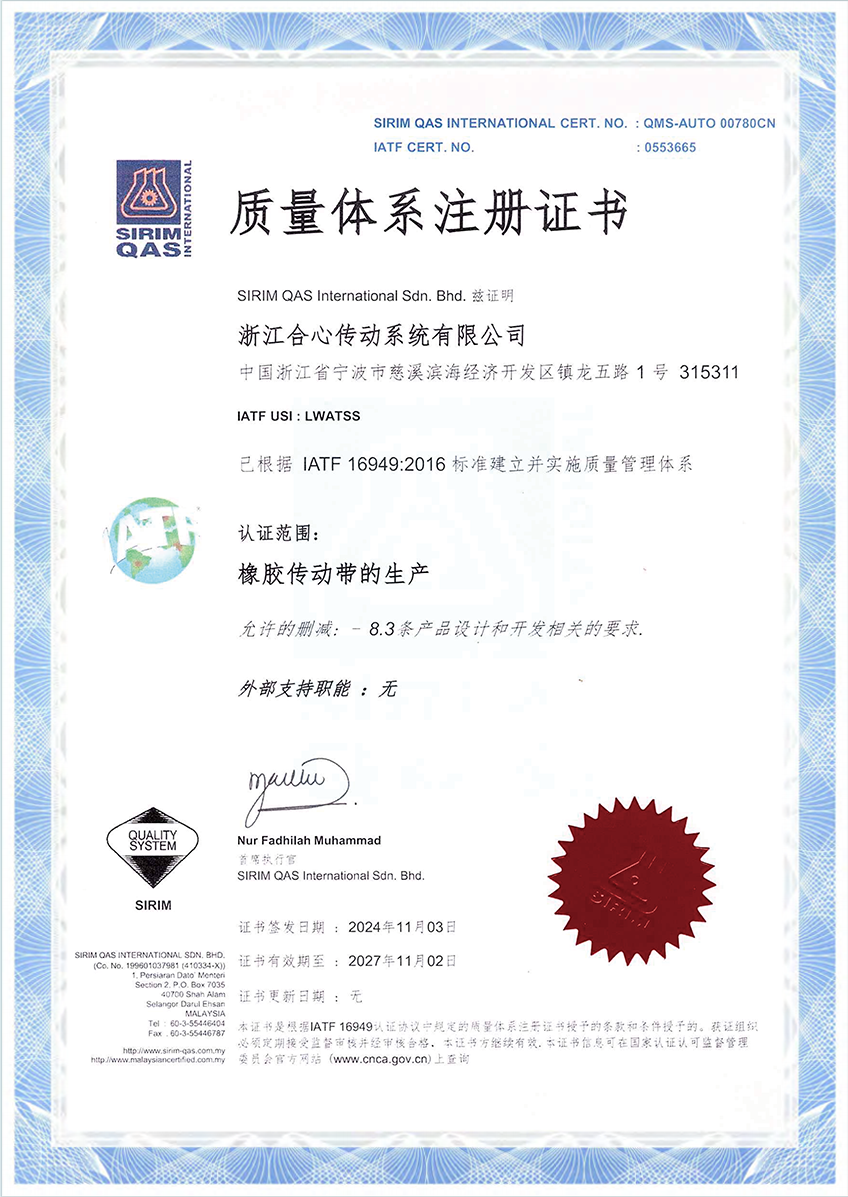
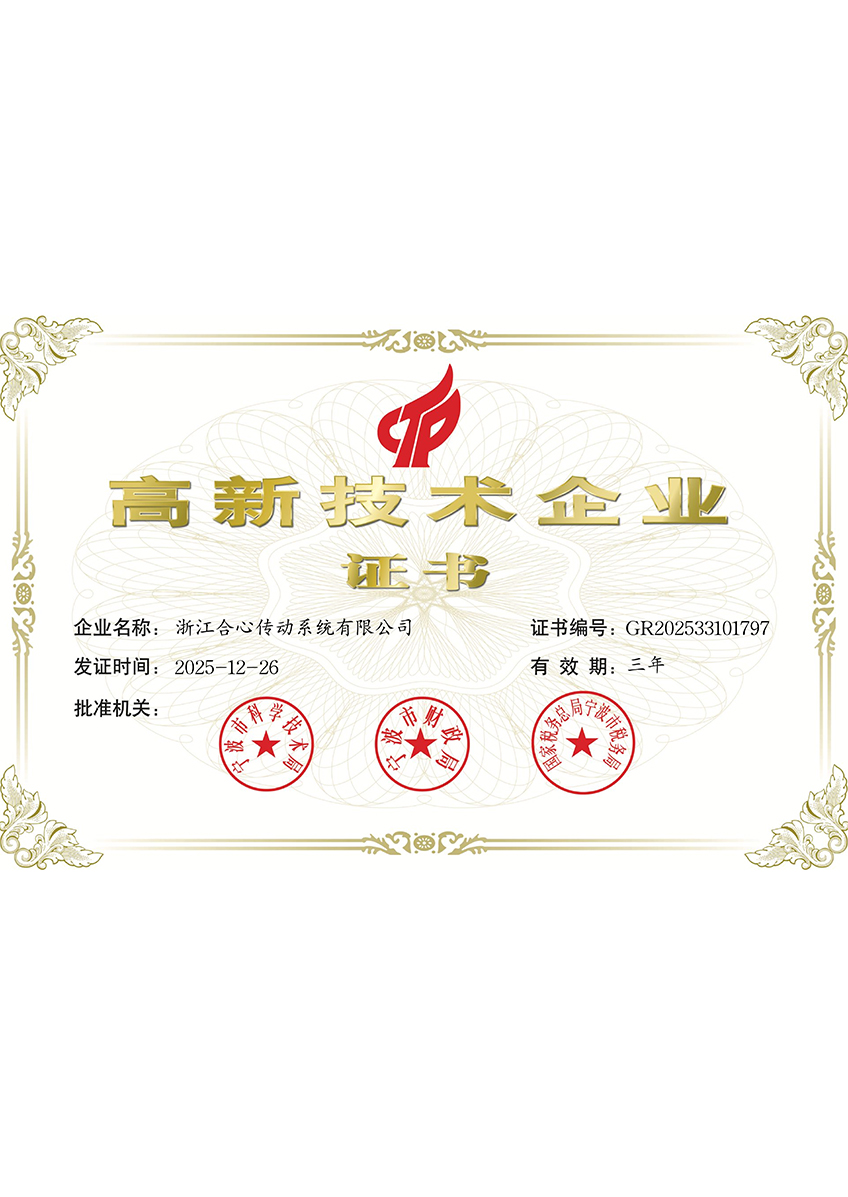
As a professional manufacturer of high-quality transmission products in China, Ningbo Herz Technology Co., Ltd. has built upon the decades of experience inherited from Zhejiang Hexin Transmission System Co., Ltd. (founded in 1995) to establish a comprehensive manufacturing ecosystem. Operating from our expansive 40,000-square-meter production base in the Cidong Industrial Development Zone, Cixi City, Zhejiang Province, we leverage world-class manufacturing equipment and precision testing instruments to achieve an annual production capacity of 10 million pieces of various rubber transmission belts.
Our extensive product lines are engineered to meet rigorous international standards, serving diverse industrial, agricultural, and automotive sectors worldwide. Below is a detailed breakdown of our core product families and their technical design parameters:
| Product Series | Primary Construction Materials | Key Performance Characteristics | Target Application Fields |
|---|---|---|---|
| Rubber Timing Belts and Rubber Toothed Belts | Chloroprene (CR) or HNBR body, fiberglass and aramid tension cords, nylon tooth facing. | Positive synchronization, zero slip, high shear resistance, low noise. | Industrial automation machinery, robotics, office equipment, printers. |
| Automotive Timing Belts (Car Toothed Belts) | High-grade HNBR rubber, high-tenacity aramid cord reinforcement. | Exceptional thermal resistance up to 150 degrees Celsius, oil and coolant splash immunity. | Internal combustion engines for passenger and commercial vehicles. |
| Poly-V Belts | Flexible rubber compound with parallel V-ribs and high-modulus cord layers. | Combines flexibility of flat belts with high grip of V-belts; handles high speed ratios. | Automotive accessory drives, heavy-duty industrial machinery. |
| Agricultural Fabric and Edge-Cut Belts | Heavy-duty reinforced EPDM and CR rubber with specialized wear-resistant canvas wraps. | High shock load absorption, resistance to dust, abrasive chaff, and outdoor UV exposure. | Combine harvesters, threshing drums, and agricultural processing equipment. |
| Industrial V-Belts and Special Belts | High-density rubber core wrapped in fabric envelope with high-tensile cords. | Reliable power transmission under heavy continuous loads and slip-tolerant design. | Industrial fans, compressors, pumps, and general mechanical drives. |
Guided by our core corporate vision—To become a leading manufacturer of transmission components in the industry and a world-class brand of transmission systems—Ningbo Herz Technology Co., Ltd. remains steadfast in fulfilling our three-pillar mission:
Serving Customers: Continuously providing competitive transmission system products and services that exceed performance expectations.
Serving Society: Committing to sustainable manufacturing practices that contribute to the progress and development of the global power transmission industry.
Serving Employees: Pursuing the material and spiritual happiness of all employees by fostering a safe, innovative, and rewarding work environment.
Through strict adherence to quality control protocols and continuous investment in research and development, we ensure that every Rubber Toothed Belt, Car Toothed Belt, and specialty transmission product delivers exceptional durability, reliability, and precision for our partners around the globe.
To ensure complete clarity for engineers, technicians, and procurement specialists utilizing our transmission products, this technical glossary defines key industry terminology and standardized parameters associated with synchronous power transmission systems. As a professional manufacturer committed to excellence, Ningbo Herz Technology Co., Ltd. provides these definitions to assist in proper product selection, installation, and system maintenance.
Pitch (Transmission Pitch): The linear distance measured along the pitch line (the neutral axis where tensile cords reside) from a point on one tooth to the corresponding point on the adjacent tooth. Precise pitch accuracy is essential for preventing meshing interference with pulley grooves.
Synchronous Drive: A positive-engagement power transmission system utilizing interlocking teeth (Rubber Toothed Belt or Car Toothed Belt) and matching pulley grooves to eliminate slip and maintain a constant velocity ratio between driving and driven shafts.
Tensile Modulus: The measure of a material's resistance to being deformed elastically when a force is applied. High-modulus materials such as aramid and fiberglass cords prevent belt elongation under heavy torsional loads.
Shear Resistance: The capacity of belt teeth to withstand the continuous mechanical cutting or tearing forces exerted when engaging and disengaging with pulley teeth under high torque loads.
Dynamic Tension: The fluctuating tension experienced by a belt during operation due to acceleration, deceleration, engine combustion pulses, and load variations.
The following technical parameter table summarizes standard engineering metrics and testing thresholds utilized during the development and quality verification of transmission products at Ningbo Herz Technology Co., Ltd.:
| Technical Parameter | Standard Industrial Rubber Toothed Belt | High-Performance Car Toothed Belt |
|---|---|---|
| Pitch Length Tolerance | plus or minus 0.10 mm to plus or minus 0.15 mm | plus or minus 0.03 mm to plus or minus 0.05 mm (OEM specification) |
| Operating Temperature Limits | -35 degrees Celsius to +100 degrees Celsius (Standard CR compound) | -40 degrees Celsius to +150 degrees Celsius (Advanced HNBR compound) |
| Tensile Cord Elongation Rate | Less than 0.5 percent under maximum rated working load | Less than 0.2 percent under high-frequency cyclic engine loads |
| Recommended Service Interval | 20,000 to 50,000 operating hours | 60,000 to 100,000 miles (5 to 7 years) |
By maintaining rigorous adherence to these engineering standards and leveraging world-class manufacturing equipment at our 40,000-square-meter production base, Ningbo Herz Technology Co., Ltd. ensures that every transmission solution delivers optimal performance, safety, and reliability across all industrial and automotive applications.
Most vehicle manufacturers recommend replacing the timing belt between 60,000 and 100,000 miles (or every 5 to 7 years, whichever comes first). Operating in severe conditions such as extreme cold, dusty environments, or frequent stop-and-go city driving may necessitate earlier inspection and replacement.
A high-quality Rubber Toothed Belt operates significantly quieter than metal roller chains, requires zero external lubrication (thereby reducing maintenance overhead and contamination risks), is lightweight, offers higher mechanical efficiency at high speeds, and absorbs shock loads effectively.
No. Due to the high internal tensile stress and precision meshing required for synchronous power transmission, any physical damage, cracking, or tooth wear on a Rubber Toothed Belt or Car Toothed Belt mandates immediate and complete replacement.
Sustained exposure to high temperatures accelerates the chemical oxidation of rubber compounds, causing hardening, cracking, and loss of tensile flexibility. Conversely, extreme sub-zero cold can make standard rubber brittle, increasing the risk of cracking upon cold startup until operating temperatures are reached. Ningbo Herz Technology Co., Ltd. utilizes advanced elastomer formulations (such as EPDM and HNBR) to mitigate these thermal aging effects across diverse operating environments.

