Understanding Gasket Kits: What They Are and Why Every Mechanic Needs Them
At the heart of every combustion engine and complex mechanical assembly lies a critical requirement: absolute fluid and pressure containment. Gasket kits serve as complete sealing solutions, bundling all the necessary interface components required to seal mating surfaces and prevent the leakage of oil, coolant, combustion gases, and air. Without reliable seals, mechanical systems rapidly lose internal pressure, suffer from catastrophic fluid contamination, and experience severe thermal degradation.
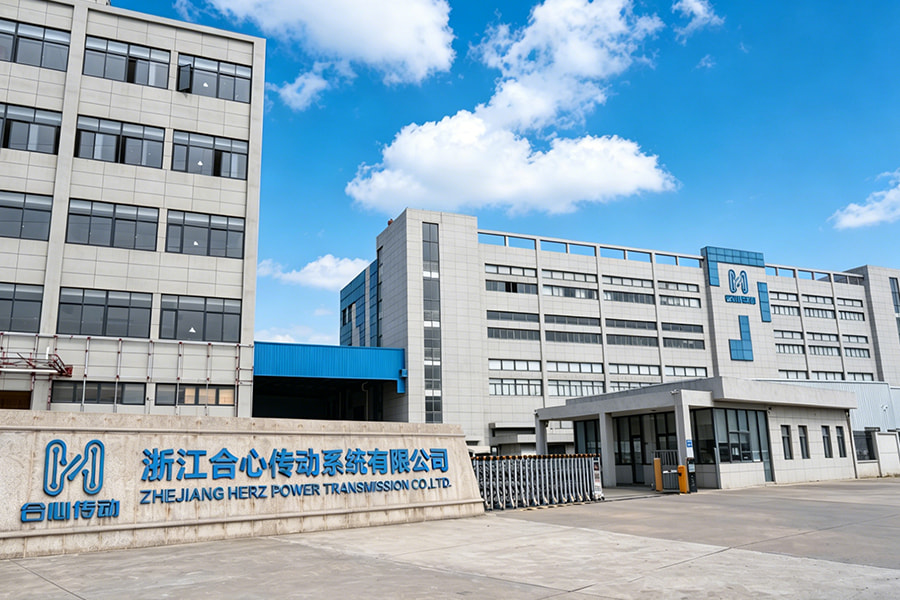
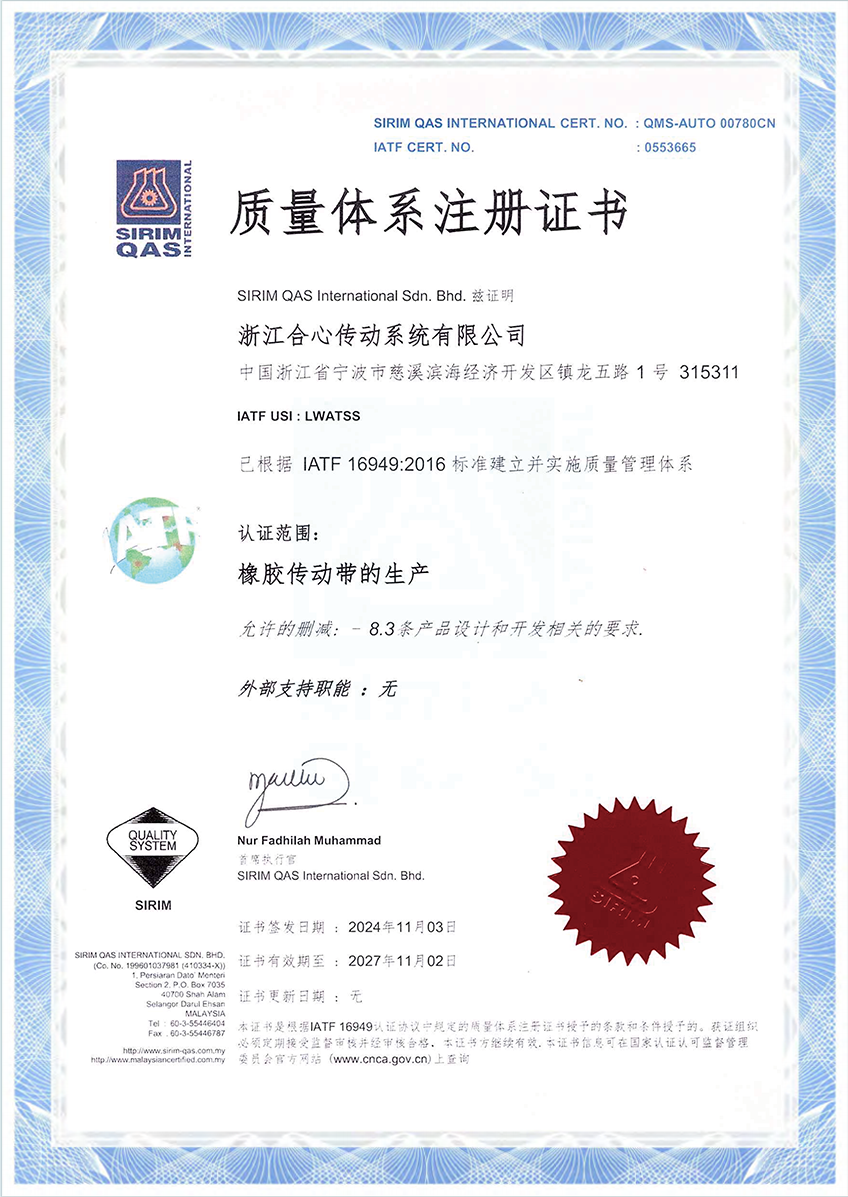
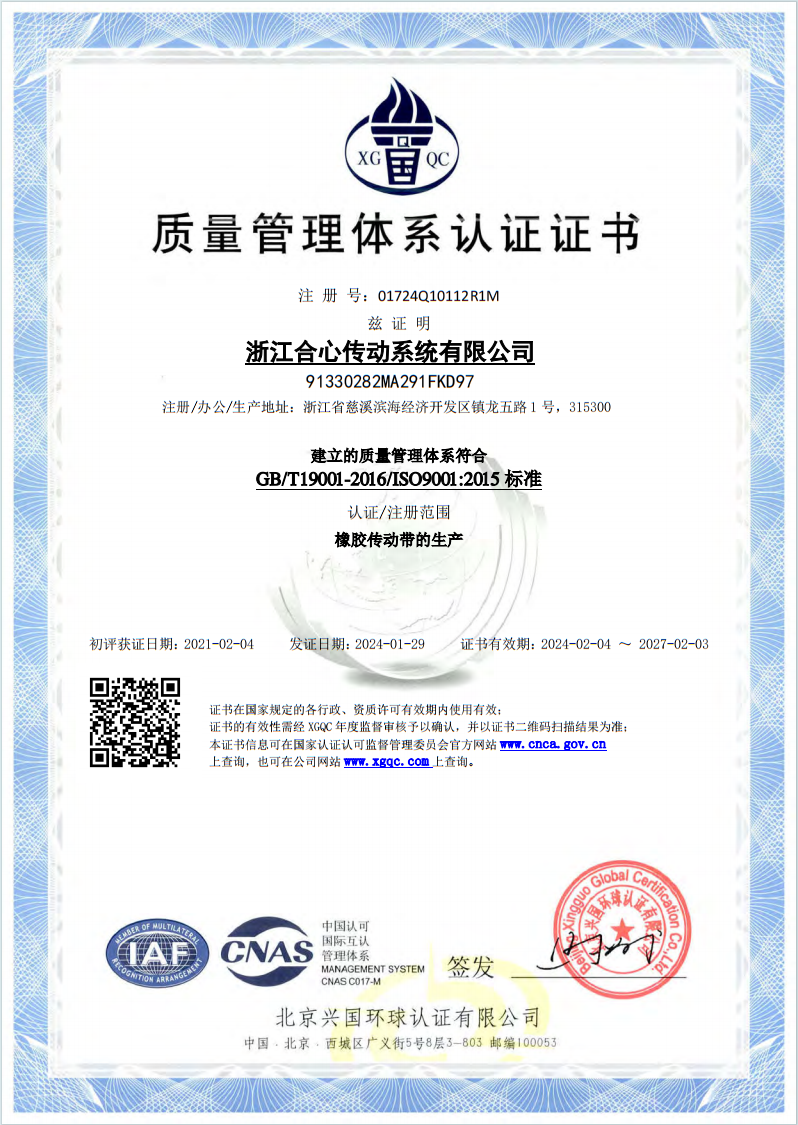
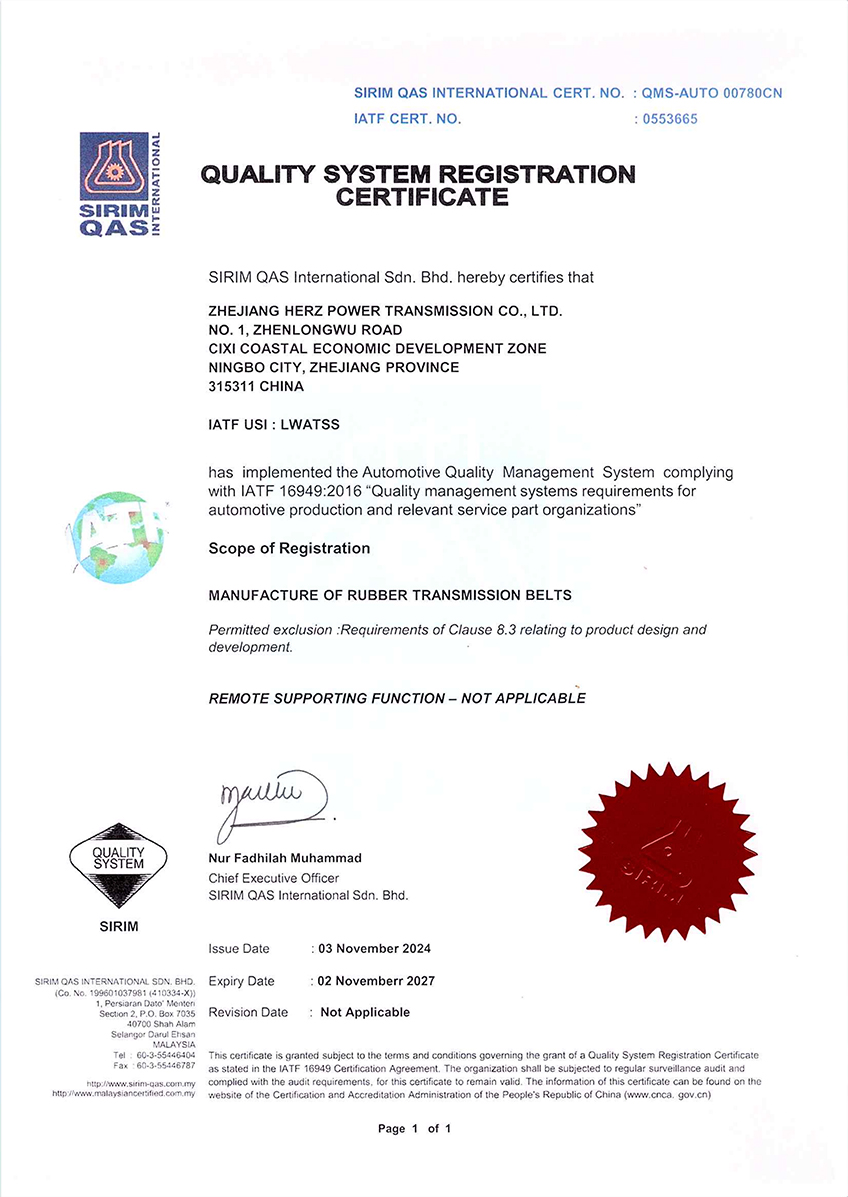
For professional rebuilders, fleet maintenance facilities, and DIY enthusiasts alike, sourcing individual seals for a complete engine overhaul is both time-consuming and prone to human error. Utilizing a comprehensive set of Gasket Kits eliminates the guesswork by ensuring that every replacement interface is engineered to work in harmony. At Ningbo Herz Technology Co., Ltd., our extensive manufacturing and engineering background—backed by decades of precision production expertise originating from our parent company Zhejiang Hexin Transmission System Co., Ltd. established in 1995—informs our understanding of high-tolerance component integration. Operating from a massive 40,000-square-meter production base equipped with world-class manufacturing and precision testing instruments, we recognize that sealing solutions demand the same rigorous metallurgical and material compliance as high-performance transmission systems.
The importance of these kits extends far beyond simple leak prevention. Modern engines operate under extreme thermal expansion differentials and high-pressure cycles. A properly engineered kit ensures that dissimilar metals—such as an aluminum cylinder head mating to a cast-iron engine block—can expand and contract at different rates without compromising the seal.
Material Performance and Parameter Comparison
To understand why complete sets outperform piecemeal replacements, it is helpful to evaluate the primary material parameters utilized across high-grade sealing components:
| Material Type |
Typical Temperature Range |
Tensile/Compressive Strength |
Primary Applications |
Fluid & Chemical Resistance |
| Multi-Layer Steel (MLS) |
Up to 500°C (932°F) |
Very High (Rigid steel layers) |
Modern high-compression & forced-induction cylinder heads |
Excellent resistance to oil, coolant, and high-pressure gases |
| Graphite Composites |
Up to 450°C (842°F) |
Medium-High (Conformable) |
Standard automotive and industrial engine rebuilds |
Good resistance to standard automotive fluids |
| Nitrile Rubber (NBR) |
-40°C to 120°C (-40°F to 248°F) |
Moderate (Flexible elastomer) |
Valve covers, oil pans, and accessory housings |
Excellent oil and fuel resistance; moderate thermal ceiling |
| Viton (FKM) |
-20°C to 200°C (-40°F to 392°F) |
High (Superior elasticity retention) |
High-temperature oil seals and extreme chemical environments |
Outstanding resistance to synthetic oils, fuels, and acids |
By integrating matching material grades into a single package, Gasket Kits maintain uniform stress distribution across all mating surfaces. Whether applied in heavy-duty automotive engines, industrial machinery, or specialized mechanical drive systems where precise tolerances dictate performance, these comprehensive kits protect internal components from premature wear and thermal breakdown.
Core Components Included in Quality Gasket Kits
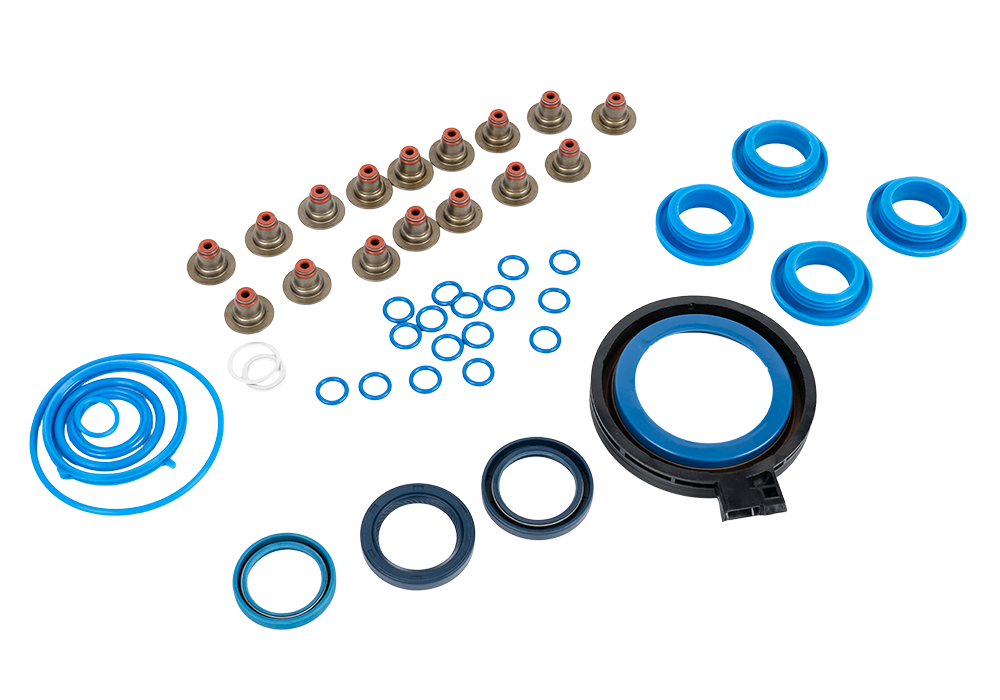
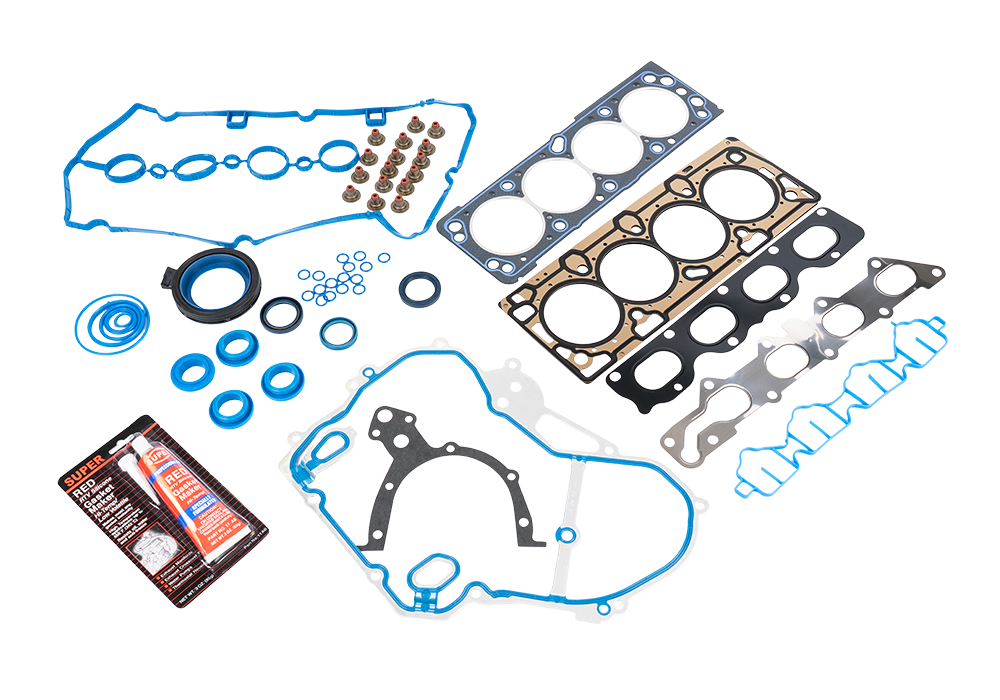
A comprehensive set of Gasket Kits is meticulously engineered to provide every essential seal required for a complete engine overhaul, top-end service, or specific sub-assembly rebuild. Understanding the individual components included in these kits ensures proper installation and guarantees that no worn interface is overlooked during maintenance.
At Ningbo Herz Technology Co., Ltd., our expertise in manufacturing precision-engineered mechanical components—honed through decades of industrial production experience since the founding of our parent company Zhejiang Hexin Transmission System Co., Ltd. in 1995—highlights the critical necessity of component matching. Operating from our advanced 40,000-square-meter production base equipped with world-class machinery and precision testing instruments, we recognize that every single sealing surface within an assembly plays a vital role in overall system integrity.
Breakdown of Typical Kit Contents
Depending on whether a mechanic is utilizing a "Full Engine Gasket Kit" (overhaul kit) or a "Conversion/Bottom-End Kit" combined with a "Head Set/Top-End Kit," the contents generally feature the following critical elements:
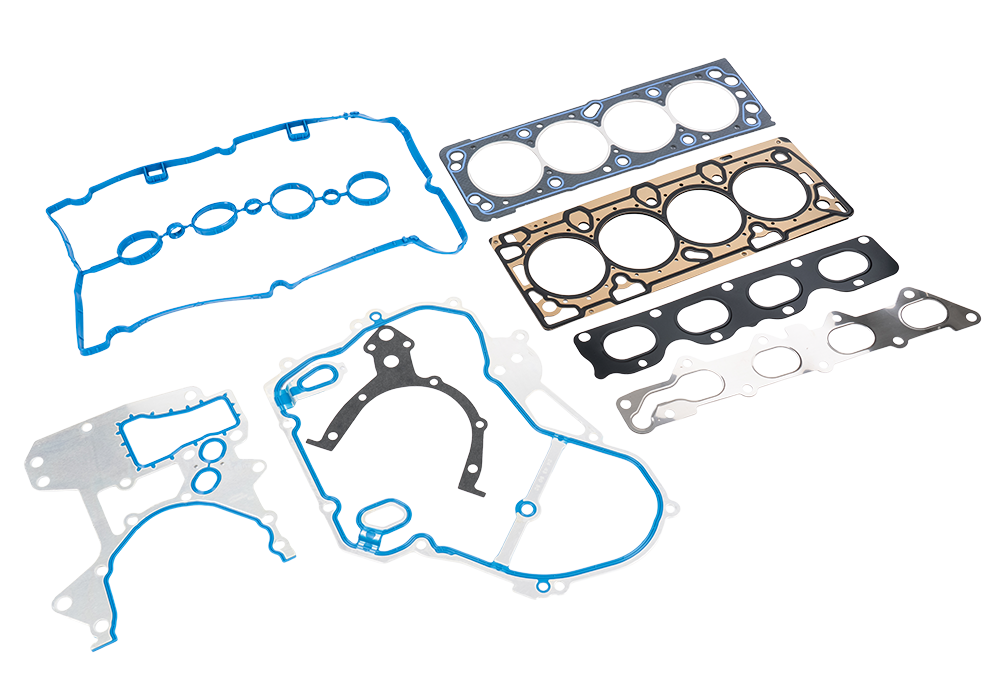
Cylinder Head Gaskets: The most heavily stressed seal in an internal combustion engine, responsible for sealing high-pressure combustion gases, engine oil galleries, and coolant passages between the engine block and cylinder head.
Valve Cover Gaskets: Positioned at the very top of the engine to seal the valve train compartment, preventing oil leaks while keeping out external debris and moisture.
Intake and Exhaust Manifold Gaskets: Designed to handle severe temperature fluctuations. Intake gaskets seal air and fuel delivery paths, while exhaust gaskets must endure extreme thermal cycling from escaping exhaust gases.
Oil Pan and Timing Cover Seals: Gaskets or molded rubber seals that contain engine oil at the base and front of the power plant, enduring constant thermal expansion and vibration.
Shaft Seals and O-Rings: Specialized dynamic and static seals, including camshaft and crankshaft seals, designed to prevent fluid loss around rotating components.
Material Breakdown and Parameter Comparison
Different areas of an engine demand specific material properties to withstand varying pressures, temperatures, and chemical exposures. The table below outlines the primary materials utilized within premium Gasket Kits:
| Component Category |
Primary Material Options |
Key Material Properties |
Primary Operating Environment |
| Cylinder Head |
Multi-Layer Steel (MLS) with Viton coating / Reinforced Graphite |
High tensile strength, excellent elastic recovery, resistance to blow-out under high cylinder pressures |
Combustion chamber interface; handles extreme pressure and thermal spikes up to 500°C |
| Valve Cover & Oil Pan |
Molded Nitrile (NBR), Cork-Rubber Composites, Silicone |
High compressibility, excellent oil and solvent resistance, shape-retention under low torque |
Low-pressure fluid containment areas operating between -40°C and 150°C |
| Exhaust Manifold |
Reinforced Graphite with Stainless Steel Core, Interlocking Steel |
High thermal resistance, non-asbestos composition, anti-stick surface treatment |
Extreme heat zones exposed to exhaust gases exceeding 600°C |
| Intake Manifold |
Fiber-reinforced composites, molded elastomer beads, Aluminum-backed rubber |
Good dimensional stability, resistance to fuel vapors, moderate thermal insulation |
Air/fuel intake paths subject to moderate vacuum and engine heat |
Why Matched Component Replacement Matters
Replacing an engine or mechanical assembly requires a holistic approach. Reusing old, compressed, or heat-fatigued seals while installing new components often leads to immediate secondary failures. When a component experiences high clamp loads during its service life, its sealing material undergoes permanent deformation (crushing).
By utilizing comprehensive Gasket Kits, technicians ensure that all interface materials age at a uniform rate, possessing matched thermal expansion coefficients. This harmonization prevents localized stress concentrations, eliminates compatibility issues between dissimilar mating surfaces, and guarantees long-term operational reliability across demanding industrial and automotive applications.
Key Factors to Consider When Selecting the Right Gasket Kits
Selecting the correct sealing package is vital to ensuring long-term mechanical reliability, preventing catastrophic fluid leaks, and avoiding premature engine failure. With numerous engine variants, material grades, and application specifications on the market, technicians and procurement specialists must evaluate several critical parameters before making a purchase.
At Ningbo Herz Technology Co., Ltd., our extensive manufacturing background—backed by the decades of precision engineering heritage established by our parent company Zhejiang Hexin Transmission System Co., Ltd. in 1995—has taught us that precision is non-negotiable. Operating from our expansive 40,000-square-meter production base equipped with world-class manufacturing equipment and advanced precision testing instruments, we apply strict quality control standards to ensure dimensional accuracy and material integrity. This same meticulous philosophy applies when evaluating high-performance Gasket Kits for diverse automotive and industrial applications.
Critical Selection Parameters
To help mechanics, distributors, and fleet managers make informed decisions, the table below outlines the core factors that must be cross-referenced when choosing the ideal set:
| Selection Factor |
Description & Importance |
Key Evaluation Criteria |
| Engine & Vehicle Compatibility |
Ensuring the kit matches the exact engine displacement, year, VIN code, and model designation. |
Verify exact OEM part numbers, cylinder bore dimensions, and piston clearance requirements. |
| Operating Environment & Thermal Rating |
Matching the material's temperature and pressure thresholds to the engine's output characteristics. |
Forced-induction (turbo/supercharged) engines require higher pressure-rated MLS seals compared to naturally aspirated setups. |
| Chemical & Fluid Resistance |
Ensuring sealing materials do not degrade when exposed to modern synthetic oils, coolants, and fuels. |
Select appropriate elastomers (such as Viton or high-grade NBR) based on expected chemical exposure and fluid types. |
| Application Tier (OEM vs. Afterperformance) |
Choosing between standard factory replacement specs and heavy-duty or racing-grade upgrades. |
Evaluate whether the application involves daily commuting, heavy hauling, or high-performance racing modifications. |
Navigating Compatibility and Specifications
One of the most frequent causes of premature seal failure is improper cross-referencing. Modern engines often feature mid-generation updates where block heights, bolt hole patterns, or oil gallery layouts change slightly. Utilizing a universal or incorrectly matched set can leave oil passages unsealed or create uneven clamp loads across the cylinder head.
Furthermore, technicians must weigh the demands of the operating environment. Standard graphite configurations are typically sufficient for everyday light-duty rebuilds, whereas high-performance or heavy-duty industrial applications demand Multi-Layer Steel (MLS) designs combined with specialized fluoroelastomer coatings. By thoroughly verifying these parameters and partnering with trusted, quality-driven manufacturers, you ensure that every assembly operates at peak efficiency with zero compromise on safety or durability.
Step-by-Step Installation Best Practices for Gasket Kits
Even the highest quality Gasket Kits will fail prematurely if improper installation techniques are applied. Engine sealing relies on precise surface preparation, accurate torque sequences, and strict adherence to mechanical engineering standards. A successful installation prevents common issues such as blow-outs, weeping joints, and chronic fluid leaks.
At Ningbo Herz Technology Co., Ltd., our deep industrial manufacturing expertise—rooted in the rigorous production standards established by our parent company Zhejiang Hexin Transmission System Co., Ltd. in 1995—demonstrates that flawless assembly requires absolute precision at every single step. Utilizing our state-of-the-art 40,000-square-meter production base equipped with world-class manufacturing equipment and advanced precision testing instruments, we understand that structural integrity depends just as much on correct installation methodology as it does on raw material quality.
Critical Installation Stages and Best Practices
To achieve a factory-grade seal during an engine rebuild or mechanical overhaul, technicians should follow this structured installation workflow:
Surface Preparation and Cleaning: Mating surfaces must be meticulously cleaned of all old gasket material, carbon deposits, oil, and corrosion. Technicians should use non-abrasive scrapers and approved solvents to avoid gouging soft aluminum or cast-iron blocks.
Flatness and Warpage Verification: Using a precision straightedge and feeler gauges across the cylinder head and engine block ensures that warping is within acceptable engineering tolerances before new seals are dropped into place.
Torque Specifications and Sequential Tightening: Fasteners must be tightened in a precise, manufacturer-specified multi-pass sequence (such as a spiral pattern starting from the center outward) to distribute clamping force evenly and prevent localized warping.
Sealants and RTV Application: Chemical sealants should only be used where explicitly recommended by the manufacturer—typically at corners, main bearing cap intersections, or specific timing cover joints. Over-application of RTV silicone can squeeze excess material into oil galleries, causing catastrophic blockages.
Installation Parameter Reference Guide
The table below outlines crucial technical parameters and operational checks required during the installation of various components included in high-grade Gasket Kits:
| Installation Phase |
Recommended Tool / Method |
Critical Tolerances & Limits |
Common Pitfalls to Avoid |
| Surface Flatness Check |
Precision straightedge & feeler gauge |
Maximum allowable warp: < 0.05 mm (0.002 in) across standard cylinder heads |
Skipping checks on aluminum heads after overheating events |
| Head Bolt Reusability |
Micrometer measurement / Stretch gauge |
Replace if stretch exceeds manufacturer elongation limits (Yield-to-torque bolts) |
Reusing torque-to-yield (TTY) bolts that lose clamping tension |
| Torque Application |
Calibrated digital torque wrench + angle gauge |
Follow exact multi-stage torque specs (e.g., Step 1: 30 Nm, Step 2: 60 Nm, Step 3: 90° turn) |
Using uncalibrated tools or tightening in a linear pattern |
| Gasket Orientation |
Visual check of "UP" markings and tab alignments |
Ensure oil and coolant holes align perfectly with block and head passages |
Installing multi-layer steel seals upside down or backward |
By combining premium Gasket Kits with disciplined mechanical practices, technicians eliminate structural weak points and ensure that rebuilt engines deliver maximum compression, optimal thermal efficiency, and long-term leak-free reliability.
Common Causes of Seal Failure and How to Prevent Them
Even with precision-engineered components, premature failure can occur if underlying mechanical issues are left unaddressed. Understanding why seals degrade helps mechanics and fleet operators implement preventative strategies, maximizing the service life of high-performance Gasket Kits.
At Ningbo Herz Technology Co., Ltd., our extensive manufacturing heritage—supported by the precision engineering foundation established by our parent company Zhejiang Hexin Transmission System Co., Ltd. in 1995—has always prioritized durability and stress resistance. Operating from our expansive 40,000-square-meter production base equipped with world-class manufacturing equipment and advanced precision testing instruments, we recognize that structural failures often stem from external operational anomalies rather than component defects alone.
Root Causes of Seal and Gasket Breakdown
To maintain peak engine performance and prevent costly breakdowns, technicians should watch out for the primary triggers of seal degradation:
Thermal Overheating and Extreme Cycling: Excessive combustion temperatures warp metal mating surfaces, causing localized clamping pressure loss and destroying the micro-sealing layers of head gaskets.
Improper Fastener Torque and TTY Reuse: Reusing torque-to-yield (TTY) bolts or failing to follow proper torque sequences results in uneven clamping force, leading to blown cylinder seals and oil leaks.
Chemical Incompatibility and Contamination: Exposure to degraded oil, incorrect coolant formulations, or unauthorized solvent cleaners can chemically break down rubber elastomers and composite binders.
Detonation and Pre-Ignition: Abnormal combustion spikes cylinder pressures far beyond design limits, fracturing rigid multi-layer steel layers and compromising combustion chambers.
Failure Mode and Prevention Reference Table
The table below outlines common failure symptoms, their root causes, and actionable prevention steps when utilizing premium Gasket Kits:
| Failure Mode |
Primary Symptom |
Root Cause |
Prevention Strategy |
| Head Gasket Blow-Out |
Loss of compression, coolant in oil, white exhaust smoke |
Overheating, detonation, or improper bolt torque sequencing |
Ensure cooling system efficiency, use calibrated torque-to-yield procedures, and avoid over-boosting. |
| Elastomer Hardening & Cracking |
Oil weeping around valve covers or oil pans |
Long-term exposure to extreme heat and degraded synthetic oils |
Adhere strictly to oil change intervals and select high-temperature resistant elastomers (such as Viton). |
| Exhaust Leak / Whistle |
Ticking noise on cold start, carbon tracking on manifold |
Thermal expansion mismatch, warped exhaust manifold surface |
Resurface exhaust manifolds before installation and replace cracked studs/hardware. |
| Coolant Leakage at Seams |
External pooling of coolant, low reservoir levels |
Corrosion pitting on aluminum blocks, poor surface cleaning |
Thoroughly clean mating surfaces and use corrosion-inhibiting coolant mixtures matching manufacturer specs. |
By identifying these common failure points and pairing strict preventative maintenance with precision-engineered Gasket Kits, operators can ensure ultimate mechanical reliability across all driving and operational conditions.
Frequently Asked Questions (FAQ) & Popular Knowledge
When maintaining, rebuilding, or upgrading mechanical assemblies, technicians and equipment operators often encounter practical challenges regarding sealing components. Below are answers to some of the most common inquiries regarding the selection, application, and preservation of high-grade Gasket Kits.
At Ningbo Herz Technology Co., Ltd., our dedication to engineering excellence—built upon the decades of transmission and mechanical production experience pioneered by our parent company Zhejiang Hexin Transmission System Co., Ltd. since 1995—ensures that our technical insights support your maintenance operations. Operating from our state-of-the-art 40,000-square-meter production base equipped with world-class manufacturing equipment and advanced precision testing instruments, we are committed to providing reliable solutions and expert knowledge across all industrial and automotive sectors.
What is the typical lifespan of high-performance Gasket Kits?
The operational lifespan of a sealing kit depends heavily on engine operating conditions, maintenance habits, and material selection. Under normal operating conditions, premium automotive and industrial Gasket Kits are engineered to last the lifetime of the engine rebuild or overhaul, typically exceeding 150,000 to 200,000 kilometers (approx. 90,000 to 120,000 miles). However, high-performance racing applications or heavy-duty industrial machinery operating continuously under extreme thermal stress may require scheduled inspections and preventative replacements much earlier.
Can I reuse older gaskets if they look clean during a teardown?
No, reusing standard compressed or crush-type seals is strongly discouraged. Once a gasket undergoes initial clamping force, its materials—whether graphite, multi-layer steel micro-layers, or soft elastomers—undergo permanent micro-deformation to fill microscopic surface imperfections. Reusing them compromises their ability to seal under cyclic pressures. The table below outlines material reusability characteristics:
| Gasket Material Type |
Reusable? |
Reason / Technical Explanation |
| Multi-Layer Steel (MLS) |
Rarely (Condition dependent) |
Can sometimes be reused if checked for flatness and specialized outer coating is intact, though replacement is standard best practice. |
| Graphite Composites |
No (Single-use) |
Undergoes permanent crushing and thermal bonding; loses structural integrity upon disassembly. |
| Rubber Elastomers (NBR/Viton) |
No (Single-use) |
Subject to hardening, flattening, and compression set; loses elasticity over time. |
| Solid Copper Head Gaskets |
Yes (If annealed) |
Can be re-annealed (softened via heating and quenching) to restore ductility before reinstallation. |
How do I properly store unused components from my Gasket Kits to prevent degradation?
Proper storage preserves the material integrity of elastomers, composites, and coated steel layers. Unused components should be kept flat in their original packaging to prevent bending or warping. Store them in a climate-controlled environment away from direct sunlight, extreme temperature fluctuations, and ozone-producing electrical equipment. Elastomers are particularly sensitive to UV exposure and ozone, which can cause rubber to dry, crack, and lose flexibility before ever being installed.
What are the immediate warning signs of a failing engine seal?
Recognizing early symptoms of seal degradation prevents minor fluid leaks from escalating into catastrophic engine failures. Key warning indicators include:
External Fluid Pooling: Visible oil puddles beneath the vehicle or coolant seepage around the block and cylinder head seams.
White Exhaust Smoke & Coolant Loss: A classic indicator of a compromised cylinder head gasket allowing coolant to enter the combustion chamber.
Unusual Engine Noises on Startup: Ticking sounds near the exhaust manifold often indicate a blown manifold gasket that seals once thermal expansion closes the gap temporarily.
Pressure and Power Drops: Loss of compression leading to rough idling, decreased fuel efficiency, and sluggish engine acceleration.


 English
 Español
 Português
 عربى
عربى