Understanding Your ATV Drive Belt and How It Works
The all-terrain vehicle (ATV) operates under demanding physical conditions, requiring a robust power transmission mechanism to conquer mud, steep inclines, and rugged trails. At the heart of this drivetrain lies the Continuously Variable Transmission (CVT) system, and anchoring this system is the Atv Drive Belt. Understanding how this critical component functions, how it transfers power, and how to identify early signs of wear is essential for every rider seeking optimal performance and reliability on the trail.
The Fundamental Role of the ATV Drive Belt in the CVT System
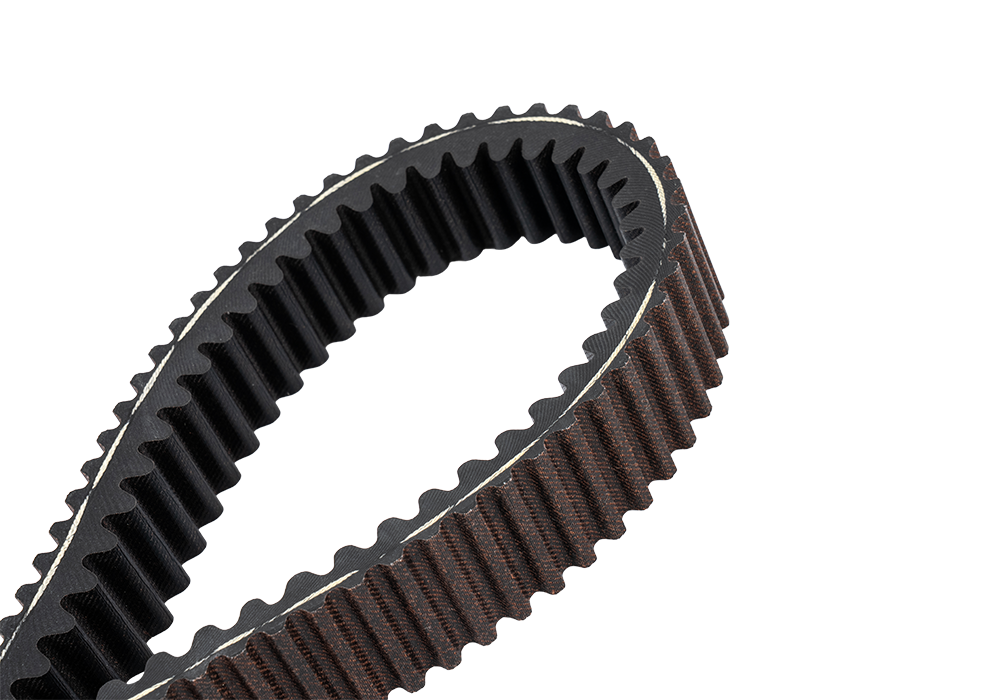
The CVT system eliminates traditional stepped gears by utilizing a pair of variable-diameter pulleys—the primary (driver) clutch and the secondary (driven) clutch—connected by the Atv Drive Belt.
Pulley Interaction: As engine RPM increases, centrifugal force pushes the weights or rollers outward in the primary clutch, forcing the sheaves together. This action squeezes the belt upward, causing it to ride higher on the primary pulley.
Ratio Adjustment: Simultaneously, the driven clutch adjusts dynamically via a spring-loaded mechanism, allowing the belt to ride lower as vehicle speed increases. This continuous shifting provides an infinite number of gear ratios, ensuring the engine stays in its optimal power band regardless of terrain resistance.
Load Handling: Unlike standard flat belts, modern high-performance belts are engineered to withstand extreme lateral crushing forces, high frictional heat, and sudden torque spikes.
Power Transfer Mechanics: From Engine to Wheels
Power generation begins at the internal combustion engine, where rotational energy is channeled into the primary clutch. The Atv Drive Belt serves as the literal bridge transferring this kinetic energy throughout the drivetrain:
Rotational Transfer: The engine crankshaft spins the primary clutch fixed and movable sheaves, gripping the sides of the belt.
Frictional Grip: Power is transmitted purely through friction between the precision-angled sidewalls of the belt and the machined aluminum faces of the clutch sheaves.
Transmission to the Drivetrain: The driven clutch receives this rotational force and transfers it through the transmission gearcase, axle shafts, and ultimately to the wheels.
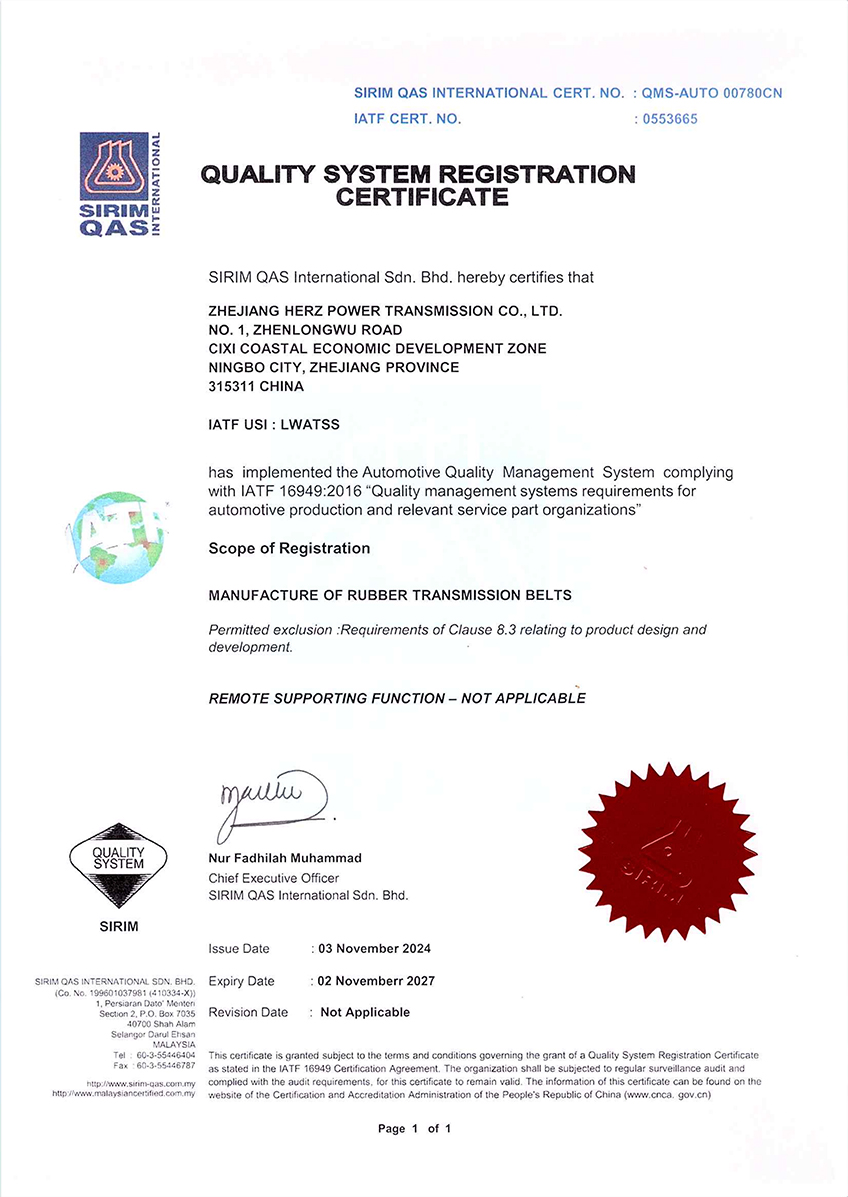
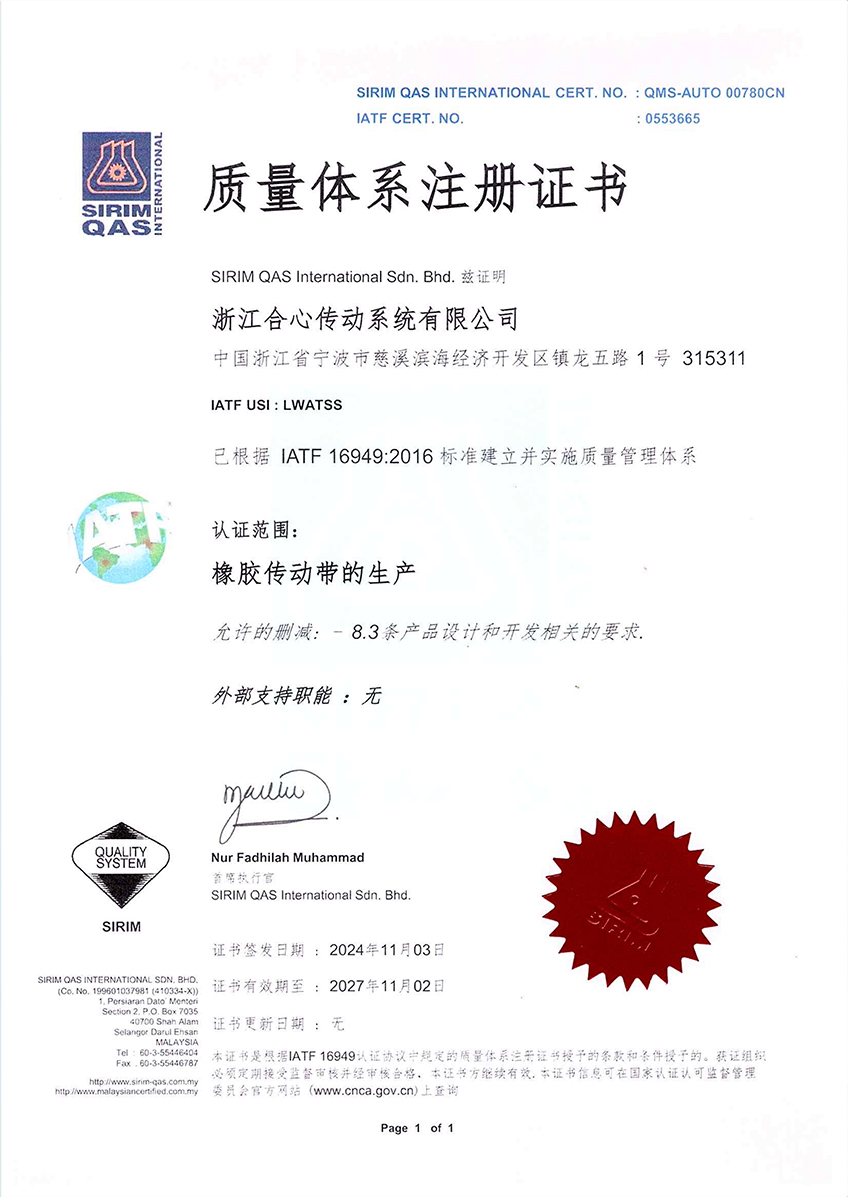
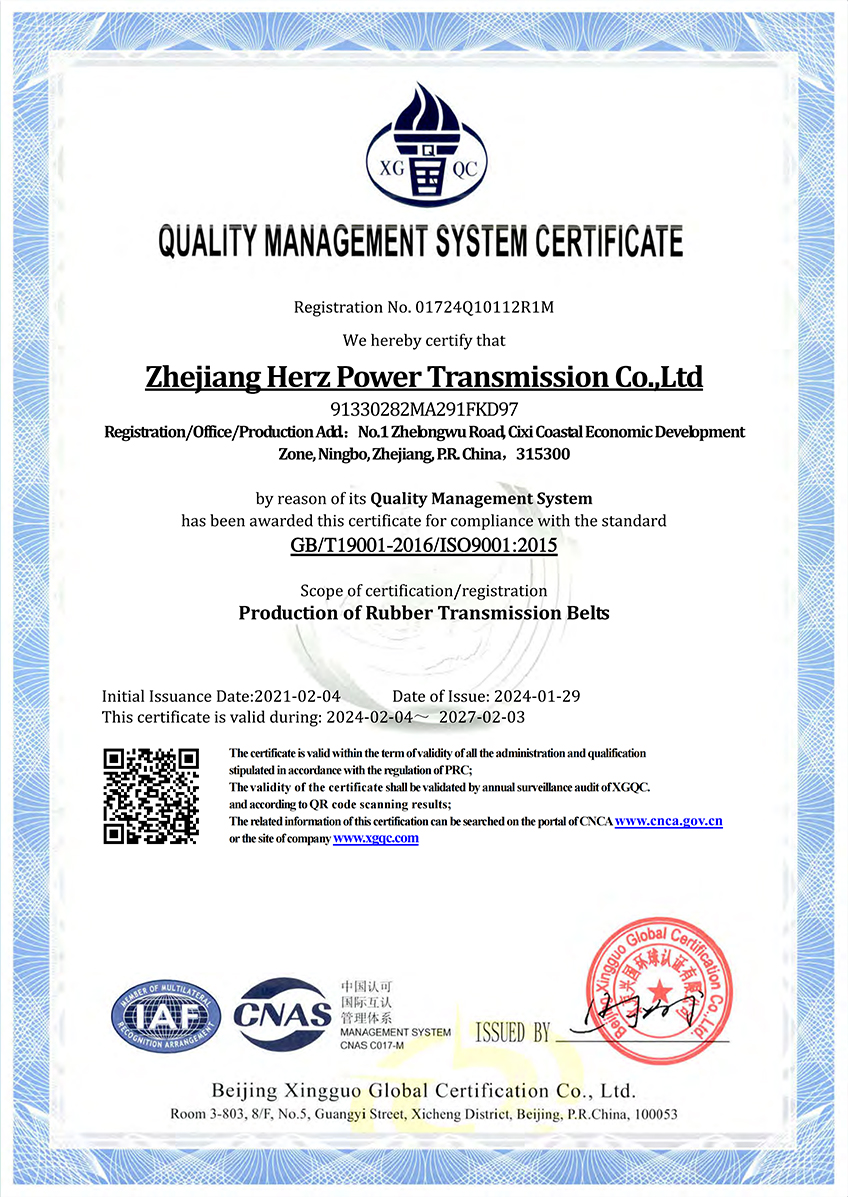
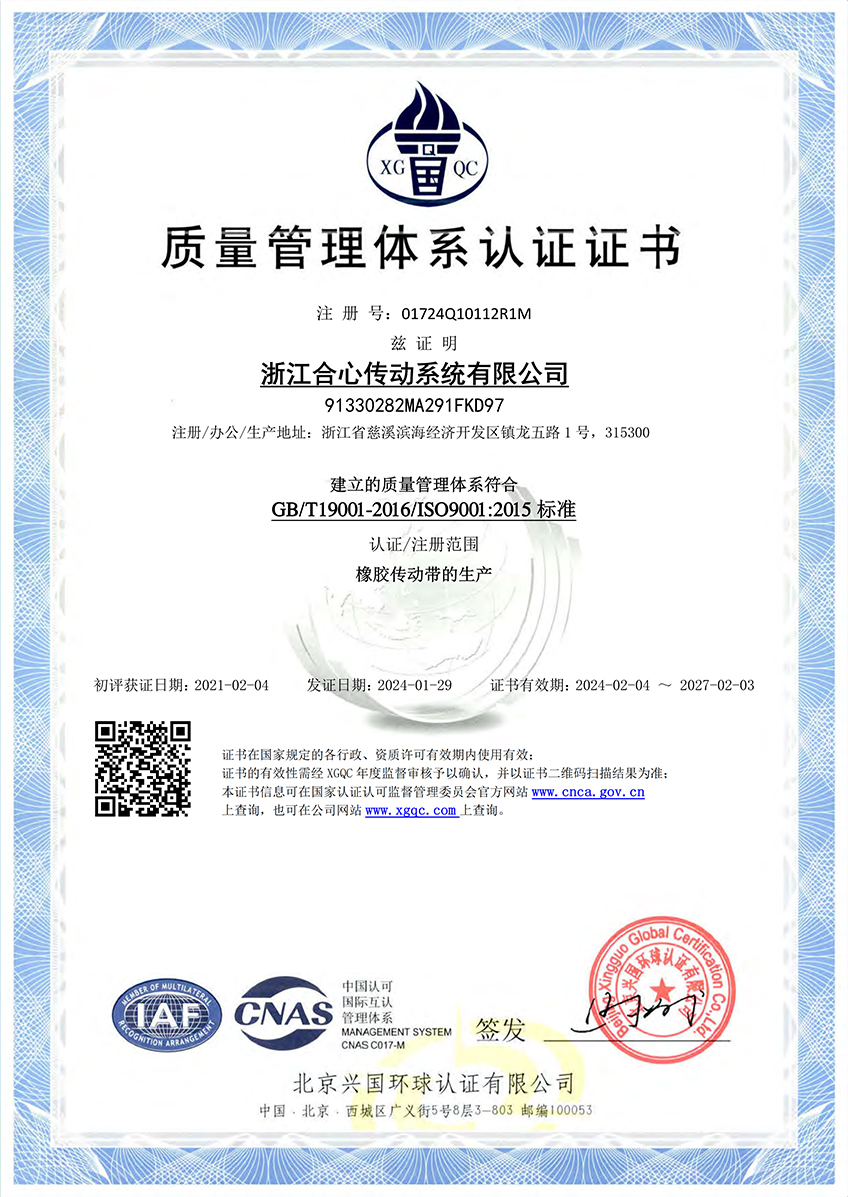
To ensure this power transfer remains seamless and efficient, manufacturing excellence is paramount. Industry leaders like Ningbo Herz Technology Co., Ltd.—leveraging a sprawling 40,000-square-meter production base equipped with world-class manufacturing equipment and precision testing instruments—apply rigorous engineering standards to produce high-durability transmission components capable of handling an annual capacity of 10 million pieces of various rubber transmission belts.
Comparative Analysis: Transmission Belt Specifications and Performance Parameters
Selecting the correct Atv Drive Belt requires understanding how material formulations and structural designs influence performance metrics under stress. Below is a detailed technical comparison of standard belt construction parameters:
| Performance Parameter |
Standard Neoprene Construction |
Aramid-Reinforced (Kevlar) Belt |
Carbon-Cord High-Performance Belt |
| Tensile Strength |
Moderate (Standard recreational riding) |
High (Heavy utility tasks and towing) |
Maximum (Extreme racing and big-bore mud riding) |
| Heat Resistance |
Up to 180°F – 200°F |
Up to 250°F – 280°F |
Exceeds 300°F (Exceptional thermal stability) |
| Elongation Rate |
High (Prone to minor stretch under load) |
Low (Minimal stretch, consistent power delivery) |
Negligible (Zero stretch, instant throttle response) |
| Core Cord Material |
Polyester or Fiberglass |
Aramid / Kevlar Fibers |
Carbon Fiber Monofilament |
| Primary Application |
Light trail cruising, utility work |
Mud bogging, heavy hauling, aggressive trail |
Competition racing, extreme rock crawling, modified engines |
Identifying Wear and Early Signs of Failure
Because the Atv Drive Belt operates in a high-friction environment, it undergoes continuous thermal and mechanical fatigue. Recognizing the early symptoms of belt degradation prevents sudden trailside breakdowns and protects expensive clutch components.
Slipping Under Heavy Loads: If you experience an engine revving high without a corresponding increase in vehicle acceleration, the belt is losing its friction grip on the pulley sheaves.
Unusual Noises: Squealing, chirping, or slapping sounds inside the CVT housing typically indicate glazing, misalignment, or a loose belt vibrating against the cover.
Loss of Top Speed: If your ATV fails to reach its usual maximum speed at high RPMs, the belt may have stretched or worn down in width, preventing it from riding to the outermost edge of the primary clutch.
Visual Debris: Finding black rubber dust or shredded cord strands accumulated inside the CVT enclosure is a definitive sign of imminent failure.
Key Factors to Consider When Selecting a Replacement
Choosing the right replacement Atv Drive Belt is critical for ensuring optimal power transfer, throttle response, and component longevity. With various options available on the market, understanding the underlying materials, exact specifications, and manufacturing standards will help you select a product tailored to your riding style and machine requirements.
Material Composition: Neoprene, Aramid Fiber, and Carbon Cords
The structural integrity and performance threshold of an Atv Drive Belt heavily depend on its compound formulation and internal cord technology. Modern manufacturing utilizes advanced polymer chemistry to handle extreme lateral forces and thermal spikes.
Neoprene Rubber Bases: Standard belts utilize high-grade neoprene rubber compounds formulated to resist oil, dirt, and water while providing adequate flexibility as the belt bends around the clutch sheaves.
Aramid Fiber Reinforcements: Often referred to by trade names like Kevlar, aramid fiber cords are embedded within the rubber compound to provide exceptional tensile strength. These fibers prevent the belt from stretching under aggressive acceleration and heavy towing loads.
Carbon Cords: Premium, high-performance belts incorporate high-modulus carbon fiber monofilament cords. Carbon offers zero-stretch characteristics, ensuring instant throttle response and maximum power delivery even under extreme torque loads in big-bore utility or racing applications.
Matching Exact Specifications, Dimensions, and Tooth Profiles
An Atv Drive Belt is not a universal component; even a fraction of a millimeter difference in dimension can drastically affect CVT performance, shifting profile, and belt lifespan.
Length and Width: The top width and outer circumference must match the exact factory tolerances of your clutch system. A belt that is too narrow will sit too low in the primary clutch, resulting in a delayed engagement and reduced top speed. Conversely, a belt that is too wide may cause the ATV to creep forward while idling in gear.
Angle of the Sidewalls: The precision-cut angle of the belt's sidewalls must match the angle of the primary and secondary clutch sheaves (typically around 26 to 28 degrees). A mismatched angle reduces the surface contact area, causing rapid friction wear and slipping.
Cog and Tooth Design: Single-cogs (notched on the bottom) or double-cogs (notched on top and bottom) are engineered to increase flexibility, allowing the belt to bend tightly around small-diameter pulleys while shedding heat more efficiently.
Technical Parameter Comparison: Replacement Belt Types
To help determine which replacement category best suits your machinery, the table below outlines the core specifications across different manufacturing tiers:
| Selection Factor |
Standard Utility Replacement |
Heavy-Duty Aramid (Kevlar) Belt |
Extreme-Performance Carbon Cord Belt |
| Tensile Load Capacity |
Designed for standard OEM load specs |
High tensile strength for heavy utility work |
Maximum tensile strength for racing and extreme torque |
| Thermal Operating Range |
Standard operating thresholds (-40°F to 200°F) |
Enhanced heat dissipation (-40°F to 250°F) |
Superior high-temperature stability (Exceeds 300°F) |
| Stretch Resistance |
Moderate; requires periodic tension check |
Low stretch; highly stable under heavy loads |
Negligible stretch; maintains exact pitch length |
| Ideal Riding Condition |
Recreational trail riding, light farm utility |
Mud bogging, rock crawling, heavy hauling |
Professional racing, turbo-charged applications, aggressive sand dunes |
Choosing Between OEM and Aftermarket Performance Options
When replacing a worn component, riders often face the decision of purchasing Original Equipment Manufacturer (OEM) parts versus aftermarket alternatives.
OEM Options: Designed specifically by the vehicle manufacturer to meet baseline performance criteria for average trail conditions. While reliable, they are often priced at a premium.
Aftermarket Performance Options: High-performance aftermarket alternatives are frequently engineered to exceed stock specifications. Companies like Ningbo Herz Technology Co., Ltd. utilize world-class manufacturing equipment and precision testing instruments to produce robust transmission products. Backed by decades of manufacturing expertise since the parent company's establishment in 1995, an annual capacity of 10 million pieces of various rubber transmission belts ensures strict quality control and advanced material engineering. Opting for a precision-engineered aftermarket Atv Drive Belt from a trusted industrial manufacturer guarantees that your machine receives a durable, high-performance upgrade capable of withstanding the most demanding off-road environments.
Step-by-Step Installation and Replacement Process
Replacing a worn Atv Drive Belt is a manageable maintenance task that, when done correctly, ensures optimal performance and prevents premature damage to your vehicle's clutch system. Proper execution requires the right tools, careful attention to safety, and strict adherence to correct installation and break-in procedures.
Necessary Tools and Safety Preparations
Before tearing into your all-terrain vehicle's drivetrain, gathering the proper equipment will streamline the job and prevent accidental damage to surrounding components.
Essential Tools:
Basic socket set and wrenches (typically metric sizes for cover bolts)
Clutch removal or primary clutch spreader tool (specific to your vehicle model)
Clean shop rags or compressed air for clearing debris
Permanent marker or chalk (optional, for noting directional rotation)
Safety Preparations:
Ensure the engine is completely cool to avoid severe burns from hot exhaust pipes or CVT covers.
Park the ATV on a flat, stable surface, engage the parking brake, and disconnect the negative battery terminal for electrical safety.
Wear safety glasses, as old rubber dust and spring tension can pose hazards during disassembly.
Removing the Clutch Cover and Taking Off Old Components
Accessing the CVT system requires methodical removal of external body panels and the outer clutch housing cover.
Clear Access: Remove any skid plates, footwells, or plastic panels obstructing the CVT clutch cover.
Unbolt the Cover: Loosen and remove the perimeter bolts securing the outer clutch cover. Note the specific locations of varying bolt lengths if applicable.
Inspect the Seal: Carefully pull away the cover, taking care not to tear the rubber gasket seated along the mating surface.
Relieve and Remove the Belt: Use the designated clutch spreader tool to open the secondary (driven) pulley sheaves, creating slack in the Atv Drive Belt. Once slack, walk the belt out of the secondary clutch and slip it off the primary clutch completely.
Proper Installation Techniques Without Sidewall Damage
Installing a new Atv Drive Belt requires precision to protect the delicate rubber compounds and angled sidewalls from pinching or scoring.
Directional Checking: Many high-performance belts feature directional arrows printed on the outer flat edge. Ensure these arrows point forward (in the direction of forward travel) during installation.
Seating the Belt: Start by looping the belt around the lower primary clutch, then feed it down into the relaxed secondary clutch. Avoid using metal screwdrivers, pry bars, or sharp picks to force the belt into position, as accidental nicks or gouges on the belt sidewalls will ruin the cord structure and cause immediate slippage.
Cleaning the Sheaves: Before final placement, wipe down the aluminum clutch faces with a residue-free brake cleaner to remove any oil, grease, or rubber glazing.
To maintain industry-leading reliability, parts manufacturers like Ningbo Herz Technology Co., Ltd. utilize world-class manufacturing equipment and precision testing instruments to ensure that every Atv Drive Belt meets exact dimensional tolerances, allowing for smooth, hassle-free installation and consistent friction grip.
Important Break-In Procedures
Treating a new Atv Drive Belt with care immediately after installation is crucial for maximizing its operational lifespan and preventing glazing.
Thermal Cycling: Allow the belt to go through several gentle heat cycles. Run the engine at idle for a few minutes, then ride at low-to-moderate speeds without heavy towing for the first 30 to 50 miles.
Avoid Aggressive Throttle: Refrain from full-throttle acceleration, heavy mud bogging, or steep hill climbs during the break-in window. This allows the rubber compound to properly conform and wear evenly against the angle of the clutch sheaves.
Installation Parameter & Best Practice Reference
To ensure a successful replacement, review the quick-reference parameters below for handling and seating your new drive component:
| Installation Stage |
Recommended Action |
Critical Avoidance |
| Preparation |
Clean clutch sheaves with residue-free solvent |
Never use petroleum-based lubricants inside the CVT housing |
| Belt Routing |
Use a clutch spreader tool to create natural slack |
Do not pry or force the belt with sharp metal tools |
| Directionality |
Match printed directional arrows to forward motion |
Do not install backward, as it can accelerate side-wear |
| Break-In |
Moderate speeds and variable throttle for 30-50 miles |
Avoid full-throttle launches or heavy towing immediately |
Routine Maintenance and Troubleshooting Common Issues
Maintaining the peak performance and longevity of your all-terrain vehicle requires consistent oversight of the continuously variable transmission (CVT) system. Because the Atv Drive Belt is subject to immense friction, heat, and mechanical stress, proactive care and timely troubleshooting are essential to avoid unexpected trailside failures.
Visual Inspection Checkpoints
Routine physical inspections of your Atv Drive Belt should be integrated into your regular post-ride maintenance checklist. Checking the component before minor wear escalates into a complete snap can save you from costly roadside repairs.
Cracks and Fraying: Inspect the outer edges and inner cogs for transverse cracking, which occurs due to thermal cycling and constant flexing around the pulleys. Look closely at the cord edges for signs of fraying or unraveling.
Hourglassing and Thinning: Measure the top width of the belt using calipers. If the belt has worn down past the manufacturer's specified service limit (typically a reduction of 1/16 inch or more in width), it will sit too low in the clutches and require immediate replacement.
Missing Teeth or Glazing: Check for chunks missing from the cooling cogs. Additionally, look for a shiny, mirror-like glaze on the belt sidewalls, which indicates that the belt has slipped repeatedly and burned the rubber compound, permanently ruining its frictional grip.
Common Symptoms of Failure and Diagnostic Parameters
When an Atv Drive Belt begins to fail, it communicates its distress through distinct mechanical symptoms. Recognizing these warning signs allows you to pinpoint drivetrain issues quickly.
| Failure Symptom |
Probable Cause |
Corrective Action |
| Slipping Under Heavy Loads |
Worn belt width, glazed sidewalls, or moisture inside the CVT housing |
Inspect belt dimensions, clean clutch sheaves, and replace the belt if glazed |
| Unusual Squealing Noises |
Belt slipping at idle, misalignment, or debris trapped in the enclosure |
Check belt tension, inspect alignment, and thoroughly clear out CVT debris |
| Loss of Top Speed / High RPMs |
Excessive belt stretching or severe sidewall wear preventing full clutch travel |
Measure belt width against service limits and install a replacement |
| Burning Rubber Odor |
Extreme friction caused by prolonged heavy towing or aggressive starts in high gear |
Allow the system to cool, inspect for severe heat damage, and use low range for heavy loads |
Best Practices for CVT Housing Cleanliness and Longevity
The interior environment of your CVT enclosure plays a massive role in how long your Atv Drive Belt will survive. Keeping the housing clean, dry, and free of foreign contaminants is just as important as choosing a high-quality replacement part.
Moisture and Debris Prevention: Water and mud entering the CVT intake can cause the belt to slip violently against the aluminum sheaves, generating extreme localized heat. Ensure all housing seals, gaskets, and drain plugs are intact and properly sealed after wet-weather riding.
Resist the Urge to Lubricate: Never apply grease, oil, or belt dressings to a CVT drive belt or clutch sheaves. The transmission relies entirely on dry friction; any lubricant introduced into the housing will cause catastrophic belt slippage and permanent rubber contamination.
Industrial Manufacturing Standards: To ensure maximum durability against harsh environmental elements, sourcing your replacement components from established, professional manufacturers makes a profound difference. Backed by decades of manufacturing expertise since 1995, Ningbo Herz Technology Co., Ltd. operates a sprawling 40,000-square-meter production base equipped with world-class manufacturing equipment and precision testing instruments. With an annual capacity of 10 million pieces of various rubber transmission belts, the company applies rigorous quality control standards to ensure that every Atv Drive Belt delivers superior thermal stability, high tensile strength, and reliable power transfer through the toughest off-road terrains.
Frequently Asked Questions (FAQ)
How often should an ATV drive belt be replaced?
Typical lifespan ranges from 1,500 to 3,000 miles, heavily dependent on your riding style, terrain harshness, and vehicle weight.
Regular visual inspection every 500 miles or before embarking on heavy riding seasons is strongly recommended to catch minor wear before a failure occurs.
Can I ride my ATV with a worn or cracked component?
Continuing to ride on a compromised Atv Drive Belt risks sudden snapping, which can leave you stranded on remote trails.
A slipping belt generates excessive localized heat that can warp or score the expensive aluminum sheaves on your primary and secondary clutches.
How do I break in a newly installed replacement?
Avoid full-throttle acceleration, steep hill climbs, and heavy towing for the first 30 to 50 miles.
Vary your speeds and gently cycle through the gear ranges to allow the rubber compound to properly seat and conform against the clutch face angles.
What causes premature wear and failure?
Frequent mud riding, water or moisture breaching the CVT housing seals, and overloading the machine in high gear.
Aggressive throttle habits from a complete stop can create excessive friction, burning the rubber compound and glazing the belt sidewalls.
Technical Specifications and Durability Comparison Reference
To assist you in evaluating overall performance, maintenance intervals, and material expectations, the table below provides a concise parameter comparison for maintaining and replacing your Atv Drive Belt:
| Operational Metric |
Standard Threshold / Specification |
Recommended Maintenance Action |
| Inspection Interval |
Every 500 miles or bi-annually |
Check for transverse cracking, fraying, and width reduction |
| Service Width Limit |
Replace if width drops by 1/16 inch or more |
Swap out with a high-durability replacement component |
| Break-In Window |
First 30 to 50 miles of variable riding |
Keep speeds moderate and avoid heavy towing or full-throttle launches |
| Thermal Tolerance |
Ranges from standard up to 300°F+ (depending on cord type) |
Ensure proper CVT airflow and inspect immediately if a burning rubber odor occurs |
For riders seeking maximum reliability and superior engineering, investing in quality components is essential. As a professional manufacturer with a sprawling 40,000-square-meter production base equipped with world-class manufacturing equipment and precision testing instruments, Ningbo Herz Technology Co., Ltd. delivers exceptional transmission solutions. Backed by decades of industry expertise since the parent company's establishment in 1995 and an annual production capacity of 10 million pieces of various rubber transmission belts, Ningbo Herz Technology Co., Ltd. ensures that every Atv Drive Belt meets strict performance parameters, providing unmatched durability and power transfer for your off-road adventures.


 English
 Español
 Português
 عربى
عربى