Introduction & Importance of Proper Installation
Hidden Costs of Improper Belt Maintenance
In industrial machinery and automotive drive systems, power transmission depends entirely on the condition, tension, and alignment of belts and pulleys. When maintenance technicians rely on guesswork or improper installation methods, the operational consequences accumulate rapidly. Common issues stemming from faulty installation include:
- Premature Bearing Failure: Excessive radial load from over-tensioning destroys motor and shaft bearings.
- Energy Loss and Slippage: Under-tensioned belts slip on sheaves, generating friction heat, wearing out sidewalls, and dropping mechanical efficiency.
- Edge Fraying and Vibration: Angular or parallel misalignment creates lateral forces that tear belt edges and induce severe vibrational fatigue.
These hidden failures lead to costly unplanned downtime, frequent component replacements, and unnecessary energy consumption.
The Role of Advanced Belt Installation Tools
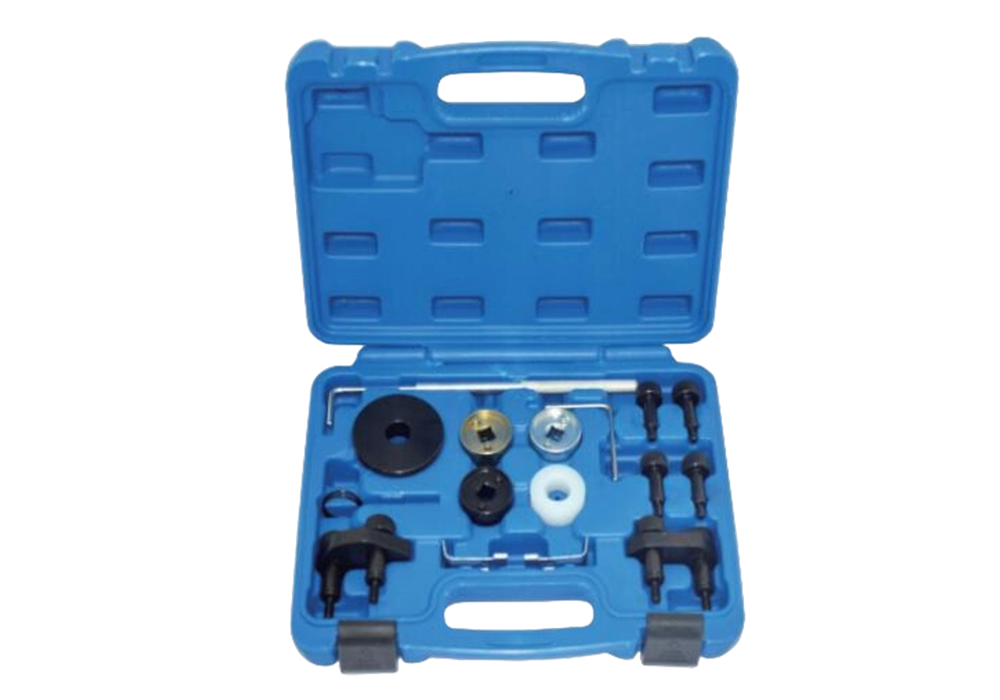
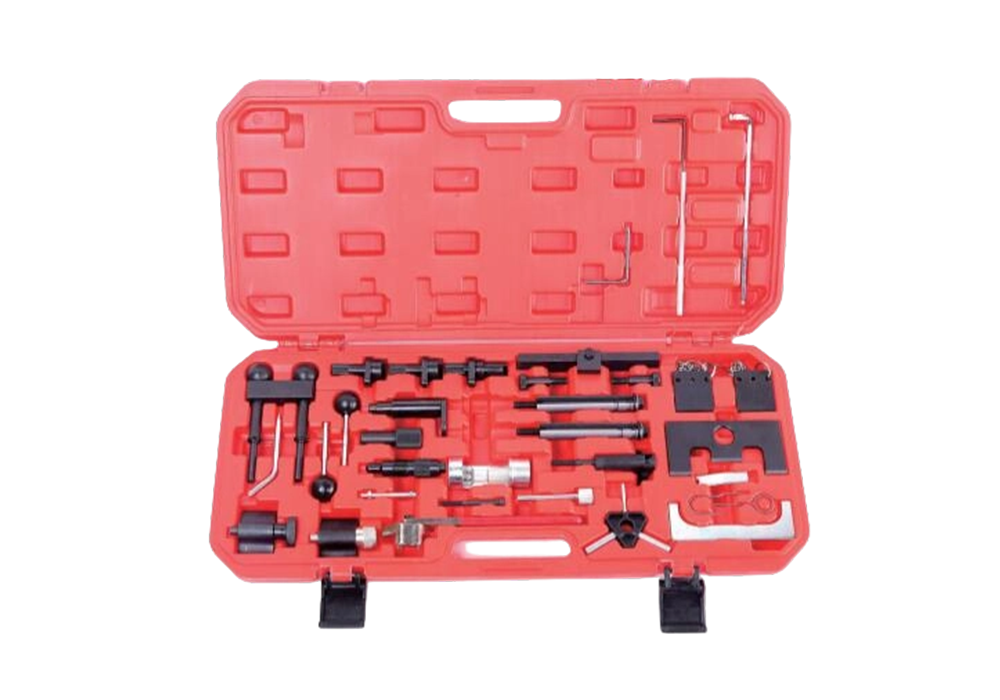
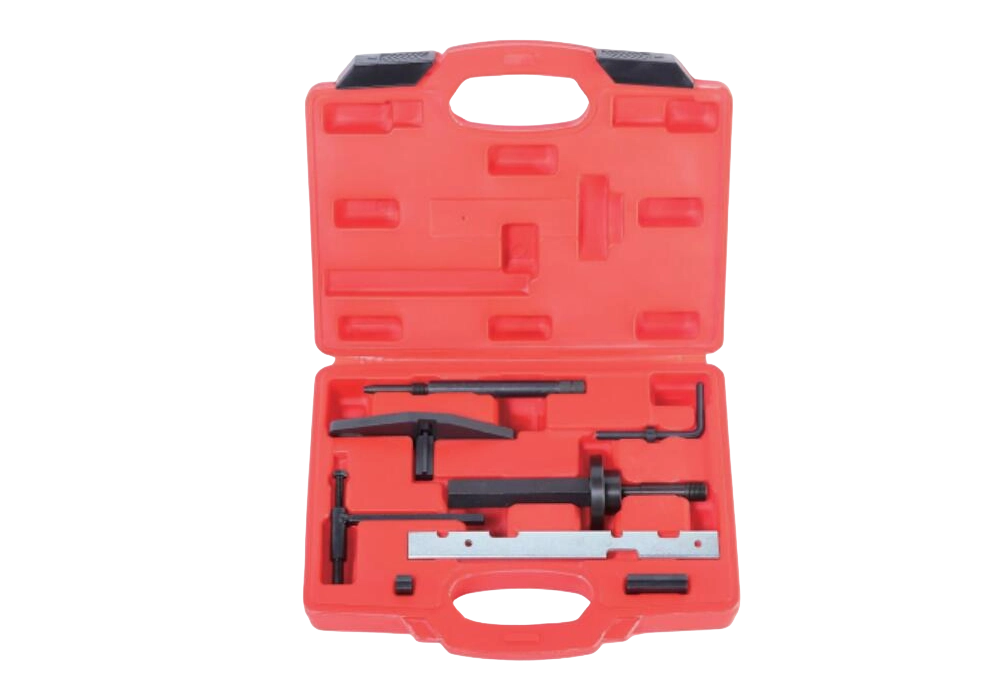
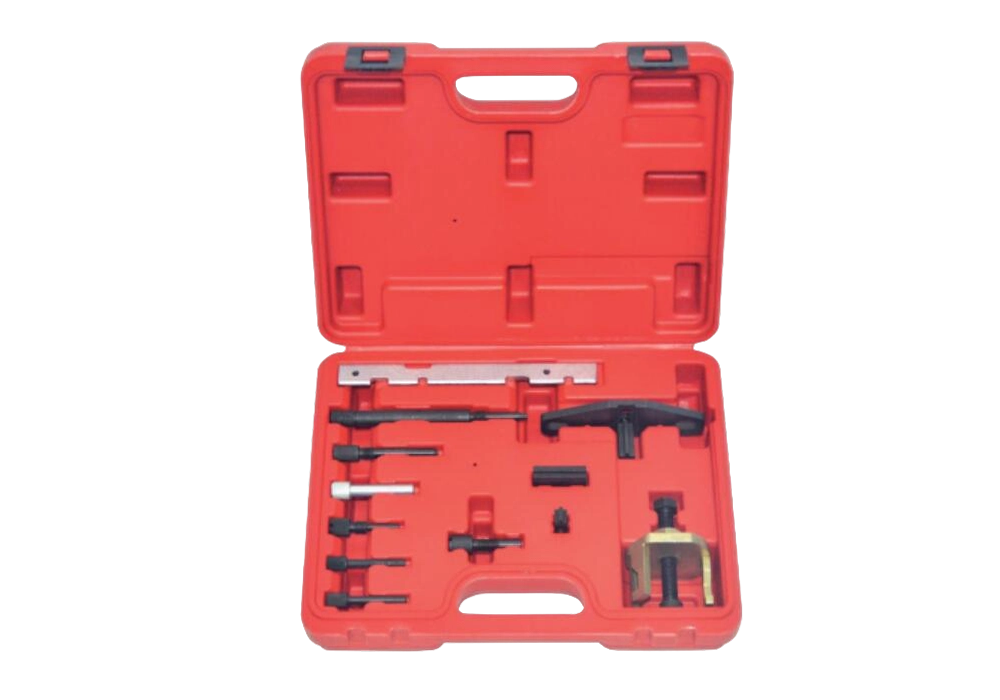
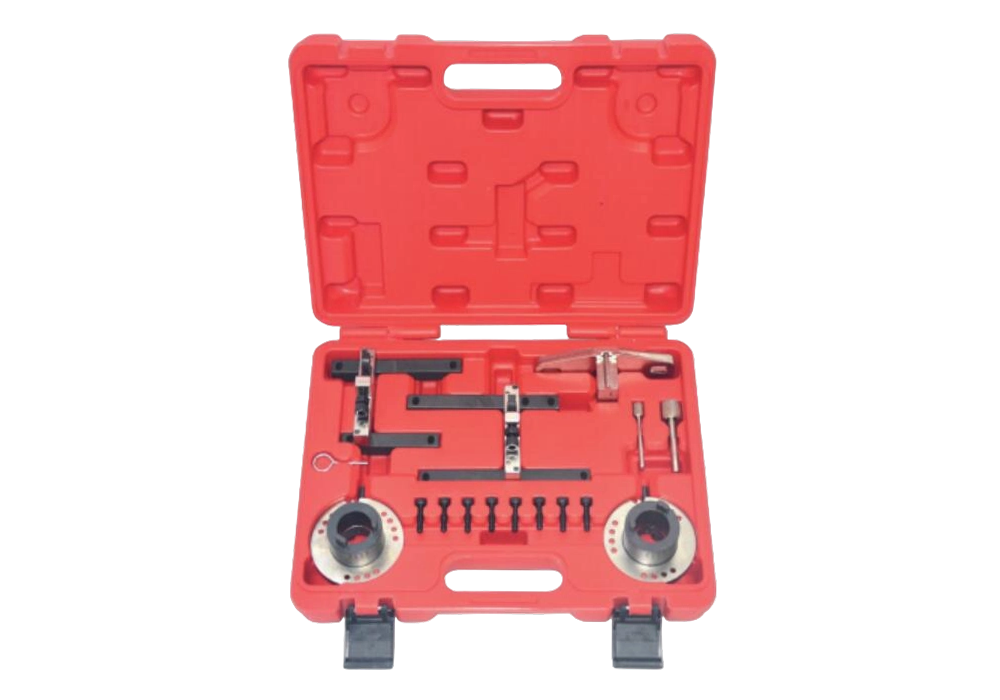
To eliminate these inefficiencies, utilizing specialized Belt Installation Tools is essential. Precision instruments ensure that every drive system achieves its optimal tension window and precise alignment from day one. By investing in proper setup equipment, operations protect their mechanical investments, extend component lifecycles, and guarantee peak performance.
At Ningbo Herz Technology Co., Ltd., we understand that high-performance transmission products require rigorous installation standards. As a subsidiary of Zhejiang Hexin Transmission System Co., Ltd., founded in 1995 with a 40,000-square-meter production base in Cixi City, Zhejiang Province, we manufacture an annual capacity of 10 million pieces of various rubber transmission belts—including industrial V-belts, rubber timing belts, poly-V belts, and agricultural edge-cut belts. Ensuring these premium transmission products perform to their maximum potential begins with professional installation practices and accurate instrument verification.
Understanding the Mechanics: Why Belt Installation Tools Matter
The Physics of Power Transmission
Power transmission systems rely on friction or positive engagement to transfer torque from a driving pulley to a driven pulley. The efficiency of this transfer is dictated by three primary mechanical variables:
- Static and Dynamic Tension: The gripping force between the belt and the sheave face.
- Pulley Alignment: The parallel and angular relationship between rotating shafts.
- Sheave Groove Integrity: The condition of the contact surfaces that house the belt profile.
Common Failure Modes and Performance Metrics
Without precision installation equipment, drives suffer from predictable failure modes. The table below outlines these common issues, their root causes, and how proper tool utilization prevents them.
| Failure Mode |
Root Cause |
Operational Impact |
Preventative Solution with Installation Tools |
| Bearing Overload |
Excessive static tension during manual mounting |
Increased friction, overheating, catastrophic bearing seizure |
Using mechanical or sonic tension gauges to stay within manufacturer limits |
| Slippage & Glazing |
Insufficient tension or worn sheave grooves |
Loss of synchronous speed, power drop, rubber burning |
Verifying tension via frequency meters and inspecting groove wear with sheave gauges |
| Sidewall Destruction |
Angular or parallel pulley misalignment |
Edge cord breakage, severe noise, rapid rubber shedding |
Deploying laser alignment tools to correct offset down to fractions of a degree |
| Tooth Jump / Shear |
Incorrect timing belt setup or forced prying |
Loss of timing synchronization, piston-valve contact in engines |
Utilizing safe handling tools and precise tensioning protocols |
The ROI of Precision Setup
Quantifying the financial impact of precision installation reveals substantial savings. Drives installed using calibrated instruments experience up to 50% longer belt lifespans and a 30% reduction in bearing maintenance costs. For industrial facilities running heavy-duty applications, eliminating unexpected drive failures translates directly to maximized throughput and lower total cost of ownership.
Essential Categories of Belt Installation Tools
Achieving maximum operational efficiency and longevity in power transmission systems requires a diverse suite of specialized instruments. Relying on visual estimates or manual guesswork is insufficient for modern high-tolerance drives. Precision setup demands dedicated equipment categorized by its specific mechanical function.
Tension Measurement Instruments
Accurate tensioning is the single most critical factor in preventing premature wear and energy loss. Tension measurement devices quantify the force or frequency of the belt span to ensure it matches engineering specifications.
- Mechanical Tension Gauges: These traditional spring-loaded tactile checkers measure deflection force. Technicians apply a standardized deflection to the belt span and read the resulting force on a calibrated scale. They offer a cost-effective solution for standard industrial V-belts.
- Sonic Tension Meters: Utilizing acoustic frequency analysis, these advanced electronic devices capture the vibration frequency of a plucked belt span. By inputting the belt's mass and span length, the meter calculates exact static tension in Newtons or pounds-force, eliminating human interpretation errors.
- Optical and Laser Tension Meters: Non-contact precision measuring devices that use light beams or optical sensors to track span vibration, delivering laboratory-grade accuracy in complex or confined industrial environments.
Alignment and Verification Instruments
Even perfectly tensioned belts will fail prematurely if the pulleys are out of alignment. Misalignment introduces destructive lateral forces across the belt structure.
- Laser Alignment Tools: Utilizing dual-laser transmitter and reflector units, these systems project visible lines onto targets to detect both parallel and angular misalignment instantly. They allow technicians to align pulleys to fractions of a degree.
- Sheave Gauges: Specialized profile combs used to inspect worn pulley grooves. Over time, abrasive wear deforms sheave walls; these gauges identify when a pulley can no longer safely house a transmission product and needs replacement.
Physical Handling and Safety Instruments
Forcing a belt onto a pulley by prying with screwdrivers or metal bars damages internal tensile cords and ruins the product before operation even begins.
- Belt Pullers and Lever Bars: Designed to mount belts smoothly over sheave flanges without applying localized stress points that fracture internal cords.
- Guard and Safety Lockout Tools: Essential instruments that ensure zero-energy states during installation, protecting technicians and supporting OSHA-compliant mechanical rooms.
At Ningbo Herz Technology Co., Ltd., we design our comprehensive lineup of rubber timing belts, industrial V-belts, and poly-V belts to withstand rigorous operational demands. However, realizing their full design lifecycle depends entirely on pairing them with these professional installation and alignment tools.
Parameter Comparison of Tension Measurement Instruments
| Instrument Type |
Measurement Principle |
Accuracy Level |
Best Suited For |
Primary Advantage |
| Mechanical Tension Gauges |
Tactile deflection vs. force scale |
Moderate (plus or minus 5% to 10%) |
Standard industrial V-belts and agricultural belts |
Cost-effective, no power source required |
| Sonic Tension Meters |
Acoustic frequency sound wave analysis |
High (plus or minus 1% to 3%) |
Rubber timing belts, poly-V drives, precision machinery |
Non-destructive, highly repeatable, eliminates human bias |
| Laser Alignment Tools |
Reflected laser beam geometry |
Ultra-High (less than 0.05 degrees angular deviation) |
High-speed industrial drives, long-span power transmission |
Prevents edge wear, extends bearing and belt lifespan simultaneously |
Step-by-Step Guide: Utilizing Belt Installation Tools Effectively
Proper execution during the installation phase determines whether a power transmission system achieves its maximum operational lifespan or fails prematurely. Utilizing Belt Installation Tools methodically ensures that tension and alignment are set precisely to manufacturer specifications.
Phase 1: Pre-Installation Inspection & Preparation
Before handling any components, safety and environmental checks must be established.
- Lockout/Tagout Protocols: Completely isolate power sources to ensure zero mechanical energy before touching the drive components.
- Pulley Groove Inspection: Use dedicated sheave gauges to check for sidewall wear, pitting, or burrs. A worn pulley will rapidly destroy even the highest-quality rubber transmission product.
- Component Verification: Ensure the replacement belt matches the correct profile, length, and material specifications required by the machinery.
Phase 2: Mechanical Mounting
Forcing a belt onto sheaves using screwdrivers, pry bars, or excessive physical force instantly ruptures internal tensile cords, causing hidden structural failure.
- Retracting Tensioners: Safely adjust motor bases or idler pulleys using mechanical lever bars and retraction tools to create maximum slack.
- Smooth Placement: Slip the belt manually into the sheave grooves starting from the smallest pulley, working outward without applying sharp bending forces.
Phase 3: Precision Alignment
Even minor angular or parallel deviations create destructive lateral friction forces.
- Transmitter Setup: Mount the laser alignment tool transmitters and magnetic reflectors onto the faces of the driving and driven pulleys.
- Correction Adjustments: Observe the laser line readouts to identify offset errors. Loosen motor mount bolts and adjust shims or positioning bolts until parallel and angular measurements fall within acceptable operational thresholds (typically under 0.5 degrees of deviation).
Phase 4: Tensioning & Verification
Achieving accurate static tension prevents slippage under initial load without overloading shaft bearings.
- Applying Tension: Gradually adjust the tensioning mechanism while monitoring the span force.
- Verification via Instruments: Use a sonic tension meter or mechanical gauge to test the span. Pluck the belt span to read the acoustic frequency, ensuring it matches the exact target window calculated for the specific drive geometry.
Installation Parameters & Tolerances Reference
| Installation Phase |
Recommended Tool / Instrument |
Target Operational Tolerance |
Potential Risk If Ignored |
| Groove Inspection |
Sheave Profile Gauges |
0 percent groove sidewall deformation |
Rapid abrasion, edge fraying |
| Mechanical Mounting |
Belt Pullers / Lever Bars |
Zero forced prying / stretching |
Internal cord fracture, sudden snap |
| Pulley Alignment |
Laser Alignment Systems |
Less than 0.5 degrees angular offset |
Sidewall destruction, high heat |
| Tension Setting |
Sonic Tension Meters |
Plus or minus 5 percent of target frequency |
Bearing overload or belt slippage |
At Ningbo Herz Technology Co., Ltd., our extensive portfolio—ranging from heavy-duty agricultural edge-cut belts and industrial V-belts to precision rubber timing belts—is engineered for extreme durability. However, to achieve our design capacity of 10 million pieces annually with optimal field performance, we always recommend strict adherence to these rigorous, tool-verified installation steps.
Choosing the Right Tools for Your Specific Application
Selecting the appropriate Belt Installation Tools depends heavily on the operational environment, the type of power transmission drive, and the specific demands of the machinery. Utilizing mismatched or inadequate instruments can lead to improper calibration, while over-specifying tools for basic applications may unnecessarily inflate maintenance budgets.
Industrial vs. Automotive Environments
The operational scale and physical constraints of a workspace dictate the durability and form factor of the required tools.
- Heavy Industrial Environments: Manufacturing plants, mining operations, and large-scale agricultural facilities require rugged, impact-resistant tools with sealed housings capable of withstanding dust, oil, and extreme temperatures.
- Automotive & Light Workshop Environments: These applications prioritize compact designs, rapid setup times, and magnetic mounts that can operate efficiently within tightly confined engine bays or smaller machinery housings.
V-Belts vs. Synchronous/Timing Belts
Friction drives and positive-engagement drives interact with tension and alignment tools differently, requiring distinct verification protocols.
- V-Belt and Poly-V Drives: These friction-based systems rely heavily on precise static tension and sheave groove integrity. Maintenance teams must utilize tension deflection gauges or sonic meters alongside profile sheave gauges to prevent slippage and sidewall glazing.
- Synchronous / Timing Belts: Because these belts rely on positive tooth engagement, angular alignment and accurate pitch-line tension are vital. Even minor misalignments cause uneven tooth loading, leading to premature shear or belt walk. High-precision laser alignment tools and acoustic frequency meters are mandatory for these setups.
Key Selection Criteria Checklist
When sourcing installation and alignment equipment for your facility, evaluate options based on the following criteria:
- Calibration Stability: Instruments that retain factory calibration longer reduce long-term verification errors.
- Data Logging and Connectivity: Advanced digital meters with memory storage allow technicians to log installation reports for quality assurance and compliance audits.
- Form Factor and Clearance: Tools must fit comfortably into restricted physical spaces without requiring complete machinery teardowns.
Application and Tool Matching Reference
| Drive Type |
Primary Operating Challenge |
Recommended Tool Suite |
Key Parameter Focus |
| Industrial V-Belt Drives |
Friction loss, belt stretch, slip under load |
Mechanical or Sonic Tension Meters, Sheave Gauges |
Static span tension, groove wear depth |
| Synchronous Timing Drives |
Tooth shear, tracking drift, harmonic vibration |
Laser Alignment Tools, Sonic Frequency Meters |
Angular offset (less than 0.5 degrees), accurate frequency matching |
| Agricultural Machinery Drives |
Dust, heavy shock loads, environmental exposure |
Ruggedized Tension Gauges, Heavy-Duty Lever Bars |
Safe retraction force, robust housing protection |
At Ningbo Herz Technology Co., Ltd., we supply a diverse range of high-performance transmission products, including rubber timing belts, industrial V-belts, poly-V belts, and specialized agricultural edge-cut belts. Because our components are engineered to drive demanding machinery across global markets, we recognize that pairing our 10 million annual production pieces with the correct application-matched installation tools is the key to achieving zero-downtime reliability and maximum operational efficiency.
Best Practices and Common Pitfalls to Avoid
Achieving long-term reliability in power transmission systems requires more than just owning high-end instruments; it demands strict adherence to industry best practices and an active awareness of common installation errors. Eliminating bad maintenance habits prevents catastrophic failures and ensures that your drive systems operate at peak efficiency throughout their lifecycle.
The Danger of Thumb-Pressure Testing
One of the most persistent and destructive practices in mechanical maintenance is the thumb-pressure method—where technicians manually push down on a belt span and guess its tension based on feel.
- Why It Fails: Human tactile perception varies wildly between individuals. What feels like correct tension to an experienced technician may be drastically over- or under-tensioned to another.
- The Consequences: Manual guessing frequently leads to extreme over-tensioning, which destroys motor bearings, or under-tensioning, which causes continuous micro-slip, friction heat, and premature rubber degradation. Utilizing calibrated sonic or mechanical tension tools eliminates this guesswork entirely.
Re-Tensioning and Bed-In Protocols
New transmission belts undergo an initial stretching and seating phase during their first few hours of operation as the cords bed into the sheave grooves.
- The Best Practice: Inspect and re-check tension parameters after the first 24 to 48 hours of initial operation for heavy-duty drives. Re-adjusting the tension back to manufacturer specifications prevents permanent slip-induced glazing and ensures the belt achieves its full designed lifespan.
Maintenance and Calibration of Installation Instruments
Precision tools are only as accurate as their maintenance history.
- Optical sensors, laser transmitters, and acoustic meters can drift out of calibration due to accidental drops, workshop dust exposure, or thermal fluctuations.
- Establishing an annual calibration schedule ensures that your installation data remains trustworthy and compliant with internal quality standards.
Maintenance Practices and Performance Impact Comparison
| Maintenance Practice |
Common Pitfall |
Best Practice Solution |
Performance & Financial Impact |
| Tension Assessment |
Relying on manual thumb-pressure estimation |
Using calibrated sonic meters or tension deflection gauges |
Eliminates bearing overload; extends belt life by up to 50 percent |
| Initial Bed-In Handling |
Leaving new belts unmonitored after installation |
Re-checking and adjusting tension after 24 to 48 operating hours |
Prevents early stretch-induced slip, glazing, and power loss |
| Tool Upkeep |
Neglecting calibration and storing meters in harsh conditions |
Scheduling annual factory calibrations and using protective cases |
Guarantees data accuracy and prevents costly installation errors |
At Ningbo Herz Technology Co., Ltd., our commitment to manufacturing top-tier transmission components—ranging from rubber timing belts and industrial V-belts to poly-V belts and agricultural edge-cut belts—goes hand-in-hand with promoting professional maintenance education. By combining our annual production capacity of 10 million precision transmission parts with rigorous, tool-verified installation best practices, facilities can drastically reduce downtime and maximize mechanical efficiency.
Frequently Asked Questions
Q1: How often should I calibrate my sonic tension meter or laser alignment tool?
Answer: Industry standards typically recommend annual calibration for precision optical and acoustic instruments, especially in heavy manufacturing environments where workshop dust, temperature fluctuations, and daily handling can introduce micro-drift. Regular calibration ensures your installation measurements remain accurate and compliant with quality assurance standards.
Q2: Can I install a synchronous timing belt without specialized tools?
Answer: While it is physically possible to mount a timing belt manually, doing so without proper tension and alignment instruments drastically increases the risk of tooth jump, premature snapping, and shaft bearing failure. Because timing belts rely on positive engagement, precise span frequency and parallel alignment are critical to prevent destructive edge wear and tooth shear.
Q3: What is the difference between static tension and dynamic tension?
Answer: Static tension is measured when the drive system is completely stationary and unpowered—this serves as the primary metric for installation and verification tools. Dynamic tension, by contrast, fluctuates constantly while the machinery is actively transmitting power and facing operational loads.
Q4: Why is pulley alignment just as important as correct tension?
Answer: Even with ideal tension, a misaligned pulley forces the transmission belt to track at an angle. This angular or parallel offset creates localized friction, excessive heat generation, rapid sidewall wear, and premature system failure. Deploying laser alignment tools alongside tension meters guarantees balanced force distribution.
Technical & Maintenance Parameter Summary
| FAQ Topic |
Key Parameter / Metric |
Recommended Standard |
Operational Risk of Neglect |
| Tool Calibration |
Instrument accuracy drift |
Annual factory or lab re-calibration |
Cumulative measurement errors, improper drive tension |
| Timing Belt Setup |
Positive tooth engagement & alignment |
Zero angular offset (less than 0.5 degrees), exact frequency match |
Tooth shear, synchronization loss, severe vibration |
| Tension States |
Static versus Dynamic tension |
Calibrate static tension to manufacturer specifications |
Micro-slip, thermal degradation, bearing overload |
| Pulley Alignment |
Parallel and angular offset limits |
Laser-verified alignment within tight tolerances |
Sidewall friction, rapid belt edge destruction |
At Ningbo Herz Technology Co., Ltd., we pride ourselves on delivering world-class transmission products—including industrial V-belts, rubber timing belts, poly-V belts, and specialized agricultural edge-cut belts—backed by a 40,000-square-meter production base in Cixi City, Zhejiang Province. Whether you are managing an annual production supply of 10 million transmission pieces or maintaining a complex industrial drive line, combining our durable products with proper tool utilization and expert knowledge guarantees long-term operational success.


 English
 Español
 Português
 عربى
عربى