What is a Serpentine Drive Belt and Why Does Your Vehicle Need One?
Modern internal combustion engines rely on a complex network of accessories to function smoothly, safely, and efficiently. At the heart of this accessory drive system lies a vital component: the Serpentine Drive Belt. Often overlooked until it fails, this single, continuous loop of reinforced rubber is responsible for transferring rotational power directly from the crankshaft of the engine to multiple peripheral devices. Without it, a modern vehicle would lose its electrical charge, power steering, climate control, and cooling capabilities within minutes.
Defining the Component and Structural Anatomy
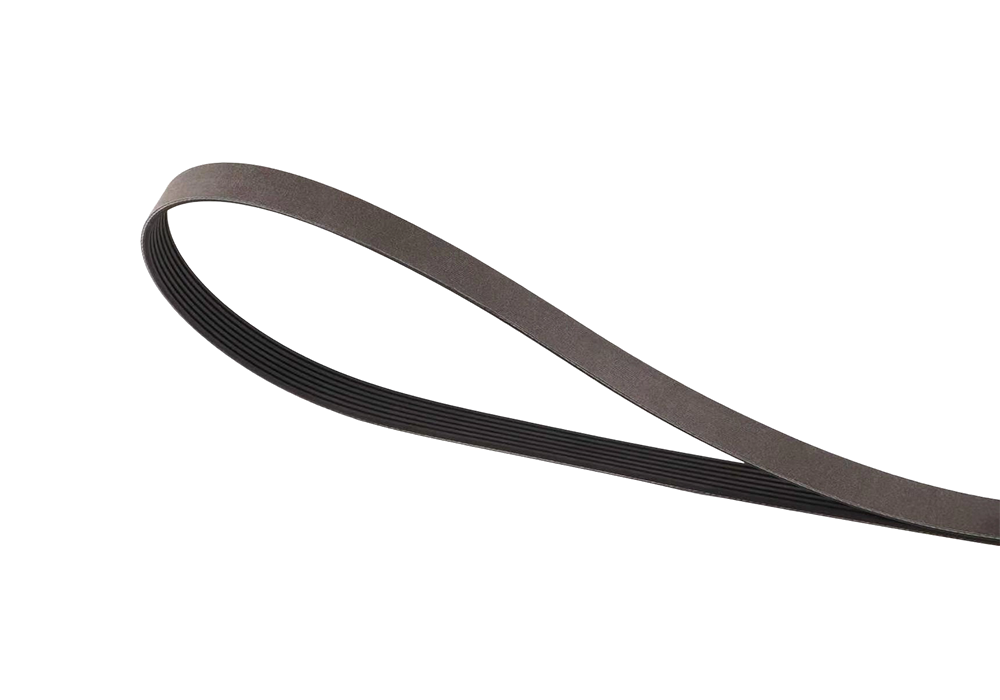
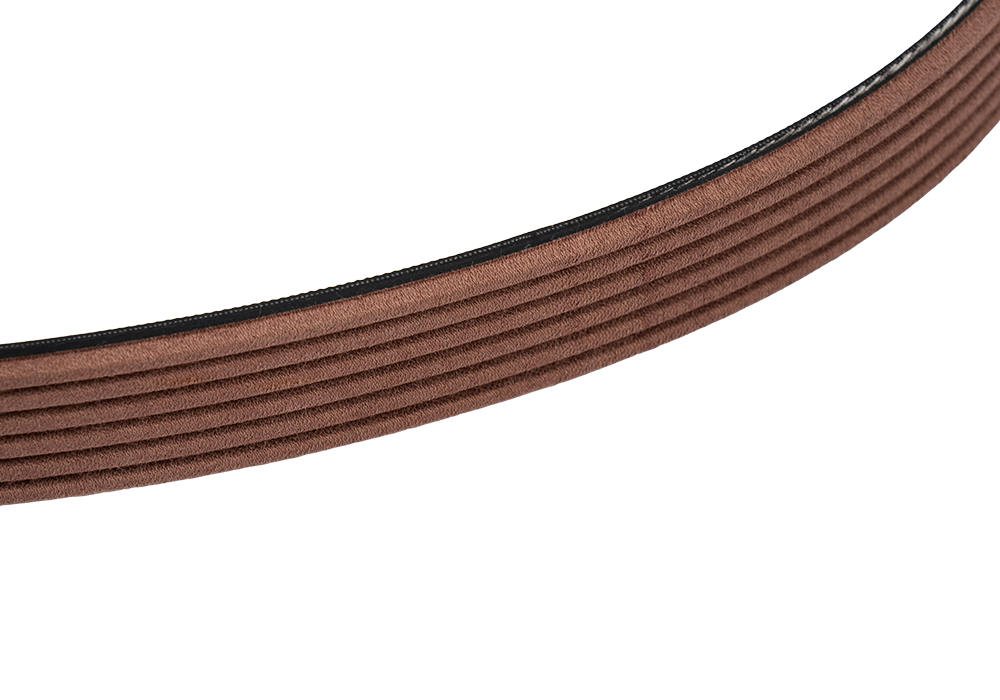
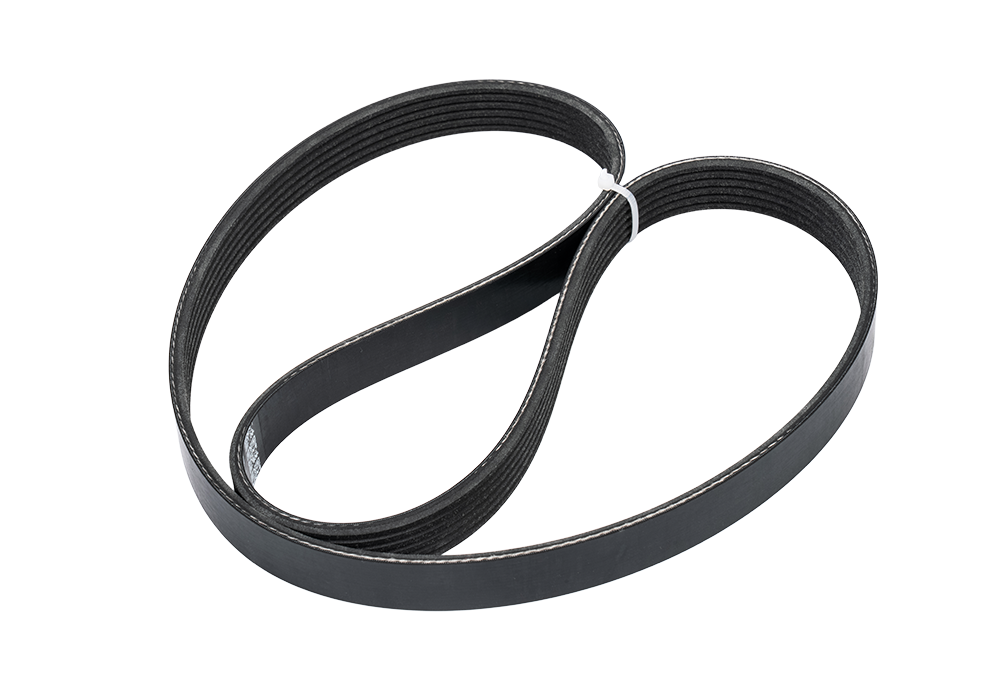
A serpentine drive belt is a wide, flat, flexible band featuring multiple "V"-shaped ribs or grooves running longitudinally along its inner surface. These ribs match the precision-machined grooves of the various pulleys it interacts with, ensuring maximum grip, efficient power transmission, and minimal slippage.
Structurally, advanced drive belts are engineered using high-performance elastomer compounds—such as EPDM (Ethylene Propylene Diene Monomer)—reinforced with high-tensile cords made of polyester, aramid, or fiberglass. This multi-layer construction provides exceptional resistance to high temperatures, oil contamination, and continuous mechanical stress.
To understand how high-grade manufacturing standards impact performance, industry specifications and structural parameters can be compared:
| Performance Parameter |
Standard Rubber Compound Belt |
Advanced EPDM Serpentine Belt |
| Operating Temperature Range |
-30°C to 80°C |
-40°C to 130°C+ |
| Expected Lifespan |
40,000 – 60,000 miles |
80,000 – 100,000+ miles |
| Crack Resistance |
Moderate (prone to dry rot over time) |
High (superior resistance to ozone and heat cracking) |
| Noise Level Over Time |
Prone to squeaking as rubber stiffens |
Maintains flexibility and quiet operation longer |
The Core Functionality in Modern Engineering
The primary job of the Serpentine Drive Belt is to optimize under-hood space and energy efficiency. Decades ago, vehicles utilized multiple separate V-belts to drive individual accessories, leading to bulky engine bays, frequent adjustment requirements, and higher rates of mechanical failure. The transition to a single serpentine layout streamlined engine design.
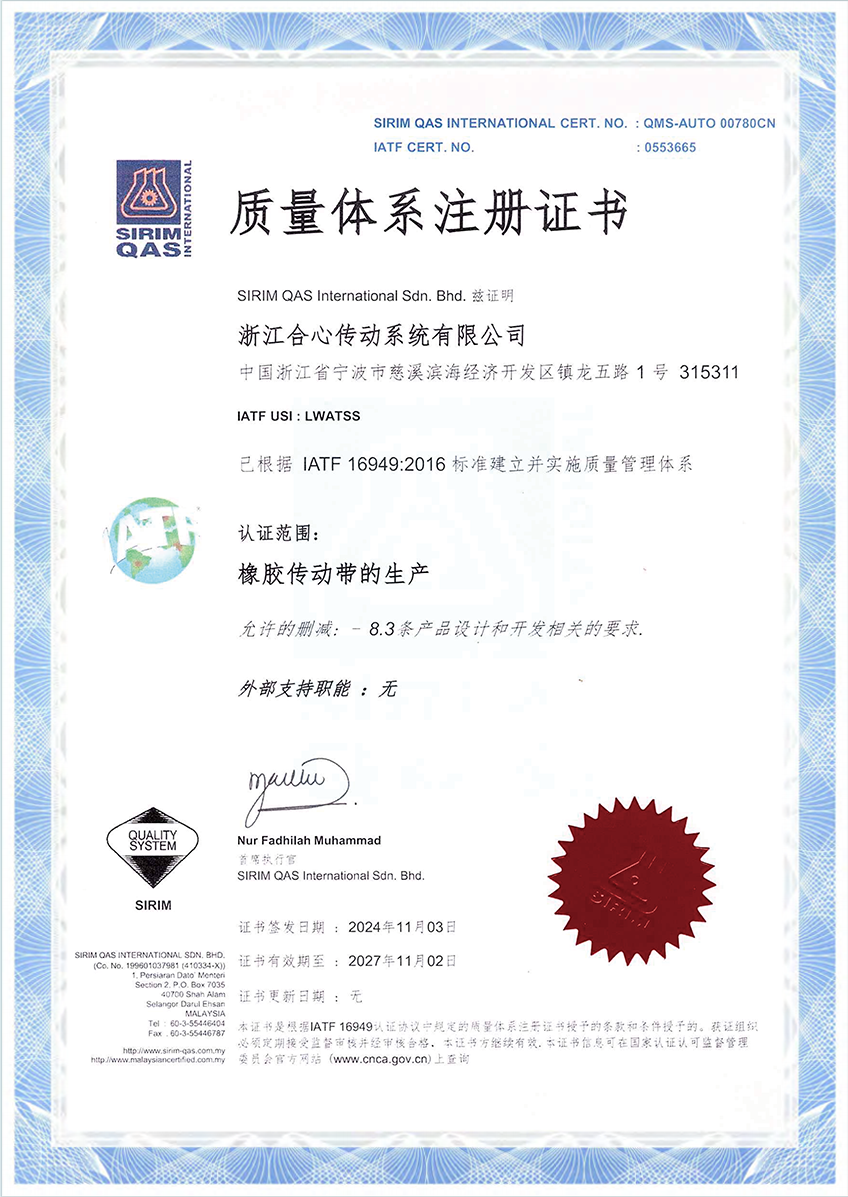
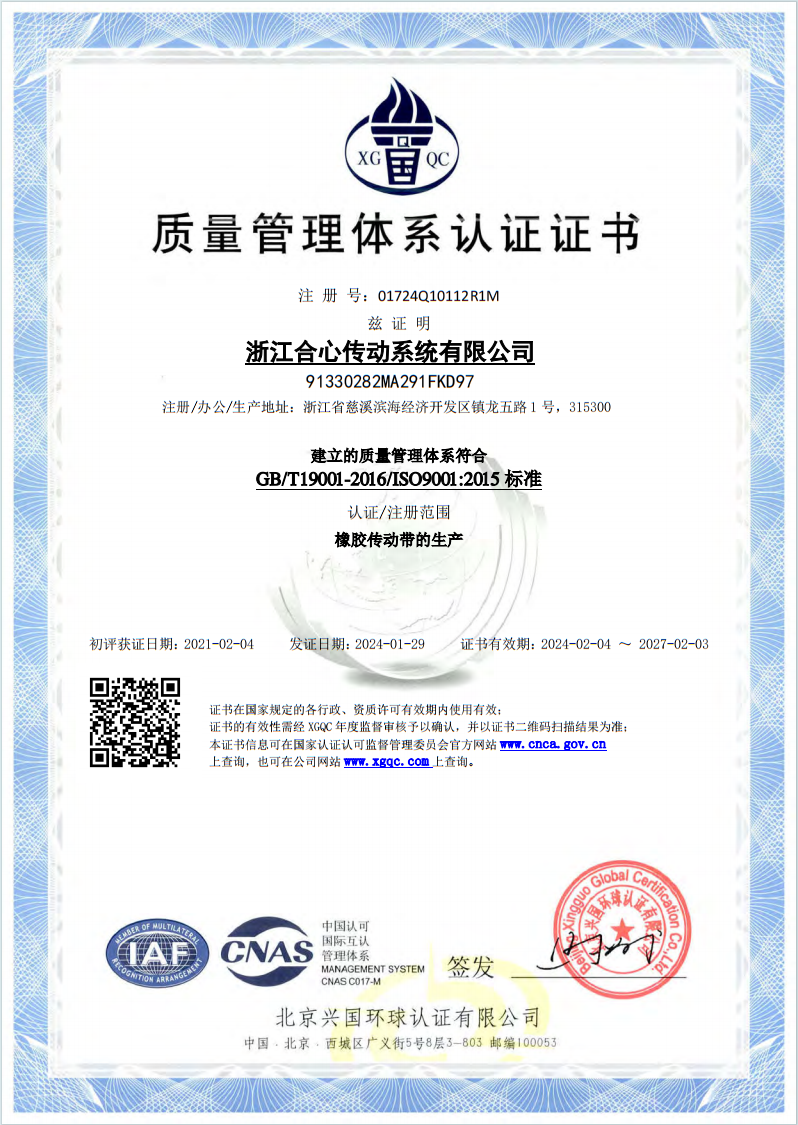
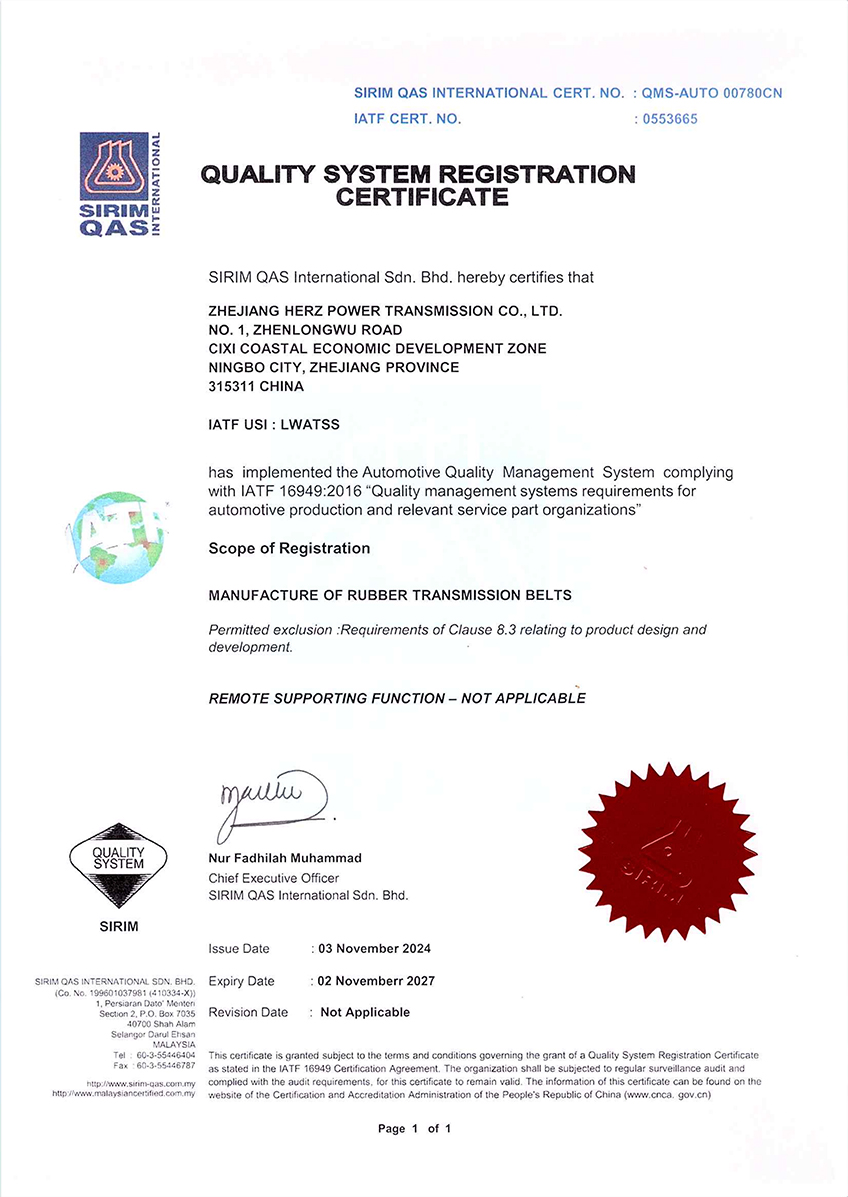
As the engine crankshaft spins, the Serpentine Drive Belt routes power dynamically across a series of accessory pulleys and tensioners. Manufacturing excellence plays a crucial role in ensuring this continuous loop can handle heavy torsional loads without stretching or snapping. Leveraging decades of precision manufacturing expertise, companies like Ningbo Herz Technology Co., Ltd. focus on advanced material formulations to produce high-durability transmission products, including specialized poly-V belts designed to meet strict industrial and automotive tolerances. With a vast production infrastructure spanning over 40,000 square meters and an annual capacity reaching 10 million pieces of various rubber transmission belts, strict quality control ensures that each belt delivers optimal friction coefficients and long-term dimensional stability.
The Evolution: From Multi-Belt Systems to Single-Loop Efficiency
The shift from multi-belt setups to the modern serpentine system revolutionized automotive engineering. In older configurations, if a single belt driving the water pump slipped or snapped, the engine overheated immediately. In contrast, the modern single-belt architecture simplifies maintenance and inspection, as a single component status check reveals the health of the entire accessory drive network.
Maintaining the integrity of this system ensures that energy transfer remains uncompromised. As vehicles evolve with higher electrical loads and tighter engine compartments, the demand for resilient, high-performance power transmission solutions continues to grow, cementing the role of the serpentine belt as an indispensable element of vehicle reliability.
Key Components Powered by Your Vehicle's Engine Accessory System
The efficiency of a modern vehicle depends heavily on how effectively the Serpentine Drive Belt distributes rotational energy from the crankshaft to various auxiliary systems. Each component driven by this continuous loop plays a critical role in vehicle operation, safety, and comfort.
Alternator: Powering the Electrical Grid
The alternator converts mechanical energy from the engine into electrical energy to keep the 12-volt battery fully charged and power all onboard electrical systems—ranging from fuel injectors and engine management computers to headlights, audio systems, and advanced driver-assistance sensors. If the Serpentine Drive Belt slips or fails, the alternator stops generating electricity, forcing the vehicle to run entirely on battery power until it is completely depleted.
Power Steering Pump: Ensuring Precise Control
Hydraulic power steering systems rely on a power steering pump driven directly by the drive belt. This pump pressurizes hydraulic fluid, making it effortless for the driver to turn the steering wheel, especially at low speeds or when parking. In vehicles equipped with electro-hydraulic systems, a steady accessory drive speed is still required to maintain optimal voltage and operational stability.
Water Pump: Managing Engine Thermal Dynamics
Maintaining an optimal operating temperature is essential for preventing catastrophic engine damage. The water pump, typically driven by the Serpentine Drive Belt, circulates coolant continuously through the engine block, cylinder head, and radiator. If the belt breaks, coolant circulation halts immediately, leading to rapid engine overheating, warped cylinder heads, and potential total engine failure.
Air Conditioning Compressor: Climate Control and Defrosting
The A/C compressor is responsible for pressurizing and circulating refrigerant through the climate control system. Beyond keeping the cabin comfortable during extreme weather, the A/C system plays a vital safety role by dehumidifying air to quickly clear windshield condensation and frost.
Accessory System Specifications and Load Parameters
To ensure these critical systems operate without hesitation, the components driving them must withstand significant load variations, rotational speeds, and torque demands. The following parameters highlight the operational requirements of high-performance accessory systems:
| Accessory Component |
Primary Function |
Typical Rotational Speed Range |
Impact of Belt Failure |
| Alternator |
Generates electricity & charges battery |
3,000 to 18,000 RPM |
Immediate battery drain, electrical shutdown |
| Power Steering Pump |
Provides hydraulic steering assistance |
1,000 to 6,000 RPM |
Sudden loss of power assist, heavy steering |
| Water Pump |
Circulates engine coolant for temperature control |
1,500 to 5,000 RPM |
Rapid engine overheating and thermal damage |
| A/C Compressor |
Refrigerant compression for climate and defrost |
1,000 to 4,000 RPM |
Loss of cabin cooling and windshield defogging |
Engineering components that can endure these rigorous rotational demands requires uncompromising material science and strict manufacturing standards. Leveraging advanced production techniques and precision testing instruments, Ningbo Herz Technology Co., Ltd. designs and manufactures high-performance transmission products, including durable poly-V belts engineered to handle high friction and heavy accessory loads smoothly. By maintaining strict quality control across an annual production capacity of 10 million pieces of rubber transmission belts, the company ensures that every drive system component delivers reliable, consistent power transfer under demanding real-world conditions.
Signs of Wear: How to Identify a Failing Serpentine Drive Belt
Because the Serpentine Drive Belt is subjected to constant friction, extreme under-hood heat, and high tension, it naturally degrades over time. Recognizing the early warning signs of belt failure can prevent unexpected roadside breakdowns and costly engine damage.
Visible Cracking and Fraying
A routine visual inspection under the hood is the most effective way to catch belt wear early. As the rubber ages and is exposed to continuous heat cycles, it loses its elasticity.
- Rib Cracking: Look closely at the inner V-ribs. Modern EPDM belts can tolerate minor micro-cracks, but if you notice multiple deep cracks across several ribs within a small span (such as 3 to 4 cracks per inch), the belt requires immediate replacement.
- Fraying and Chunking: Check the outer edges of the Serpentine Drive Belt. Fraying strands, peeling layers, or missing chunks of rubber indicate that the belt is misaligned, rubbing against a pulley flange, or severely deteriorated.
- Glazing: A shiny, glossy appearance on the inner ribs means the belt has been slipping against the pulleys, significantly reducing its friction grip and power-transfer efficiency.
Unusual Noises
Audible cues are often the first indicator that something is amiss with your accessory drive system.
- Squealing or Chirping: A high-pitched squeal upon startup or acceleration usually points to belt slip, often caused by a weak automatic tensioner or a stretched belt.
- Grinding or Growling: A deep growling or metallic grinding noise typically indicates a failing bearing inside the alternator, water pump, idler pulley, or tensioner pulley rather than the belt itself, though a damaged belt can exacerbate pulley strain.
Accessory Failure and Performance Drops
When a Serpentine Drive Belt slips significantly or snaps entirely, the accessories it powers will immediately malfunction or shut down completely:
- Sudden Loss of Power Steering: Making sharp turns becomes remarkably heavy and difficult.
- Electrical Malfunctions: Headlights may dim, interior electronics may flicker, and the battery warning light will illuminate on the dashboard.
- Climate Control Loss: The air conditioning stops blowing cold air instantly.
Engine Overheating
Perhaps the most dangerous symptom of belt failure is a sudden spike in engine temperature. Because the water pump relies entirely on the continuous motion of the Serpentine Drive Belt, a snapped or severely slipping belt halts coolant circulation. Driving even a short distance with a non-functional water pump can warp cylinder heads or seize the engine.
Diagnostic Parameters of Belt Wear and Failure Symptoms
To help vehicle owners and technicians evaluate the severity of wear, the following diagnostic matrix outlines common symptoms, their underlying causes, and associated risk levels:
| Diagnostic Indicator |
Visual or Auditory Sign |
Root Cause |
Risk Level |
| Rib Micro-Cracks |
3+ cracks per linear inch on inner ribs |
Thermal fatigue and rubber aging |
Moderate (Plan replacement soon) |
| Edge Fraying / Delamination |
Loose threads or splitting outer edges |
Pulley misalignment or improper installation |
High (Risk of sudden shredding) |
| Squealing / Chirping Noise |
High-pitched sound during acceleration |
Low belt tension, glazing, or pulley slip |
Moderate to High (Slippage reduces efficiency) |
| Battery Light / Dim Lights |
Electrical accessories failing |
Alternator under-speed due to belt slip |
High (Imminent electrical system failure) |
| Rapid Temperature Spike |
Coolant boiling or engine overheating warning |
Water pump stoppage from broken belt |
Critical (Immediate engine damage risk) |
Ensuring maximum resistance to these failure modes starts with premium material selection. Drawing on decades of manufacturing expertise since 1995, Ningbo Herz Technology Co., Ltd. implements stringent quality assurance standards across its massive 40,000-square-meter production base. By utilizing advanced rubber compounds and precision molding techniques for poly-V and industrial transmission belts, the company minimizes premature cracking, slip tendencies, and heat degradation—delivering dependable performance that keeps vehicles operating safely on the road.
Causes of Premature Belt Failure and Preventative Maintenance
While every Serpentine Drive Belt is engineered to endure thousands of miles of intense mechanical operation, several environmental and mechanical factors can accelerate wear. Understanding these root causes allows vehicle owners and fleet managers to implement effective preventative maintenance strategies, maximizing the lifespan of the entire accessory drive system.
Age and Thermal Degradation
Under-hood temperatures regularly exceed comfortable thresholds, creating an aggressive environment for rubber components. Continuous exposure to high heat cycles hardens and degrades standard rubber compounds over time, leading to loss of flexibility, surface hardening, and deep thermal cracking. Advanced elastomer formulations combat this by maintaining elasticity across a broader thermal spectrum.
Misalignment and Tensioner Issues
The tension of a Serpentine Drive Belt is typically managed by an automatic spring-loaded or hydraulic tensioner, supported by one or more idler pulleys.
- Worn Tensioner Springs: As tensioners age, their internal springs weaken, failing to provide the constant pressure required to keep the belt firmly seated against the pulley grooves. This results in micro-slips, friction-generated heat, and accelerated wear.
- Pulley Misalignment: If a pulley becomes tilted or worn out of alignment due to bearing failure, the belt tracks unevenly, leading to rapid edge fraying, sidewall wear, and premature snapping.
Fluid Contamination
Engine fluids—such as engine oil, power steering fluid, or ethylene glycol coolant—are natural enemies of rubber drive belts. When a leaking gasket or hose sprays fluid onto a running Serpentine Drive Belt, the chemicals swell the rubber compound, break down its structural integrity, and cause it to slip off the pulleys or disintegrate entirely.
Routine Inspection Best Practices
Proactive maintenance is far more cost-effective than emergency roadside repairs. Implementing a structured inspection routine helps catch minor issues before they escalate:
- Mileage Checkpoints: Inspect the accessory drive system every 15,000 to 20,000 miles, and plan for a proactive replacement between 60,000 and 90,000 miles depending on driving conditions.
- Tactile and Visual Testing: Look for glossiness, missing ribs, or oil contamination, and twist the belt slightly to check for hidden cracking in the grooves.
- Component Evaluation: Always check the condition of the automatic tensioner and idler bearings whenever a new belt is installed, as a failing tensioner will quickly destroy a brand-new component.
Maintenance Factors and Comparative Performance Parameters
To evaluate how preventative care and superior material engineering impact longevity, the following comparison details the operational differences between neglected systems and properly maintained, high-durability setups:
| Maintenance & Environmental Factor |
Neglected / Substandard Setup |
Maintained / Premium EPDM Setup |
| Tensioner Condition |
Weakened spring causing belt chatter and slip |
Optimal dynamic tension maintaining firm pulley contact |
| Fluid Exposure Resistance |
Rapid rubber swelling and structural breakdown |
High chemical resistance minimizing degradation risks |
| Inspection Interval |
Reactive (replaced only after failure) |
Proactive (checked every 15k miles, replaced at interval) |
| Average Replacement Window |
30,000 to 45,000 miles (prone to premature failure) |
80,000 to 100,000+ miles of dependable service |
Achieving long-lasting durability in power transmission systems begins at the manufacturing level. Drawing upon a robust foundation in transmission product development since 1995, Ningbo Herz Technology Co., Ltd. applies rigorous testing protocols and advanced material science across its massive 40,000-square-meter production base. By engineering precision-molded poly-V belts and rubber transmission products designed to resist heat fatigue, oil exposure, and mechanical stress, the company helps automotive and industrial sectors maintain reliable, low-maintenance operations under the most demanding conditions.
Step-by-Step Guide to Replacing a Serpentine Drive Belt
Replacing a worn or damaged Serpentine Drive Belt is a manageable maintenance task that can save you from costly mechanic fees and unexpected breakdowns. Having the right tools, safety gear, and a clear understanding of the mechanical layout ensures a smooth and successful installation process.
Tools and Preparation
Before opening the hood, gather the necessary equipment to complete the job safely and efficiently:
- Socket Set and Ratchet: Usually ranging from 3/8-inch to 1/2-inch drives, depending on your vehicle's tensioner bolt size.
- Serpentine Belt Tool or Breaker Bar: Specialized low-profile tools or long breaker bars provide the necessary leverage to release spring-loaded automatic tensioners in tight engine bays.
- Safety Gear: Work gloves and safety glasses to protect against unexpected tensioner snapback or sharp engine components.
- Replacement Belt: Ensure you have the correct length, width, and rib count matching your specific vehicle application.
Locating and Recording the Routing Diagram
Before touching a single pulley, take a moment to understand how the belt is threaded.
- The Routing Schematic: Most vehicles feature an under-hood sticker illustrating the exact path the Serpentine Drive Belt must follow around the alternator, power steering pump, water pump, and idler pulleys.
- Reference Photo: If the sticker is missing or faded, take a clear photo with your smartphone or sketch a quick diagram before removing the old belt. Incorrect routing can cause accessories to spin backward, leading to immediate system failure.
Relieving Tension and Removing the Old Belt
Once you have mapped the layout, follow these steps to remove the worn component:
- Engage the Tensioner: Attach your belt tensioner tool or socket to the bolt on the automatic tensioner pulley.
- Rotate the Tensioner: Carefully rotate the tensioner arm in the direction that relieves spring tension (either clockwise or counterclockwise depending on the engine design).
- Slip the Belt Off: While holding the tensioner in the released position, slide the Serpentine Drive Belt off an easily accessible smooth idler pulley.
- Release and Remove: Slowly let the tensioner arm return to its resting position, then feed the old belt completely off the remaining pulleys.
Installing the New Component
- Inspect Pulleys: Take a quick look at all pulleys while the belt is off, checking for debris, oil residue, or rough bearing spin.
- Thread the New Belt: Loop the new Serpentine Drive Belt around the crankshaft pulley and weave it through the accessory pulleys, following your reference diagram closely. Leave the spring-loaded tensioner pulley for last.
- Lock into Place: Rotate the automatic tensioner arm again to create slack, slip the final section of the belt over the tensioner or idler pulley, and slowly release the tensioner to secure the belt.
- Final Alignment Check: Ensure every single V-rib of the belt is seated precisely within the grooves of every pulley. A misaligned rib will cause immediate shredding upon startup.
Replacement Parameters and Installation Specs
To ensure a successful mechanical replacement, review the following operational parameters and checklist items during the installation procedure:
| Installation Step |
Key Checkpoint / Specification |
Potential Risk of Error |
| Routing Verification |
Match OEM schematic or reference photo |
Accessories run backward, steering/cooling failure |
| Tensioner Release |
Smooth, controlled rotation without binding |
Tool slippage, injury, or tensioner arm damage |
| Rib Seating Check |
All V-grooves aligned perfectly on every pulley |
Instant edge fraying, noise, or belt throwing |
| Post-Install Test |
Idle engine for 2–3 minutes while checking tracking |
Unnoticed slip, squealing, or component wobble |
Achieving peak performance and reliability in power transmission begins with uncompromising manufacturing standards. Operating out of a state-of-the-art 40,000-square-meter production base, Ningbo Herz Technology Co., Ltd. has specialized in the development and production of high-quality transmission products since 1995. With an annual production capacity reaching 10 million pieces of rubber transmission belts—including precision-engineered poly-V belts and industrial solutions—the company utilizes world-class manufacturing equipment and rigorous testing instruments to ensure every product delivers exceptional dimensional stability, friction grip, and long-term operational durability.
Frequently Asked Questions and Technical Insights
To help vehicle owners, mechanics, and fleet operators better understand accessory drive systems and maintenance best practices, here are answers to some of the most common questions regarding the Serpentine Drive Belt:
How long does a typical serpentine drive belt last before needing replacement?
Modern drive belts constructed from advanced EPDM rubber compounds typically last between 80,000 and 100,000 miles. However, lifespan can vary based on driving conditions, climate extremes, and under-hood heat exposure. Regular inspections every 15,000 to 20,000 miles are recommended to catch micro-cracking or edge fraying before unexpected failure occurs.
Can I drive with a frayed or damaged belt, and what are the risks?
Driving with a visibly damaged, cracked, or fraying Serpentine Drive Belt is strongly discouraged. A sudden snap will instantly disable vital vehicle functions, including power steering, alternator charging, and water pump coolant circulation. This can lead to immediate engine overheating, loss of steering control, and a complete electrical shutdown while on the road.
What is the difference between a standard V-belt and a serpentine drive belt?
Older vehicles relied on multiple traditional V-belts, where each individual belt drove a single accessory like the water pump or alternator. In contrast, a modern Serpentine Drive Belt is a single, continuous, wide loop featuring multiple parallel V-ribs that drive all engine accessories simultaneously. This single-loop design streamlines engine architecture, reduces space requirements, and simplifies maintenance routines.
How much does professional replacement usually cost at a mechanic shop?
The total cost for professional replacement typically ranges from $100 to $250, depending on the make and model of the vehicle. This price generally includes both the cost of the replacement belt and labor. If auxiliary components like the automatic tensioner or idler pulleys also require replacement, the total service cost may increase.
Technical Performance and Durability Parameters
To summarize the engineering advantages of utilizing premium-grade transmission components in automotive and industrial applications, the following technical overview highlights key performance metrics:
| Technical Attribute |
Standard Rubber Formulation |
Advanced High-Tensile Poly-V Belt |
| Tensile Cord Material |
Standard polyester |
High-modulus polyester or aramid cord |
| Coefficient of Friction |
Moderate, prone to slip under heavy load |
Optimized high-grip rib design for maximum torque transfer |
| Environmental Tolerance |
Vulnerable to rapid ozone and heat degradation |
Exceptional resistance to heat, ozone, and oil contamination |
| Annual Production Scale |
Varies by manufacturer |
Backed by a 10-million-piece annual manufacturing capacity |
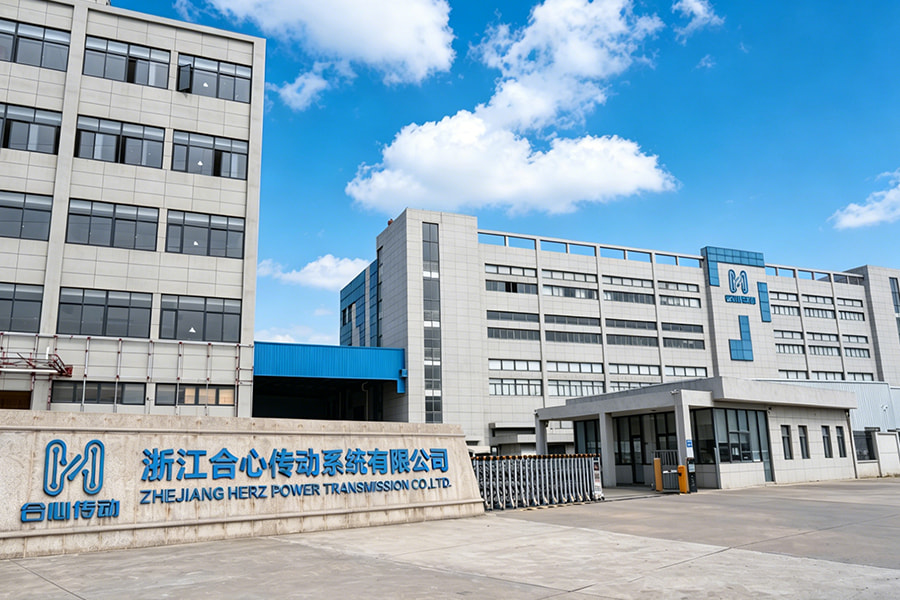
Maintaining high standards in power transmission requires rigorous engineering and dedication to quality. Established in 1995, Ningbo Herz Technology Co., Ltd. operates from a sprawling 40,000-square-meter production facility in Cidong Industrial Development Zone, Cixi City, Zhejiang Province. Equipped with world-class manufacturing machinery and precision testing instruments, the company produces a comprehensive range of rubber transmission belts, including high-performance poly-V belts, industrial V-belts, and automotive timing belts. By continually refining material formulations and manufacturing processes, the company remains dedicated to delivering reliable, world-class transmission solutions that meet rigorous global standards.


 English
 Español
 Português
 عربى
عربى