Mastering Industrial Power Transmission Systems
The Foundation of Mechanical Movement
Industrial power transmission is the backbone of modern manufacturing, acting as the invisible circulatory system that converts raw energy into synchronized mechanical motion. Across factories, assembly lines, and heavy-duty processing facilities, the smooth transfer of kinetic energy from prime movers—such as electric motors or internal combustion engines—to driven machinery dictates overall operational output. Without a robust transmission network, industrial engines would operate in isolation, incapable of performing productive work.
At the microscopic and macroscopic levels, transmission systems manage complex dynamics: transforming high-RPM, low-torque motor output into the high-torque, controlled velocities required by heavy industrial machinery. In this architecture, kinetic energy flows seamlessly through shafts, gearboxes, couplings, and flexible loop systems. Among these, the integration of advanced Industrial Drive Belt solutions ensures that power is delivered with controlled elasticity, dampening vibration and protecting critical gearbox components from sudden shock loads.
The Critical Role of Reliability in Mechanical Design
In modern industrial plants, unexpected equipment downtime represents one of the most severe threats to operational profitability. Facility managers constantly balance production speed against component longevity. When a primary transmission link fails, the cascading effect halts entire production lines, resulting in severe financial losses, missed delivery windows, and costly emergency maintenance.
Selecting the correct drive mechanism is therefore a strategic engineering decision rather than a routine procurement task. High-reliability transmission elements prevent micro-slips, reduce thermal degradation, and maintain consistent tension over extended operational cycles. By engineering systems with superior components, facilities minimize reactionary repairs and establish predictable maintenance schedules. This reliability is heavily anchored in the quality of the transmission media utilized, where high-grade materials resist environmental stressors such as oil, heat, and continuous mechanical fatigue.
Overview of Core Components in Modern Manufacturing
Modern manufacturing environments rely on a diverse spectrum of power transmission systems, each tailored to specific mechanical constraints, load requirements, and speed profiles. Understanding the ecosystem of transmission components allows engineers to optimize machine efficiency and reduce energy waste.
Rigid and Flexible Coupling Systems: Designed to connect shafts while accommodating minor angular, parallel, or axial misalignments.
Gear Trains and Gearboxes: Ideal for high-torque reduction and precise angular synchronization, though rigid and less forgiving of shock loads.
Chain Drives: Utilized in heavy-load, low-speed environments where positive engagement is mandatory, though requiring continuous lubrication.
Friction and Synchronous Belt Systems: Specifically highlighting the versatility of Industrial Drive Belt technology, which bridges the gap between rigid gearing and flexible operation by offering smooth, quiet, and maintenance-friendly power transfer.
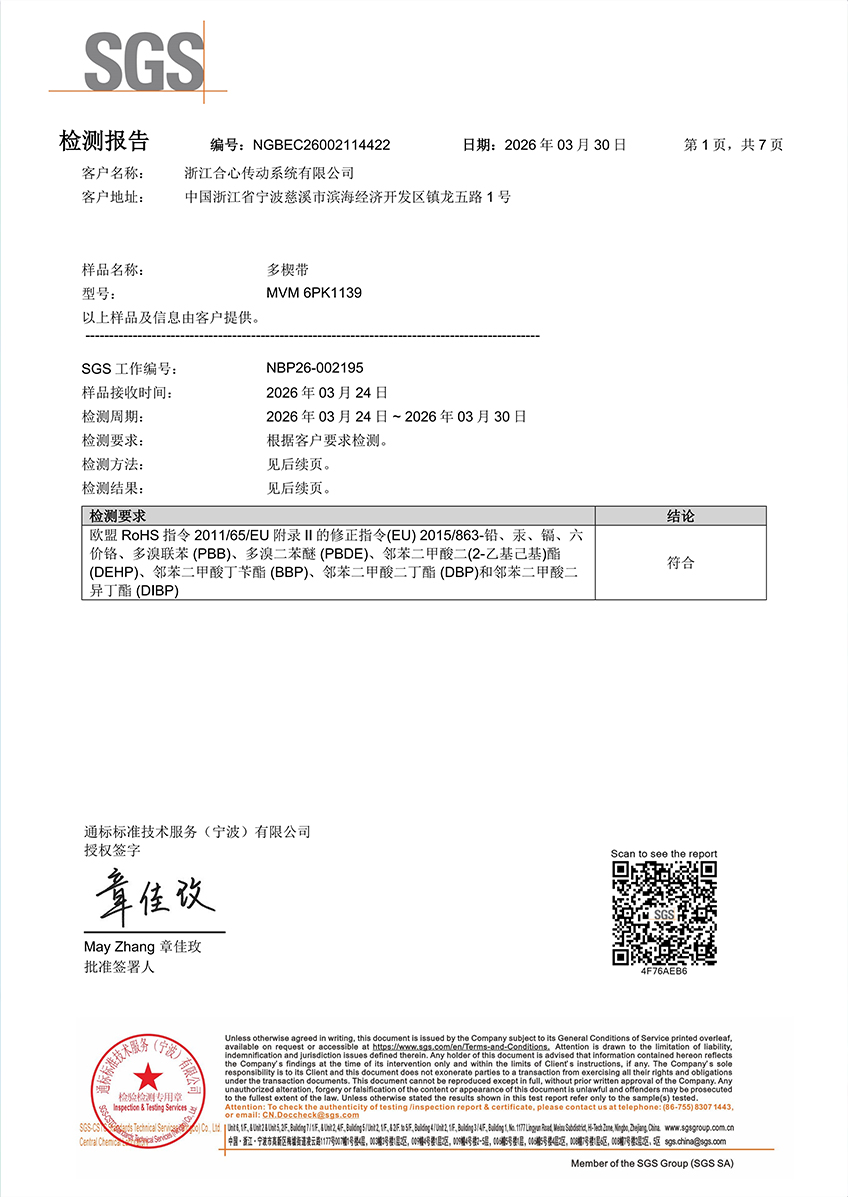
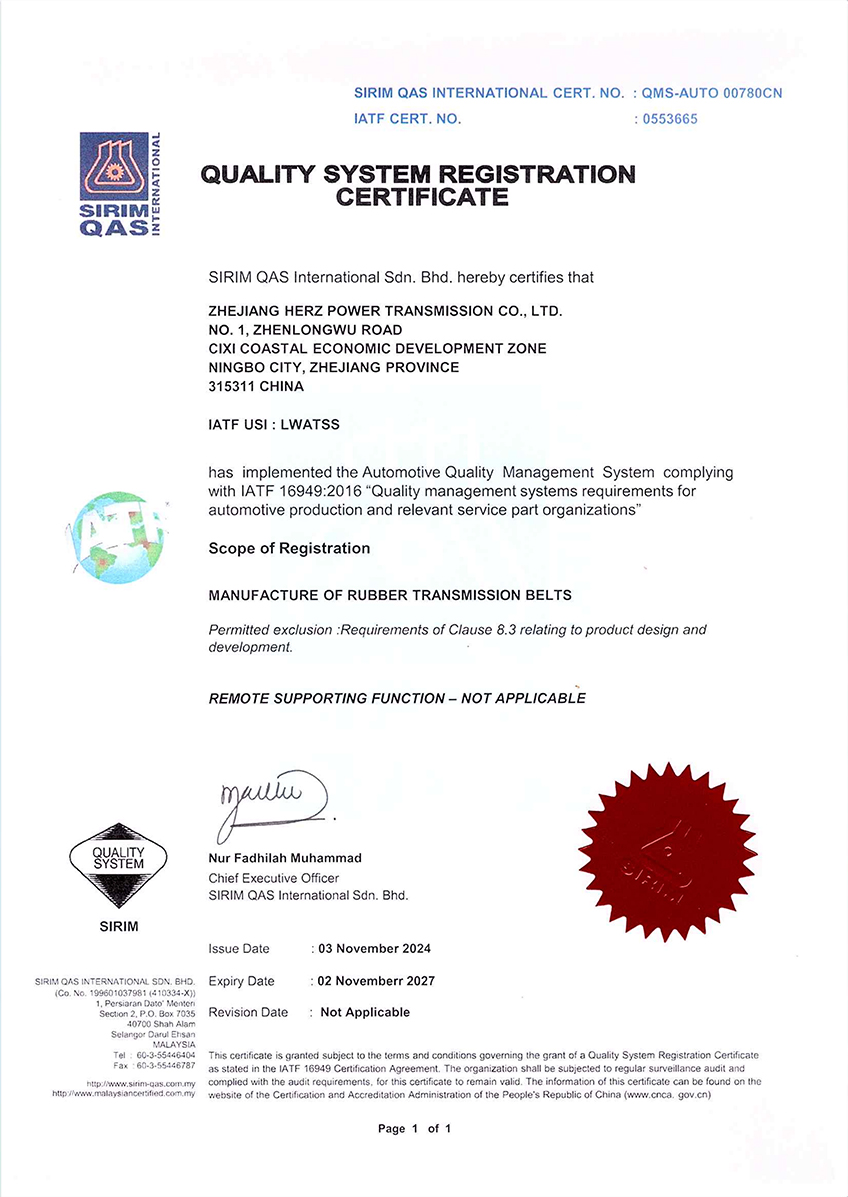
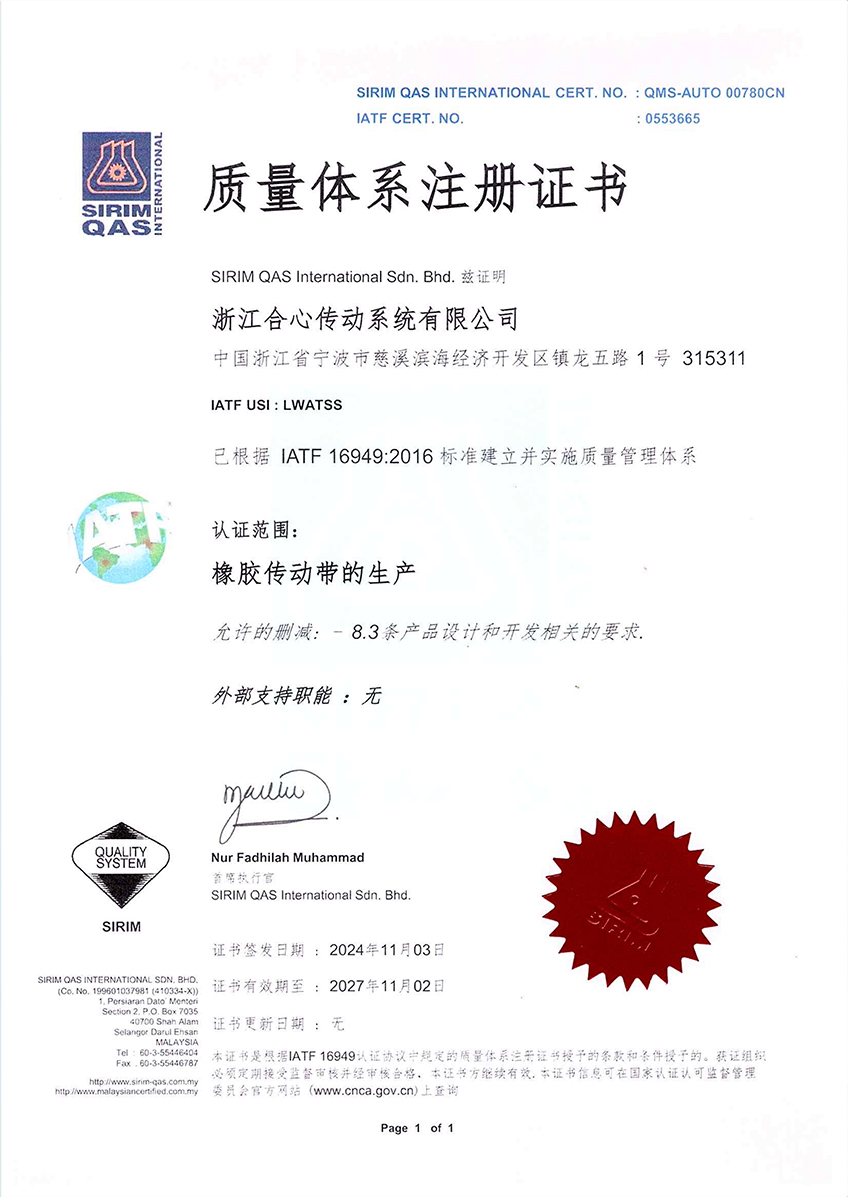
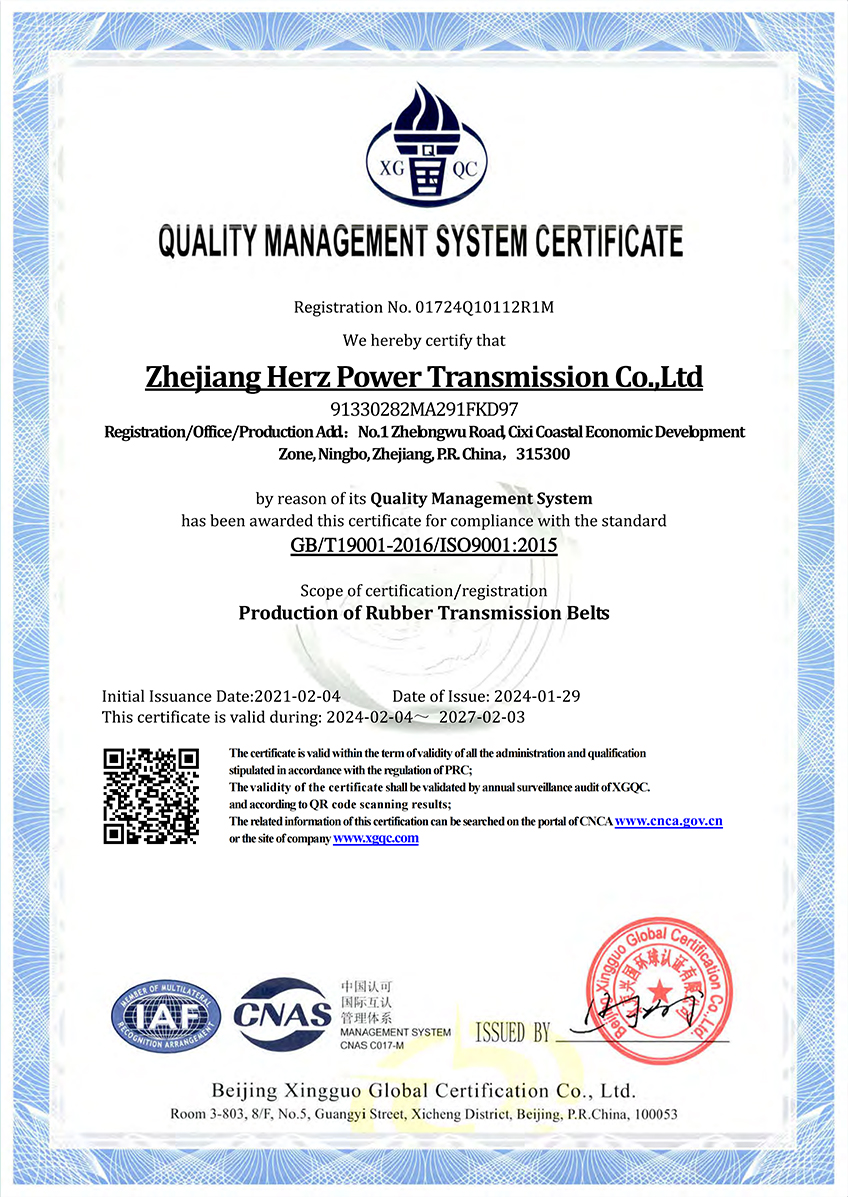
Excellence in power transmission requires precision manufacturing and rigorous quality control. Backed by decades of engineering expertise, Ningbo Herz Technology Co., Ltd. delivers high-performance transmission components designed to maximize uptime and operational efficiency across global industrial sectors.
Comparative Analysis of Industrial Transmission Systems
To assist design engineers in selecting appropriate mechanical systems, the table below outlines major industrial power transmission methods:
| Transmission Type |
Efficiency Percentage |
Max Speed Capability |
Shock Absorption |
Maintenance Requirement |
| Industrial Drive Belt |
94 to 98 percent |
High (Greater than 40 meters per second) |
Excellent |
Low (Periodic tension check) |
| Roller Chain Drive |
95 to 97 percent |
Medium (15 to 20 meters per second) |
Poor to Moderate |
High (Regular lubrication and wear check) |
| Spur Gear Train |
98 to 99 percent |
Very High |
None (Rigid) |
Medium (Enclosed lubrication system) |
| Direct Coupling |
99 percent plus |
Extremely High |
Variable (Depends on insert) |
Low (Alignment monitoring) |
Corporate Commitment to Transmission Excellence
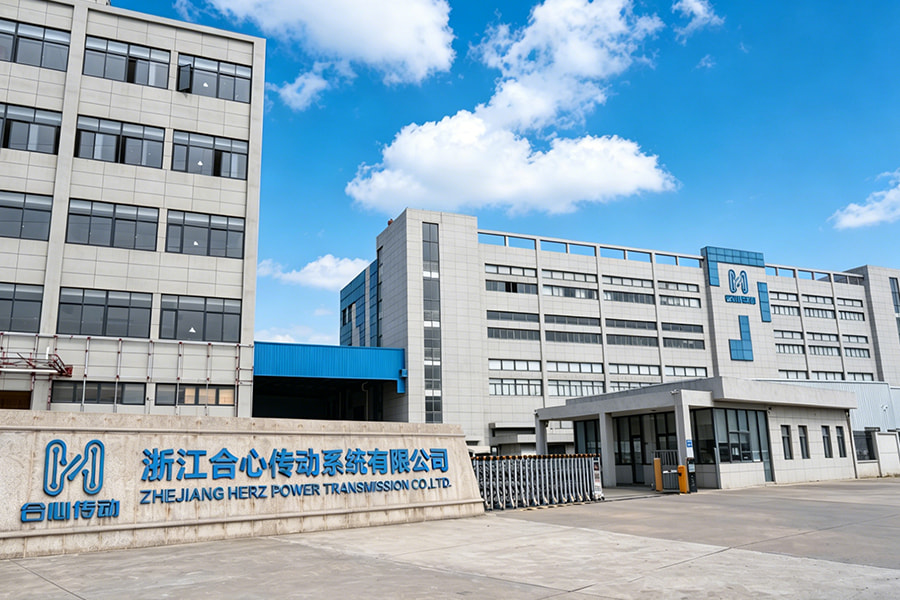
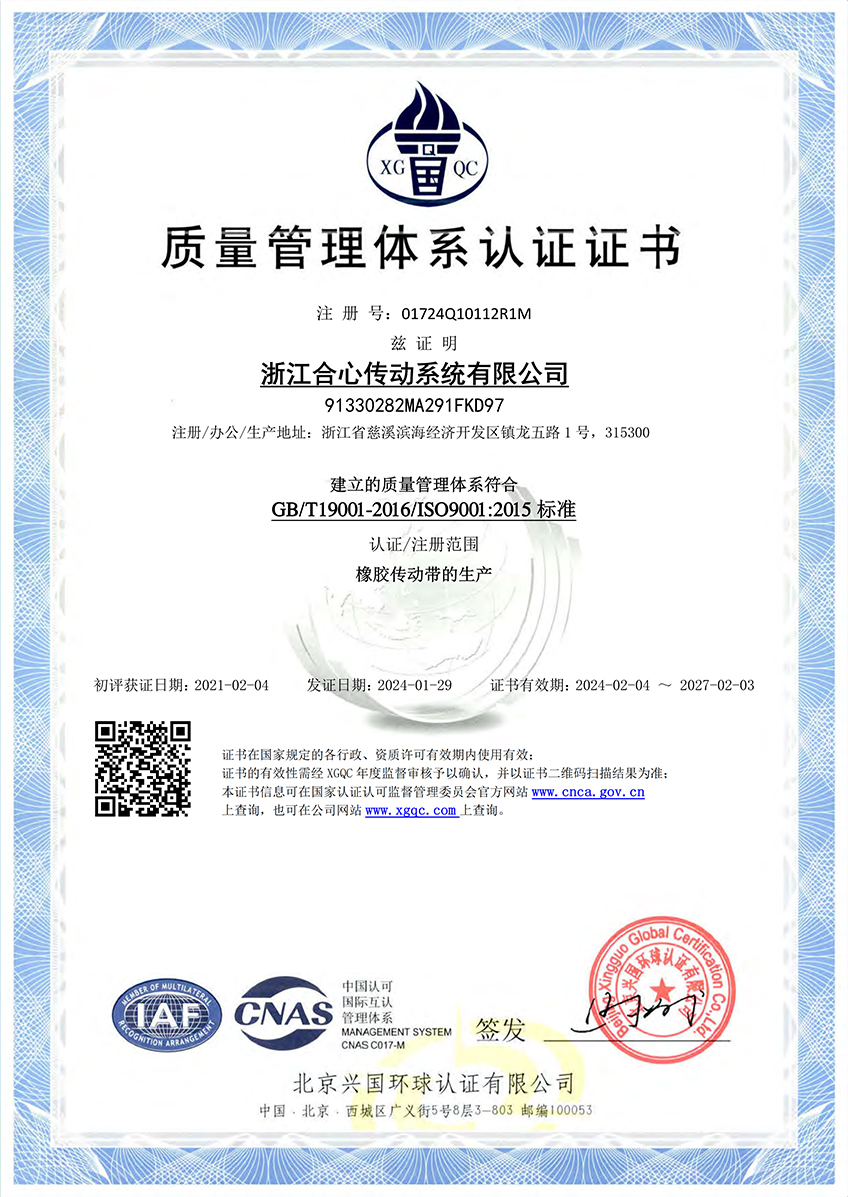
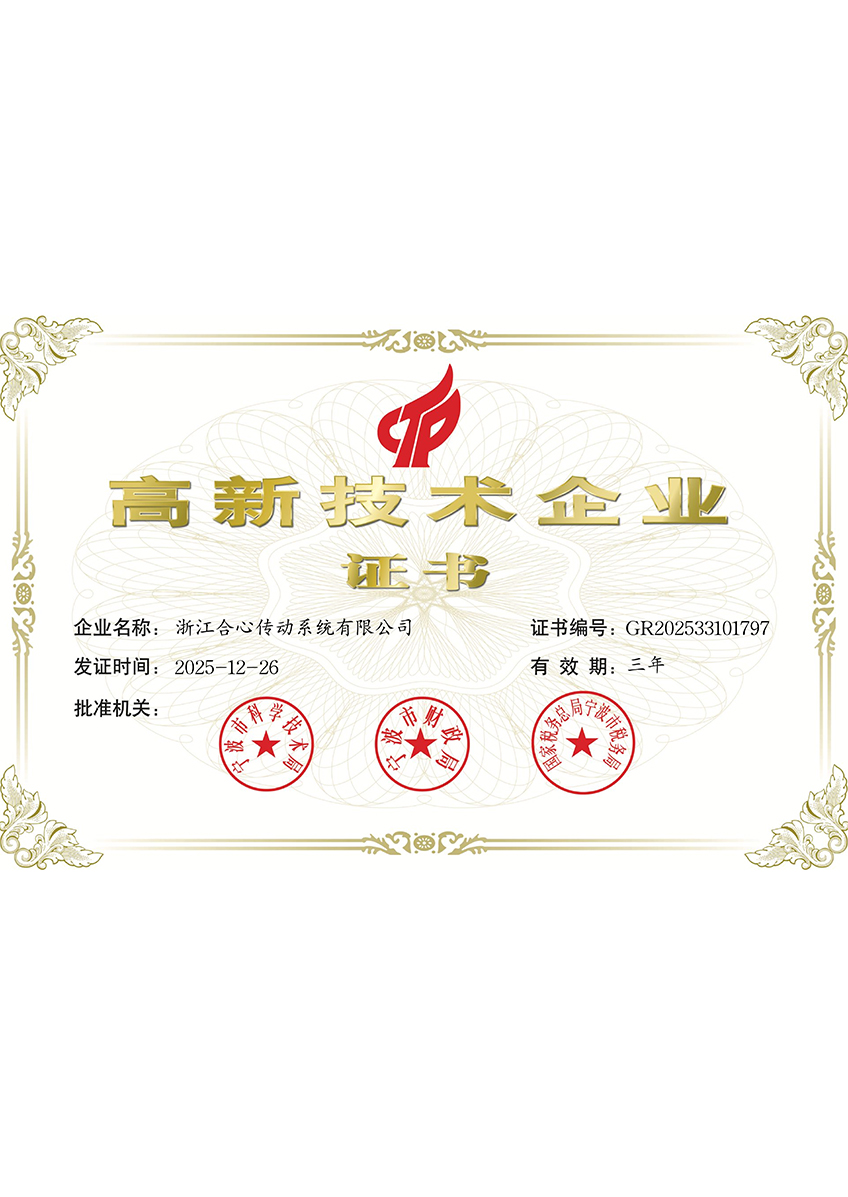
Ningbo Herz Technology Co., Ltd. operates as a specialized subsidiary of Zhejiang Hexin Transmission System Co., Ltd., a premier manufacturer established in 1995 with a deep-rooted commitment to transmission engineering. Located in the Cidong Industrial Development Zone, Cixi City, Zhejiang Province, our expansive 40,000-square-meter production base is outfitted with world-class manufacturing machinery and high-precision testing instruments.
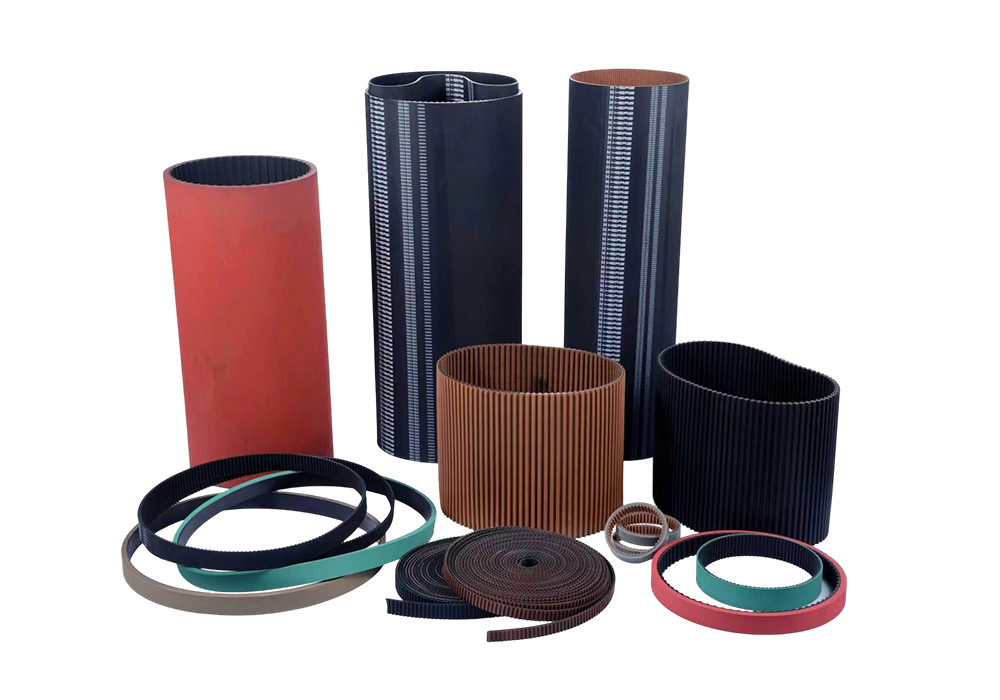
With an annual production capacity reaching 10 million pieces of various high-grade rubber transmission belts, our portfolio comprehensively covers agricultural fabric belts, agricultural edge-cut belts, rubber timing belts, poly-V belts, special belts, industrial V-belts, automotive timing belts, and advanced PU timing belts. Guided by our corporate vision to become a leading global brand in transmission systems, Ningbo Herz Technology Co., Ltd. continues to serve customers worldwide with competitive, highly dependable products that drive industrial progress forward.
Evolution and Mechanics of Industrial Drive Belts
Engineering Principles: Friction, Tension, and Torque Transfer
The fundamental operation of an Industrial Drive Belt relies on the precise interplay between friction, tension, and torque transfer. Unlike rigid gear trains that rely on positive tooth engagement, friction-based belts transmit rotational force through the frictional grip established between the contact surface of the belt and the pulley rim. When the driver pulley rotates, it creates a tension differential between the tight side and the slack side of the belt loop. This tension gradient enables the continuous transfer of mechanical power across varying distances without requiring rigid shaft-to-shaft alignment.
To maintain continuous power delivery without slipping under load, optimal initial installation tension is vital. Insufficient tension leads to excessive slippage, thermal degradation, and rapid surface wear, whereas over-tensioning places undue stress on shaft bearings and shortens the operating life of both the belt and its supporting mechanical assemblies.
Material Science Advancements
The performance boundaries of modern power transmission have been radically reshaped by advances in material science. Traditional drive systems relied heavily on simple leather or canvas configurations, which were highly susceptible to environmental humidity, stretching, and rapid thermal breakdown.
Today's high-performance Industrial Drive Belt options utilize advanced engineered polymers, high-grade polychloroprene (neoprene) rubber, EPDM, and polyurethane matrices. These chemical formulations are reinforced with high-tensile core cords made from aramid, polyester, or fiberglass. These structural reinforcements provide exceptional dimensional stability, high load-bearing capacity, and near-zero elongation under heavy operational loads.
To demonstrate the material evolution and performance capabilities offered by industry leaders, the following parameter comparison outlines typical characteristics across modern belt material classifications:
| Material Classification |
Tensile Strength |
Temperature Range |
Resistance to Oil and Chemicals |
Typical Application Focus |
| Standard Neoprene Rubber |
Moderate to High |
Minus 40 degrees Celsius to plus 70 degrees Celsius |
Moderate |
General industrial machinery, agricultural drives |
| High-Performance EPDM |
High |
Minus 50 degrees Celsius to plus 120 degrees Celsius |
Good |
High-temperature environments, automotive systems |
| Polyurethane with Steel or Aramid Cord |
Very High |
Minus 30 degrees Celsius to plus 80 degrees Celsius |
Excellent |
Synchronous high-precision drives, robotics, automation |
| Specialized Fabric-Wrapped Compounds |
High |
Minus 35 degrees Celsius to plus 90 degrees Celsius |
Superior |
Heavy-duty industrial V-belts, high shock-load drives |
Efficiency Metrics and Operational Dynamics
Minimizing energy loss is a primary objective in contemporary facility design. Modern Industrial Drive Belt engineering achieves mechanical efficiencies ranging consistently between 94 and 98 percent under optimal operating conditions. This high level of efficiency is maintained by optimizing cross-sectional profiles to reduce internal flexing resistance as the belt bends around tight pulley diameters.
Furthermore, advanced manufacturing techniques ensure uniform cross-sectional density, eliminating mass imbalances that cause high-speed vibration and centripetal distortion. By reducing slip and optimizing energy transfer, these systems help manufacturing plants cut down on electricity consumption and lower operating temperatures.
Manufacturing Precision and Quality Assurance
At Ningbo Herz Technology Co., Ltd., we understand that the mechanical integrity of an Industrial Drive Belt depends entirely on uncompromising production standards. Operating from our expansive 40,000-square-meter production base in the Cidong Industrial Development Zone, Cixi City, Zhejiang Province, we utilize world-class manufacturing equipment and precision testing instruments to monitor every phase of production.
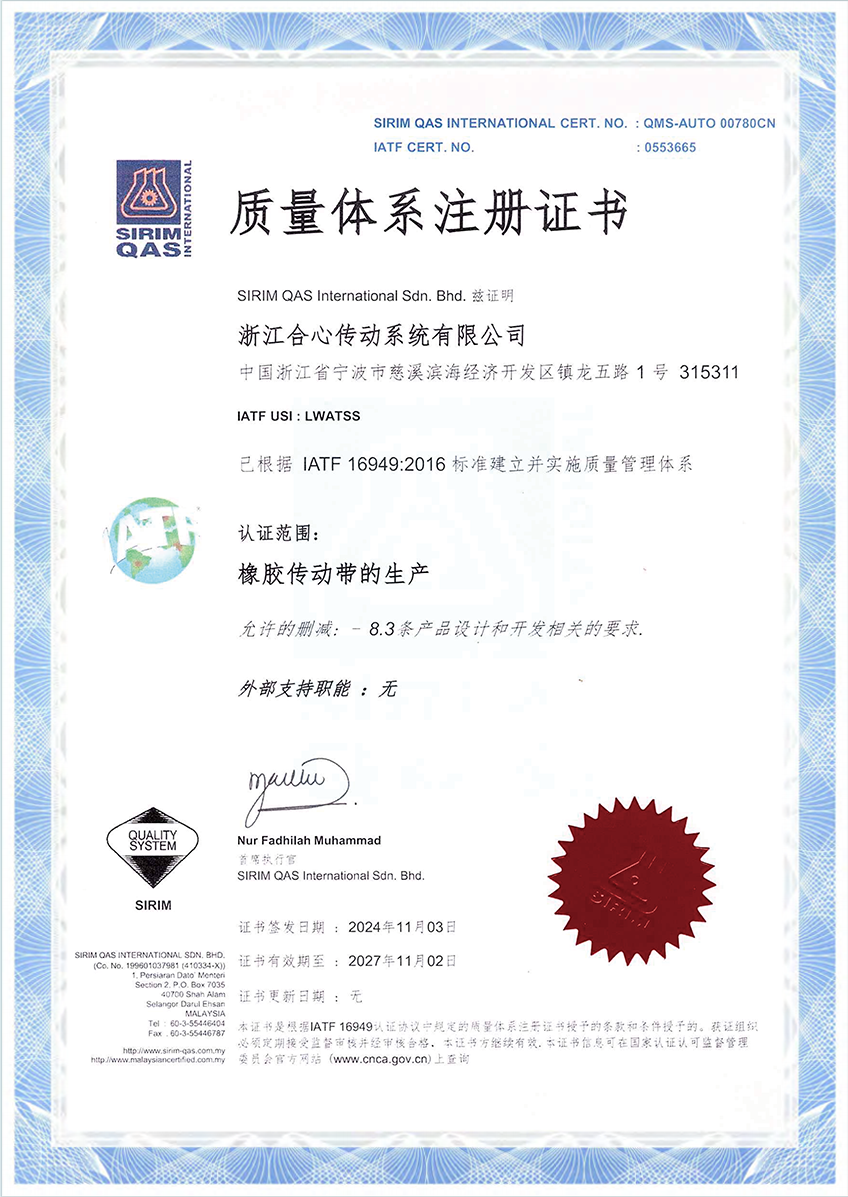
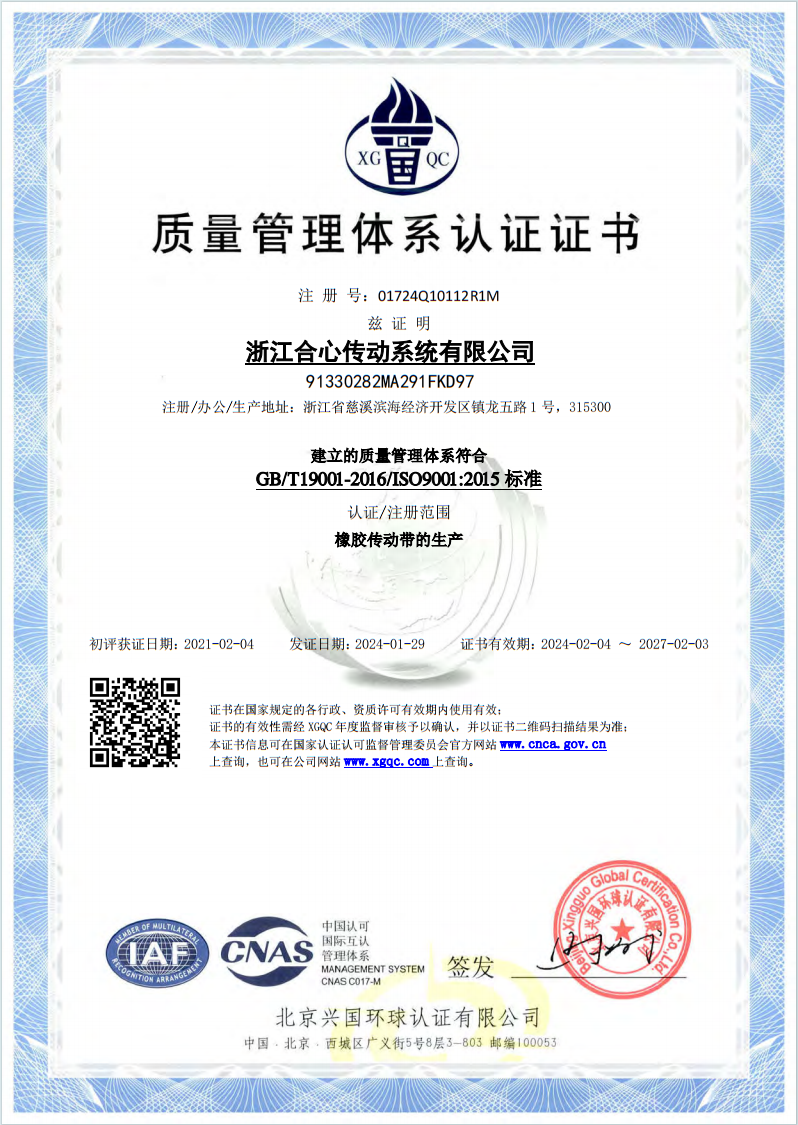
As a trusted subsidiary of Zhejiang Hexin Transmission System Co., Ltd., which has specialized in transmission engineering since 1995, our production lines incorporate rigorous quality control protocols. Each batch of our 10 million annual production capacity undergoes strict testing for tensile strength, elongation limits, and thermal endurance. Whether engineering standard configurations or specialized components, Ningbo Herz Technology Co., Ltd. ensures that every transmission product delivers dependable performance, reduced maintenance overhead, and maximum operational uptime for global industrial machinery.
Deep Dive into Industrial Flat Drive Belts
Characteristics and Design
Industrial Flat Drive Belts represent one of the oldest yet most efficient forms of mechanical power transmission. Characterized by their streamlined, low-profile cross-section, high flexibility, and wide surface contact area, these belts operate by resting flat against the face of cylindrical pulleys. Unlike profiled or toothed alternatives, the power-transmitting capability of an Industrial Flat Drive Belt is derived from the high frictional grip and uniform tension distribution across the entire width of the belt against the pulley face.
Modern flat belt architecture typically features a multi-layer composite construction. This usually comprises a high-strength traction layer—such as polyamide, aramid, or woven polyester cord—sandwiched between outer friction covers made of specialized elastomers, chrome leather, or high-friction rubber compounds. This composite design provides exceptional lateral stability, high tensile strength, and minimal stretch, allowing the belt to transmit substantial power smoothly at high linear speeds without excessive centrifugal distortion.
Ideal Operational Scenarios
Due to their unique structural profile, Industrial Flat Drive Belts excel in specialized operational environments where conventional V-belts or gear trains encounter limitations:
High-Speed, Low-Load Applications: Capable of operating at extreme linear speeds exceeding 60 meters per second, making them ideal for high-RPM drives.
Small Pulley Diameters: Their extreme flexibility allows them to wrap around compact pulley configurations without inducing severe internal bending stresses or material fatigue.
Precision Machinery and Printing Presses: Widely utilized in paper-handling equipment, textile machinery, and printing presses where smooth, vibration-free rotational motion is critical to prevent surface blemishes or registration errors.
Multi-Pulley and Tangential Drives: Perfect for systems where a single continuous belt must drive multiple spindles or pulleys simultaneously, such as in textile spinning frames.
Advantages Over Alternative Systems
Implementing high-grade flat belt technology offers distinct engineering and operational benefits across industrial facilities:
Smooth Power Delivery: The absence of V-ribs or teeth eliminates chordal action and pulsing, resulting in ultra-smooth power transmission and superior surface finish quality on manufactured goods.
Minimal Vibration and Noise: Operating with significantly less noise and mechanical vibration compared to chain drives or rough gear meshing, contributing to a safer and quieter workplace.
High Operational Efficiency: Because they generate minimal internal hysteresis during flexing, flat belts frequently achieve mechanical efficiencies exceeding 98 percent.
Versatility in Shaft Layouts: Capable of handling twisted drives, back-bend idlers, and complex pulley arrangements that would rapidly degrade stiffer transmission components.
Parameter Comparison: Flat Belts vs. Other Belt Types
To assist mechanical designers in selecting the optimal transmission media, the parameter comparison below outlines the operational boundaries of Industrial Flat Drive Belts relative to other common belt configurations:
| Performance Parameter |
Industrial Flat Drive Belts |
Standard Industrial V-Belts |
Synchronous Timing Belts |
| Max Operating Speed |
Extremely High (Greater than 60 meters per second) |
Moderate (Up to 30 meters per second) |
Moderate (Up to 30 meters per second) |
| Mechanical Efficiency |
97 to 99 percent |
94 to 96 percent |
97 to 98 percent |
| Bending Flexibility |
Exceptional (Suits small pulleys) |
Moderate |
Lower (Limited by tooth pitch) |
| Noise Level at High Speed |
Very Low |
Low to Moderate |
Moderate (Whine at high RPM) |
| Synchronization |
Friction-based (Slip tolerance) |
Friction-based (Slip tolerance) |
Positive engagement (Zero slip) |
Manufacturing Excellence at Ningbo Herz Technology Co., Ltd.
Producing high-performance Industrial Flat Drive Belts requires precise control over composite bonding, layer thickness uniformity, and surface friction coefficients. At Ningbo Herz Technology Co., Ltd., we leverage decades of accumulated manufacturing expertise inherited from our parent company, Zhejiang Hexin Transmission System Co., Ltd., established in 1995.
Situated in the Cidong Industrial Development Zone, Cixi City, Zhejiang Province, our advanced 40,000-square-meter production facility houses world-class manufacturing machinery and rigorous testing laboratories. Part of our expansive annual production capacity of 10 million transmission components is dedicated to engineering reliable, high-durability flat and specialty belt solutions. By combining strict quality assurance protocols with innovative polymer chemistry, Ningbo Herz Technology Co., Ltd. ensures that every industrial drive solution delivers flawless performance, extended service intervals, and maximum productivity for our global partners.
Exploring Industrial Power Transmission Belts
Categorizing the Spectrum
The domain of power transmission extends far beyond flat profiles, encompassing a diverse ecosystem of specialized drive elements designed to address specific mechanical requirements. Understanding this spectrum is vital for engineers designing modern machinery. Alongside Industrial Flat Drive Belts, the broader category includes:
V-Belts (Classical and Narrow Wedges): Featuring a trapezoidal cross-section that wedges into pulley grooves, significantly increasing frictional grip and torque capacity under heavy loads.
Ribbed (Poly-V) Belts: Combining the high flexibility of flat belts with the high-traction grip of multiple V-shaped ribs, allowing for compact drives with large speed ratios.
Synchronous Timing Belts: Engineered with precise teeth that mesh with corresponding pulley grooves, providing positive, non-slip engagement for applications requiring exact angular synchronization and timing.
High-Load and Heavy-Duty Applications
In demanding industrial environments, power transmission systems must withstand continuous shock loads, abrasive dust, and extreme physical stresses. Industrial Power Transmission Belts are engineered to handle the rigorous demands of heavy machinery such as:
Industrial Crushers and Grinders: Handling massive inertial resistance and severe shock loads in mining and aggregate processing.
Large Compressors and Pumps: Delivering steady, high-torque rotational power under continuous 24/7 operating cycles.
Heavy Conveyor Systems: Transporting bulk materials across long distances in manufacturing plants, ports, and logistics hubs.
Agricultural Machinery: Powering heavy threshing, harvesting, and processing equipment under harsh outdoor conditions.
Matching Belts to Specific Machinery
Selecting the appropriate power transmission belt requires a meticulous evaluation of operating parameters. Engineers must analyze several critical factors to ensure optimal system performance and longevity:
Load Capacity and Torque Requirements: Matching the belt's tensile strength and cross-sectional profile to peak operational loads and motor horsepower.
Shaft Alignment and Center Distance: Ensuring proper geometry to minimize lateral friction, edge wear, and bearing fatigue.
Environmental Factors: Evaluating exposure levels to ambient temperatures, moisture, oil, and chemical contaminants, which dictate the necessary elastomer compound such as specialized rubber or polyurethane.
Parameter Comparison: Major Industrial Power Transmission Belts
To assist mechanical design teams in evaluating options for diverse industrial machinery, the parameter comparison below outlines the characteristics of key belt configurations:
| Belt Category |
Primary Design Feature |
Key Advantage |
Best Suited Application |
| Industrial Flat Drive Belts |
Streamlined low-profile tension layer |
Ultra-high linear speed, minimal noise |
High-speed printing presses, textile spindles |
| Industrial V-Belts |
Trapezoidal wedge profile |
High torque transmission, self-seating grip |
General factory machinery, heavy compressors |
| Poly-V Ribbed Belts |
Multiple parallel V-ribs on flat backing |
Combines flexibility with high power density |
Multi-accessory drives, high-ratio machinery |
| Synchronous Timing Belts |
Positive engagement teeth |
Zero slip, exact phase synchronization |
Robotics, automated assembly lines, CNC drives |
Engineering Precision at Ningbo Herz Technology Co., Ltd.
Delivering dependable performance across this wide spectrum of applications requires world-class manufacturing capabilities. At Ningbo Herz Technology Co., Ltd., we leverage decades of engineering excellence inherited from our parent company, Zhejiang Hexin Transmission System Co., Ltd., established in 1995.
Located in the Cidong Industrial Development Zone, Cixi City, Zhejiang Province, our state-of-the-art production base spans over 40,000 square meters and is equipped with cutting-edge manufacturing machinery and high-precision testing instruments. With an annual production capacity of 10 million pieces, our comprehensive product portfolio covers agricultural fabric belts, agricultural edge-cut belts, rubber timing belts, poly-V belts, special belts, industrial V-belts, automotive timing belts, and advanced PU timing belts. Guided by our commitment to delivering competitive, high-quality transmission solutions, Ningbo Herz Technology Co., Ltd. continues to empower global industrial machinery with unmatched reliability and efficiency.
Maintenance, Troubleshooting, and Maximizing Lifespan
Preventative Maintenance Protocols
Establishing a rigorous preventative maintenance schedule is essential for maximizing the operational longevity of any Industrial Drive Belt or broader Industrial Power Transmission Belts system. Routine upkeep prevents catastrophic mechanical failures and sudden line stoppages. Key preventative protocols include:
Regular Inspection Schedules: Conducting visual and physical checks weekly or monthly to detect early signs of surface glazing, cracking, or edge fraying.
Tension Verification: Utilizing tension-measuring gauges to ensure belts operate within manufacturer-recommended deflection limits, preventing both slip-induced heat and excessive bearing load.
Alignment Checks: Verifying pulley and shaft parallel alignment using laser or optical alignment tools to eliminate uneven side-wall wear.
Cleanliness Maintenance: Keeping drive enclosures free from dust, oil, and chemical debris that can degrade elastomeric compounds.
Common Failure Modes and Diagnostic Guide
Identifying the root cause of premature belt degradation allows maintenance teams to correct underlying mechanical issues before they recur. The diagnostic breakdown below outlines common failure modes and their corrective actions:
| Failure Mode |
Primary Visual Symptom |
Root Cause |
Corrective Action |
| Premature Belt Slip |
Squealing noise, burnt rubber smell, smooth pulley groove floors |
Insufficient initial tension, oil or grease contamination |
Re-tension drive to specification, clean pulleys, remove contaminants |
| Excessive Edge Wear |
Frayed edges, cord exposure on one side |
Misaligned pulleys, bent shafts, incorrect belt width |
Re-align pulleys using laser tools, replace damaged shafts |
| Severe Cracking |
Deep cracks across the back or underside of the belt |
Extreme ambient temperatures, small pulley diameters |
Switch to high-temp resistant compounds, re-engineer pulley sizing |
| Premature Stretching |
Belt rides too deep in groove, unable to adjust tension further |
Overloading, thermal softening, sub-standard cord integrity |
Reduce operational load, upgrade to high-tensile aramid or steel core belts |
Best Practices for Installation
Proper installation techniques directly dictate the operational efficiency and service life of any Industrial Drive Belt. Mechanics must always follow standardized installation guidelines:
Never Pry Belts On: Prying or rolling a belt onto tight pulleys using screwdrivers or sharp tools damages internal tensile cords and weakens structural integrity. Always retract motor mount bases or loosen take-up pulleys to slip belts on smoothly.
Matched Sets Compliance: When installing multi-belt drives such as multiple V-belts in parallel, always use factory-matched sets from the same production batch to ensure identical length and uniform load distribution.
Pulley Groove Maintenance: Inspect pulley grooves for wear, pitting, or burrs prior to installation, as worn pulley walls will rapidly chew through new transmission media.
Quality and Reliability Assurance at Ningbo Herz Technology Co., Ltd.
Ensuring long service intervals and minimizing maintenance overhead begins with selecting premium transmission components engineered for durability. At Ningbo Herz Technology Co., Ltd., we combine decades of manufacturing expertise inherited from our parent company, Zhejiang Hexin Transmission System Co., Ltd., established in 1995.
Operating from our advanced 40,000-square-meter production base located in the Cidong Industrial Development Zone, Cixi City, Zhejiang Province, we utilize world-class manufacturing machinery and high-precision testing instruments. Supporting an annual production capacity of 10 million pieces, our extensive product catalog—featuring agricultural fabric belts, agricultural edge-cut belts, rubber timing belts, poly-V belts, special belts, industrial V-belts, automotive timing belts, and advanced PU timing belts—is rigorously tested to withstand demanding industrial environments. By adhering to strict quality control standards, Ningbo Herz Technology Co., Ltd. delivers robust power transmission solutions designed to reduce downtime and ensure continuous operational excellence for our partners worldwide.
Frequently Asked Questions (FAQ)
What is the primary difference between an Industrial Flat Drive Belt and a V-Belt?
The fundamental difference lies in their cross-sectional profile and power-transmission mechanism. An Industrial Flat Drive Belt features a streamlined, flat profile that relies on wide surface contact and high frictional grip across cylindrical pulleys, making it ideal for ultra-high linear speeds and compact pulley setups. In contrast, a V-belt utilizes a trapezoidal wedge cross-section that locks into matching pulley grooves, providing higher torque capacity and self-seating grip under heavier mechanical loads.
How often should industrial drive belts be inspected or replaced?
Under standard operating conditions, visual and physical inspections should be conducted on a monthly basis to check for surface glazing, edge fraying, or cracking. In heavy-duty or continuous 24/7 operating environments, weekly checks are recommended. While preventative replacement schedules vary based on load intensity and ambient temperatures, high-quality transmission components engineered with advanced elastomer compounds can provide extended service life before requiring scheduled replacement.
What causes premature belt slip, and how can it be corrected?
Premature belt slip is typically caused by insufficient initial installation tension, worn or polished pulley groove floors, or surface contamination from oil, grease, and industrial chemicals. Corrective actions include re-tensioning the drive system to manufacturer specifications using tension-measuring gauges, thoroughly cleaning the pulleys with appropriate degreasers, and ensuring the drive enclosure remains free from external contaminants.
Can industrial power transmission belts operate in extreme temperatures?
Yes, provided that the appropriate material compound is selected. Standard neoprene rubber belts generally operate effectively within a temperature range of minus 40 degrees Celsius to plus 70 degrees Celsius. However, for extreme operating environments, specialized compounds such as high-performance EPDM or advanced polyurethane matrices can withstand expanded thermal ranges while maintaining tensile integrity and resistance to thermal degradation.
Corporate Excellence and Global Support at Ningbo Herz Technology Co., Ltd.
For decades, plant operators and mechanical engineers have relied on robust power transmission solutions to keep their facilities running efficiently. As a specialized subsidiary of Zhejiang Hexin Transmission System Co., Ltd.—established in 1995—Ningbo Herz Technology Co., Ltd. operates from an expansive 40,000-square-meter production base located in the Cidong Industrial Development Zone, Cixi City, Zhejiang Province. Equipped with world-class manufacturing machinery and high-precision testing instruments, our facilities produce an annual output of 10 million pieces across a comprehensive product line, including agricultural fabric belts, agricultural edge-cut belts, rubber timing belts, poly-V belts, special belts, industrial V-belts, automotive timing belts, and advanced PU timing belts. Guided by our corporate vision to lead the transmission components industry, Ningbo Herz Technology Co., Ltd. remains dedicated to providing competitive products, exceptional customer support, and dependable engineering solutions worldwide.


 English
 Español
 Português
 عربى
عربى