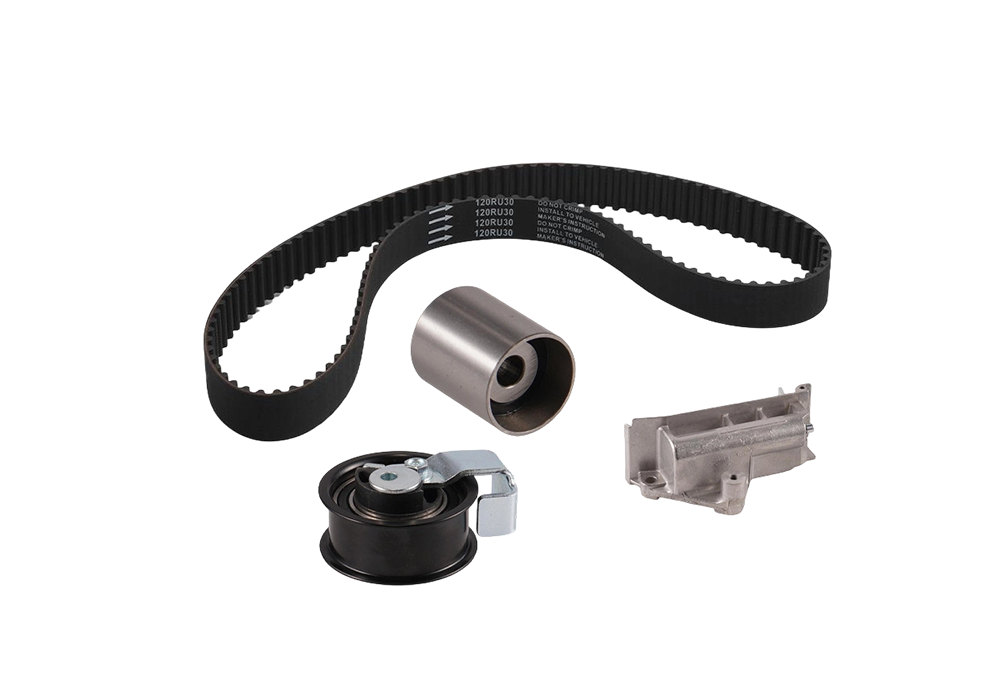
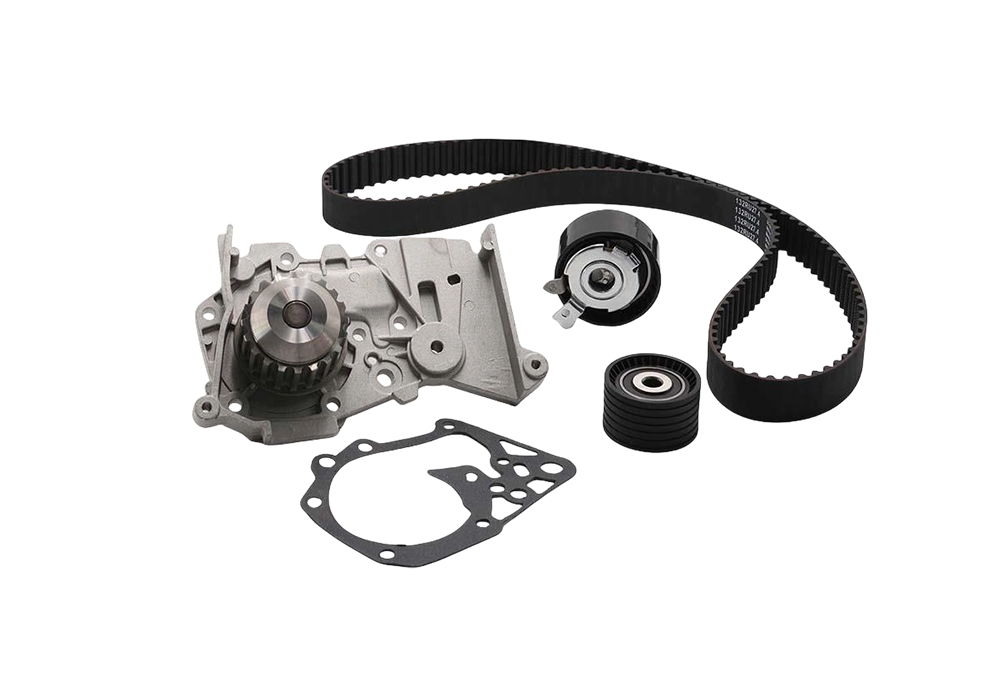
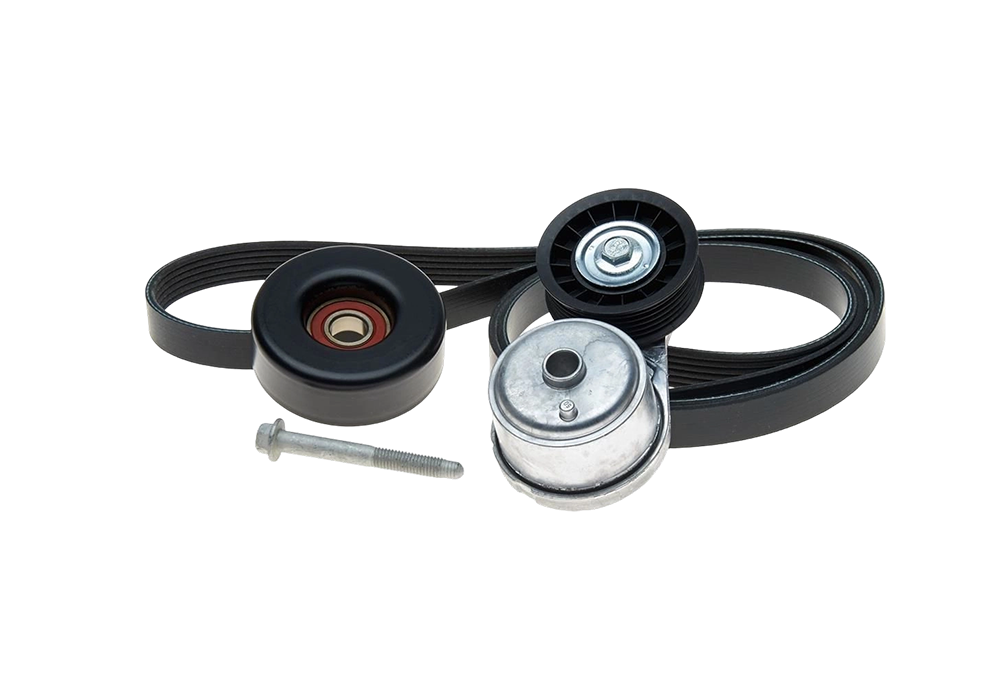
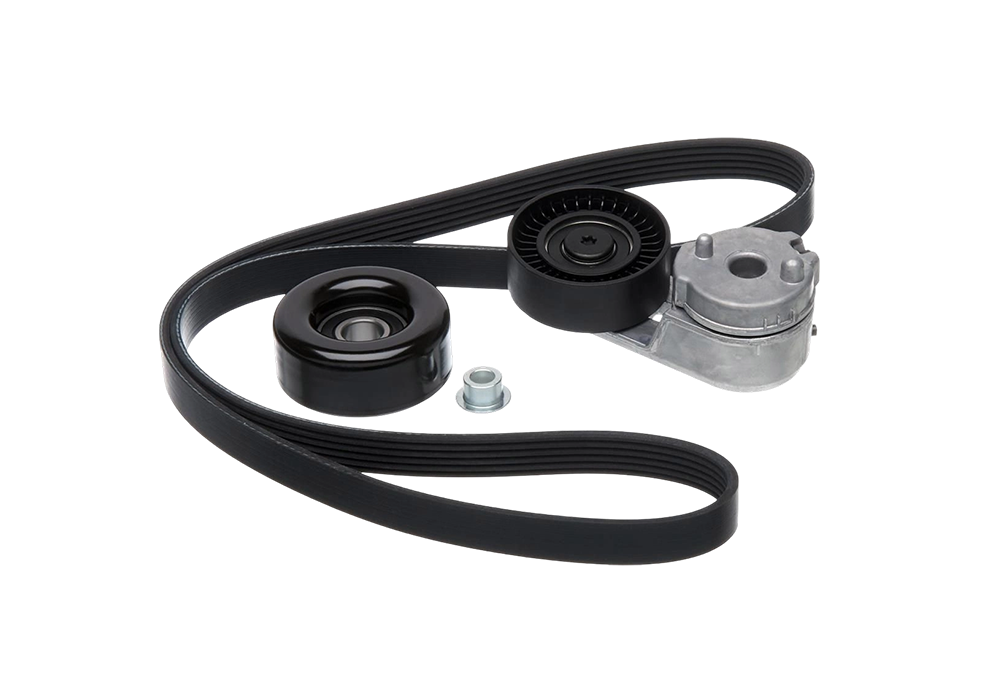
What is a Drive Belt Kit and Why Does Your Vehicle Need One?
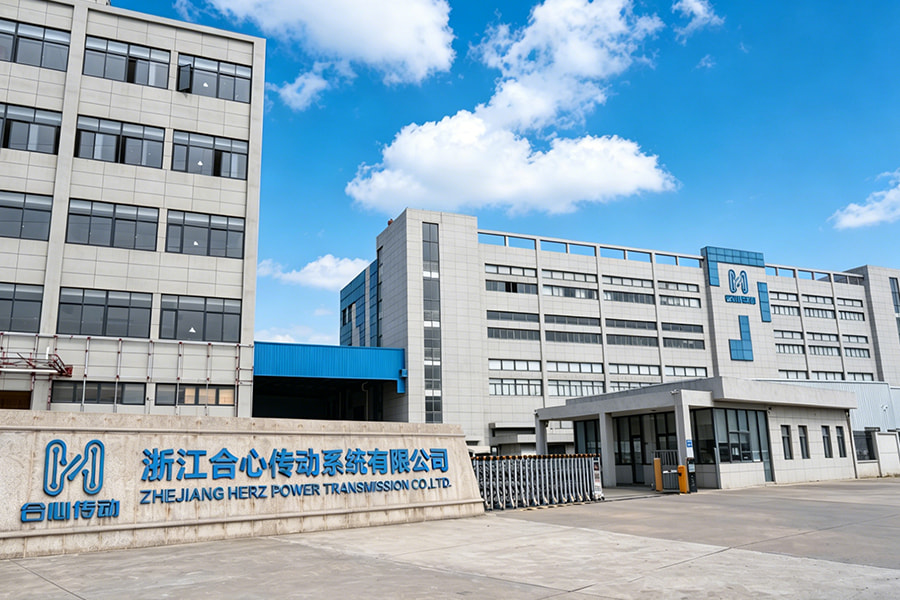
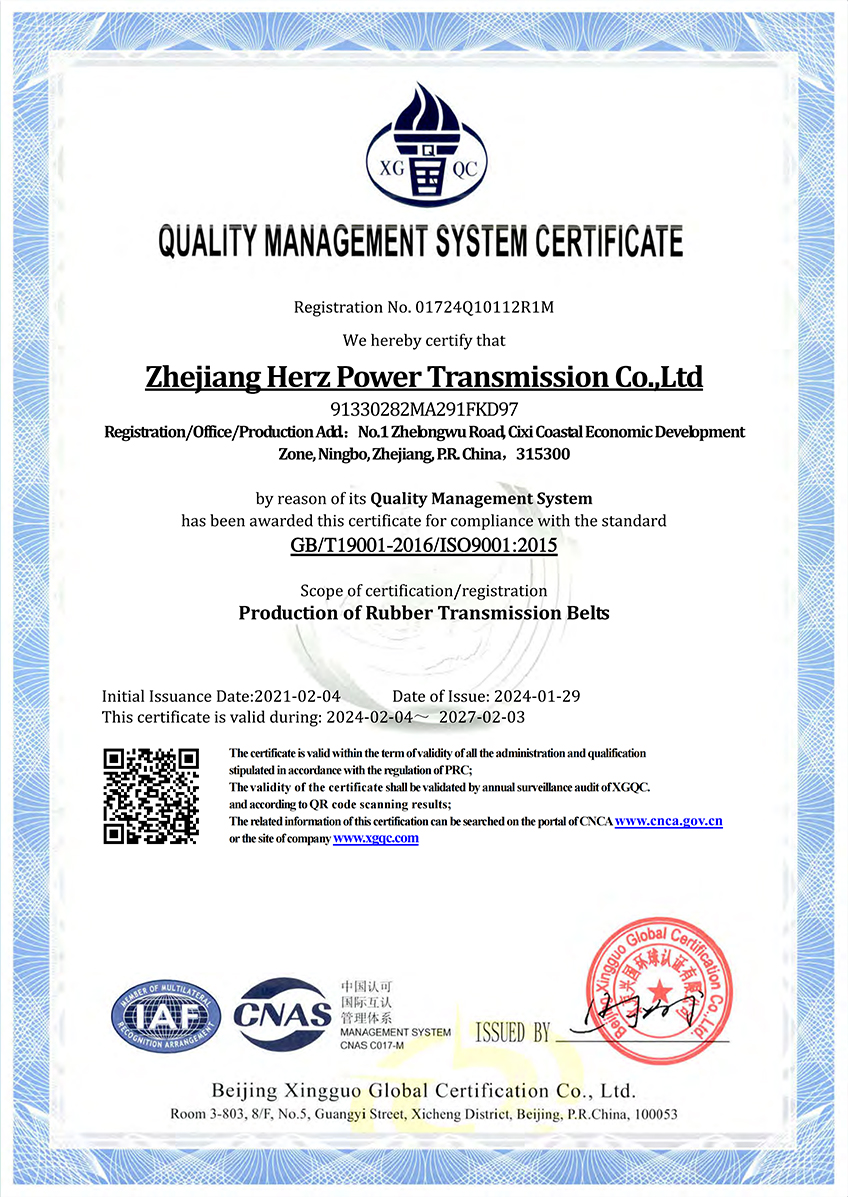
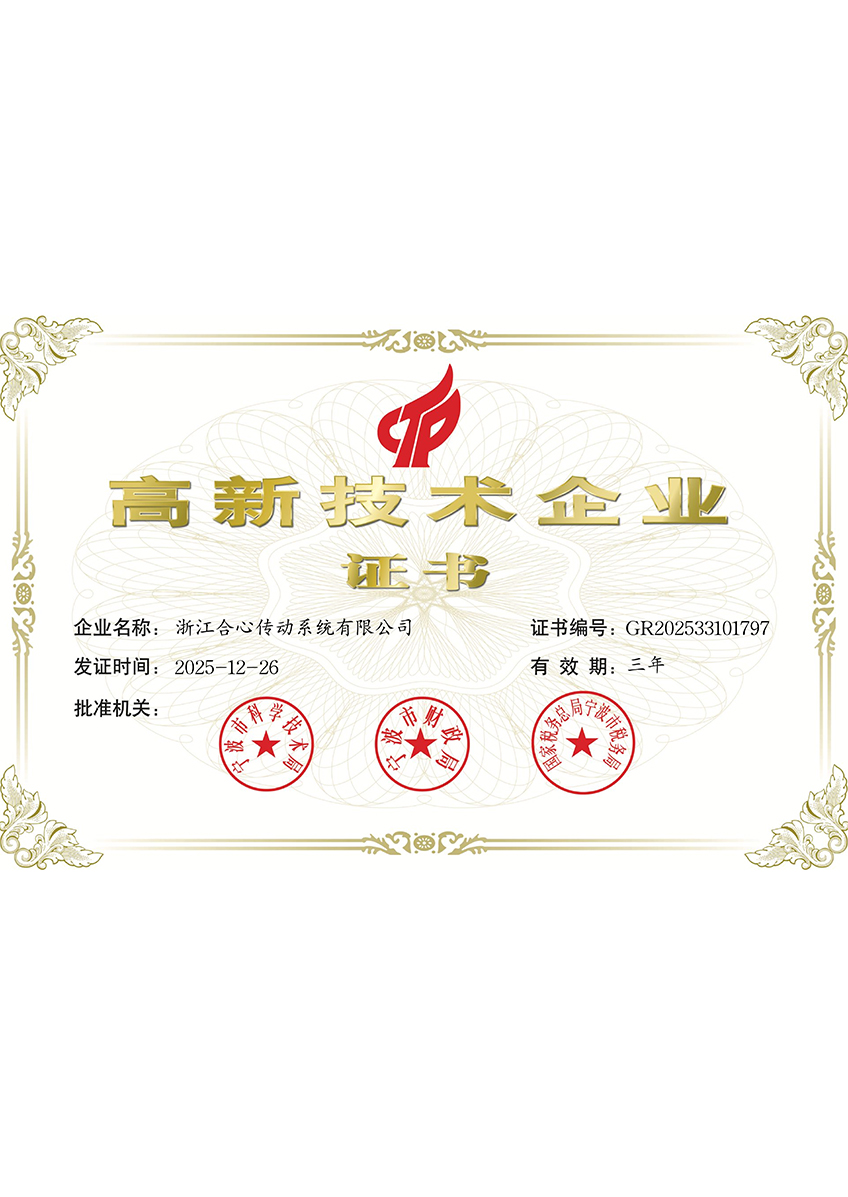
The modern internal combustion engine is a marvel of synchronized engineering, relying heavily on a network of accessories to function efficiently. At the heart of this accessory drive system lies the serpentine belt and its associated hardware, which together transfer rotational power from the crankshaft to vital engine components. For vehicle owners and fleet managers seeking dependable performance, understanding how these components interact is crucial. As an established industry expert, Ningbo Herz Technology Co., Ltd. leverages decades of specialized manufacturing expertise—backed by a 40,000-square-meter production facility equipped with world-class manufacturing equipment and precision testing instruments—to deliver advanced transmission solutions designed to keep engines running smoothly.
Understanding the Core Components
The serpentine belt (or V-belt) and its role in powering accessories: The serpentine belt is a single, continuous rubber band used to drive multiple peripheral devices in an automotive engine. These include the alternator, power steering pump, water pump, and air conditioning compressor. Utilizing high-grade rubber compounds and reinforcing cords, modern belts are engineered to handle high tensile loads and continuous friction.
Pulleys (idler and tensioner pulleys) and their mechanical importance: Pulleys guide the belt along a precise path through the engine bay. Idler pulleys simply redirect the belt and provide a smooth rolling surface, while maintaining correct routing angles. Because they spin at high RPMs, their internal bearings must withstand extreme thermal and mechanical stress.
Tensioners (automatic and manual) ensuring optimal belt grip: The tensioner applies constant, calibrated pressure to the belt. Automatic tensioners feature an internal spring or hydraulic dampening mechanism that automatically compensates for belt stretch and thermal expansion over time, ensuring that slippage is prevented under heavy accessory loads.
The Synergy of Complete Kits
Why replacing individual components is often a temporary fix: When a belt snaps or begins to squeal, many vehicle owners make the mistake of replacing only the belt itself. However, components like tensioners and idler pulleys experience identical wear cycles. A worn pulley bearing or a weakened tensioner spring will quickly compromise a new belt, leading to premature failure.
How Drive Belt Kits provide a comprehensive solution for longevity: Investing in a complete package ensures that every moving part of the accessory drive system is renewed simultaneously. At Ningbo Herz Technology Co., Ltd., our manufacturing philosophy emphasizes total system reliability. By integrating matching belts, pulleys, and tensioners into a single bundled solution, complete kits eliminate the variable wear rates that lead to unexpected breakdowns.
Parameter Comparison of Drive System Maintenance Approaches
To better understand the mechanical and economic differences between partial replacements and comprehensive upgrades, the parameter comparison below outlines their operational characteristics:
| Evaluation Parameter |
Replacing Belt Only (Piecemeal) |
Complete Drive Belt Kit Upgrade |
| Component Synergy |
Low; mismatched wear levels between new belt and old pulleys. |
High; all components engineered to work in unison from day one. |
| Expected System Lifespan |
Shortened (often limited by fatigued tensioner springs or worn bearings). |
Maximum mileage potential (matches original equipment design benchmarks). |
| Risk of Premature Failure |
High due to residual friction, misalignment, or weak tension. |
Minimized through synchronized component replacement. |
| Long-term Maintenance Cost |
Higher cumulative cost due to repeated labor and frequent part swaps. |
Cost-effective single-service installation. |
The Anatomy of Failure: Signs Your Drive Belt System is Failing
An accessory drive system operates under immense mechanical tension, high rotational speeds, and severe under-hood thermal fluctuations. Over time, these harsh operating conditions lead to inevitable wear and tear. Recognizing the early warning signs of component fatigue can prevent catastrophic roadside breakdowns, engine overheating, and electrical system failures. Backed by decades of precision manufacturing expertise at Ningbo Herz Technology Co., Ltd.—where advanced testing instruments ensure stringent quality control across an annual production capacity of 10 million transmission pieces—our automotive components are engineered to resist premature wear, though regular inspection remains vital for optimal vehicle health.
Auditory Warnings
Squealing, chirping, or squeaking noises from under the hood: Unusual sounds originating from the engine bay are typically the first indicator of trouble. A sharp squeal upon startup or acceleration often points to belt slippage, which happens when the belt loses its grip due to glazing, stretching, or insufficient tensioner pressure. A rhythmic chirping sound, on the other hand, frequently signals a failing bearing inside an idler pulley or the tensioner assembly.
Visual Indicators
Cracks, fraying, splitting, or glazing on the belt surface: A visual inspection using a flashlight can reveal physical degradation. Small transverse cracks across the rubber ribs are normal near the end of a belt's lifecycle, but deep cracks, missing chunks of rubber, or frayed edges mean the belt is on the verge of snapping. Glazing—a shiny, slick appearance on the belt's underside—indicates that the belt has been slipping continuously, hardening the rubber and destroying its friction coefficient.
Misalignment or wobbling of pulleys: Observing the accessory drive while the engine is safely idling can uncover structural issues. If an idler pulley or the tensioner arm exhibits a noticeable wobble, it indicates a failing internal bearing or a bent shaft that will quickly chew through a replacement belt.
Performance Symptoms
Loss of power steering assist: Because the serpentine belt drives the power steering pump (in hydraulic systems) or assists accessory electronics, a slipping or broken belt can suddenly make the steering wheel feel exceptionally heavy and difficult to turn, creating a dangerous driving situation. Furthermore, if the water pump stops spinning due to a failed drive system, coolant circulation ceases instantly, leading to rapid and severe engine overheating.
Battery and Electrical Issues
Dimming headlights or a dashboard battery warning light triggered by alternator failure: The alternator relies entirely on the accessory drive system to generate electrical power and keep the battery charged. When the belt fails or slips excessively, the alternator stops producing electricity. Drivers will typically notice rapidly dimming headlights, sluggish power windows, dashboard flickering, and the illumination of the battery warning light before the vehicle eventually loses electrical power entirely and stalls.
Parameter Comparison of Drive System Failure Symptoms
To help identify specific mechanical issues quickly, the parameter comparison below outlines common failure symptoms, their root causes, and their immediate impact on vehicle operation:
| Symptom Description |
Primary Root Cause |
Affected Component |
Immediate Risk / Impact |
| High-pitched Squeal |
Belt slip due to stretch or low tension |
Serpentine Belt / Tensioner |
Loss of accessory efficiency; potential glazing. |
| Rhythmic Chirping |
Dry or failing internal bearing |
Idler / Tensioner Pulley |
Sudden bearing seizure and belt shredding. |
| Sudden Heavy Steering |
Loss of pump drive power |
Power Steering Pump |
Compromised vehicle maneuverability. |
| Rapid Engine Overheating |
Inadequate coolant circulation |
Water Pump |
Severe internal engine damage (warped heads/blocks). |
| Battery Light / Stalling |
Failure of electrical generation |
Alternator |
Loss of onboard electronics and engine shutdown. |
Preventive Maintenance: When and Why to Replace Your Drive Belt Kit
Ensuring the reliability of a vehicle's accessory drive system requires proactive care rather than reactive repairs. Because rubber compounds and mechanical bearings degrade progressively under continuous thermal and physical stress, establishing a disciplined maintenance schedule is essential. At Ningbo Herz Technology Co., Ltd., our commitment as a professional manufacturer of high-quality transmission products extends beyond engineering excellence to include educating vehicle operators on proper care. Utilizing world-class manufacturing equipment and precision testing instruments, we design our transmission components to meet rigorous durability standards, helping drivers maximize operational safety and prevent unexpected road failures.
Manufacturer Mileage and Time Intervals
Typical lifespan ranges (usually 60,000 to 100,000 miles): Most automotive manufacturers recommend inspecting accessory drive components starting around 60,000 miles and replacing them between 60,000 and 100,000 miles. However, lifespan is heavily influenced by environmental factors such as extreme ambient temperatures, heavy towing, exposure to road salt, and frequent stop-and-go driving conditions, all of which accelerate rubber hardening and bearing wear.
Age-related degradation: Even if a vehicle is driven infrequently and falls well short of mileage thresholds, rubber belts and tensioner spring dampeners degrade over time due to oxidation and continuous engine heat cycles. Belts older than 6 to 7 years frequently lose their structural elasticity and require replacement regardless of appearance.
The Domino Effect of Component Wear
How a seized tensioner or worn pulley can instantly destroy a brand-new belt: A common misconception is that only the rubber belt wears out. In reality, idler pulleys and automatic tensioners operate under identical mechanical loads. When a pulley bearing wears out, it creates friction, excessive heat, or physical wobbling. If a tensioner spring loses its calibration, it fails to maintain proper grip. Installing a brand-new replacement belt onto a fatigued, worn-out pulley assembly almost invariably leads to rapid belt shredding, squealing, or premature snapping within a very short operational window.
Labor Efficiency and Cost-Savings
The economic advantage of changing the entire assembly at once rather than piecemeal repairs: Opting for component-by-component repairs results in compounding labor costs and repeated garage visits. Because accessing the accessory drive often requires removing splash guards, air intake boxes, or engine mounts, the labor effort to reach the system is identical whether replacing a single belt or the entire assembly. Bundling everything together minimizes downtime and eliminates redundant labor charges.
Parameter Comparison of Maintenance Strategies
To evaluate the long-term efficiency and economic impact of different maintenance approaches, the parameter comparison below highlights the operational differences between piecemeal maintenance and complete system replacement:
| Maintenance Approach |
Labor Frequency |
Initial Out-of-Pocket Cost |
Risk of Repeat Failure |
Overall Cost Efficiency |
| Piecemeal Replacement (Belt Only) |
High (frequent targeted swaps) |
Low (parts only) |
High (due to unaddressed worn pulleys/tensioners) |
Low (cumulative labor costs accumulate quickly) |
| Comprehensive Kit Replacement |
Low (single service interval) |
Moderate (complete kit investment) |
Minimized (synchronized lifespan across all parts) |
High (maximizes mileage and prevents secondary damage) |
Step-by-Step Guide: Replacing a Drive Belt Kit
Replacing an accessory drive assembly is a rewarding mechanical project that restores engine efficiency, eliminates annoying noises, and prevents unexpected roadside failures. Executing this procedure correctly requires patience, the right tools, and an understanding of proper mechanical torque specifications. Drawing from decades of specialized transmission manufacturing expertise at Ningbo Herz Technology Co., Ltd., where precision and quality control govern our annual production of 10 million transmission components, we emphasize that following a structured, professional installation procedure is vital to maximizing the service life of your new drive components.
Preparation and Safety First
Disconnecting the battery, securing the vehicle, and gathering necessary tools: Before touching any under-hood components, always disconnect the negative battery terminal to prevent accidental starter engagement or electrical shorts. Ensure the vehicle is safely parked on a level surface with the parking brake fully engaged, and chock the rear wheels. Gather essential tools, including a metric socket set, a breaker bar or specialized serpentine belt tensioner tool, a torque wrench, and safety glasses.
Mapping the Routing Path
Documenting the belt routing diagram before removal (taking photos or referencing the underhood sticker): Modern multi-accessory drive systems wind through a complex maze of pulleys. Before taking anything apart, locate the routing diagram sticker on the radiator support panel or under-hood area. If no sticker is present, take a clear photo or sketch the exact path of the belt around every single pulley. Incorrect routing can cause accessories to spin backward, leading to immediate system failure.
Removing the Old Assembly
Relieving tension on the automatic tensioner, slipping off the old belt, and unbolting old pulleys and the tensioner unit: Attach the appropriate socket or serpentine belt tool to the tensioner arm bolt. Slowly rotate the tensioner in the direction that relieves spring pressure (typically clockwise or counter-clockwise depending on the engine layout). Once tension is released, slip the belt off an easily accessible idler pulley and slowly allow the tensioner to return to its resting position. Remove the old belt completely, then unbolt and remove the old idler pulleys and the complete tensioner assembly.
Installing the New Components
Securing the new tensioner and idler pulleys to correct torque specifications: Install the new tensioner unit and idler pulleys included in your kit, ensuring any alignment pins or locating tabs are properly seated against the engine block. Tightening these bolts to the manufacturer's exact torque specifications using a calibrated torque wrench is critical to prevent thread stripping or structural detachment under high engine loads.
Thread-routing the new belt from the kit correctly across all accessory pulleys: Carefully weave the new belt around the crankshaft, alternator, water pump, power steering pump, and idler pulleys, leaving the smooth-faced automatic tensioner pulley for absolute last. Rotate the tensioner arm again to create enough slack, slip the belt over the final pulley, and slowly release the tensioner to apply firm, even pressure.
Final Inspection and Testing
Verifying proper alignment and seating within pulley grooves before starting the engine: Double-check that every rib of the serpentine belt is nested precisely inside the grooves of all grooved pulleys and sitting flat on smooth pulleys. Start the engine and let it idle while observing the drive system from a safe distance. Ensure the belt runs true without tracking off the edges, wobbling, or producing abnormal noises.
Parameter Comparison of Installation Best Practices
To ensure a flawless installation and avoid common mechanical pitfalls, the parameter comparison below outlines critical technical steps and their importance:
| Installation Step |
Correct Technical Practice |
Potential Risk of Improper Execution |
| Routing Verification |
Photographing or referencing factory diagrams |
Accessories running backward, rapid belt shredding |
| Torque Wrench Usage |
Tightening bolts to exact manufacturer specs |
Bolt shear failure, stripped engine block threads |
| Final Alignment Check |
Visually inspecting pulley groove seating |
Belt slip, edge fraying, or jumping off pulleys |
Selecting the Right Drive Belt Kit for Your Vehicle
Choosing the appropriate replacement assembly is just as important as the installation process itself. With numerous options available in the automotive aftermarket, vehicle owners and mechanics must carefully evaluate component quality, material durability, and precise engineering compatibility. At Ningbo Herz Technology Co., Ltd., our commitment as a professional manufacturer of high-quality transmission products is reflected in our advanced production base spanning over 40,000 square meters. Equipped with world-class manufacturing equipment and precision testing instruments, we ensure that every agricultural fabric belt, poly-V belt, and specialized transmission component meets stringent quality benchmarks, giving drivers the reliability they demand on the road.
OEM vs. Aftermarket Options
Evaluating original equipment quality against high-performance aftermarket alternatives: Original Equipment Manufacturer (OEM) parts are designed and branded by the vehicle's original producer, guaranteeing a direct fit but often carrying a premium price tag. High-performance aftermarket options, on the other hand, are engineered by specialized manufacturers to meet or exceed original equipment specifications. By utilizing advanced rubber compounds, high-tensile cords, and superior bearing materials, reputable aftermarket kits often provide enhanced durability and resistance to harsh under-hood environments.
Matching Specifications
Ensuring exact compatibility with your vehicle's make, model, year, and engine configuration: Engine layouts vary significantly even within the same vehicle model year depending on whether the car features an air conditioning upgrade, a larger alternator, or a turbocharged engine configuration. Always cross-reference your vehicle identification number (VIN) and specific engine code to verify that the replacement kit matches the correct belt length, rib count, and pulley dimensions.
Kit Inclusions to Look For
Checking for comprehensive hardware inclusion (bolts, gaskets, or specialized brackets when required): A superior accessory replacement package should contain more than just a belt and a tensioner. The best kits provide all necessary mounting hardware, specialized bolts, alignment pins, and idler pulleys required for a complete, hassle-free overhaul. Ensuring all matched components are replaced simultaneously prevents premature wear caused by mixing old, fatigued hardware with new parts.
Parameter Comparison of Replacement Kit Selection Factors
To help you choose the most reliable and cost-effective transmission upgrade for your vehicle, the parameter comparison below outlines the key selection criteria:
| Evaluation Factor |
Standard Replacement Options |
Premium Engineered Kits |
| Material Composition |
Standard rubber compound and basic tensioner springs |
Advanced EPDM rubber and heavy-duty dampening springs |
| Dimensional Precision |
General industry tolerances |
High-precision engineering matching strict OEM benchmarks |
| Hardware Completeness |
Belt and tensioner only |
Comprehensive package including all idlers and mounting bolts |
| Long-Term Reliability |
Moderate lifespan under normal driving conditions |
Maximum durability, resisting thermal cracking and bearing failure |
Frequently Asked Questions and Expert Insights
Q: Can I replace just the belt and leave the old pulleys and tensioner in place?
A: While technically possible, it is strongly discouraged by industry professionals. Worn pulley bearings and weakened tensioner springs experience the same operational wear cycles as the belt. Leaving them in place will quickly compromise a brand-new belt, leading to premature squealing, slippage, or sudden failure.
Q: How long does a typical installation take for a DIYer?
A: Depending on engine bay accessibility and whether components like air intake boxes or splash guards need to be removed, a complete installation typically takes between one to three hours for an experienced DIYer.
Q: What causes a brand-new serpentine belt to chirp or squeal immediately after installation?
A: Immediate noise after replacement usually points to incorrect belt routing, misaligned pulleys, or a failing tensioner that is failing to apply the correct calibrated pressure across the system.
Q: Do all vehicle accessories run off a single belt, or are there multiple belts?
A: Modern passenger vehicles typically utilize a single, continuous serpentine belt to drive all major accessories. However, older vehicles, heavy-duty trucks, or specialized machinery may still utilize multiple V-belts to distribute loads across different engine components.


 English
 Español
 Português
 عربى
عربى