Understanding the Fundamentals of Timing Belts
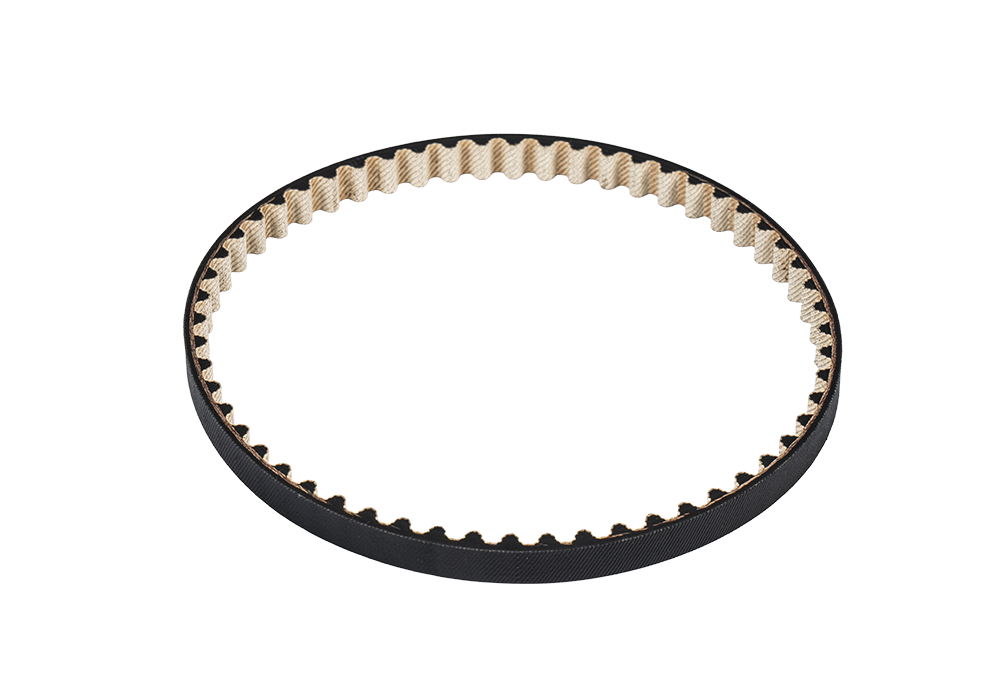
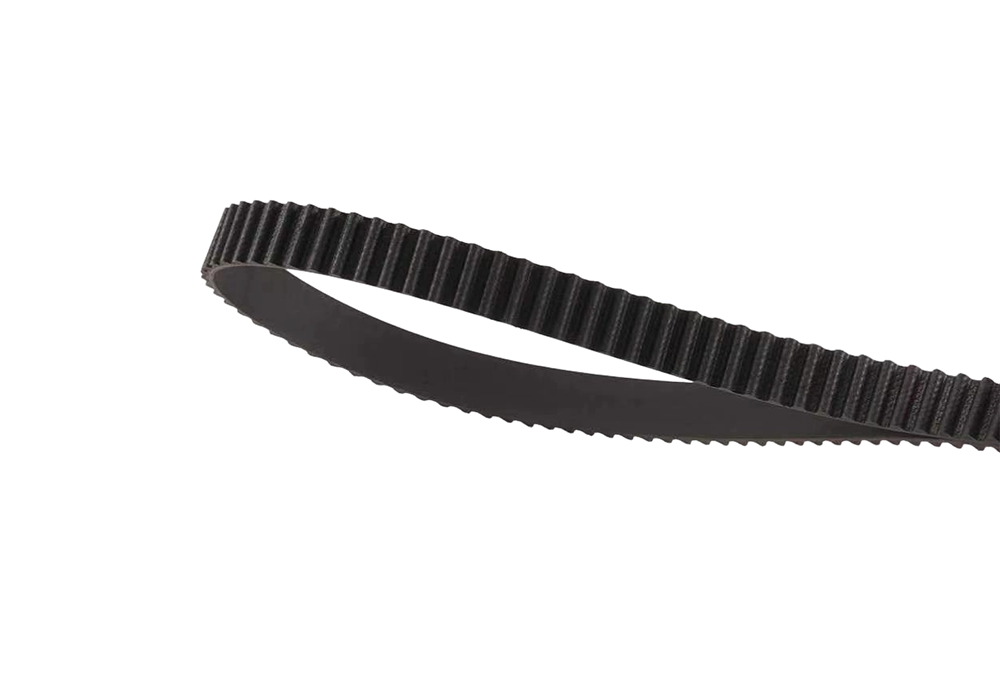
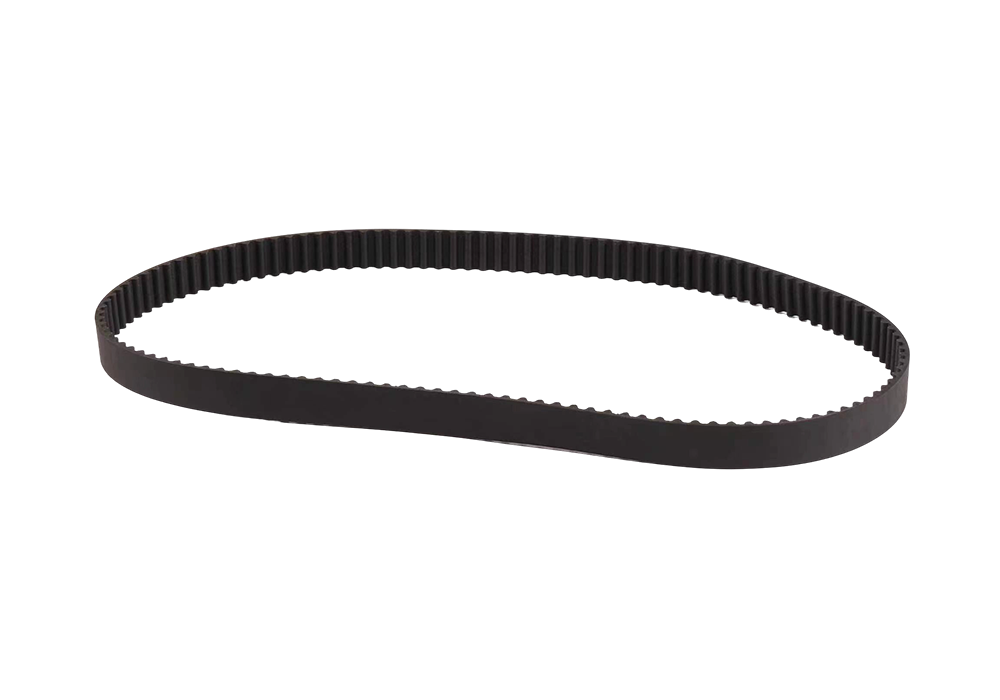
In modern mechanical engineering, achieving precise synchronization and efficient power transmission is paramount. At the heart of many high-precision mechanical systems lies the timing belt, a specialized power transmission belt designed to combine the advantages of both chain drives and flat belts. Unlike standard friction-based belts, timing belts feature precision-molded teeth that mesh directly with corresponding grooves on a mating pulley. This positive engagement completely eliminates slippage, ensuring a constant and exact speed ratio between the driving and driven shafts.
As a cornerstone of advanced motion control, the Timing Drive Belt plays an indispensable role in applications ranging from high-speed automated production lines to internal combustion engines. By maintaining absolute angular synchronization, it ensures that mechanical events—such as valve openings in engines or coordinated movements in robotic arms—occur with exact timing and reliability.
Core Mechanics and Tooth Engagement
The fundamental operational principle of a timing belt relies on the interlocking geometry between the belt teeth and the pulley grooves. When tensioned correctly, the load is evenly distributed across multiple teeth simultaneously. This tooth-to-tooth transfer of force minimizes localized stress, reduces heat generation, and maintains mechanical efficiency levels that often exceed 98%.
The mechanics of engagement depend heavily on the profile of the teeth. Traditional trapezoidal profiles offer reliable performance for standard positioning tasks, while modern curvilinear or high-torque drive (HTD) profiles distribute stress more uniformly across the tooth base, allowing for higher load-carrying capacities and smoother, quieter operation at elevated speeds.
Key Internal Components
To withstand continuous high-tension cycles and dynamic mechanical stress, a high-quality timing belt is constructed from multiple engineered layers, each serving a distinct structural purpose:
Tension Members (Cords): Positioned along the neutral axis of the belt, these high-tensile cords provide longitudinal strength and dimensional stability. Materials such as fiberglass, aramid (Kevlar), or steel wire are utilized to ensure the belt experiences minimal elongation under heavy loads.
Belt Body (Elastomer Matrix): The main body encases the tension members and forms the structural shape. It is typically manufactured from high-grade rubber compounds or durable polyurethane, providing flexibility, shock absorption, and resistance to wear.
Tooth Facing (Fabric Layer): The exterior of the teeth is frequently covered with a wear-resistant nylon or specialized fabric facing. This layer reduces friction between the belt teeth and pulley flanks, minimizes operating noise, and significantly enhances abrasion resistance over extended operational lifespans.
Manufacturing Excellence and Quality Assurance
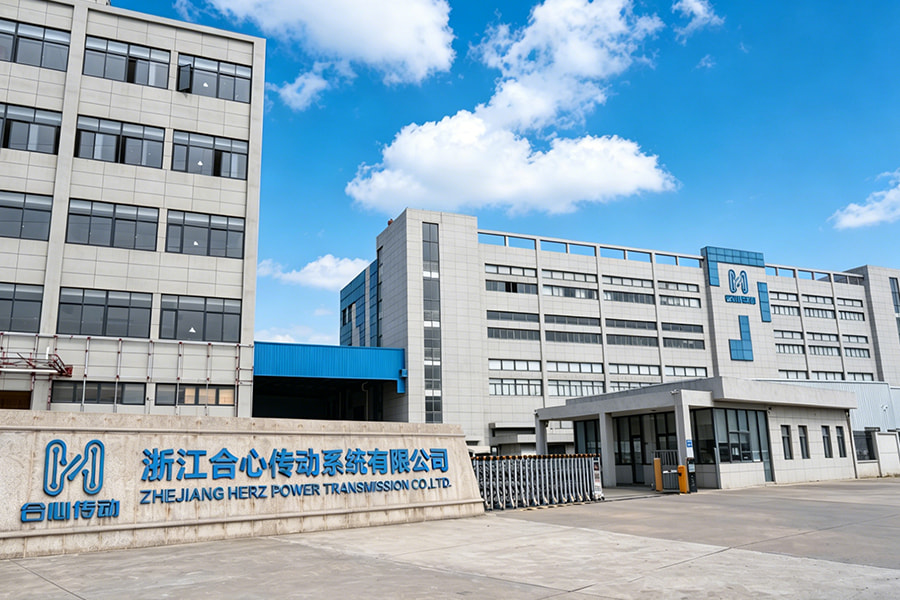
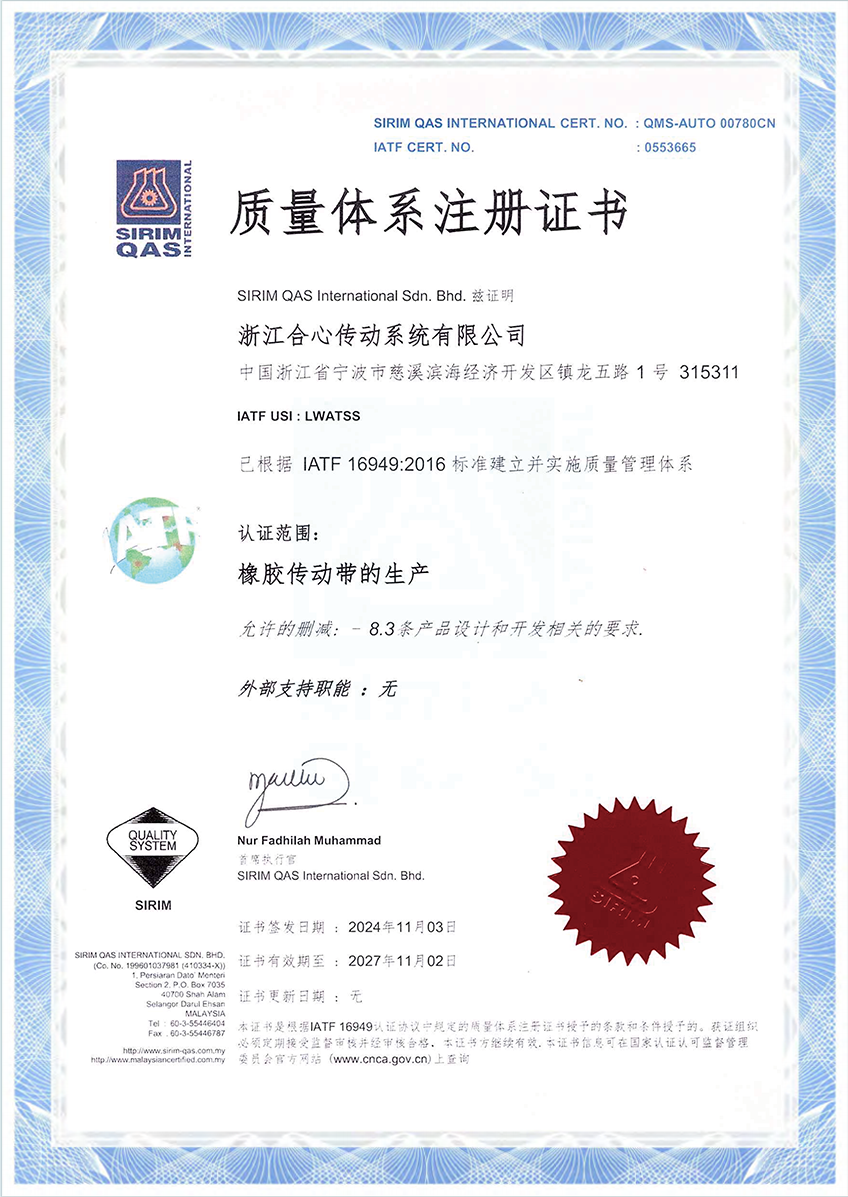
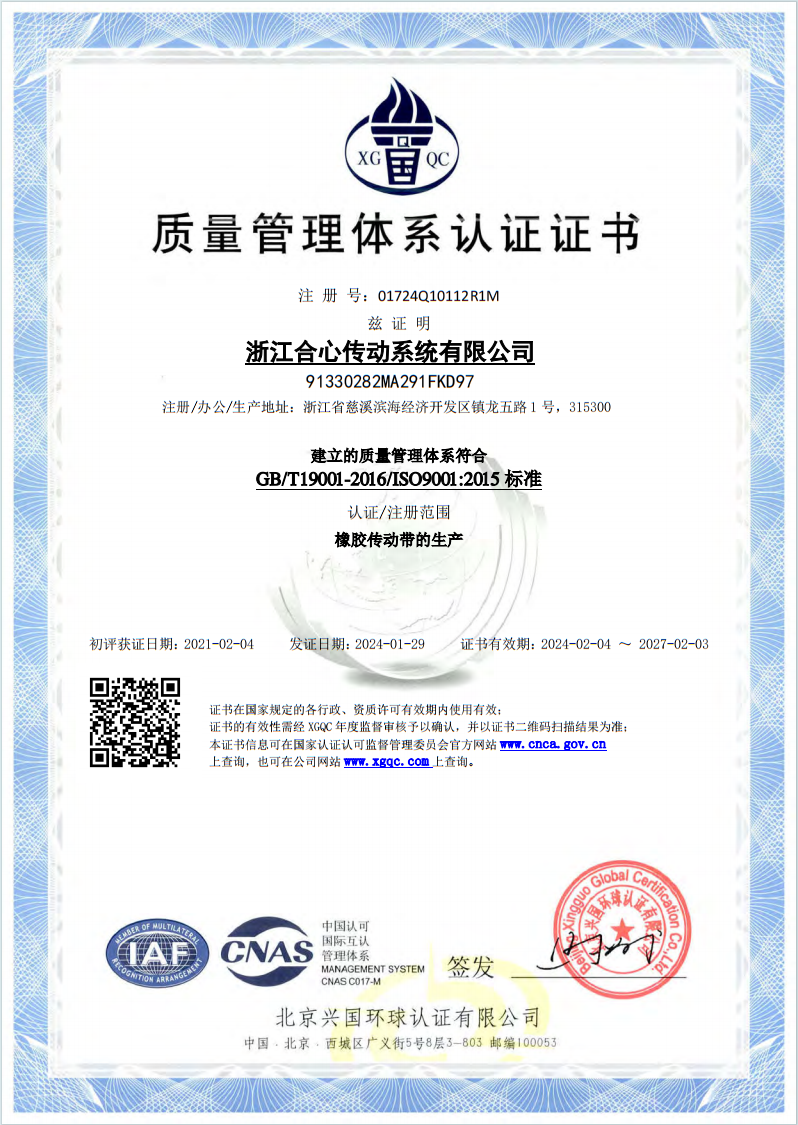
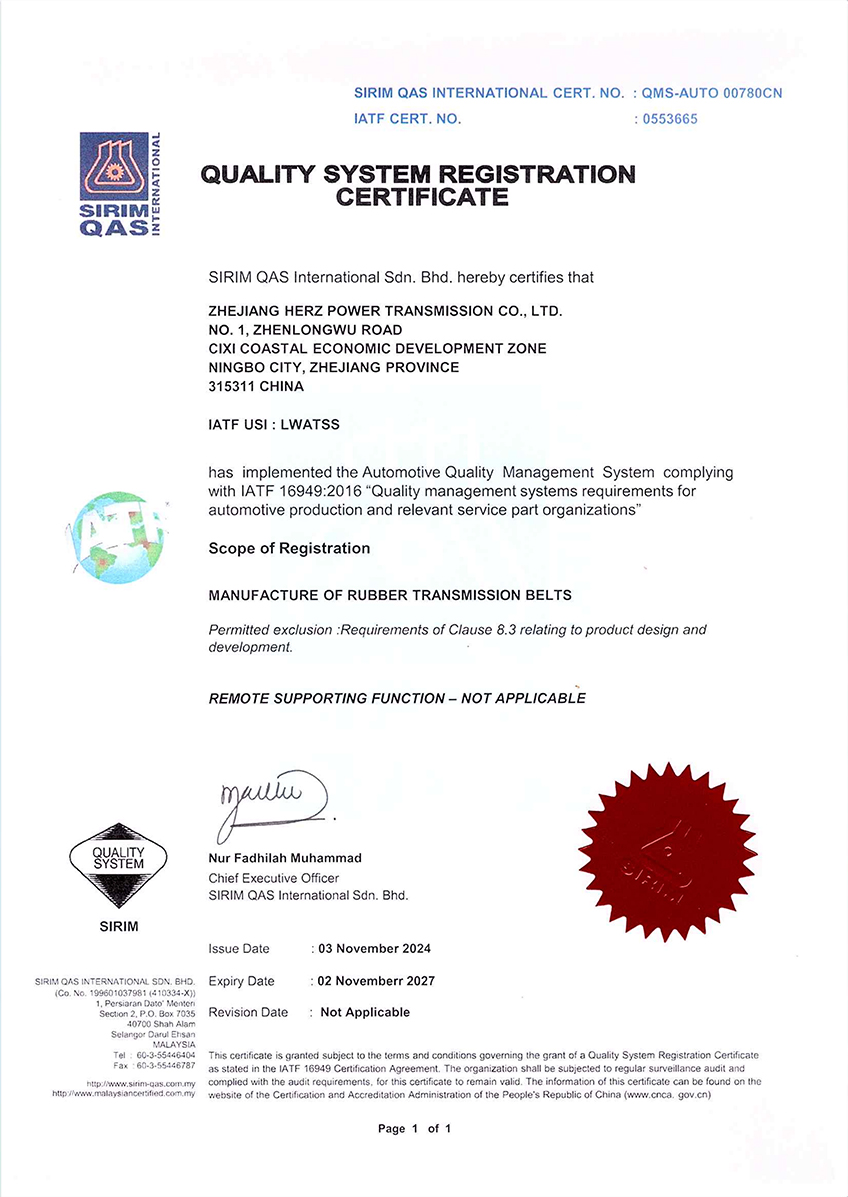
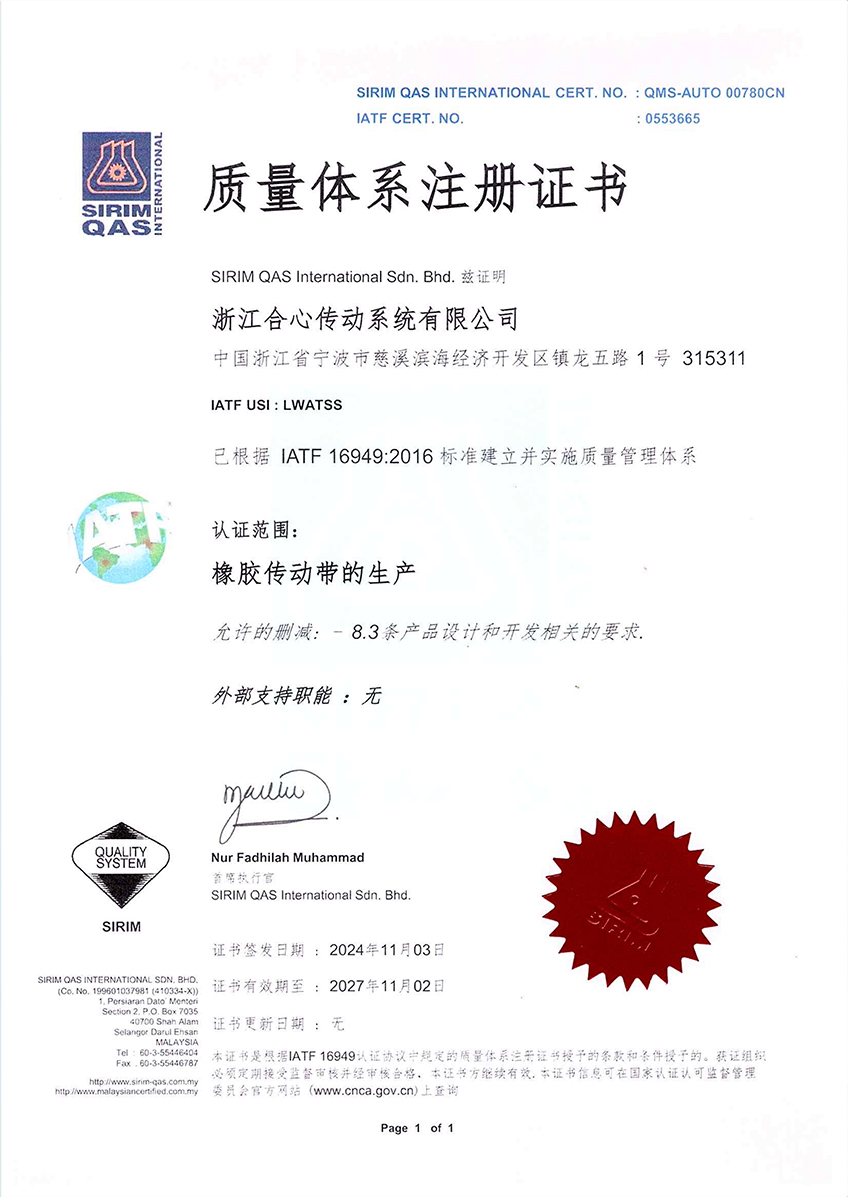
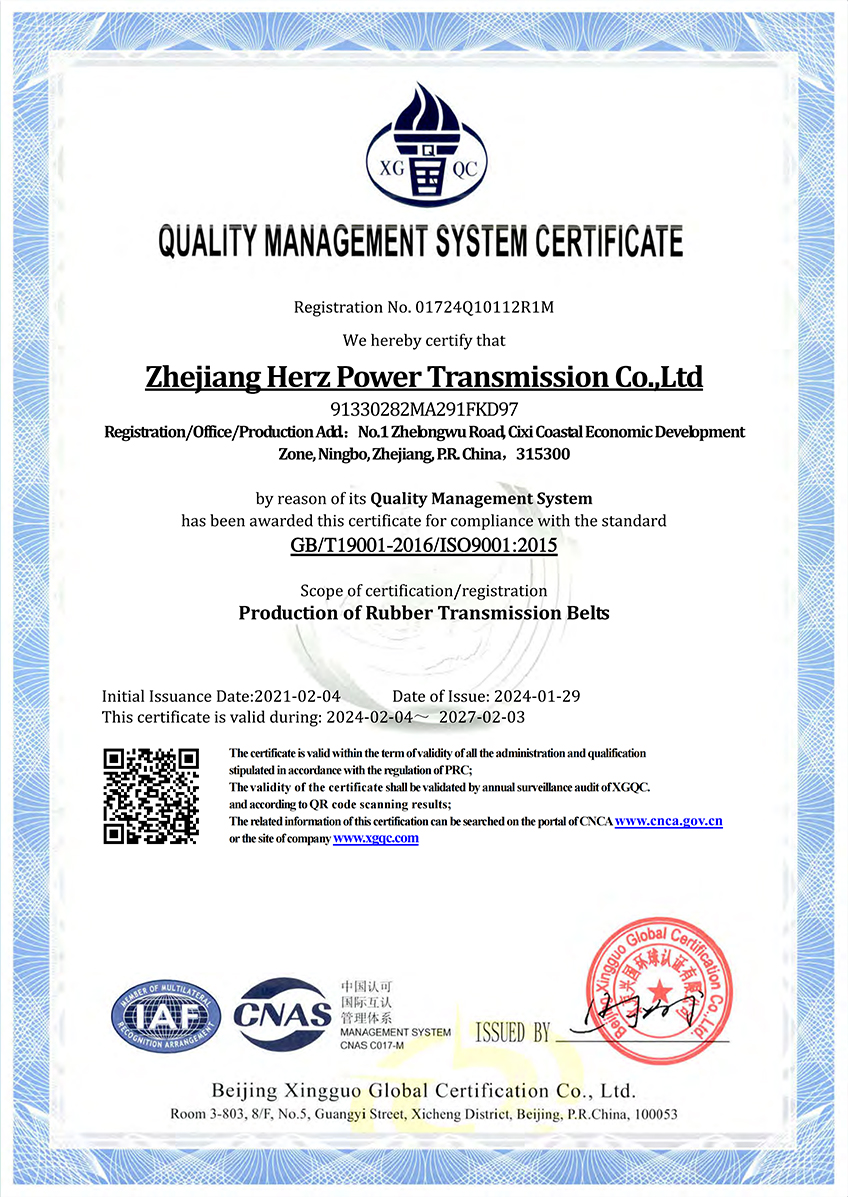
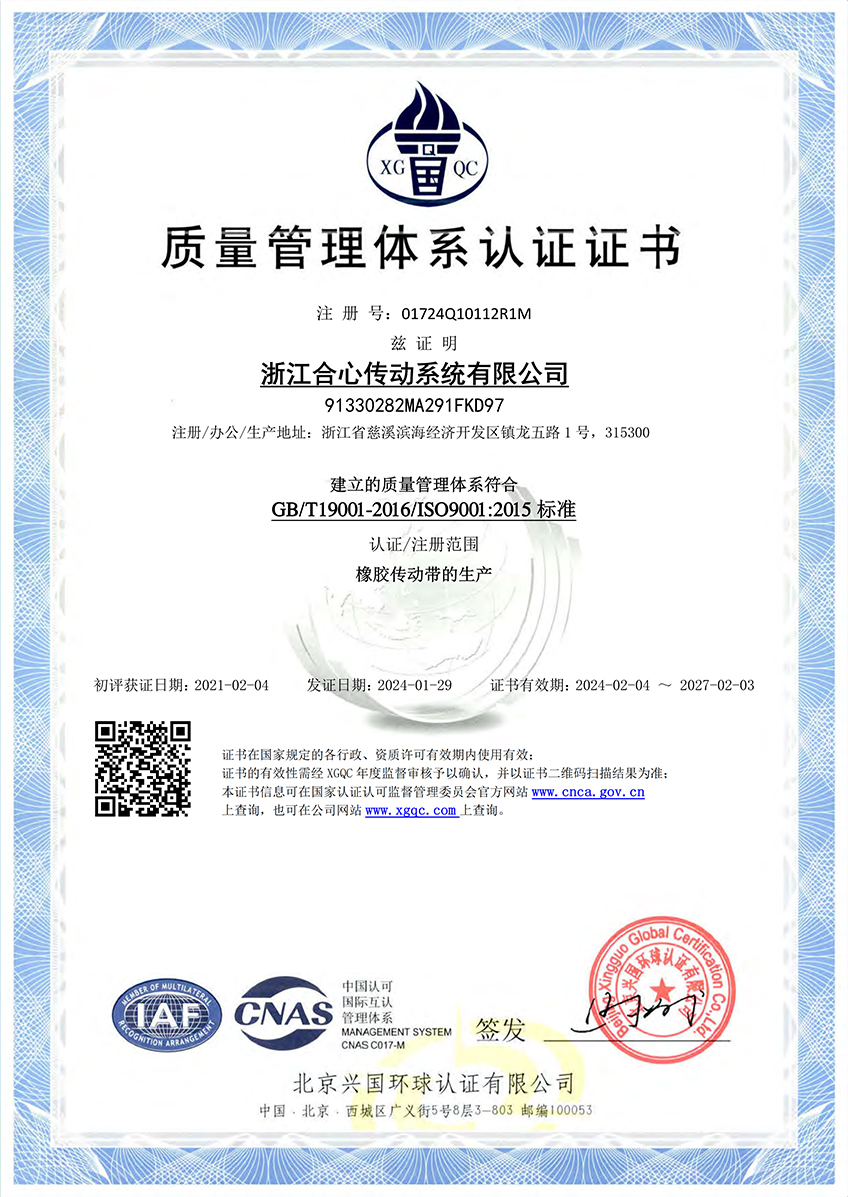
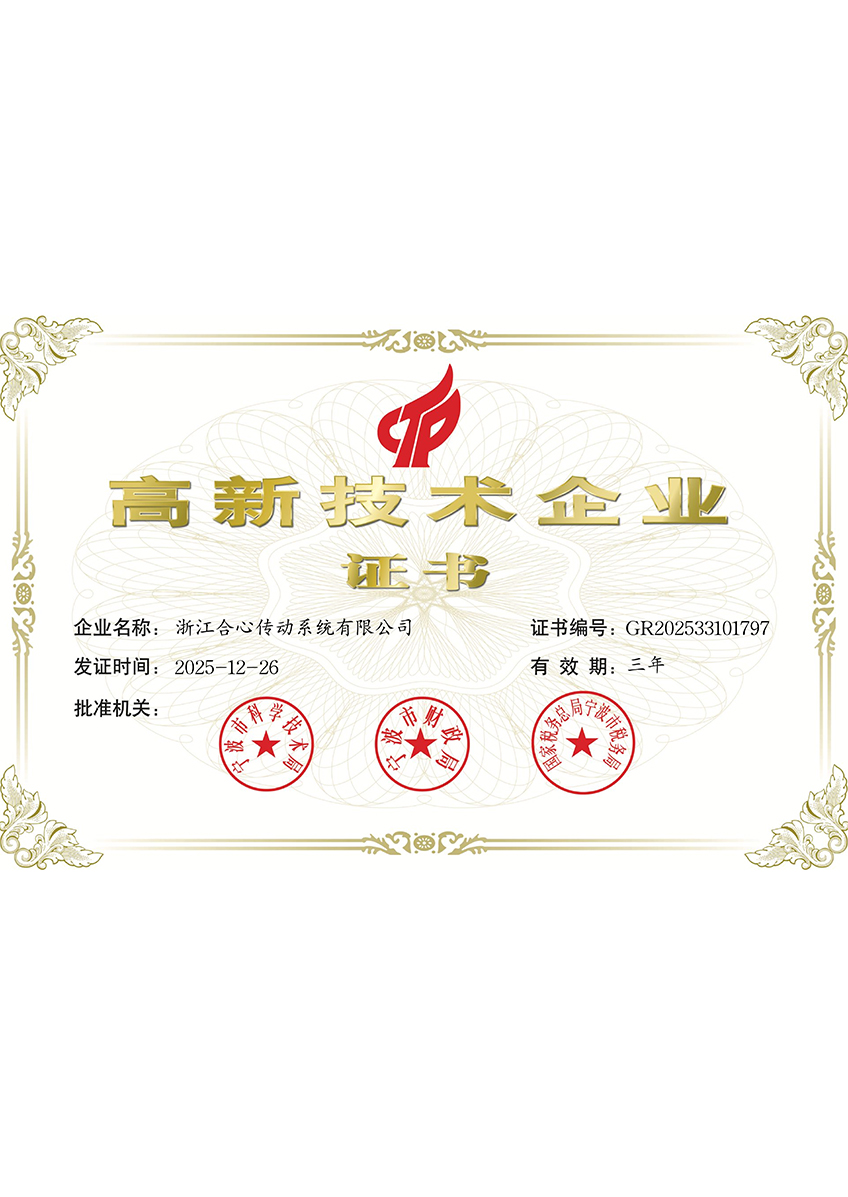
Producing high-performance timing drive systems requires advanced manufacturing capabilities and stringent quality control. Ningbo Herz Technology Co., Ltd. leverages decades of industry expertise inherited from its parent company, Zhejiang Hexin Transmission System Co., Ltd. (founded in 1995), to deliver exceptional reliability. Operating from a 40,000-square-meter production base in the Cidong Industrial Development Zone, Cixi City, Zhejiang Province, the company utilizes world-class manufacturing equipment and precision testing instruments.
With an annual production capacity reaching 10 million pieces of various rubber and polyurethane transmission belts, Ningbo Herz Technology Co., Ltd. ensures that every product—whether standard industrial configurations or specialized variants—meets rigorous global standards for dimensional accuracy, tensile strength, and durability.
Material Comparison: Rubber vs. Polyurethane
Selecting the appropriate material for a timing belt is critical for ensuring optimal performance, longevity, and cost-effectiveness in any mechanical or industrial application. The two primary materials utilized in modern power transmission engineering are chloroprene/EPDM rubber and thermoplastic polyurethane (PU). Each material exhibits distinct mechanical properties, making them suitable for completely different operational environments.
Deep Dive into Rubber Timing Belts
Rubber timing belts have long been the industry standard for high-load, high-temperature, and heavy-duty applications. Typically manufactured from high-grade synthetic rubbers such as chloroprene (neoprene) or EPDM (Ethylene Propylene Diene Monomer), these belts are reinforced with fiberglass or polyester tension cords.
Characteristics and Advantages:
Elasticity and Flexibility: Rubber possesses high inherent elasticity, allowing the belt to absorb sudden shock loads and damp vibrations effectively. This makes it exceptionally forgiving in applications with fluctuating torque.
Temperature Tolerance: High-quality rubber compounds can withstand broad operating temperature ranges, often performing reliably from -30 degrees Celsius up to +100 degrees Celsius (and higher with specialized EPDM formulations).
Cost-Effectiveness: Rubber belts offer an economical solution for high-volume industrial drives and automotive systems without sacrificing reliability.
Common Applications:
Automotive camshaft drives and auxiliary engine components.
Heavy-duty industrial machinery, textile equipment, and large compressors.
Advantages of PU Timing Belts
Polyurethane timing belts represent the pinnacle of modern thermoplastic engineering. Built with a wear-resistant polyurethane body and reinforced with steel or Kevlar tension cords, PU belts are engineered for precision, cleanliness, and longevity.
Characteristics and Advantages:
High Wear and Abrasion Resistance: Polyurethane exhibits exceptional resistance to mechanical wear, significantly outlasting standard rubber in high-cycle or abrasive environments.
Chemical and Oil Resistance: PU is highly resistant to oils, greases, ozone, and various chemicals, making it ideal for harsh industrial settings.
Dimensional Stability: Unlike rubber, thermoplastic polyurethane does not stretch easily over time and maintains high precision in positioning applications.
Cleanroom Compatibility: PU belts do not shed rubber dust or particles during operation, making them the preferred choice for sterile environments.
Common Applications:
Light-duty automation, linear positioning, and robotics.
Packaging machinery, food processing conveyors, and automated warehousing systems.
Technical Parameter Comparison
To assist engineers in making an informed selection, the following table summarizes the key performance differences between standard rubber and polyurethane timing belts:
| Performance Parameter |
Rubber Timing Belts |
PU (Polyurethane) Timing Belts |
| Primary Material |
Chloroprene / EPDM Rubber |
Thermoplastic Polyurethane |
| Tension Cord Options |
Fiberglass, Polyester |
Steel, Kevlar (Aramid) |
| Wear & Abrasion Resistance |
Good |
Excellent |
| Oil & Chemical Resistance |
Moderate |
High |
| Shock Load Absorption |
Excellent |
Moderate |
| Dimensional Stability |
Good |
Superior (Minimal Stretch) |
| Particle Generation |
Low to Moderate (Dust over time) |
None (Cleanroom safe) |
| Operating Temperature Range |
-30 degrees Celsius to +100 degrees Celsius |
-20 degrees Celsius to +80 degrees Celsius |
Comprehensive Manufacturing Capabilities
Meeting diverse industrial requirements demands advanced production infrastructure and strict material formulation. Ningbo Herz Technology Co., Ltd. leverages its extensive manufacturing expertise to produce a comprehensive portfolio of power transmission solutions. Operating from a 40,000-square-meter facility in the Cidong Industrial Development Zone, Cixi City, Zhejiang Province, the company utilizes world-class equipment to manufacture both high-durability rubber timing belts and precision PU timing belts. Backed by an annual production capacity of 10 million pieces, Ningbo Herz Technology Co., Ltd. delivers reliable transmission components tailored to exacting industry standards.
Key Performance Factors and Technical Specifications
To ensure optimal efficiency, reliability, and service life in any power transmission or motion control application, engineers must evaluate several critical performance factors and technical specifications. A timing belt is not a universal component; its operational capability is defined by its tooth geometry, material strength, and environmental compatibility.
Pitch Types and Tooth Profiles
The tooth profile and pitch—the linear distance from a point on one tooth to the corresponding point on the next tooth—dictate how a belt engages with the pulley and how it handles load transmission.
Trapezoidal Profiles: Traditional trapezoidal tooth profiles (such as MXL, XL, L, H, XH, XXH, T2.5, T5, and T10) are widely used in light-to-medium-duty power transmission and precise positioning systems. They offer straightforward engagement and cost-effective performance.
Curricular and High-Torque Drive (HTD) Profiles: Designed with rounded or parabolic tooth shapes (such as HTD, STD, and RPP), these high-torque profiles distribute stress more evenly across the entire tooth base. This eliminates stress concentrations, allowing for higher torque transmission, smoother meshing, and significantly reduced operating noise at elevated speeds.
Tensile Strength and Load Capacity
The load-bearing capacity of a timing drive belt is primarily determined by its internal tension members (cords) and cross-sectional area.
Tensile Members: Fiberglass offers excellent dimensional stability and economy for general applications. Steel cords provide maximum rigidity and minimal elongation under extreme tension, making them ideal for high-precision linear drives. Aramid (Kevlar) cords offer an exceptional strength-to-weight ratio with high shock absorption capabilities.
Speed and Power Limits: Operating speed limits depend on the belt pitch, pulley diameter, and centrifugal forces. While high-speed applications require lightweight belts with balanced dynamic properties, high-torque applications demand robust cross-sections capable of handling peak startup loads without tooth jump or shear.
Environmental Resistance and Operating Limits
Industrial environments present unique challenges that can degrade belt materials prematurely. Evaluating environmental parameters is essential for preventing catastrophic failure:
Temperature Ranges: Standard rubber compounds perform reliably across broad thermal spectra, whereas specialized formulations can endure extreme heat or cold. Thermoplastic variants maintain stability within controlled industrial temperature bands.
Chemical and Fluid Exposure: Exposure to oils, greases, acids, or ozone can swell or degrade standard elastomers, necessitating chemically inert materials like polyurethane for harsh chemical processing environments.
Technical Parameter Comparison of Tooth Profiles
| Profile Type |
Primary Characteristics |
Common Applications |
Load Capacity |
| Trapezoidal (e.g., T5, T10, XL) |
Sharp tooth angles, economical, standard positioning |
Light automation, office equipment, printers |
Low to Moderate |
| Curvilinear / HTD |
Rounded tooth shape, uniform stress distribution, quiet operation |
Industrial machinery, robotics, heavy drives |
High |
| High-Performance Synchronous |
Optimized flank geometry, high shear resistance, high speed capability |
CNC machinery, heavy automation, textile systems |
Very High |
Precision Engineering and Testing
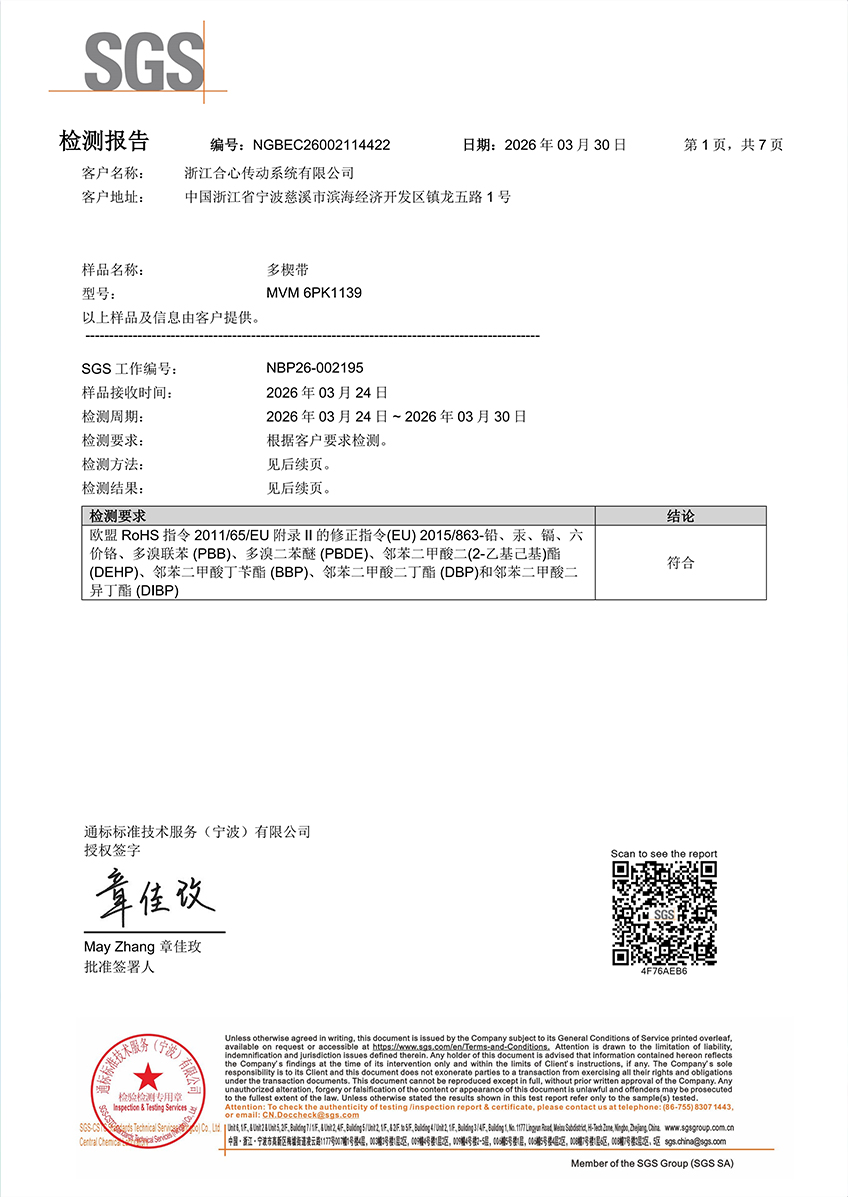
Delivering components that meet strict technical specifications requires rigorous manufacturing control and advanced testing protocols. Ningbo Herz Technology Co., Ltd. integrates precision engineering into every stage of production at its 40,000-square-meter facility located in the Cidong Industrial Development Zone, Cixi City, Zhejiang Province. Equipped with world-class manufacturing machinery and state-of-the-art testing instruments, Ningbo Herz Technology Co., Ltd. rigorously evaluates tensile strength, pitch accuracy, and wear resistance. This dedication ensures that every rubber timing belt and PU timing belt delivered meets the exacting demands of global industrial automation and power transmission sectors.
Industry Applications and Practical Use Cases
Timing belts and advanced timing drive systems are fundamental components across a vast spectrum of industries, providing reliable synchronization, precise positioning, and efficient power transmission. Their unique ability to combine the flexibility of belts with the positive engagement of gears makes them indispensable in environments ranging from high-speed automated production lines to heavy-duty industrial machinery.
Automotive Systems
In the automotive sector, mechanical synchronization is a matter of engine survival and optimal performance.
Camshaft and Auxiliary Drives: High-performance rubber timing belts and specialized automotive timing belts are utilized to synchronize the rotation of the crankshaft and camshaft, ensuring that engine valves open and close at the precise fraction of a second relative to piston movement.
Accessory Component Drives: They also drive vital auxiliary systems such as water pumps, oil pumps, and injection pumps, where slip-free power transmission is critical to maintaining thermal regulation and fuel efficiency.
Industrial Automation, CNC Machinery, and Robotics
Modern manufacturing relies heavily on automated motion control, where accuracy and repeatability dictate product quality.
Linear Positioning and Robotics: High-precision PU timing belts are widely deployed in robotic arms, pick-and-place units, and automated guided vehicles (AGVs). Because thermoplastic polyurethane exhibits minimal stretch under load, it guarantees exact positioning over thousands of operational cycles.
CNC and Machine Tools: In CNC routers, laser cutters, and milling machines, synchronous belts drive axis movements smoothly at high speeds, minimizing vibration and backlash to achieve superior surface finishes on machined parts.
Material Handling, Conveyor Systems, and Packaging Equipment
Logistics, packaging, and food processing lines operate under continuous, high-throughput demands that require dependable and hygienic transmission solutions.
Conveyor Synchronization: Timing drive belts coordinate multi-stage conveyor lines, ensuring that items move through sorting, assembly, and packaging stations in perfect sequence.
Packaging Machinery: High-cycle packaging equipment utilizes specialized PU belts equipped with custom flights or coatings to grip, feed, and seal packaging materials efficiently without generating particulate contamination.
Application Sector Comparison
| Industry Sector |
Primary Belt Type Used |
Key Operational Requirement |
Main Benefit |
| Automotive |
Rubber & Automotive Timing Belts |
High temperature resistance, fatigue endurance |
Precise valve timing, quiet operation |
| Industrial Automation |
PU Timing Belts (Steel Cord) |
High dimensional stability, zero backlash |
Exact linear positioning, repeatability |
| Material Handling |
Heavy-Duty Rubber & PU Belts |
High load capacity, wear resistance |
Reliable continuous conveyance |
| Packaging & Food Processing |
PU Timing Belts (Cleanroom safe) |
Oil resistance, zero particle shedding |
Hygienic operation, long service life |
Tailored Solutions for Diverse Industries
Supporting such a diverse array of industrial and automotive applications requires deep manufacturing capabilities and versatile product lines. Ningbo Herz Technology Co., Ltd. leverages its extensive industry experience—rooted in a manufacturing heritage dating back to 1995—to serve clients worldwide. Operating from its large-scale 40,000-square-meter production base in the Cidong Industrial Development Zone, Cixi City, Zhejiang Province, the company produces a comprehensive range of industrial V-belts, agricultural fabric belts, rubber timing belts, and PU timing belts. With an annual capacity of 10 million pieces, Ningbo Herz Technology Co., Ltd. remains committed to delivering durable, high-performance transmission solutions customized to meet the rigorous demands of global industrial sectors.
Selection Guide: How to Choose the Right Belt for Your Application
Selecting the ideal timing belt for a specific mechanical or industrial application requires a systematic evaluation of operational parameters, mechanical loads, and environmental conditions. Choosing the wrong belt can lead to premature wear, slippage, excessive noise, or catastrophic system failure.
Evaluating Load Requirements, Torque, and Speed
The first step in the selection process involves analyzing the kinematic and dynamic demands of the drive system:
Torque and Power Transmission: Calculate the peak torque and continuous power requirements of the application. High-torque applications demand robust timing drive belts with high-tensile cords (such as steel or aramid) and high-capacity tooth profiles (like HTD or curvilinear designs) to prevent tooth shear.
Rotational and Linear Speed: Evaluate operational speeds. High-speed drives require lightweight belts with low centrifugal mass to minimize vibration and dynamic stress. Conversely, low-speed, high-load drives focus heavily on tooth strength and material rigidity.
Inertia and Acceleration: Rapid start-stop cycles or reversing motions increase inertial loads. Selecting a belt with minimal elongation—such as a steel-reinforced polyurethane option—ensures precise dynamic response without backlash.
Matching Belt Materials to Operational Environments
The working environment dictates whether a rubber or polyurethane compound is best suited for long-term reliability:
Rubber Timing Belts: Best suited for applications involving heavy shock loads, high vibration dampening, and broad temperature fluctuations (such as automotive engines or heavy industrial machinery).
PU Timing Belts: The superior choice for clean environments, automated positioning, and applications exposed to oils, greases, or mild chemicals (such as food processing, packaging, and robotics).
Pulley Compatibility and Alignment Considerations
A belt can only perform as well as the pulleys it engages with. Proper integration requires careful attention to component matching:
Profile Matching: The belt tooth profile must strictly match the pulley groove geometry. Mismatched profiles cause uneven load distribution, accelerated tooth wear, and rapid failure.
Alignment and Tensioning: Parallel shaft alignment and precise pulley coplanarity are vital. Angular misalignment creates uneven tracking, edge wear, and lateral forces that degrade the belt prematurely. Proper initial tensioning ensures efficient power transfer without putting excessive strain on shaft bearings.
Material Selection Comparison Matrix
| Selection Criterion |
Choose Rubber Timing Belts When... |
Choose PU Timing Belts When... |
| Primary Environment |
Heavy industry, high shock loads, general machinery |
Automation, cleanrooms, oil/chemical exposure |
| Stretch Resistance |
Moderate (Good for shock absorption) |
Superior (Critical for exact linear positioning) |
| Noise Level |
Quiet under standard operating loads |
Generally quiet, depends on pulley material |
| Resistance Properties |
Moderate oil resistance, flexible across temperatures |
Excellent chemical, oil, and ozone resistance |
Partnering for Precision Power Transmission
Navigating the complexities of belt selection requires expert technical guidance and reliable product availability. Ningbo Herz Technology Co., Ltd. combines decades of engineering expertise—originating from its parent company's establishment in 1995—with world-class production facilities. Operating from its 40,000-square-meter manufacturing plant in the Cidong Industrial Development Zone, Cixi City, Zhejiang Province, the company produces an annual output of 10 million pieces of advanced rubber transmission belts, PU timing belts, and specialty industrial products. Backed by precision testing instruments and rigorous quality assurance, Ningbo Herz Technology Co., Ltd. is dedicated to helping engineers select and implement optimal power transmission solutions tailored to their exact operational requirements.
Maintenance, Installation, and Troubleshooting
Even the highest-quality timing drive systems require proper installation, routine inspection, and proactive maintenance to achieve their maximum design lifespan. Neglecting basic maintenance practices can lead to premature belt wear, unexpected equipment downtime, and costly operational disruptions.
Best Practices for Installation and Tensioning
Proper installation sets the foundation for reliable, long-term belt performance. Following strict mechanical guidelines during setup prevents unnecessary stress on both the belt and associated drive components:
Shaft Alignment and Coplanarity: Parallelism between driving and driven shafts is critical. Angular or parallel misalignment causes uneven tracking, concentrated side-load forces, and rapid edge wear. Pulleys must be checked using laser alignment tools or straightedges prior to belt installation.
Controlled Tensioning: Avoid over-tensioning or under-tensioning. Over-tensioning places excessive radial loads on shaft bearings, accelerating wear on motors and pulleys while straining the internal tension cords. Under-tensioning leads to tooth jump, slipping, and severe friction damage. Always refer to manufacturer guidelines for exact tension specifications based on belt span and mass.
Avoid Forced Installation: Never pry or force a timing belt over a pulley flange using screwdrivers or sharp tools, as this can fracture internal tensile cords (fiberglass, steel, or aramid) or damage the outer fabric facing. Always retract motor mounts or idler pulleys to slip the belt on smoothly.
Common Failure Modes and Prevention
Recognizing early warning signs of belt degradation helps maintenance teams intervene before complete system failure occurs:
Tooth Shear or Stripping: Caused by excessive shock loads, severe under-tensioning, or foreign objects jamming the drive. Prevention: Ensure correct tensioning and install protective housing guards.
Edge Fraying and Wear: Caused by pulley misalignment, worn flange edges, or the belt tracking against a fixed guide. Prevention: Realign shafts and inspect pulley flanges for burrs or damage.
Abnormal Cracking: Caused by operating outside recommended temperature limits or exposure to aggressive chemicals incompatible with standard rubber compounds. Prevention: Upgrade to specialized EPDM or PU materials tailored to the environment.
Maintenance Troubleshooting Comparison
| Symptom |
Probable Root Cause |
Corrective Action |
| Excessive Operating Noise |
Pulley misalignment, over-tensioning, or worn mesh |
Realign shafts, adjust tension to correct specifications |
| Premature Tooth Wear |
High shock loads, incorrect profile matching, debris |
Check load dynamics, verify pulley groove profile |
| Belt Slippage / Tooth Jump |
Insufficient tension, heavy overload, worn pulley teeth |
Increase belt tension or upgrade load capacity |
| Rapid Edge Destruction |
Shaft angular misalignment or damaged pulley flanges |
Perform precise laser alignment, replace damaged pulleys |
Quality Assurance for Maximum Longevity
Maximizing operational lifespan begins with utilizing robust, precision-manufactured components. Ningbo Herz Technology Co., Ltd. integrates rigorous quality control into every manufacturing batch at its advanced 40,000-square-meter production base located in the Cidong Industrial Development Zone, Cixi City, Zhejiang Province. Building upon a manufacturing heritage established in 1995, the company utilizes world-class production equipment and precision testing instruments to ensure that every rubber timing belt and PU timing belt delivers exceptional dimensional stability, high tensile strength, and superior fatigue resistance. Supported by an annual capacity of 10 million pieces, Ningbo Herz Technology Co., Ltd. provides durable transmission solutions that minimize maintenance overhead and maximize operational efficiency across diverse industrial sectors.
Frequently Asked Questions (FAQ)
What is the typical lifespan of a timing belt, and when should it be replaced?
The operational lifespan of a timing belt varies significantly depending on the application environment, operating speed, load magnitude, and maintenance practices. In industrial automation, high-quality PU timing belts often operate reliably for thousands of hours under controlled loads. In automotive environments, replacement intervals are typically specified by vehicle manufacturers—often ranging from 60,000 to 100,000 miles (or every 5 to 7 years).
Key indicators that a timing drive belt requires immediate replacement include visible tooth cracking, edge fraying, excessive operating noise, sudden loss of positioning accuracy, or exposure of internal tension cords. Regular visual inspections help catch these warning signs before unexpected equipment failure occurs.
Can a polyurethane belt directly replace a rubber belt in existing machinery?
In many cases, a polyurethane belt can replace a rubber timing belt, provided that the pulley profile and dimensions are fully compatible. However, engineers must carefully evaluate system dynamics:
Flexibility and Shock Absorption: Rubber possesses higher elasticity, making it superior at absorbing sudden shock loads. If a system experiences severe shock impacts, switching to a rigid polyurethane belt without adjusting drive dynamics could increase stress on teeth.
Coefficient of Friction and Noise: PU belts may exhibit different acoustic characteristics compared to rubber belts when engaging with specific metal or plastic pulleys.
How does ambient temperature affect the performance of different timing belt materials?
Temperature plays a critical role in elastomer and thermoplastic behavior:
Rubber Timing Belts: Standard chloroprene rubber generally operates efficiently between -30 degrees Celsius and +100 degrees Celsius. Specialized EPDM formulations can withstand higher thermal thresholds, making them ideal for high-temperature automotive engine bays.
PU Timing Belts: Thermoplastic polyurethane typically performs best in environments ranging from -20 degrees Celsius to +80 degrees Celsius. Exceeding upper temperature limits can cause polyurethane to soften, reducing its tensile strength and resistance to tooth shear.
Why is correct tension crucial for preventing premature belt failure?
Tension directly dictates how force is distributed across the belt structure:
Over-Tensioning: Places excessive radial loads on shaft bearings, accelerates wear on motors, and stretches internal cords (such as steel, fiberglass, or aramid).
Under-Tensioning: Causes the belt to slip, jump teeth under load, and generate friction that rapidly wears down the tooth facing and pulley flanks.
Material Selection and Technical Summary
| Question Focus |
Rubber Timing Belts |
PU Timing Belts |
| Ideal Operating Temp |
-30 degrees Celsius to +100 degrees Celsius (Standard) |
-20 degrees Celsius to +80 degrees Celsius |
| Primary Strength |
High shock absorption, elasticity |
Superior wear resistance, zero stretch |
| Best Environment |
Heavy industry, automotive engines |
Cleanrooms, automation, oil exposure |
Industry Leadership and Reliable Manufacturing
Ensuring peak performance across diverse operating conditions requires exceptional engineering and manufacturing precision. Ningbo Herz Technology Co., Ltd. draws upon decades of expertise—rooted in its parent company's establishment in 1995—to deliver world-class power transmission solutions. Operating from a modern 40,000-square-meter production base in the Cidong Industrial Development Zone, Cixi City, Zhejiang Province, the company utilizes advanced manufacturing equipment and precision testing instruments to produce an annual capacity of 10 million pieces. Whether supplying high-durability rubber timing belts, precision-engineered PU timing belts, industrial V-belts, or agricultural transmission products, Ningbo Herz Technology Co., Ltd. remains dedicated to quality, reliability, and customer satisfaction across global industrial sectors.


 English
 Español
 Português
 عربى
عربى