What is a Drive Belt Tensioner and Why Does It Matter?
In modern mechanical engineering and automotive power transmission systems, maintaining precise and consistent tension across belts is critical for efficient energy transfer. Whether operating a heavy-duty industrial conveyor system, an agricultural harvester, or an internal combustion engine, the drive belt relies heavily on a specialized component to maintain its grip: the drive belt tensioner. Without this vital mechanism, belts would quickly slip, lose rotational efficiency, experience rapid thermal degradation, and ultimately fail, leading to catastrophic downtime.
Definition & Core Function
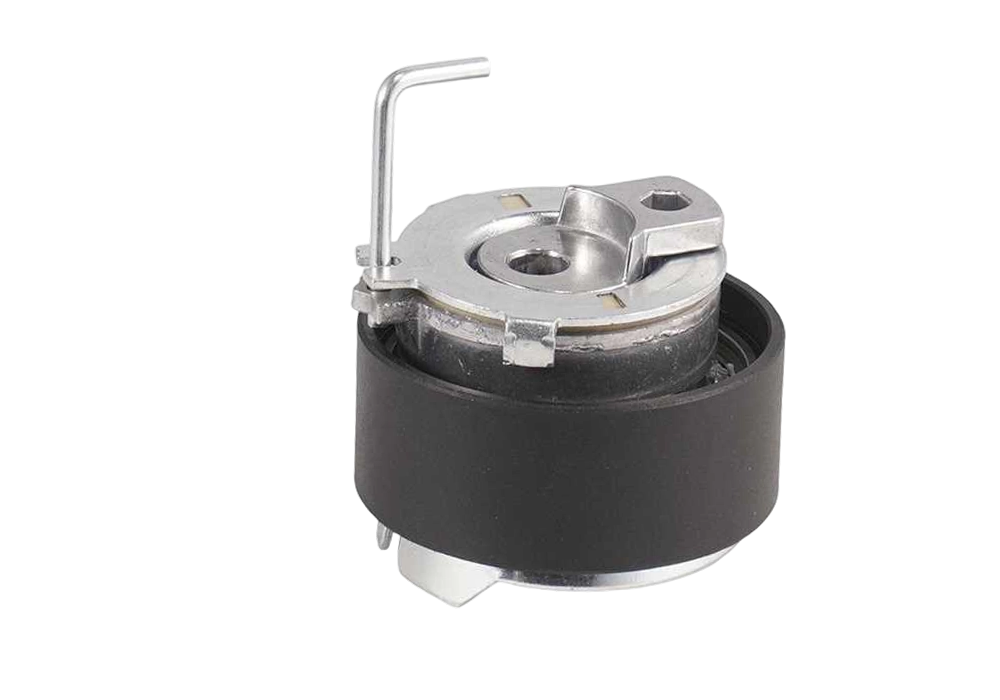
At its core, a drive belt tensioner is a mechanical or hydraulic device designed to apply a constant, predetermined amount of tension to a drive belt (such as a serpentine belt, V-belt, or timing belt). As belts operate under high rotational speeds, continuous friction, and fluctuating temperatures, they naturally stretch and fatigue over time. The drive belt tensioner compensates for this thermal expansion and mechanical wear by automatically adjusting its position, ensuring that the belt remains securely gripped against the pulleys of accessory components like alternators, water pumps, power steering pumps, and air conditioning compressors.
The core functions of an optimal tensioner include:
- Preventing Slippage: Maintaining adequate frictional contact between the belt and pulley grooves to eliminate power loss and squealing noises.
- Absorbing Vibrations: Dampening harmonic oscillations and sudden torque spikes generated by the engine or industrial motor.
- Extending Component Lifespan: Reducing excessive side-load stress on accessory shaft bearings by preventing over-tightening.
The Role in Automotive and Industrial Machinery
The application scope of belt tensioning systems spans across diverse sectors, ranging from passenger vehicles to heavy-duty industrial production lines and agricultural machinery.
In automotive applications, the serpentine belt tensioner ensures that all auxiliary engine accessories receive uninterrupted mechanical power. A failure here directly affects vehicle operation, potentially causing battery discharge due to alternator failure or engine overheating from water pump stoppage.
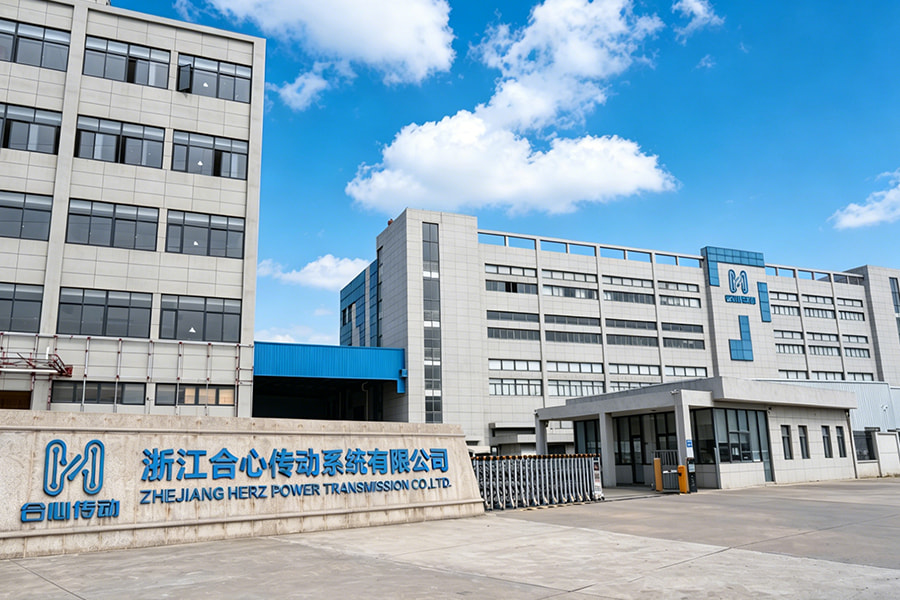
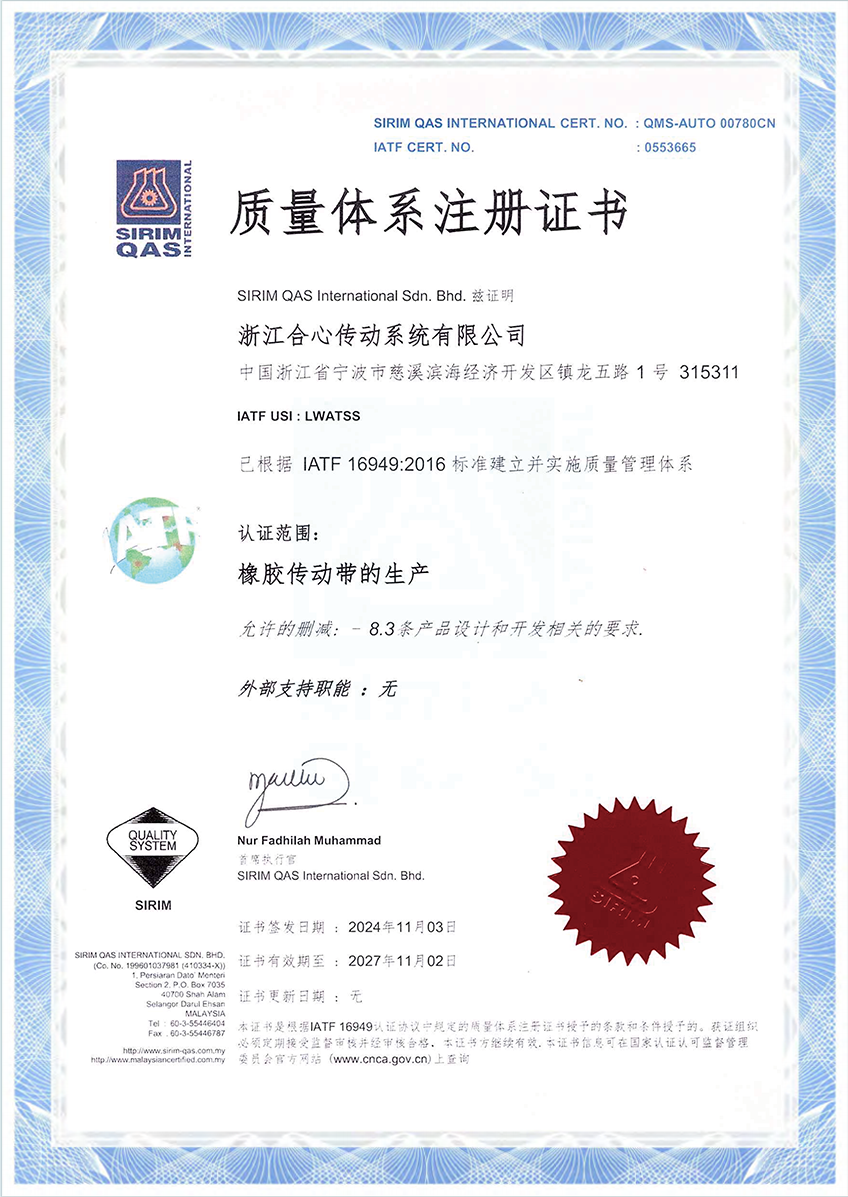
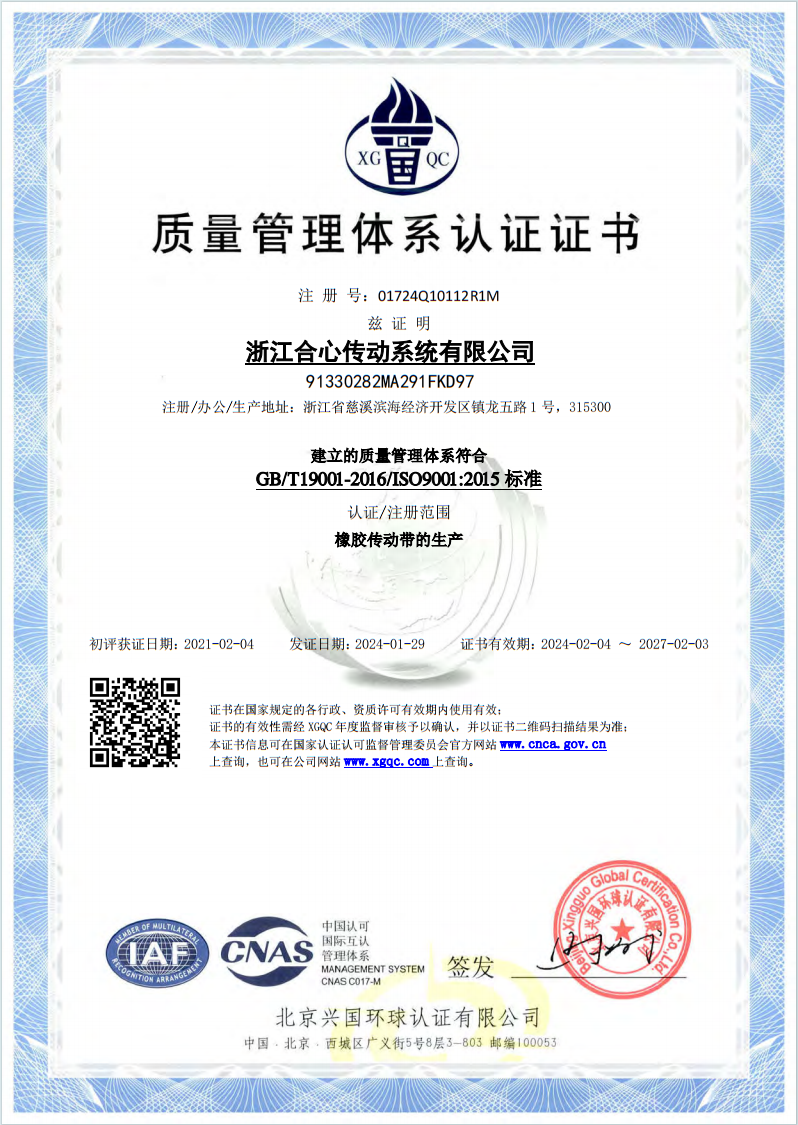
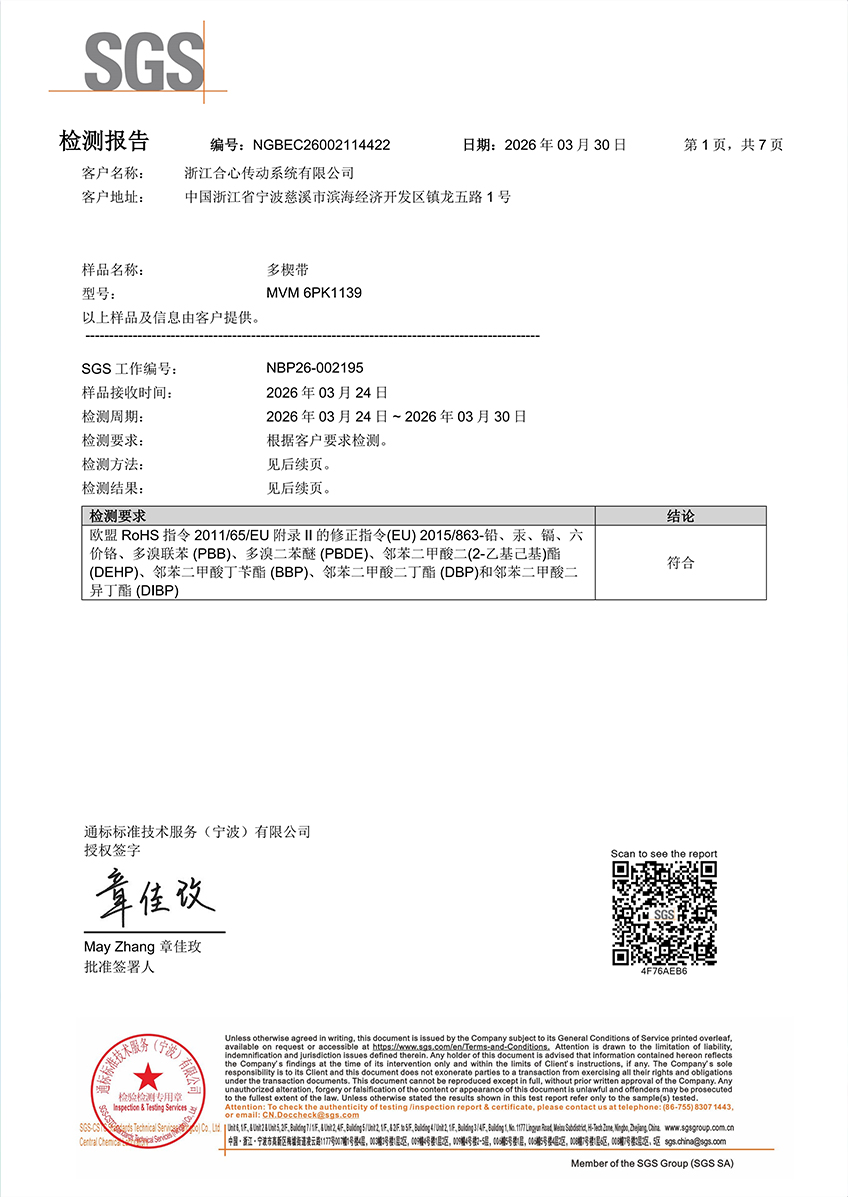
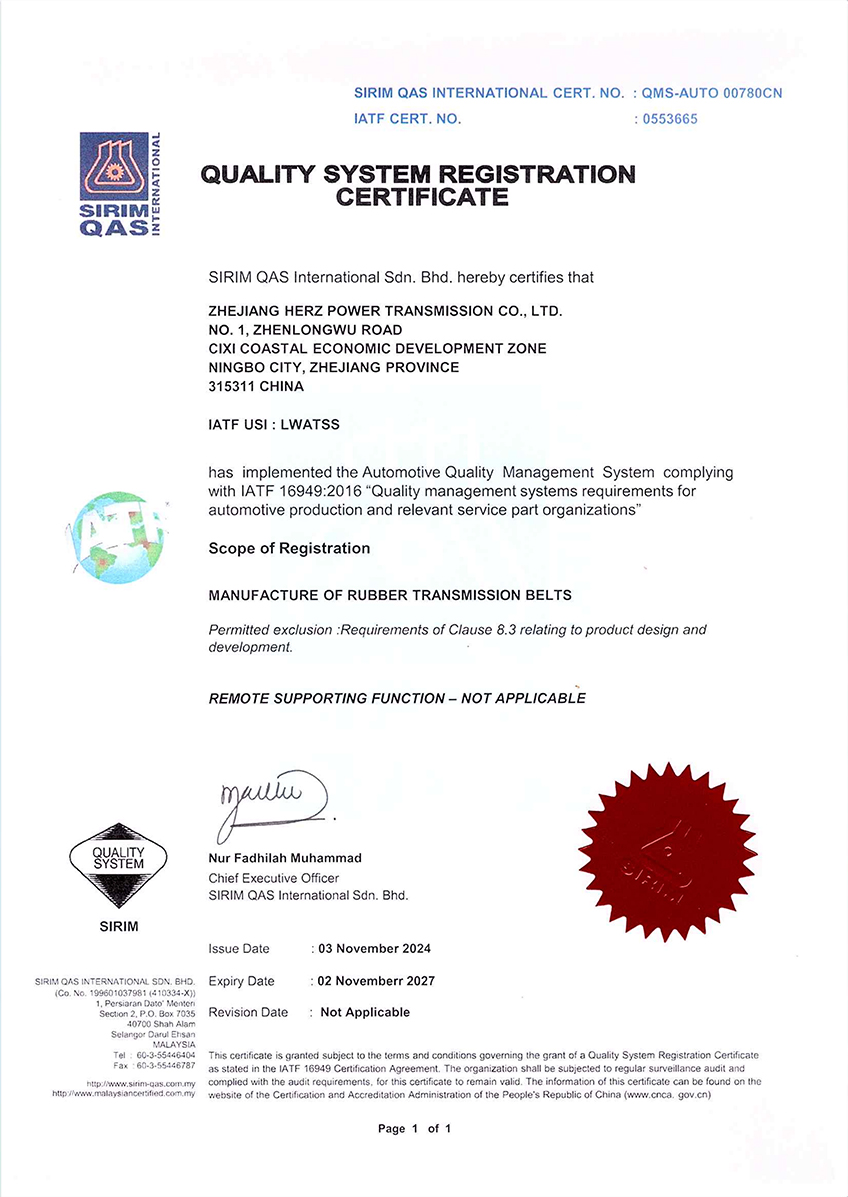
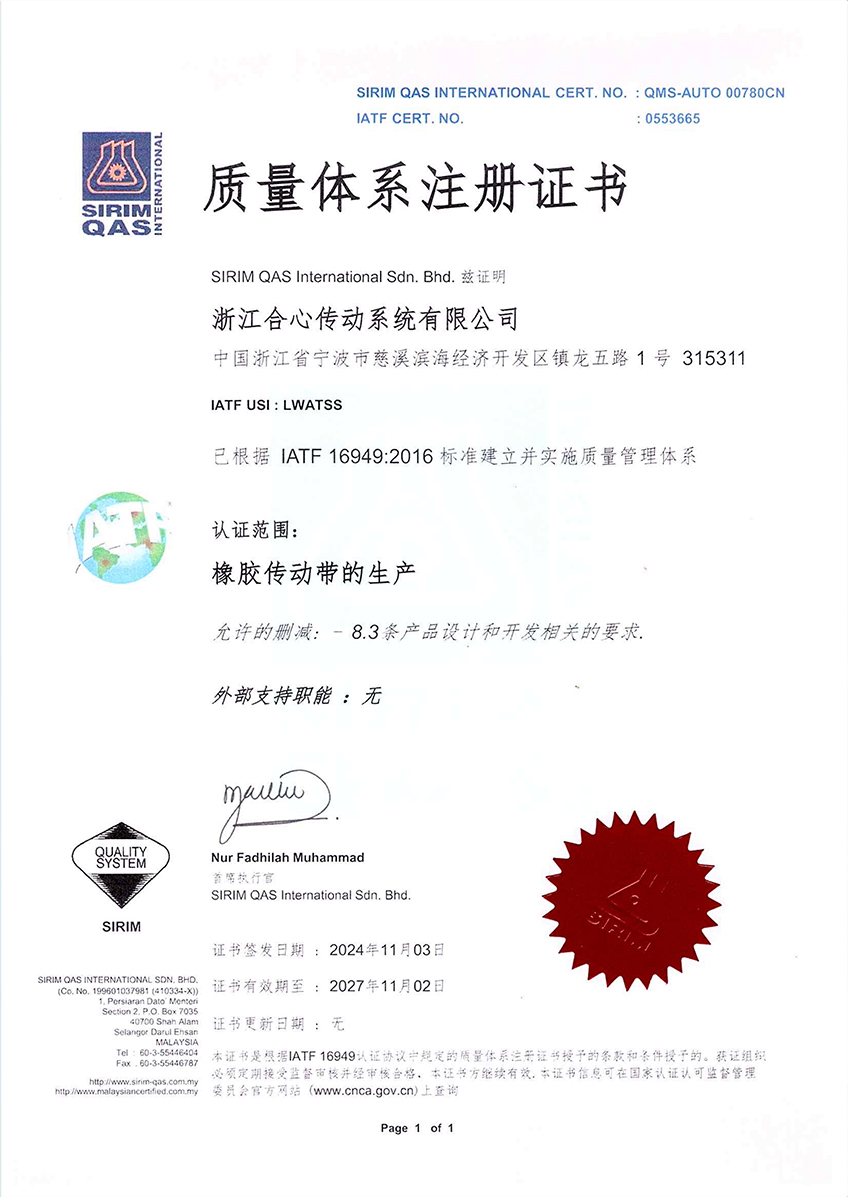
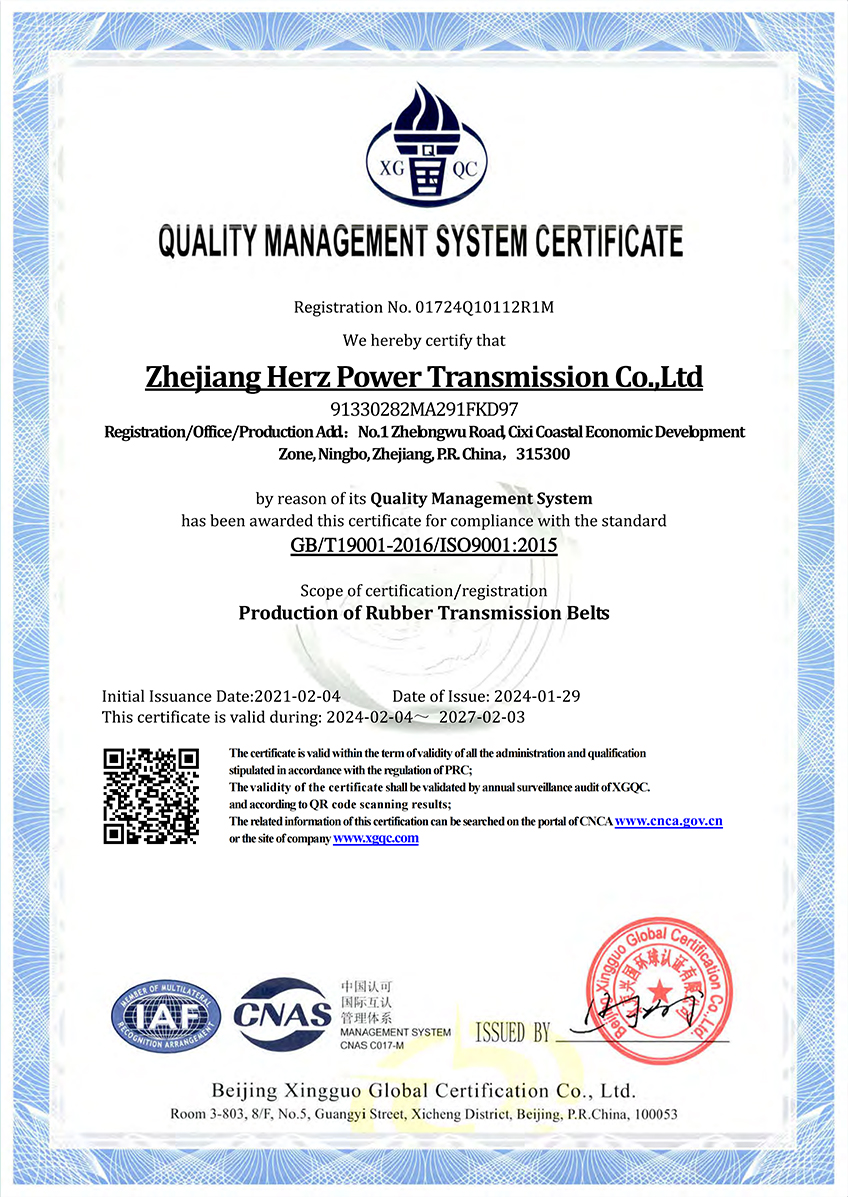
In industrial and agricultural machinery—where equipment operates under grueling continuous duty cycles—reliable tensioning is even more critical. High-torque drives in manufacturing plants and agricultural combines demand robust components. This is where advanced engineering solutions from Ningbo Herz Technology Co., Ltd. play an indispensable role. Building upon decades of manufacturing expertise from its parent company, Zhejiang Hexin Transmission System Co., Ltd. (founded in 1995), Ningbo Herz Technology Co., Ltd. operates out of a state-of-the-art 40,000-square-meter production base in Cidong Industrial Development Zone, Cixi City, Zhejiang Province. Equipped with world-class manufacturing machinery and precision testing instruments, the company produces up to 10 million pieces of high-quality rubber transmission belts annually, working seamlessly alongside engineered tensioning systems to guarantee peak mechanical efficiency.
Core Keywords Integration and Parameter Comparison
To understand how modern tensioning solutions operate under different operational parameters, engineers often evaluate specific technical characteristics. When integrating a standard drive belt tensioner or a universal drive tensioner, performance metrics must match the operational environment.
| Performance Parameter |
Mechanical Spring Tensioner |
Hydraulic Dampened Tensioner |
Universal Adjustable Tensioner |
| Damping Mechanism |
Torsion spring coil |
Fluid-filled hydraulic cylinder |
Adjustable threaded bolt / Lock nut |
| Load Responsiveness |
Moderate; reactive to sudden spikes |
High; absorbs high-frequency vibrations |
Fixed or semi-flexible manual setting |
| Typical Application |
Light automotive accessory drives |
High-output engines & heavy machinery |
Custom builds, agriculture, conveyors |
| Maintenance Requirement |
Periodic inspection for spring fatigue |
Check for fluid leaks and seal integrity |
Regular manual retightening and alignment check |
| Operating Temperature Range |
-40°C to 120°C |
-40°C to 140°C |
-30°C to 130°C |
By selecting the appropriate tensioner type based on these parameters, engineers ensure that power transmission systems maintain optimal tension, minimizing maintenance frequency and maximizing operational uptime across industrial and automotive landscapes.
Key Components and Mechanical Design
The structural integrity and operational efficiency of any power transmission setup depend heavily on the internal engineering of its tensioning system. Whether dealing with a specialized automotive application or a flexible industrial layout, understanding the mechanical anatomy ensures better maintenance and selection.
Pulley, Spring, and Arm Assembly
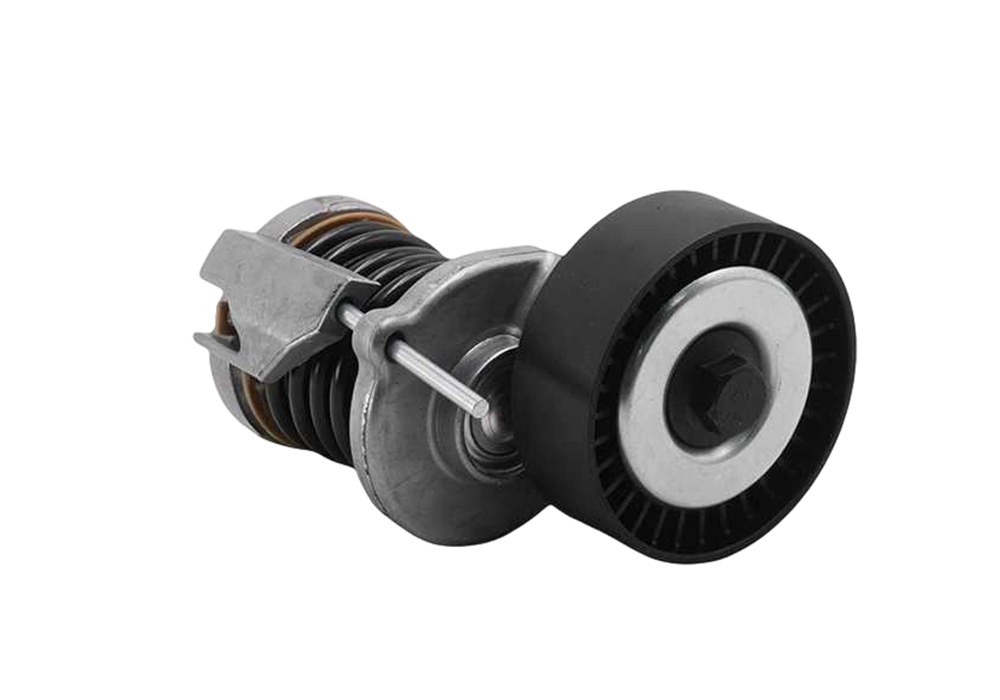
At the structural heart of a standard tensioner are three primary components: the pulley, the pivot arm, and the internal spring mechanism.
- The Pulley: Typically manufactured from stamped steel, cast aluminum, or high-grade thermoplastic polymers, the pulley houses a precision sealed ball bearing that allows smooth, high-speed rotation under heavy radial loads.
- The Pivot Arm: Acting as the lever that transmits force, the arm must possess high tensile strength to resist bending under continuous belt pulling forces.
- The Spring Mechanism: This provides the constant biasing force. In mechanical units, a high-tensile torsion spring stores rotational energy to push the pulley firmly against the belt.
Mechanical vs. Hydraulic Tensioners
Engineers often evaluate damping types based on load characteristics and environmental stressors. The table below outlines the core mechanical and operational differences between these two primary designs:
| Design Feature |
Mechanical Spring Tensioners |
Hydraulic Dampened Tensioners |
| Primary Damping Force |
Steel torsion spring coil |
Fluid-filled cylinder with internal piston |
| Vibration Absorption |
Relies on spring elasticity and friction bushings |
Superior absorption of rapid, high-frequency engine pulses |
| Wear Characteristics |
Spring fatigue over extended lifecycle |
Potential seal degradation and fluid leakage over time |
| Cost and Complexity |
Simpler design; cost-effective |
More complex engineering; higher initial cost |
| Ideal Operational Environment |
Standard accessory drives and steady industrial loads |
High-performance engines, variable-speed industrial drives, heavy diesel setups |
Material Selection and Manufacturing Excellence
To withstand the harsh thermal and frictional environments found inside engine bays and industrial machinery housings, component durability is non-negotiable. High-grade materials such as heat-treated alloy steels, corrosion-resistant coatings, and high-temperature synthetic polymers are standard in premium production lines.
Achieving this level of precision and material durability requires state-of-the-art manufacturing facilities. At Ningbo Herz Technology Co., Ltd., advanced engineering principles are integrated directly into production. Leveraging the extensive technical foundation of its parent company, Zhejiang Hexin Transmission System Co., Ltd.—established in 1995—Ningbo Herz Technology Co., Ltd. operates from a sprawling 40,000-square-meter production base in the Cidong Industrial Development Zone, Cixi City, Zhejiang Province. Equipped with world-class manufacturing machinery and cutting-edge precision testing instruments, the company ensures that every transmission component, from specialized rubber belts to support hardware, meets rigorous international quality standards. With an annual production capacity reaching 10 million pieces, Ningbo Herz Technology Co., Ltd. continues to deliver reliable, durable power transmission solutions to global industrial and automotive markets.
Understanding the Universal Drive Tensioner
While OEM (Original Equipment Manufacturer) tensioners are engineered for specific vehicle models or fixed industrial machines, many engineering challenges, custom builds, and unique production lines require a more adaptable approach. This is where the universal drive tensioner becomes an invaluable asset in mechanical design.
What Makes a Tensioner "Universal"?
Unlike fixed-application components that are bound to exact bolt patterns and specific engine blocks, a universal drive tensioner is engineered for maximum versatility. Key design traits include:
- Adjustable Mounting Brackets: Slotted mounting holes or modular base plates allow technicians to position the tensioner accurately along various structural frames.
- Interchangeable Pulleys: Many universal units permit the swapping of smooth or grooved pulleys of varying diameters to accommodate different belt widths (such as standard V-belts, poly-V belts, or timing belts).
- Flexible Load Adjustment: Manual or spring-loaded adjustment screws enable precise control over the tensioning force applied to custom or non-standard span lengths.
Applications Across Industries
The adaptability of a universal drive tensioner makes it suitable for a wide array of demanding mechanical environments:
- Custom Automotive and Racing Builds: Ideal for engine swaps, custom supercharger installations, or hot rods where factory routing no longer applies.
- Agricultural Machinery: Used in combines, tractors, and harvesters where heavy seasonal workloads require robust, field-serviceable power transmission components.
- Industrial Conveyor and Material Handling Systems: Applied in complex conveyor networks to maintain consistent belt tension across long roller spans, preventing slippage under heavy loads.
Pros, Cons, and Technical Parameter Comparison
When deciding whether to implement a custom setup with a universal drive tensioner or a dedicated fixed unit, engineers weigh several operational trade-offs:
| Evaluation Factor |
Dedicated OEM Tensioner |
Universal Drive Tensioner |
| Installation Flexibility |
Rigid; restricted to one specific model or layout |
High; adjustable brackets fit diverse custom setups |
| Setup Time |
Quick bolt-on installation with factory alignment |
Requires manual calibration, alignment checks, and bracket adjustment |
| Cost-Effectiveness |
Higher replacement cost due to specific part numbers |
Cost-effective and versatile across multiple machinery types |
| Load Capacity Limit |
Optimized for calculated factory loads |
Varies based on structural mounting rigidity and manual torque |
| Replacement Availability |
Specific to brand/model availability |
Highly interchangeable and widely stockable for maintenance teams |
Engineering Precision and Manufacturing Standards
Designing and deploying versatile power transmission solutions requires rigorous quality control and advanced production capabilities. At Ningbo Herz Technology Co., Ltd., the synergy between innovative design and robust manufacturing ensures that transmission accessories operate reliably under extreme conditions. Backed by the extensive manufacturing experience of its parent company, Zhejiang Hexin Transmission System Co., Ltd., founded in 1995, Ningbo Herz Technology Co., Ltd. operates a massive 40,000-square-meter production base located in the Cidong Industrial Development Zone, Cixi City, Zhejiang Province. Equipped with world-class production machinery and precision testing instruments, the company ensures that every product—ranging from agricultural fabric belts and poly-V belts to specialized industrial transmission parts—meets the highest durability standards. With an annual capacity of 10 million pieces, Ningbo Herz Technology Co., Ltd. supports global industries with dependable components that complement both specialized and universal drive tensioner systems.
Common Signs of Tensioner Failure
Because the drive belt tensioner and any integrated universal drive tensioner operate under constant mechanical stress, thermal cycling, and high rotational friction, they eventually experience wear and tear. Recognizing the early warning signs of component degradation is vital to preventing sudden mechanical breakdowns, costly equipment downtime, or secondary damage to auxiliary systems.
Squealing, Chirping, or Grinding Noises
One of the most immediate indicators of a failing tensioner is abnormal auditory feedback from the engine bay or industrial machinery housing:
- Chirping or Squealing: Often indicates that the tensioner is failing to maintain adequate pressure, causing the belt to slip across the pulley surface. It can also point to a dry or worn-out internal pulley bearing.
- Grinding or Rapping: A heavy metallic grinding sound usually signifies complete bearing failure, where internal ball bearings have disintegrated, allowing metal-on-metal contact.
Visible Wear and Malalignment
Physical inspection often reveals structural distress before total failure occurs. Maintenance technicians should routinely check for:
- Pulley Wobble or Misalignment: If the tensioner arm or pulley tracks off-center during operation, the belt will rapidly fray along its edges or jump off the pulley grooves entirely.
- Arm Cracks or Spring Fatigue: In mechanical units, a sagging arm or a weakened torsion spring means the component can no longer generate the necessary biasing force.
- Fluid Leaks: For hydraulic tensioners, oil seepage around the piston housing indicates internal seal failure, resulting in a complete loss of damping capability.
Accessory Component Malfunction
When a tensioner loses its ability to regulate belt tension properly, the downstream impact directly affects driven accessories. In automotive setups, this manifests as dimming headlights or battery warning lights (due to alternator under-speed), heavy steering (power steering pump slip), or loss of cool air (A/C compressor lag). In industrial and agricultural machinery, slack belts lead to drops in conveyor speed, hydraulic pump pressure loss, and compromised harvesting output.
Failure Symptom and Parameter Diagnostic Guide
To assist maintenance personnel in quickly diagnosing underlying faults, the following parameter comparison outlines common failure modes, their primary root causes, and immediate impacts:
| Symptom / Observable Sign |
Primary Root Cause |
Affected Component / System |
Immediate Operational Risk |
| High-pitched Squeal |
Insufficient tension or glazed belt surface |
Serpentine / Poly-V belt & Pulley interface |
Power transmission loss, accessory slip |
| Metallic Grinding |
Internal bearing seizure or cage fracture |
Tensioner pulley bearing |
Total pulley lockup, friction smoke, belt snapping |
| Belt Edge Fraying |
Pulley misalignment or bent pivot arm |
Drive belt & mounting bracket |
Sudden belt ejection and immediate shutdown |
| Loss of Damping / Bounce |
Internal fluid leak or broken torsion spring |
Spring / Hydraulic cylinder |
Severe belt vibration, harmonic noise, slip |
Maintaining Reliability Through Quality Manufacturing
Preventing premature failure begins with installing high-durability components built to rigorous industrial standards. At Ningbo Herz Technology Co., Ltd., strict quality protocols ensure that every transmission-related product engineered for industrial and automotive applications delivers long-term operational stability. Drawing on the rich manufacturing heritage of its parent company, Zhejiang Hexin Transmission System Co., Ltd., established in 1995, Ningbo Herz Technology Co., Ltd. operates a specialized 40,000-square-meter production base situated in the Cidong Industrial Development Zone, Cixi City, Zhejiang Province. Equipped with world-class production equipment and advanced precision testing instruments, the company produces up to 10 million pieces of high-quality rubber transmission belts and related components annually. By combining robust drive systems with reliable tensioning hardware, industries worldwide can effectively mitigate the risks associated with mechanical wear and unexpected downtime.
Step-by-Step Replacement and Maintenance Guide
Proper maintenance and correct replacement procedures are essential for maximizing the operational lifespan of power transmission systems. Whether servicing a standard automotive setup or integrating a universal drive tensioner into custom industrial machinery, following a structured workflow prevents premature component wear, belt misalignment, and unexpected operational failures.
Tools Required for Replacement
Before starting any maintenance procedure, gathering the appropriate tools ensures safety and efficiency:
- Ratchet and Socket Set: Sized specifically to fit the tensioner mounting bolts and pulley fasteners.
- Serpentine Belt Tool / Breaker Bar: Provides the necessary leverage to rotate spring-loaded tensioner arms and relieve belt tension.
- Torque Wrench: Crucial for tightening new mounting bolts to manufacturer-specified torque limits.
- Safety Gear: Mechanics gloves and protective eyewear to guard against sudden spring releases or sharp edges.
Removing the Old Tensioner
Safety First: Ensure the engine or industrial drive motor is completely powered off, cooled down, and locked out/tagged out if necessary.
Document Belt Routing: Sketch or photograph the current belt routing diagram to ensure accurate reinstallation.
Relieve Tension: Attach the serpentine belt tool or breaker bar to the tensioner's designated square drive or bolt head, and rotate the arm carefully to release tension off the belt.
Slip the Belt Off: Slide the belt off the alternator or an accessible adjacent pulley, then slowly release the tensioner arm back to its relaxed rest position.
Unbolt the Worn Unit: Remove the central mounting bolt(s) securing the tensioner assembly to the engine block or mounting bracket, and extract the old unit.
Installing the New Unit and Universal Configurations
Inspect Mounting Surfaces: Clean the mounting pad thoroughly to remove dirt, grease, or corrosion, ensuring a flat, flush surface for the new drive belt tensioner.
Position and Torque: Mount the new tensioner or universal drive tensioner in place. Hand-thread the bolts, then use a calibrated torque wrench to tighten them to the exact engineering specification. Avoid over-torquing, which can warp mounting bases.
Route the Belt: Carefully thread the drive belt across all accessory pulleys, leaving the tensioner pulley for last.
Tension and Secure: Rotate the tensioner arm to create slack, slip the belt over the final pulley, and gently release the arm to apply balanced tension.
Post-Installation Inspection and Maintenance Parameters
After installation, performing a comprehensive check guarantees system reliability:
- Alignment Check: Manually rotate the drive system one full revolution to verify that the belt rides squarely within all pulley grooves without drifting or overlapping.
- Operational Test: Start the machinery briefly to listen for smooth rotation and check for abnormal vibrations or squealing sounds.
To help technicians establish effective routine inspection schedules, the following parameter comparison outlines maintenance intervals and threshold checks:
| Maintenance Stage |
Inspection Action |
Recommended Frequency / Threshold |
Potential Risk if Ignored |
| Visual Check |
Inspect belt tracking, surface cracking, and pulley wobble |
Every 15,000 miles or 250 operating hours |
Edge fraying, sudden belt snapping |
| Tensioner Bounce Test |
Observe arm stability and damping responsiveness under load |
Semi-annually or during routine oil changes |
Excessive belt vibration, accessory slip |
| Bearing Noise Check |
Listen for dry ticking or metallic grinding sounds from the pulley |
Monthly for high-duty industrial cycles |
Total bearing seizure, friction smoke |
| Full Assembly Replacement |
Replace both the drive belt and tensioner unit simultaneously |
Every 60,000 to 100,000 miles |
Catastrophic component fatigue and unexpected downtime |
Engineering Precision Behind Reliable Transmission
Achieving long-term durability in power transmission requires both high-performance tensioning systems and robust drive belts. At Ningbo Herz Technology Co., Ltd., advanced manufacturing processes are implemented to produce dependable transmission components for global industries. Operating from a 40,000-square-meter state-of-the-art production base in the Cidong Industrial Development Zone, Cixi City, Zhejiang Province, the company builds upon the rich manufacturing heritage of its parent company, Zhejiang Hexin Transmission System Co., Ltd., founded in 1995. Equipped with world-class production equipment and precision testing instruments, the company delivers up to 10 million pieces annually—including agricultural fabric belts, agricultural edge-cut belts, rubber timing belts, poly-V belts, industrial V-belts, and automotive timing belts. By combining high-precision belts with expertly maintained tensioners, operations achieve maximum efficiency and extended service life.
Frequently Asked Questions (FAQ)
When managing power transmission systems, maintenance engineers, technicians, and equipment operators often encounter specific operational challenges. Below are answers to some of the most common questions regarding belt tensioning systems, paired with essential technical insights.
How often should a drive belt tensioner be replaced?
Under normal operating conditions, a standard drive belt tensioner or a universal drive tensioner should typically be inspected every 15,000 miles or 250 operating hours, and replaced preventive-wise alongside serpentine or poly-V belt changes—usually between 60,000 and 100,000 miles. Because internal springs and dampening mechanisms fatigue over time due to continuous thermal cycling and high-frequency vibrations, replacing the tensioner at the same time as the belt prevents premature wear on the new belt.
Can I replace just the pulley instead of the entire tensioner assembly?
While replacement pulleys are widely available on the market, replacing only the pulley while keeping an old tensioner arm and spring is generally discouraged by mechanical engineers. The internal spring mechanism and pivot bushings suffer equal or greater wear compared to the bearing inside the pulley. If the spring has lost its tension or the pivot bushing has developed lateral play, installing a new pulley will not restore proper belt tension, leading to recurring slip and vibration issues.
What happens if a drive belt tensioner seizes completely?
A total seizure of the tensioner pulley or pivot arm creates immediate, severe mechanical risks:
- Friction and Smoke: The stationary pulley creates immense friction against the moving belt, rapidly generating heat, burning the rubber, and causing smoke.
- Belt Snap: The extreme friction and binding force will snap the drive belt within seconds.
- Accessory Shutdown: Power to the alternator, water pump, and power steering pump is cut off instantly, resulting in immediate battery discharge, loss of steering control, or engine overheating.
How do I adjust a manual universal drive tensioner?
Unlike automatic spring-loaded units, a universal drive tensioner typically relies on a manual adjustment bolt, threaded rod, or slotted locking bracket. To adjust it properly:
Step 1: Loosen the primary mounting and locking bolts just enough to allow controlled sliding movement of the tensioner arm.
Step 2: Apply the required torque or leverage to push the pulley against the belt until the proper deflection or tension is achieved.
Step 3: Securely tighten the lock nuts and mounting bolts to the recommended torque specification.
Step 4: Rotate the drive system manually by one full revolution and recheck the tension to ensure no over-tightening has occurred.
Technical Parameter & Maintenance Quick Reference
| Operational Concern |
Recommended Action / Threshold |
Potential Consequence of Neglect |
| Tensioner Replacement Interval |
Every 60,000 to 100,000 miles (or 1,500 operating hours) |
Internal spring fatigue, belt slip, and component failure |
| Pulley Replacement Strategy |
Replace the complete tensioner assembly, not just the pulley |
Uneven tension, premature bearing wear, or arm binding |
| Manual Adjustment Limit |
Calibrate to manufacturer deflection specs (avoid over-tightening) |
Excessive radial load on accessory shaft bearings |
| Operating Temperature Tolerance |
Maintain standard operating range between -40°C and 130°C |
Seal degradation, fluid breakdown, or polymer cracking |
Engineering Excellence for Global Transmission Systems
Ensuring reliable power transmission across automotive and industrial sectors requires uncompromising quality in both drive belts and tensioning components. At Ningbo Herz Technology Co., Ltd., advanced engineering and stringent quality control protocols are applied to every stage of manufacturing. Building upon the extensive expertise of its parent company, Zhejiang Hexin Transmission System Co., Ltd., established in 1995, Ningbo Herz Technology Co., Ltd. operates a specialized 40,000-square-meter production base in the Cidong Industrial Development Zone, Cixi City, Zhejiang Province. Equipped with world-class production equipment and precision testing instruments, the company produces an annual capacity of 10 million pieces, including agricultural fabric belts, agricultural edge-cut belts, rubber timing belts, poly-V belts, industrial V-belts, and automotive timing belts. By combining high-precision transmission belts with reliable tensioning hardware, industries worldwide achieve superior mechanical efficiency and long-term operational durability.


 English
 Español
 Português
 عربى
عربى