I. The Core Link of the Drive Belt System: Basic Understanding of Drive Belt Idler Pulley
Inside the engine compartments of modern internal combustion engines and some new energy vehicle models, intricate accessory drive systems are densely distributed. Within this precision network connecting generators through serpentine belts, every single component plays an indispensable role in power transmission. Among them, the Drive Belt Idler Pulley, serving as the most fundamental yet strategically significant component, directly determines the operating efficiency and lifespan of the entire transmission system.
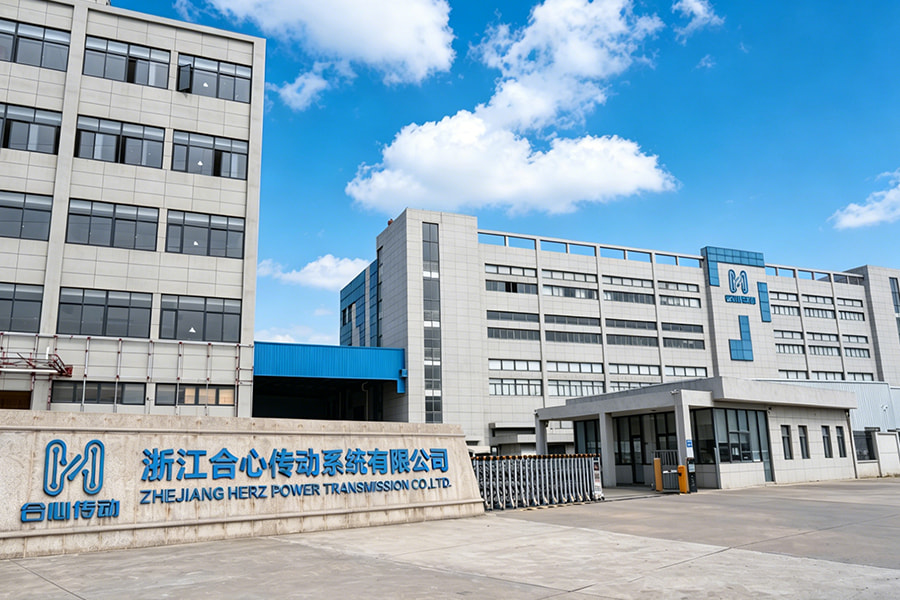
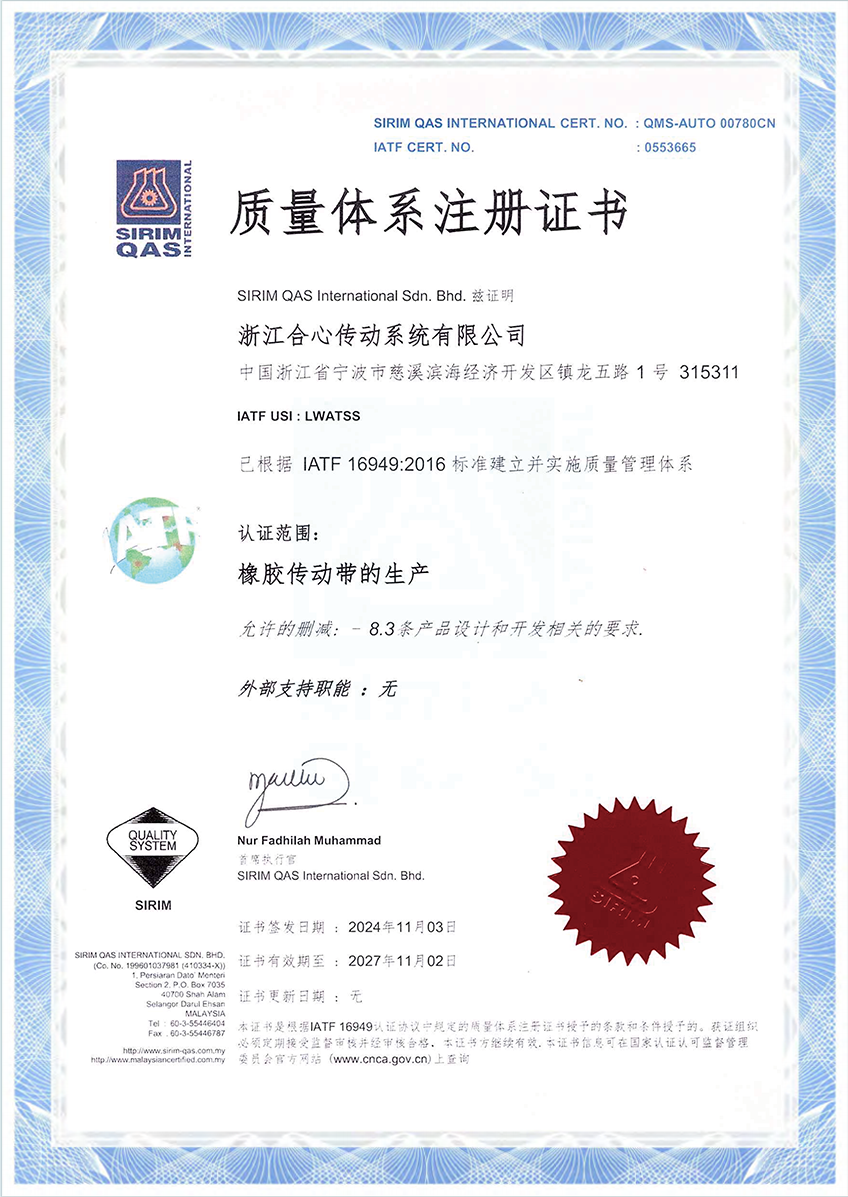
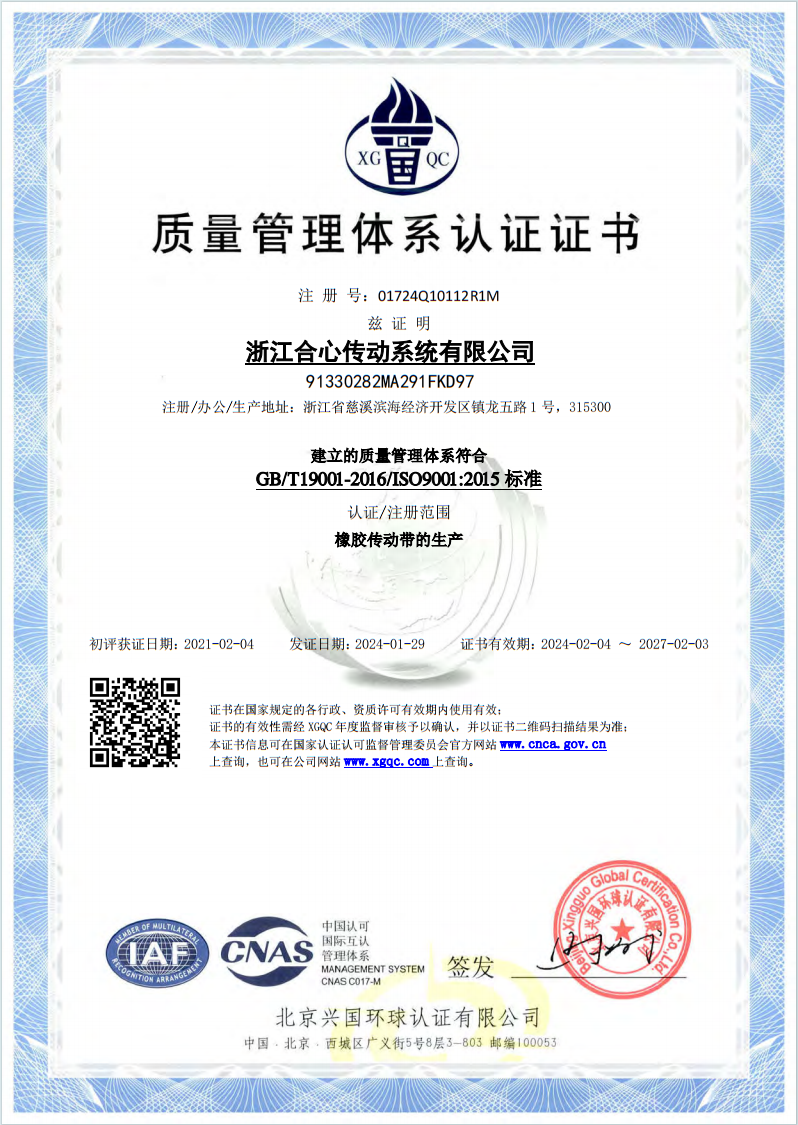
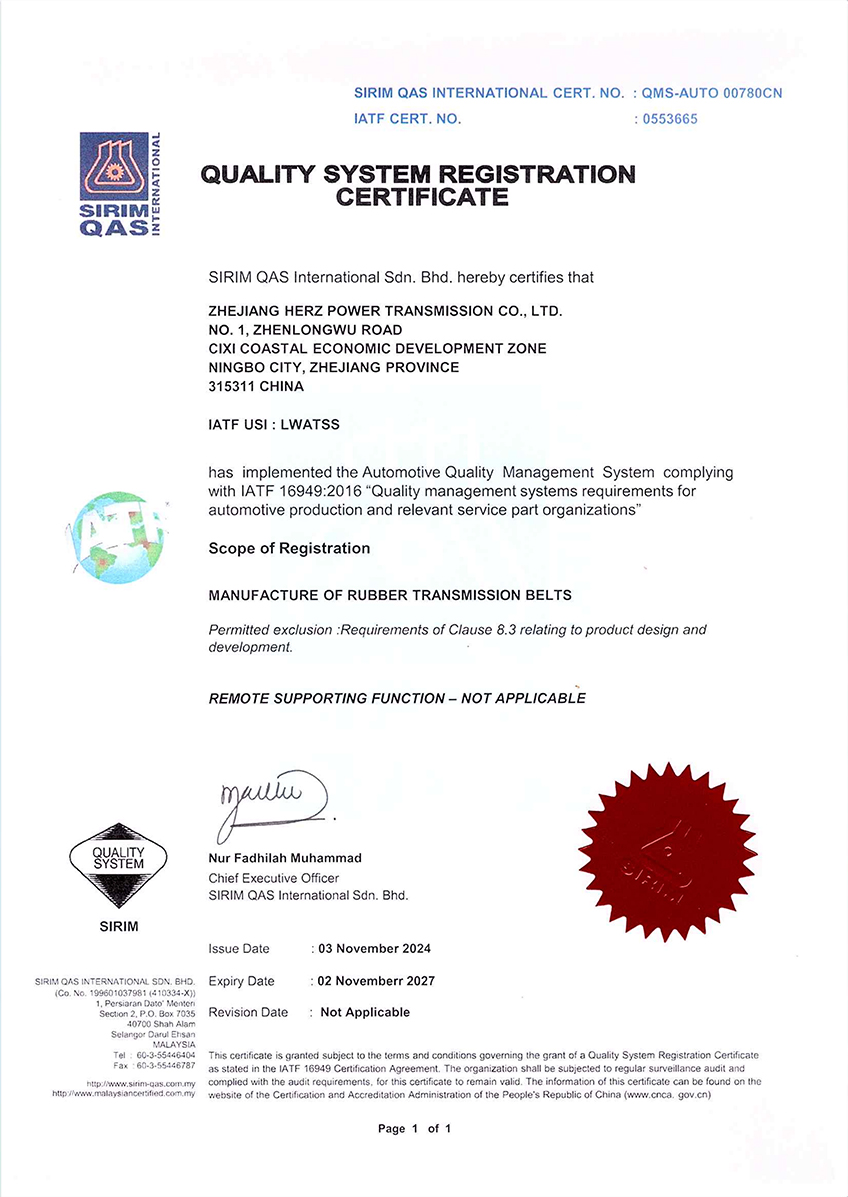
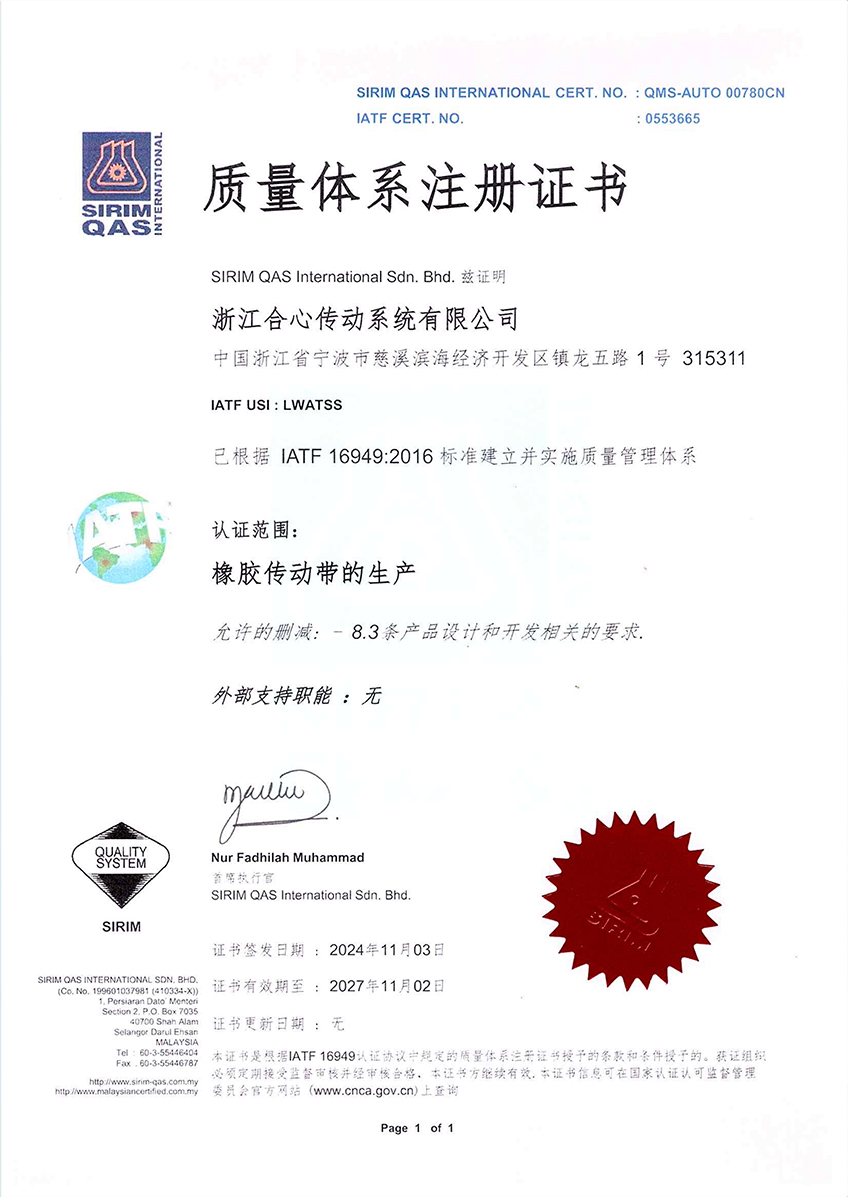
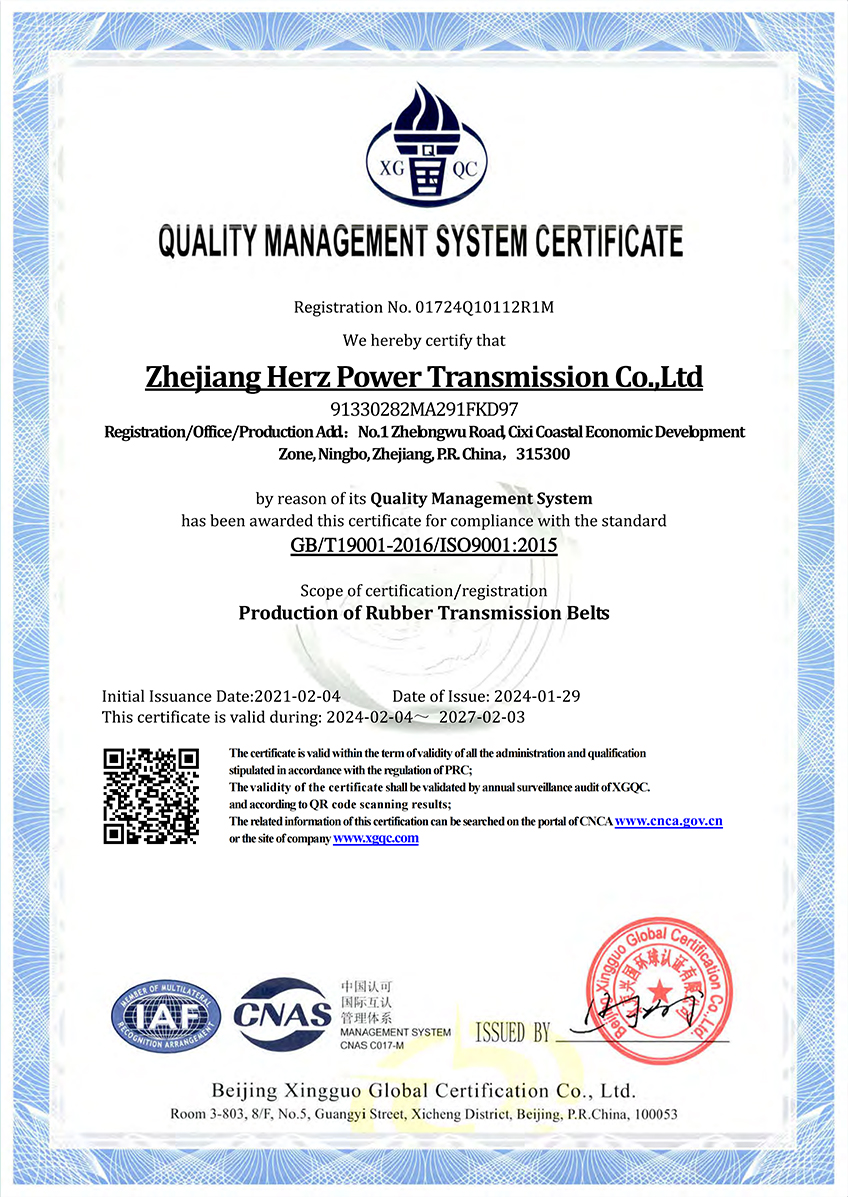
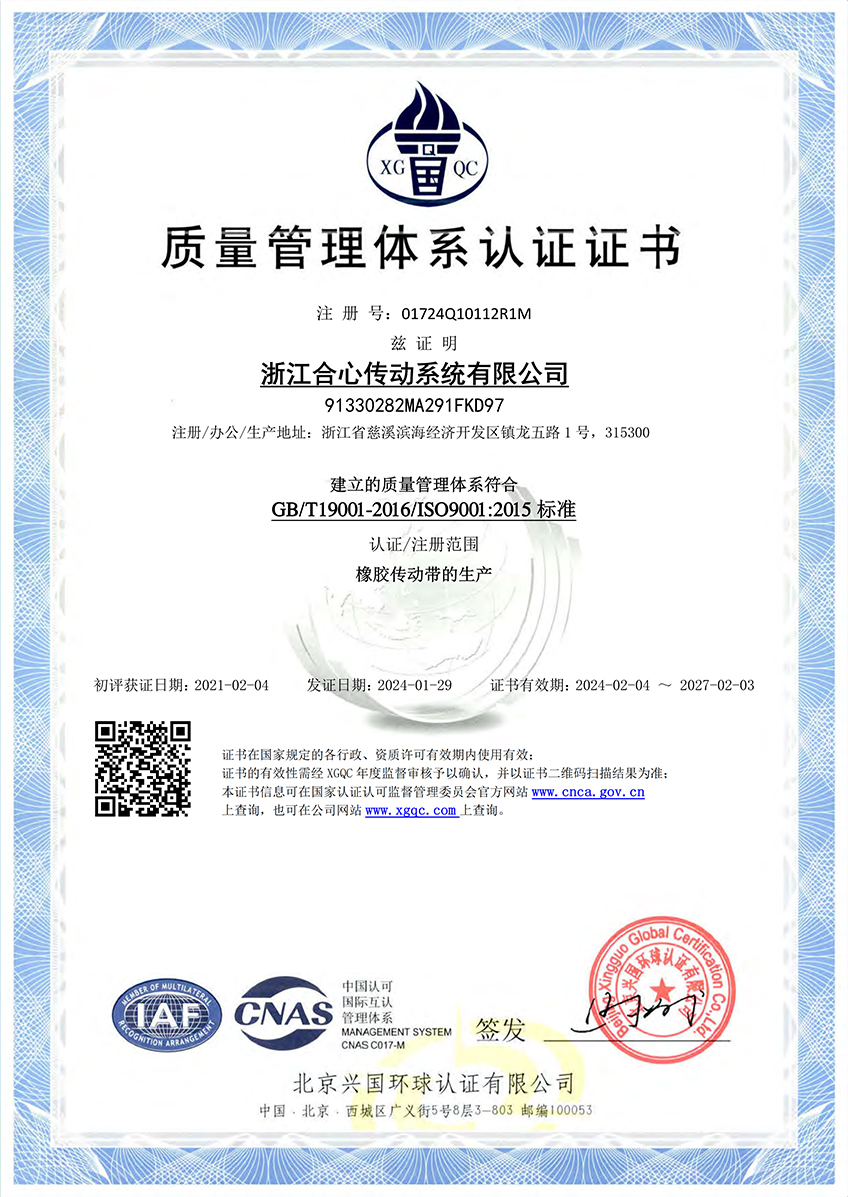
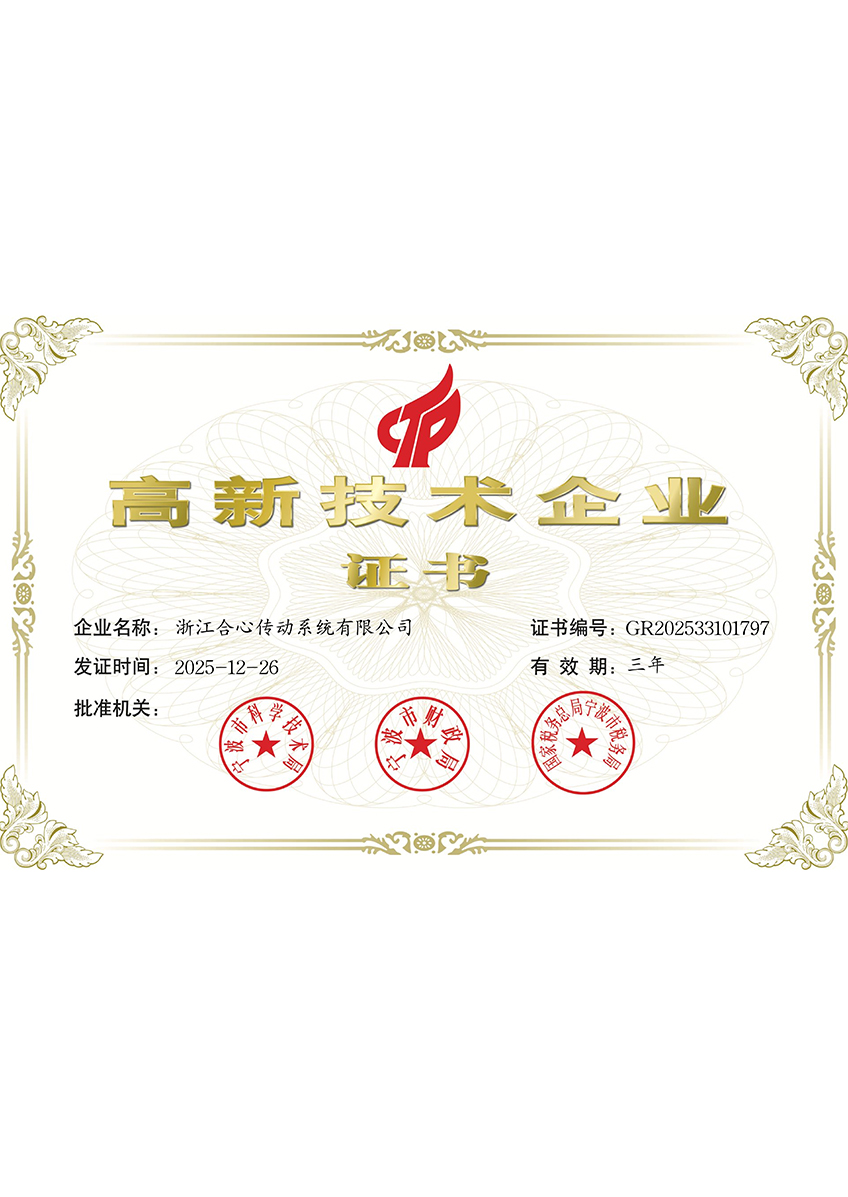
As a professional manufacturer deeply rooted in the transmission system field for many years, Ningbo Herz Technology Co., Ltd. (relying on the profound technical accumulation of its parent company, Zhejiang Hexin Transmission System Co., Ltd., since 1995 and its modern production base covering over 40,000 square meters) has accumulated rich industry experience in the R&D and manufacturing of various high-precision transmission parts. We deeply understand that thoroughly analyzing the internal structure and core functions of the Drive Belt Idler Pulley is the first step to ensuring efficient and stable power transmission for the whole vehicle.
1.1 What is a Drive Belt Idler Pulley and Its Position in the Engine
The Drive Belt Idler Pulley is a key guiding and supporting component within the engine accessory drive system. In most modern automobiles, a long serpentine belt needs to drive the alternator, power steering pump, air conditioning compressor, water pump, and even the cooling fan. To allow the belt to route past these accessories along an optimal path while avoiding various structural obstacles inside the engine compartment, engineers designed the idler pulley.
It should be made clear that the Drive Belt Idler Pulley and the Belt Tensioner, although similar in appearance, have distinct divisions of labor:
Belt Tensioner: Equipped with a spring or hydraulic damping mechanism, it can actively apply and maintain a constant belt tension during operation, compensating for changes in belt length caused by thermal expansion and contraction or wear.
Drive Belt Idler Pulley: Usually a fixed-position rotating wheel, it is mainly responsible for changing the direction of the belt, supporting the belt, and sharing system loads, without the function of actively adjusting tension by itself.
1.2 Internal Structure and Material Classification of Drive Belt Idler Pulley
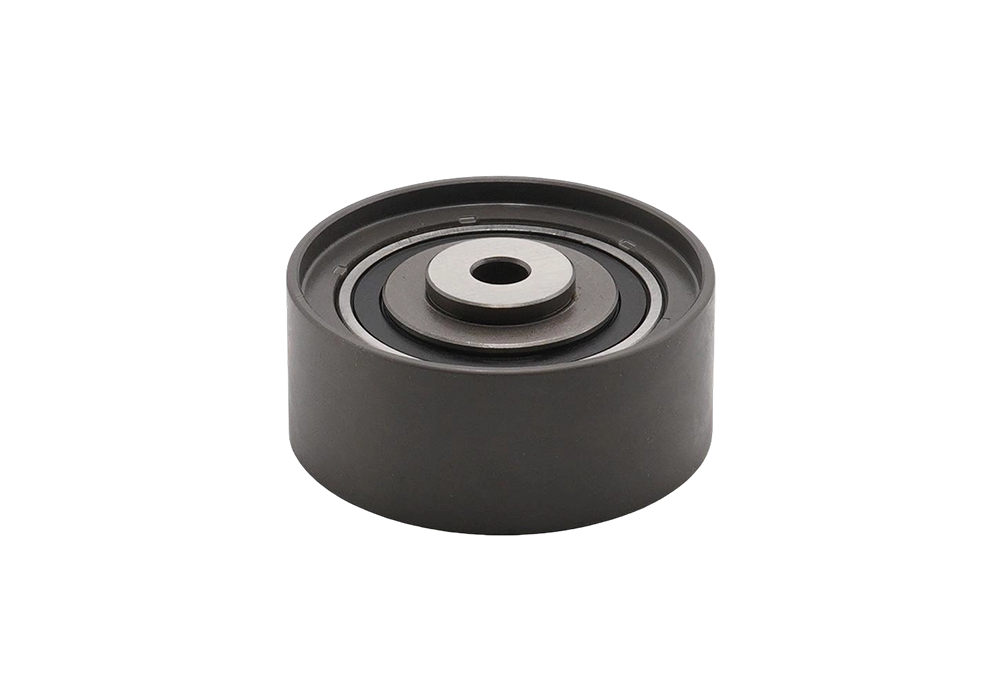
Macroscopically, the structure of the Drive Belt Idler Pulley is relatively compact, mainly consisting of a core bearing, pulley body, central fixing bolt, and dustproof seal cover. However, this seemingly simple structure places extremely high demands on manufacturing processes and material selection.
According to different application scenarios and thermal load requirements of the engine compartment, Drive Belt Idler Pulleys on the market are mainly divided into the following two major material types:
1. Steel/Metal Drive Belt Idler Pulley
Material Characteristics: Made by stamping and machining high-strength carbon steel or alloy steel, with the surface usually treated with galvanizing or anti-rust coatings.
Core Advantages: Excellent high-temperature resistance and strong impact resistance, performing exceptionally well in high-load, high-horsepower engine or commercial vehicle fields.
Disadvantages: Relatively heavy weight; if the internal bearing fails, the resulting metal impact noise is more obvious.
2. Plastic/Composite Drive Belt Idler Pulley
Material Characteristics: Injection molded using high-molecular polyamide (such as reinforced nylon PA66 with glass fiber).
Core Advantages: Light weight (reducing rotational inertia), low operating noise, good corrosion resistance, and more cost-effective, widely used in modern passenger vehicles.
Disadvantages: Prone to aging, embrittlement, or surface groove wear under prolonged extreme high-temperature environments.
Material Performance Parameter Comparison Table
| Performance Dimension |
Steel/Metal Drive Belt Idler Pulley |
Plastic/Composite Drive Belt Idler Pulley |
| Temperature Limit |
Extremely high (withstands high temperatures above 150 degrees Celsius) |
Moderate (usually withstands 100 degrees Celsius to 130 degrees Celsius) |
| Rotational Inertia |
Larger |
Extremely small (helps improve engine response speed) |
| Impact and Load Capacity |
Extremely strong, good deformation resistance |
Good, but prone to deformation under extreme overload |
| Weight Performance |
Heavier |
Lightweight design |
| Typical Application Scenarios |
Heavy-duty commercial vehicles, high-performance sports cars, off-road vehicles |
Mainstream passenger cars, daily family driving |
1.3 Three Core Functions of the Drive Belt Idler Pulley in Power Transmission
In automotive dynamics, the Drive Belt Idler Pulley is far more than a simple guide wheel; it plays three irreplaceable roles in the entire transmission network:
Precise Guidance of Belt Path (Path Guidance): Engine compartment space is extremely limited, and accessory layouts are compact. The Drive Belt Idler Pulley can flexibly adjust the geometric route of the serpentine belt, ensuring that the belt accurately aligns with every accessory pulley sheave, preventing the belt from deviating or falling off during high-speed operation.
Increasing Contact Arc and Friction (Increasing Contact Arc): In certain specific accessories (such as the alternator or water pump), if the contact arc between the belt and the pulley is insufficient, slipping is prone to occur, accompanied by a harsh squealing sound. By rationally arranging the Drive Belt Idler Pulley, the belt can be effectively pressed down, increasing the contact area between the belt and the pulley, thereby significantly enhancing friction transmission efficiency.
Vibration Absorption and Tension Fluctuation Smoothing (Vibration Absorption): When the engine experiences rapid acceleration, deceleration, or sudden power strokes, the serpentine belt generates high-frequency, high-amplitude vibrations. Located in the middle or key nodes of the belt span, the Drive Belt Idler Pulley can act as a buffer to divert and absorb part of the dynamic tension fluctuations, protecting the mechanical life of the entire transmission system.
As an enterprise upholding a philosophy of excellence in manufacturing, Ningbo Herz Technology Co., Ltd. always regards product quality as the cornerstone of corporate development. Relying on advanced manufacturing equipment and precision testing instruments, we strictly control the tolerance and performance of every transmission system component. True to our corporate mission, we will continue to provide customers with competitive transmission system products and services, dedicated to promoting the continuous progress and development of the industry.
II. Common Symptoms and Diagnosis Techniques for Drive Belt Idler Pulley Failures
During daily vehicle operation, the Drive Belt Idler Pulley is chronically exposed to high-speed rotation, high temperatures, and harsh mechanical stress environments, making wear or even failure of its internal bearings and pulley body inevitable. When a Drive Belt Idler Pulley fails, it usually issues warning signals through changes in sound, appearance, and overall vehicle performance. Timely identification of these symptoms can effectively avoid the risk of vehicle breakdown caused by belt breakage.
As an enterprise committed to becoming a world-class transmission system brand, Ningbo Herz Technology Co., Ltd. consistently focuses on the full life-cycle performance of its products. We not only pay attention to the excellence of manufacturing processes but also hope to help users safeguard the safe and efficient operation of transmission systems through professional fault diagnosis knowledge.
2.1 Abnormal Noise Identification: Warning Signals Issued by a Damaged Drive Belt Idler Pulley
Abnormal noises inside the engine compartment are often the first intelligence regarding mechanical component aging. Since the Drive Belt Idler Pulley adopts precision bearings inside, when lubrication fails or balls wear out, it exhibits the following typical sound characteristics:
High-frequency Squealing or Chirping: Usually occurs during cold starts or acceleration. Due to lack of oil, drying out, or wear of the bearing cage inside the Drive Belt Idler Pulley, rotational resistance increases sharply, causing instantaneous sliding between the belt and pulley surface or high-frequency friction inside the bearing.
Low-pitched Grinding or Rattling: This is a dangerous sign that the Drive Belt Idler Pulley is about to be completely destroyed. It means that the balls inside the bearing have shattered or fallen off, or the bearing outer ring and pulley body have suffered severe eccentric impacts. Continuing to drive at this point can easily cause the idler pulley to seize up instantly.
2.2 Visual Inspection: How to Judge the Condition of a Drive Belt Idler Pulley Through Appearance
In addition to relying on hearing, regular visual inspection of the Drive Belt Idler Pulley under the engine hood is equally crucial. Its health condition can be evaluated through several key characteristics:
Pulley Body Wear and Cracks: For composite plastic Drive Belt Idler Pulleys, check whether the outer circumference has deep grooves, burn marks, or plastic aging cracks caused by long-term belt friction.
Bearing Leakage and Rust: Observe the central bearing part of the Drive Belt Idler Pulley to see if dark brown grease is seeping out or if abnormal rust appears at the edges, which usually indicates that the dust seal ring has failed.
Runout and Wobble: While the engine is idling (pay attention to safety and stay away from rotating parts), observe whether the Drive Belt Idler Pulley rotates smoothly on a concentric track. If visible vertical jumping or lateral swaying is found, it indicates that the internal bearing clearance is too large and replacement is mandatory.
2.3 Chain Reaction: Impact of Idler Pulley Failure on Vehicle Performance
If early failures of the Drive Belt Idler Pulley are ignored and allowed to deteriorate further, a series of cascading mechanical faults will be triggered, posing a serious threat to vehicle performance and driving safety:
Common Failure Chain Reaction Comparison Table
| Failure Development Stage |
Drive Belt Idler Pulley Status |
Direct Impact on Vehicle System |
Potential Consequences |
| Initial Stage |
Slight bearing wear, faint abnormal noise |
Slight drop in transmission efficiency, occasional noise |
Increased extra belt wear, slightly higher fuel consumption |
| Intermediate Stage |
Bearing dry, local grooves or slight wobble on pulley body |
Belt begins to show uneven wear or edge fraying |
Substantial shortening of belt lifespan |
| Final Stage |
Bearing seizure or structural disintegration |
Belt instantly burned out or thrown off the groove by high temperature |
Engine instantly loses accessory drive, power steering fails, alternator stops charging, water pump stops turning leading to severe engine overheating and boiling |
On the path to pursuing exceptional quality, Ningbo Herz Technology Co., Ltd. consistently adheres to strict standards in crafting every transmission component, reducing failure rates from the source. True to our corporate vision, we aim not only to become an industry-leading manufacturer of transmission components but also to fulfill our commitment to serving customers and society through high-reliability products and technical popularization.
III. In-depth Analysis of Core Causes Leading to Early Damage of Drive Belt Idler Pulley
In actual vehicle operation, many car owners or repair technicians may encounter such confusion: why did a new Drive Belt Idler Pulley develop abnormal noise or failure within a short period, even though it was replaced not long ago? To thoroughly solve this problem, it is necessary to deeply analyze the core technical inducements leading to the premature failure of idler pulleys.
As an enterprise focusing on the R&D and manufacturing of high-quality transmission products, Ningbo Herz Technology Co., Ltd. has found through long-term production and quality tracking that the failure of the Drive Belt Idler Pulley is never caused by a single factor, but rather the result of combined mechanical stress, thermal environment, and maintenance habits. The following are the three main root causes leading to the early damage of idler pulleys:
3.1 Bearing Lubrication Failure and Natural Wear
The bearing is the heart of the Drive Belt Idler Pulley, and its internal lubrication state directly determines the lifespan of the component.
Grease Drying and High-Temperature Evaporation: The engine compartment is in a high-temperature state when the vehicle is running. If the temperature rating of the grease filled inside the idler pulley is insufficient, the base oil will accelerate evaporation and oxidative deterioration under long-term heat, causing the grease to lose its lubricating ability and form dry friction.
Seal Failure and External Contaminant Infiltration: Once the rubber or metal dust seal rings on both sides of the idler pulley lose elasticity due to aging and hardening, rainwater, mud, sand, and fine dust from the outside will penetrate into the bearing interior. These impurities mix with the residual grease to form a grinding paste, rapidly wearing down the steel balls and raceways, leading to larger bearing clearance and abnormal noise.
3.2 Excessive Belt Tension and Thermal Stress
Mismatched mechanical loads are the external culprits accelerating the damage of the Drive Belt Idler Pulley.
Overload Operation Caused by Excessive Tension: If the engine's belt tensioner spring fails or sticks, or if an improperly sized belt is installed during maintenance, the tension of the entire serpentine belt system will far exceed the design standard. Sustained excessive radial loads will subject the bearings inside the Drive Belt Idler Pulley to overloaded compression, causing steel balls to crush prematurely or suffer fatigue spalling.
Severe Thermal Stress Cycles: During frequent cycles of engine cold start, high-temperature operation, and cooling, metal and composite plastic pulley bodies experience drastic thermal expansion and contraction. This long-term thermal stress not only causes micro-cracks in the plastic pulley body but also leads to loosening of the fit between the bearing outer ring and the pulley body bore, thereby inducing eccentric vibration.
3.3 Improper Installation and System Misalignment
Three parts product, seven parts installation. Many premature deaths of Drive Belt Idler Pulleys stem from non-standard installation practices.
Out-of-Control Bolt Torque: When installing the Drive Belt Idler Pulley, if tightening is not performed according to the standard torque specified by the manufacturer, excessive torque subjects the bearing inner ring to excessive compression, causing a sharp increase in internal steel ball rotation resistance or even deformation of the bearing seat. Insufficient torque causes the bolt to loosen during engine operation, resulting in high-frequency vibration and displacement of the idler pulley.
System Misalignment: If the accessory bracket is deformed, or if the crankshaft pulley and alternator pulley are not in the same plane, the serpentine belt will generate side loads when passing through the Drive Belt Idler Pulley at high speed. This non-standard directional shear force will rapidly destroy the lateral cage of the bearing, causing abnormal wear, peeling, or fracture of the idler pulley.
Core Damage Inducement and Prevention Dimension Comparison Table
| Damage Inducement Classification |
Main Manifestation Form |
Root Cause Analysis |
Prevention and Control Countermeasures |
| Lubrication and Sealing Failure |
Bearing interior dry, abnormal noise, rust spots or oil stains |
Grease deterioration at high temperature, aging and leakage of dust cover |
Select high-quality high-temperature bearings and long-life grease |
| Mechanical and Thermal Stress Overload |
Pulley groove deepening, bearing ball shattering, seizure |
Tensioner abnormality leading to excessive tension, extremely high ambient temperature |
Check tensioner status synchronously, avoid long-term overload operation |
| Installation and Misalignment Errors |
Bearing single-sided uneven wear, loose bolts, pulley wobble |
Failure to work according to standard torque, accessory bracket deformation |
Strictly follow standard torque operations, use professional calibration tools |
Adhering to a strict pursuit of quality, Ningbo Herz Technology Co., Ltd. strictly inspects the tolerance fit and fatigue resistance of products using precision testing instruments during the manufacturing of every transmission accessory. True to our corporate mission, we will continue to provide customers with transmission system products featuring superior stability and competitiveness, contributing to the healthy and efficient development of the industry.
IV. Replacement Process and Best Maintenance Practices for Drive Belt Idler Pulley
When the Drive Belt Idler Pulley shows abnormal noise, wobble, or reaches the recommended replacement mileage, timely and standardized replacement is crucial. Incorrect disassembly and assembly methods not only fail to solve the root problem but may also cause secondary damage to engine accessories.
As a professional transmission system manufacturer, Ningbo Herz Technology Co., Ltd. not only focuses on providing high-quality transmission products but is also dedicated to popularizing standardized repair and maintenance standards. Below is the systematic inspection and standard replacement practical guide for the Drive Belt Idler Pulley.
4.1 Manual Testing: How to Manually Check the Condition of a Drive Belt Idler Pulley
After removing the serpentine belt, the following intuitive physical testing methods can be used to accurately determine whether the Drive Belt Idler Pulley needs replacement:
Spin Test: Spin the Drive Belt Idler Pulley freely by hand. Normal performance dictates the idler pulley should rotate smoothly for several turns with a slight, symmetrical damping feel, and then stop naturally. Failure performance means if the resistance is extremely small and free-spin time is too long during rotation (indicating complete loss of internal grease), or if rotation is accompanied by a swishing friction sound or sticking sensation, it indicates that the bearing is worn.
Axial and Radial Play Test: Grip the edge of the Drive Belt Idler Pulley body with both hands and shake it forcefully along the axial and radial directions. Normal performance should feel solid and secure without any looseness. Failure performance means if obvious shaking can be felt or a click impact sound of clearance is heard, it indicates that the bearing raceway or balls have worn out severely and replacement is mandatory.
4.2 Standard Operating Procedure (SOP) for Drive Belt Idler Pulley Replacement
To ensure the safety and efficiency of replacement work, it is recommended to follow these standard procedures:
Step 1: Preparation Work and Safety Protection: Disconnect the vehicle's negative battery terminal and ensure the engine is completely cooled down to avoid burns or short circuits. Prepare a socket wrench, torque wrench, flat or Phillips screwdrivers, and the vehicle's Belt Routing Diagram.
Step 2: Release Belt Tension and Remove the Serpentine Belt: Use a wrench to fit over the bolt or reserved square hole of the belt tensioner, and rotate the tensioner arm clockwise or counterclockwise to release tension. Slip the serpentine belt off any convenient pulley, then slowly release the tensioner and remove the entire belt.
Step 3: Disassemble the Old Drive Belt Idler Pulley: Use the corresponding socket tool to unscrew the central bolt fixing the idler pulley (note that the bolt on some vehicle models may have a reverse thread). Remove the old Drive Belt Idler Pulley along with matching shims and bushings, and check whether the mounting seat surface has oil stains, rust, or deformation.
Step 4: Install the New Drive Belt Idler Pulley and Reset: Clean the mounting surface, and align the new Drive Belt Idler Pulley with the locating pin or mounting hole. Use a torque wrench to tighten the central bolt strictly in accordance with the standard torque specified by the manufacturer. Lay the serpentine belt flat across all pulleys again according to the belt routing diagram, and finally actuate the tensioner once more to hook the belt into the last pulley.
4.3 Preventive Maintenance Rule: Kit Replacement Strategy
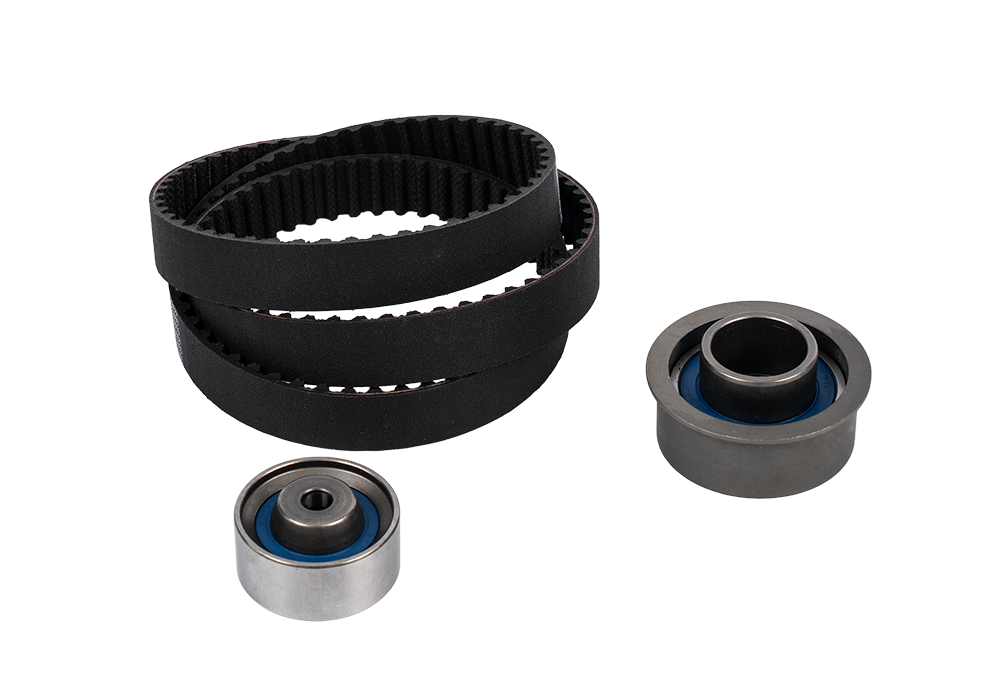
In actual automotive repair, many professional technicians recommend a Kit Replacement strategy. That is, when replacing the Drive Belt Idler Pulley, it is recommended to simultaneously replace the serpentine belt and belt tensioner.
Transmission Component Cooperative Lifespan Comparison and Maintenance Strategy Table
| Maintenance Strategy Scheme |
Included Replacement Components |
Cost Performance |
Comprehensive Benefits and Application Scenarios |
| Single Component Temporary Replacement |
Replace only the damaged Drive Belt Idler Pulley |
Lowest initial cost |
Suitable for early failures caused by individual defects in new cars. |
| Kit Collaborative Replacement |
Drive Belt Idler Pulley + Tensioner + Serpentine Belt |
Comprehensive labor cost is low |
Best Recommended Scheme: The three share the same working environment and similar lifespans; simultaneous replacement completely eliminates hidden dangers and avoids secondary rework. |
Upholding the manufacturing tenet of excellence, every transmission accessory produced by Ningbo Herz Technology Co., Ltd. undergoes rigorous durability and balance tests before leaving the factory. True to our corporate vision, we are committed to becoming a globally leading transmission system brand, continuously creating exceptional value for customers through the provision of premium, durable transmission products and scientific maintenance solutions.
V. Frequently Asked Questions (FAQ) and Popular Science Answers for Users
In daily automotive use and maintenance, car owners and maintenance personnel often have many practical questions regarding the Drive Belt Idler Pulley. To help users better understand transmission systems and scientifically maintain their vehicles, the top five frequently asked questions about idler pulleys and professional popular science answers are compiled below.
As an enterprise focusing on the R&D and manufacturing of high-quality transmission components, Ningbo Herz Technology Co., Ltd. always cares about the actual needs of end-users. We integrate our deep understanding of transmission technology into every product through advanced manufacturing equipment and precision testing systems. True to our corporate mission, we will continue to provide customers with highly competitive transmission system products and services, dedicated to promoting the continuous development of the industry.
Q1: What will happen if you continue driving with a Drive Belt Idler Pulley that ignores abnormal noises?
Ignoring idler pulley abnormal noise is an extremely dangerous behavior. When the internal bearing of the Drive Belt Idler Pulley emits a squealing or metal friction sound, it indicates that its lifespan is nearing its limit. If driving continues, the bearing will instantly seize due to excessive heat. The high-speed rotating belt and the stuck idler pulley will undergo violent friction, melting or directly cutting the serpentine belt in a few seconds. This will not only cause the vehicle to instantly lose power steering and the alternator to stop charging, but may also lead to severe engine overheating and boiling due to water pump stoppage, resulting in expensive engine repair costs.
Q2: What is the general service lifespan of a Drive Belt Idler Pulley?
Normally, the design lifespan of an OEM or high-quality aftermarket Drive Belt Idler Pulley is between 60,000 and 100,000 miles (approx. 100,000 to 160,000 kilometers), depending on the vehicle's operating environment, driving habits, and engine compartment temperature. Car owners are advised to include the idler pulley and serpentine belt as mandatory inspection items during routine maintenance every time the vehicle reaches 60,000 kilometers, achieving prevention before trouble occurs.
Q3: Can you replace only the internal bearing of the Drive Belt Idler Pulley without replacing the outer pulley?
From a pure theoretical perspective, the outer shell and internal bearing of some metal idler pulleys seem detachable; however, in actual repair work, replacing only the bearing is strongly discouraged. Reasons are as follows:
Safety and Balance Risks: Modern engines operate at extremely high speeds. Press-fitting bearings requires extremely precise tooling and tolerance control, which personal or non-professional equipment can hardly guarantee concentricity, easily causing severe vibration during high-speed rotation.
Material Wear: After long-term use, the groove surface of the composite plastic pulley body contacting the belt also suffers micro-wear or grooving. Changing only the bearing cannot solve the problem of pulley body aging.
Comprehensive Cost: Directly replacing a Drive Belt Idler Pulley assembly that has undergone rigorous dynamic balance testing offers greater economic and safety advantages in terms of labor hours and reliability.
Q4: How to accurately distinguish whether abnormal noise comes from the Drive Belt Idler Pulley or the Belt Tensioner?
When engine compartment space is constrained, two professional methods can be used to determine the source of abnormal noise:
Mechanical Stethoscope Method: Use a professional automotive stethoscope to touch the center of the fixing bolts of the Drive Belt Idler Pulley and the belt tensioner respectively. Because the sound of internal bearing wear is directly amplified through the metal, you can clearly distinguish which component has louder internal noise.
Belt Separation Test Method: After shutting off the engine and disconnecting the battery, remove the serpentine belt and manually rotate each pulley vigorously with your hand. The one with obvious resistance, accompanied by swishing sounds or axial wobble during rotation, is the source of failure.
Q5: When selecting a Drive Belt Idler Pulley, how to evaluate its quality pros and cons?
High-quality Drive Belt Idler Pulleys have strict standards in material selection and manufacturing processes. Car owners can focus on several key technical dimensions when choosing:
Bearing Steel and Cage: High-quality products use high-purity bearing steel and high-strength nylon or steel cages to ensure load-bearing capacity and fatigue limits.
Sealing Performance: Utilizing double-lip rubber seal rings effectively blocks the invasion of external moisture and fine dust.
Grease Grade: Filled with high-performance long-life synthetic grease resistant to high and low temperatures (usually withstanding -40 degrees Celsius to over 180 degrees Celsius) to prevent base oil evaporation and drying.
Key Indicator Comparison Table Between High-Quality Drive Belt Idler Pulley and Inferior Products
| Evaluation Indicator Dimension |
High-Quality Drive Belt Idler Pulley |
Inferior/Low-End Idler Pulley Products |
| Bearing Steel Material |
High-purity premium bearing steel with uniform hardness and wear resistance |
Recycled steel or carbon steel, prone to localized spalling |
| Sealing Design |
Double-lip dustproof and waterproof sealing structure, long lifespan |
Single-layer inferior sealing rubber ring, prone to aging and oil leakage |
| Grease Standard |
High-temperature synthetic long-life grease with strong oxidation resistance |
Ordinary mineral grease, prone to evaporation and drying when exposed to heat |
| Dynamic Balance Performance |
Subjected to precision dynamic balance testing, no high-speed centrifugal vibration |
Large manufacturing tolerance, prone to high-frequency resonance during high-speed rotation |


 English
 Español
 Português
 عربى
عربى