


A belt tensioner is a small component with a big responsibility. Mounted on your engine, it applies steady pressure to the drive belt so that power flows smoothly from the crankshaft to the alternator, water pump, power steering pump, and air conditioning compressor. When it works properly, you never think about it. When it starts to fail, the symptoms can be hard to ignore, and the consequences can be expensive. In this guide, we explain how a belt tensioner works, the main types you will encounter, and the warning signs that it is time for a replacement.
Every belt-driven accessory on your engine depends on a simple principle: the belt must stay tight enough to grip the pulleys without slipping. As the belt rotates, it is subjected to constant load changes. When you switch on the air conditioning or turn the steering wheel at idle, the demand on the belt increases suddenly. Without a tensioner, the belt would flap, squeal, and eventually overheat or jump off the pulleys.
The tensioner eliminates this problem by maintaining a constant, controlled force on the belt. It also compensates for normal belt stretch. Over time, every drive belt lengthens slightly as its reinforcing fibres settle and the rubber compresses. A good tensioner takes up that slack automatically, so you do not need to readjust the belt by hand throughout its service life.
Most automotive belt tensioners share the same basic design. A pulley is mounted on a pivoting arm, and a spring pushes that arm against the back of the belt. The spring force is carefully calculated by the manufacturer to keep the belt tight under all operating conditions, while avoiding excessive load that would shorten the life of the belt and its bearings.
The tensioner also includes some form of damping. Without damping, the arm would bounce and oscillate as the engine vibrates and as each accessory engages and disengages. Damping smooths out those movements so that the belt tracks steadily around every pulley.
The most common type is the spring-loaded mechanical tensioner. A coil spring, either wrapped around the pivot or acting through a lever, provides the working force. These tensioners are compact, reliable, and inexpensive to produce, which is why they are fitted on the majority of passenger cars and light commercial vehicles.
Hydraulic damping tensioners use the same spring principle but add a fluid-filled shock absorber. The damper controls the speed at which the tensioner arm moves, allowing it to react to sudden loads without vibrating. This design is often found on engines with higher vibration levels or in applications where belt stability is critical. Hydraulic tensioners are slightly more expensive, but they offer very stable belt tracking and excellent noise control.
Tensioners are usually classified by the way they generate tension and damping. The table below summarizes the designs you are most likely to see in the workshop or on the road.
| Type | How It Works | Typical Use | Key Benefit |
|---|---|---|---|
| Spring-loaded mechanical | A coil spring pushes a pivoting arm against the belt | Most passenger cars and light commercial vehicles | Self-adjusting, simple, and affordable |
| Hydraulically damped | Spring tension combined with a fluid-filled shock absorber | High-vibration engines and heavy-duty applications | Stable tension and quieter operation |
| Manual or eccentric | A bolt or eccentric adjuster sets the pulley position by hand | Older vehicles and many industrial belt drives | Fixed tension with no moving spring |
Whichever design your engine uses, the principle is the same: controlled tension, applied consistently, for the entire life of the belt.
A worn tensioner rarely fails without warning. Learn to recognize the signs early, and you can replace it before it damages the belt or leaves you stranded.
Any of these symptoms means it is time to inspect the tensioner and, in most cases, replace it together with the drive belt rather than risk a second job a few thousand miles later.
Ask any experienced technician and they will tell you: a new drive belt on an old tensioner is a repair that is waiting to fail. The tensioner works as hard as the belt does. Its spring weakens, its bearing wears, and its damping mechanism loses effectiveness over tens of thousands of miles. If you leave a worn tensioner in place, it can destroy a brand-new drive belt within a few thousand miles, or cause the belt to jump off at speed.
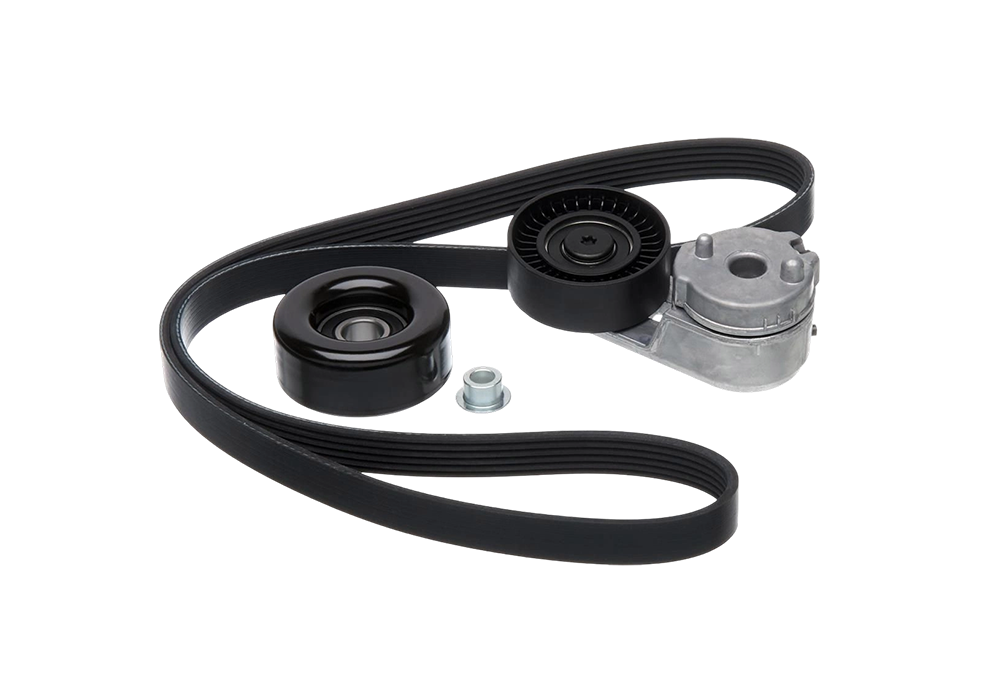
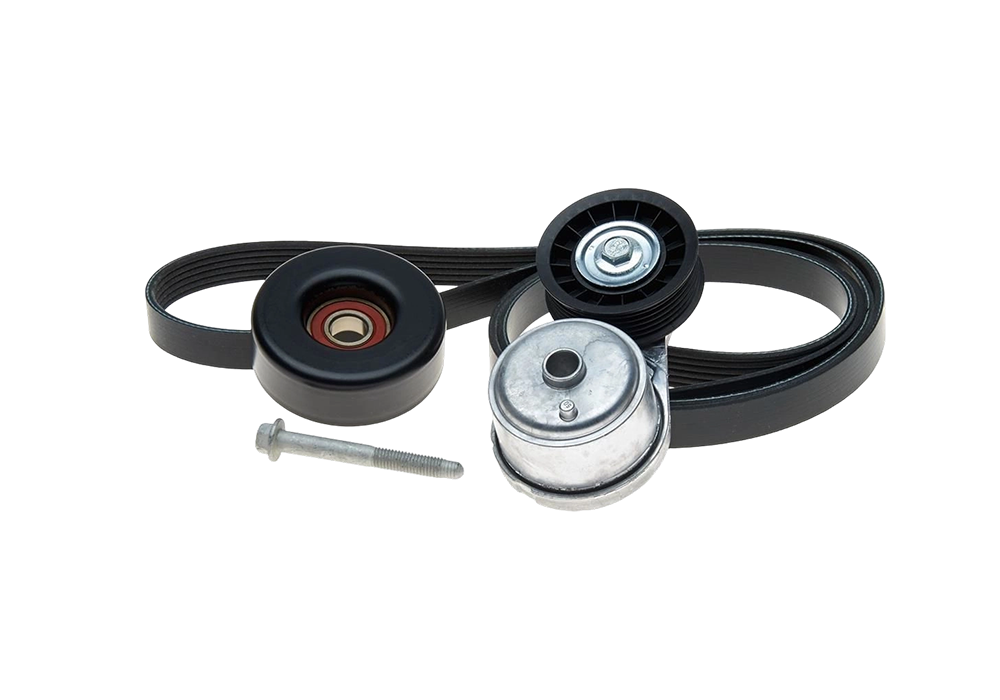
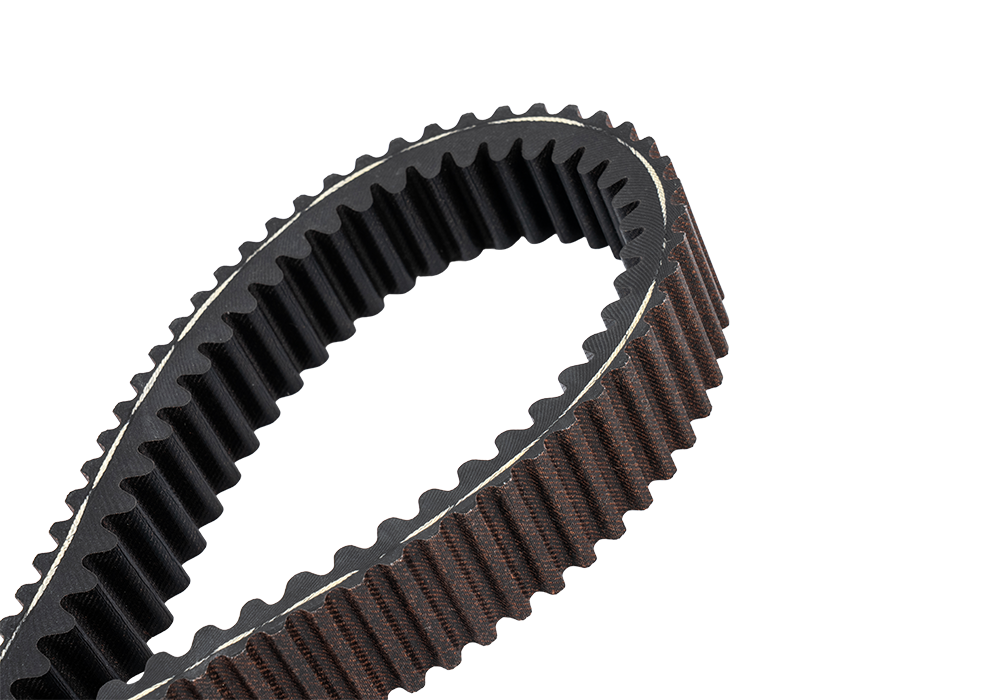
That is why complete replacement kits are so popular. A kit contains the belt, the tensioner, and often the idler pulleys, all matched to one another. It saves labour time, avoids repeat visits, and guarantees that every wearing part in the drive system is renewed at the same time.
 Glass Fiber Reinforced Nylon Drive Belt Idler PulleyThis idler pulley combines glass-reinforced nylon with molded ball bearings for stable fit and durability, suitable for various drive applications, making it a reliable choice in complete replacement kits.View Product →
Not all tensioners are built to the same standard. When you choose a replacement, look for a manufacturer that pays attention to the details that determine service life: the quality of the pulley bearing, the precision of the spring, the durability of the damping mechanism, and the materials used in the arm and housing.
At Herz, we design our drive belt tensioners for the conditions they will face in service. Our ball-bearing tensioners are built for precise, quiet rotation and consistent spring force over a long working life.
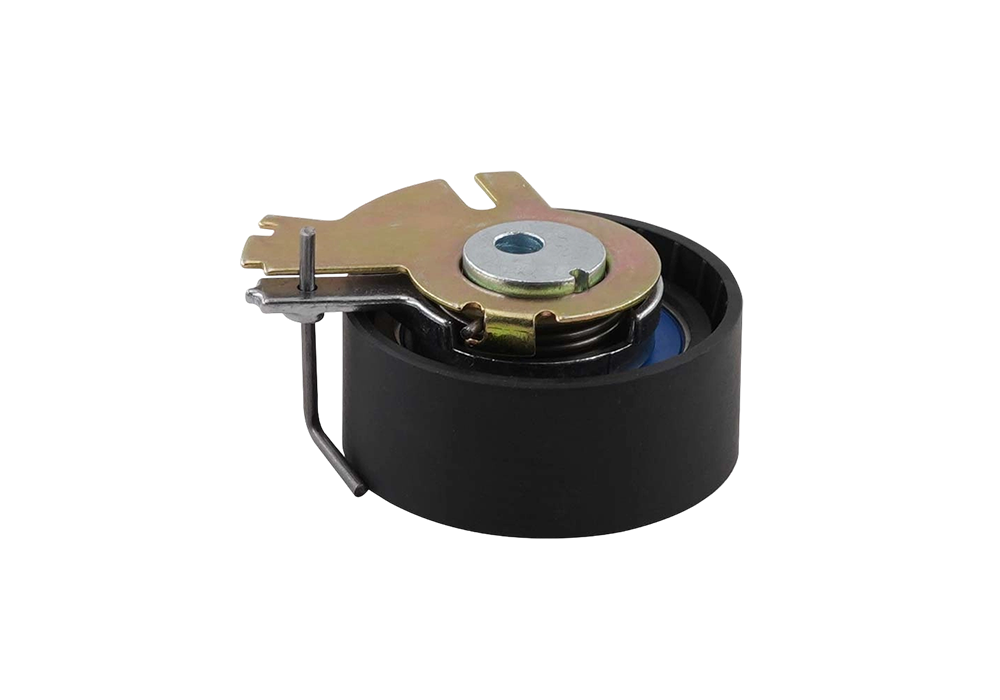 HERZ Drive Belt Tensioner with Ball BearingEngineered for smooth rotation under high speeds, this tensioner uses wear-resistant materials and precision bearings to deliver consistent damping and extended service life for demanding accessory drives.View Product →
For engines that run at higher speeds or carry heavier accessory loads, our high-speed tensioners provide increased damping stability and heat resistance. Pair a quality tensioner with the correct belt for your application, and you can confidently deliver a repair that lasts.
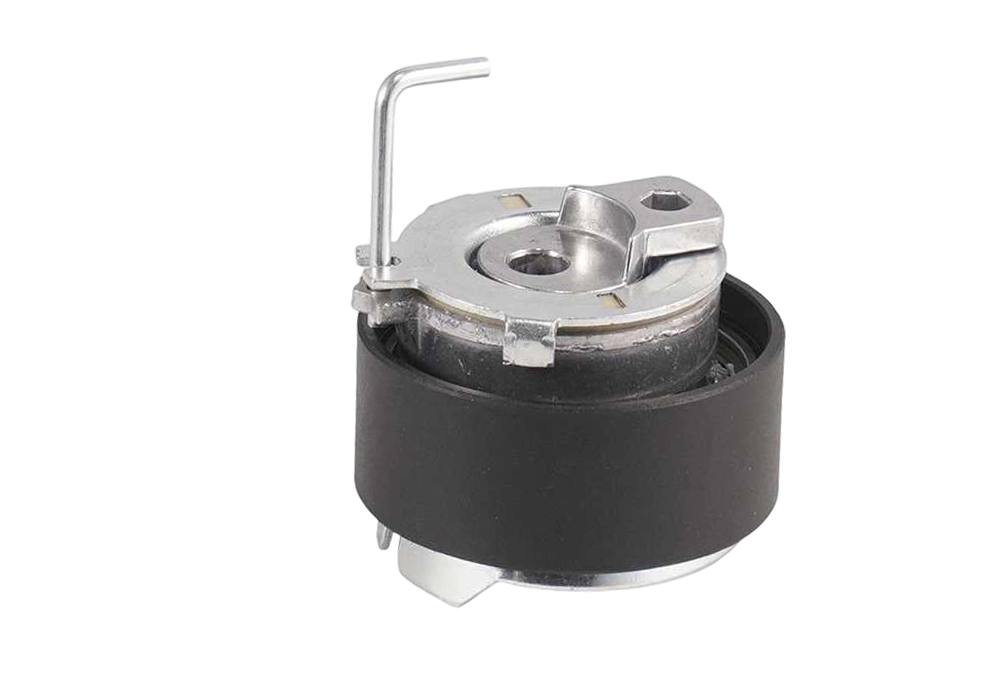
 High-Speed Drive Belt TensionerDesigned for high-speed or heavy-load engines, this tensioner features automated precision bearing installation to ensure proper alignment and minimal rotational resistance, enhancing reliability and longevity.View Product →
A belt tensioner is not the most glamorous part under the bonnet, but it is one of the hardest working. Understanding how it works helps you appreciate why regular inspection matters and why replacing it together with the belt is the sensible choice. If you hear unusual noises from the accessory drive or notice uneven belt wear, do not put it off. A small investment in a quality tensioner now can prevent a breakdown and costly engine damage later. If you have questions about selecting the right tensioner or belt for a specific vehicle, our FAQ page is a good place to start.


 English
 Español
 Português
 عربى
