


Under the hood of most modern cars, a single ribbed rubber belt does the job that several V-belts used to do. This serpentine belt routes around the crankshaft pulley, alternator, water pump, power steering pump, air conditioning compressor, and sometimes the fan. It is easy to take for granted until it snaps. The question "how does a serpentine belt break?" is more useful than it sounds. Once you understand the failure process, you can inspect the right parts, replace the belt at the right time, and avoid being stranded.
A serpentine belt does not usually fail all at once. The process begins with the rubber compound hardening and cracking under heat and flexing. Each time the engine runs, the belt bends around pulleys and straightens out again. That repeated flexing creates fatigue. Over time, small cracks appear on the ribbed side and on the back of the belt. The cracks grow, the reinforcing cords weaken, and the belt finally tears.
Heat is a major accelerator. The belt sits in an engine bay where temperatures can be high, and the friction of the belt running over pulleys adds even more heat. Oil or coolant leaks make things worse because petroleum products and coolant can attack the rubber compound. At some point the belt can no longer handle the load, and the remaining material separates. A broken belt may happen while driving, often with a snapping sound followed by a sudden loss of accessory power.
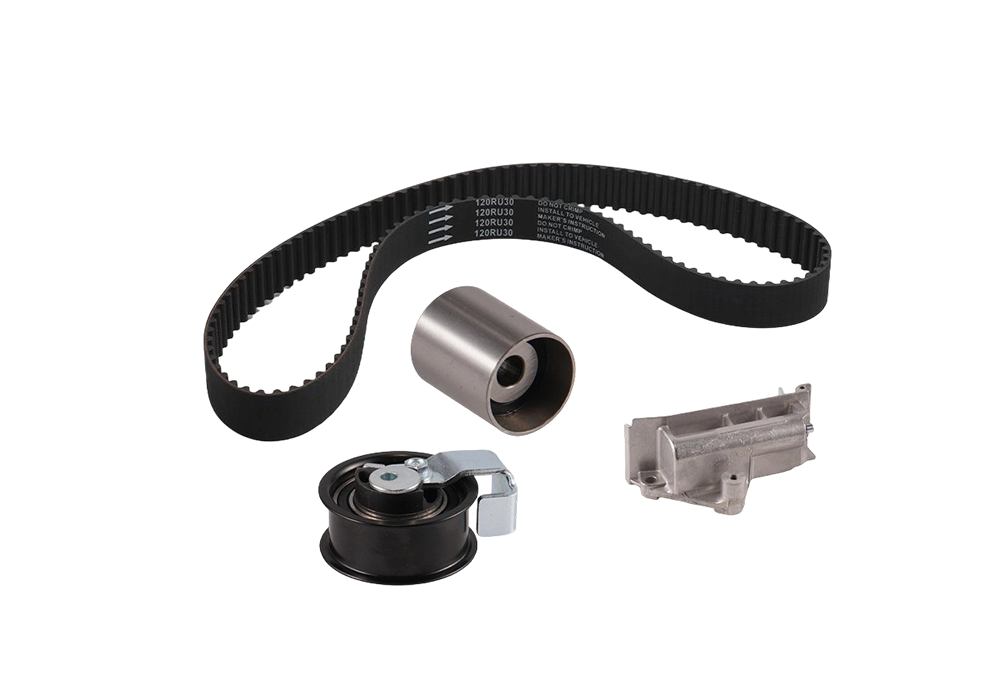
For drivers new to engine layouts, it helps to know that a serpentine belt is not the same as the timing belt. The timing belt coordinates the camshaft and crankshaft, while the serpentine belt drives accessories. If you are not sure which belt is causing trouble, read our explanation of drive belts versus timing belts.
In our manufacturing experience, most serpentine belt breaks can be traced back to a handful of causes. These causes often overlap, but identifying the main one is the key to doing a proper repair.
| Cause | How It Happens | Result |
|---|---|---|
| Worn tensioner | A weak spring or seized bearing lets the belt lose tension | Squeal, slip, heat, then cracking |
| Pulley misalignment | A bent bracket or damaged pulley changes the belt path | Edge wear, rib peeling, belt wander |
| Age and heat | Rubber hardens as it flexes for many miles | Cracks, cord damage, and breakage |
| Oil or coolant contamination | Leaking fluids soak into the rubber | Swelling, glazing, and early failure |
| Seized accessory bearing | A locked alternator or pump suddenly loads the belt | Friction burns, shredding, snapping |
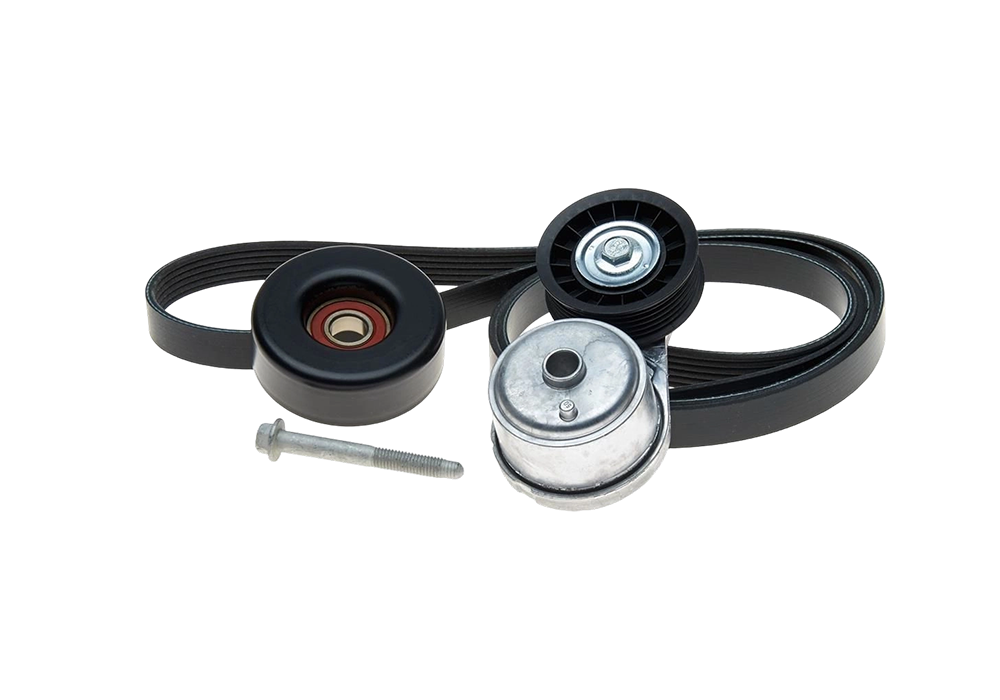
The tensioner deserves special attention because it controls the belt's operating tension. A belt that is too loose slips and can flip off the pulleys. A belt that is too tight stresses the bearings and the rubber. That is why we build our Herz drive belt tensioner as a long-life component with a high-quality ball bearing. In many cases, installing a new tensioner together with a new belt prevents the same break from happening again within a few months.
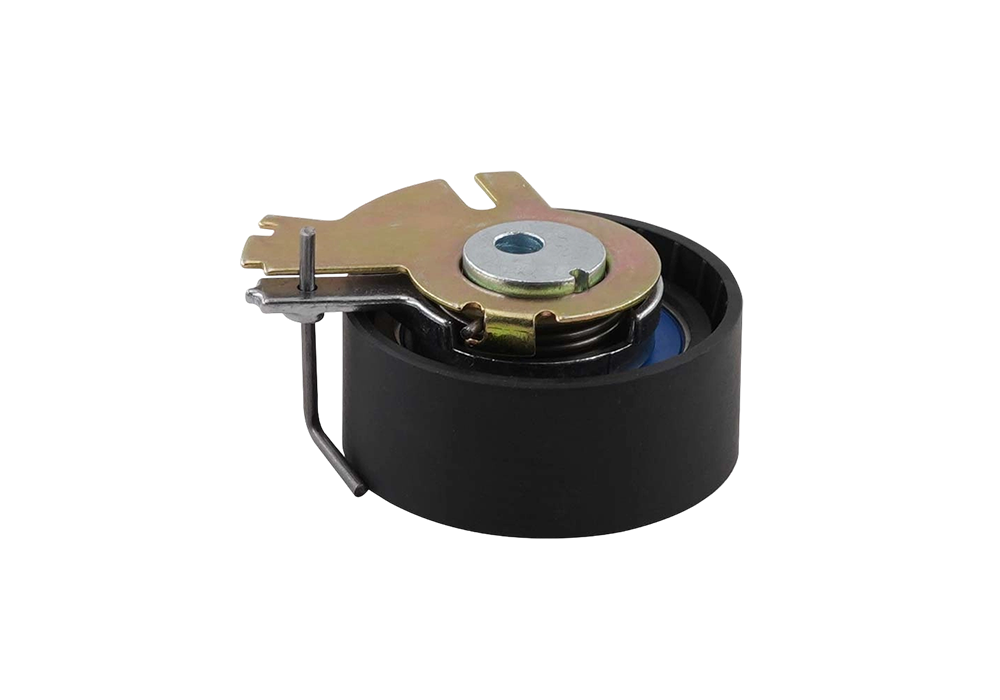 HERZ Drive Belt Tensioner with Sealed Ball BearingThis tensioner uses a high-quality ball bearing for smooth long-life operation. Its design ensures proper belt tension, preventing slippage or bearing stress, making it a wise companion to a new belt.View Product →
Most belts give warnings before they break. The warning may be subtle, but it is there. Listening and looking under the hood at regular intervals can help you catch a failing belt before it strands you.
A belt that is already glazed or cracked is not likely to go back to healthy. When you see those signs, the question is not whether the serpentine belt will break, but when. It is far cheaper to replace the belt sitting in your driveway than to deal with a broken belt on the highway.
When a serpentine belt breaks at speed, the first clue is often a loud snap, slap, or flapping sound. Then the symptoms become obvious because the accessories stop. The battery warning light comes on because the alternator is no longer charging. The power steering becomes heavy if the pump is belt-driven. The air conditioning stops blowing cold air. If the water pump is driven by the same belt, the engine can overheat quickly.
On many cars, the engine will continue running after a serpentine belt breaks, but it is only a matter of time before cooling and charging problems make further driving unsafe. If you are near a safe place, pull over and turn off the engine. Then call for help or fit a spare if you carry one and know the routing diagram.
The rubber compound of a serpentine belt determines how well it survives heat, ozone, flexing, and contamination. Traditional CR rubber still appears in some belts, but many modern belts use EPDM, which has better heat and ozone resistance. EPDM belts also resist cracking better and often last longer under normal driving conditions.
At our factory, we develop EPDM serpentine belts with the correct rib profile and reinforcement. The goal is to match the flexibility of the original belt while adding durability for the demanding operating conditions. If a vehicle lives in a hot climate or is driven in heavy traffic, choosing a quality EPDM belt can make a noticeable difference in service life.
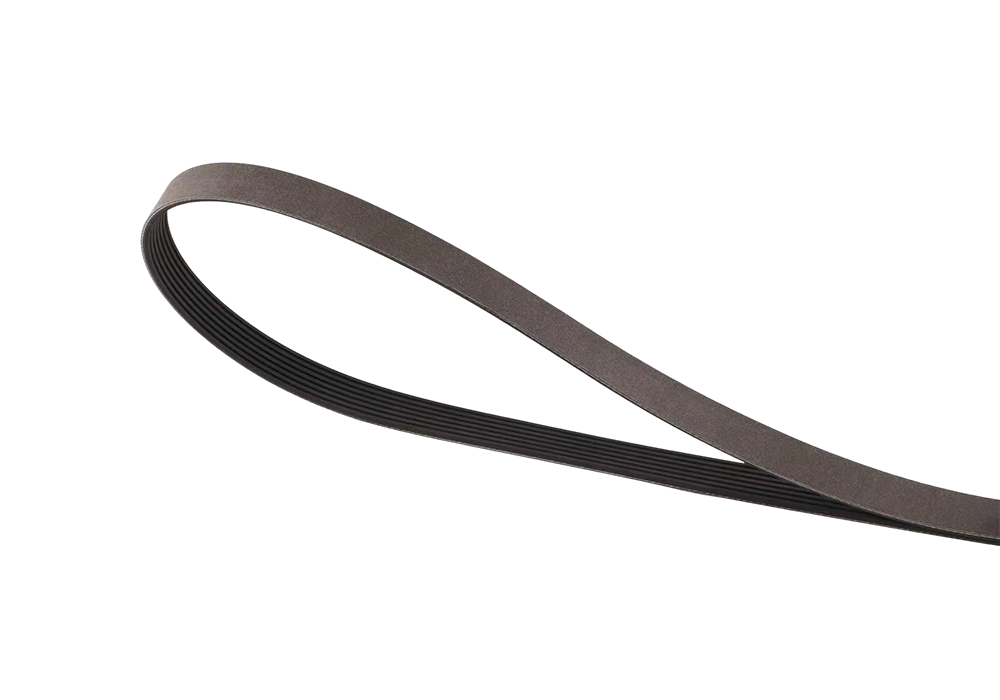 EPDM Serpentine Drive Belt for Extreme ConditionsMade from imported EPDM, this belt resists wear and functions from -40°C to 130°C. Its noise-reducing formula keeps operation quiet, offering longer service in hot climates or heavy traffic.View Product →
Prevention is straightforward. Follow the vehicle manufacturer's recommended replacement interval, usually somewhere between 60,000 and 100,000 miles for modern belts. When you replace the belt, inspect the entire drive line: the tensioner, the idler pulleys, and the accessory pulleys. A rough or noisy pulley can damage a new belt in a few thousand miles. Oil leaks should also be fixed instead of just wiping the belt clean.
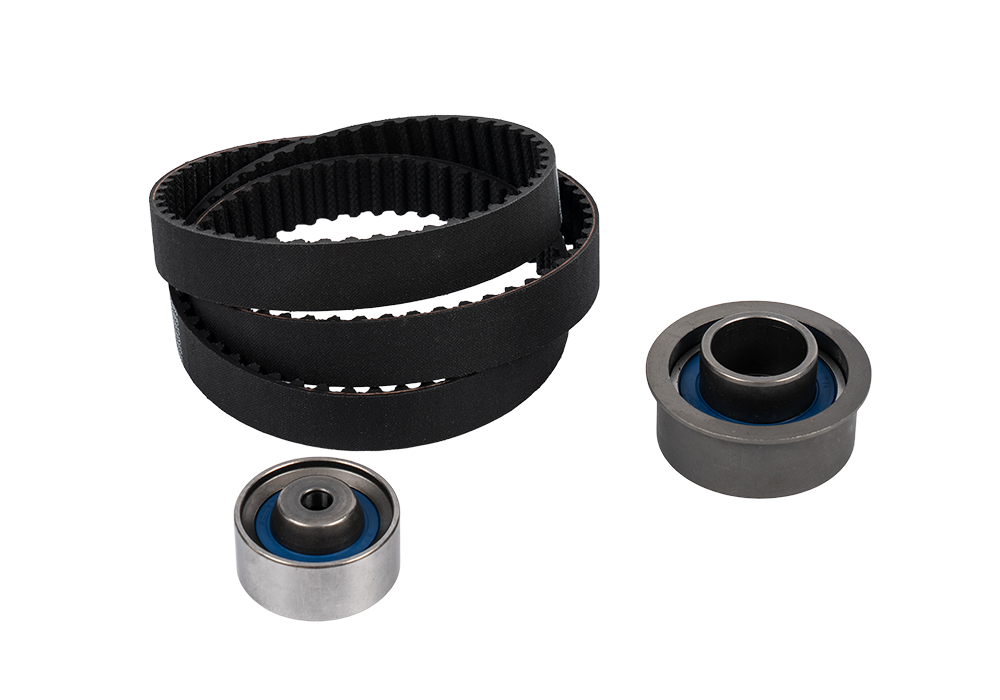
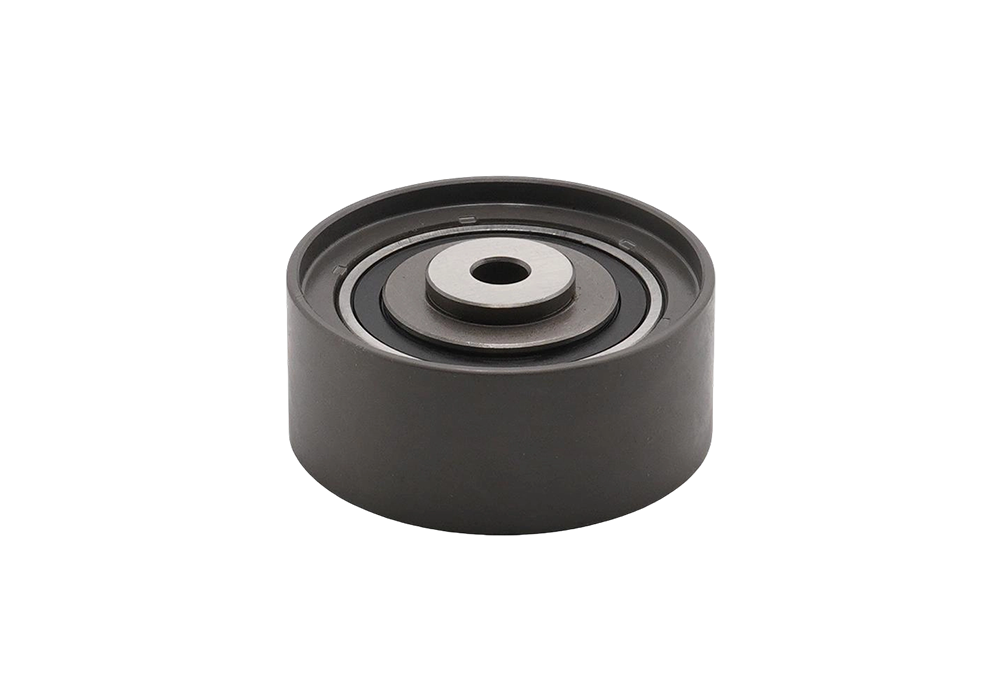
Idler pulleys are easy to overlook because they look like simple wheels. In fact, an idler with a worn bearing can add resistance to the belt, and the resulting heat accelerates breakage. That is why we make drive belt idler pulleys with glass-fiber-reinforced nylon and sealed bearings. They are designed to run smoothly for a long time and keep the belt moving along the correct path.
 Glass Fiber Reinforced Nylon Drive Belt Idler PulleyReinforced with glass fiber nylon and sealed bearings, this idler pulley maintains dimensional stability and smooth rotation. It reduces friction and heat, helping your belt last longer and stay properly aligned.View Product →
Understanding how a serpentine belt breaks takes the mystery out of maintenance. A belt fails when heat, time, contamination, or component wear reaches the point where the rubber and reinforcement can no longer handle the stress. The good news is that the break is rarely sudden. You can inspect the belt, listen for sounds, check the tensioner and idlers, and replace the parts before a roadside failure. If you have more questions about serpentine belt service, visit our frequently asked questions page for practical guidance.


 English
 Español
 Português
 عربى
