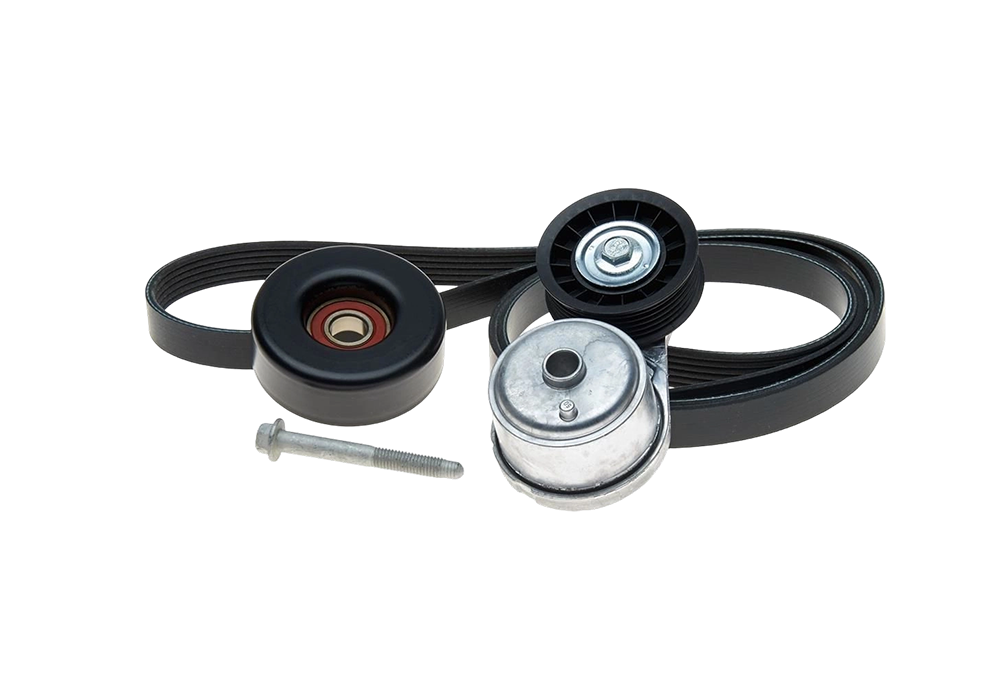
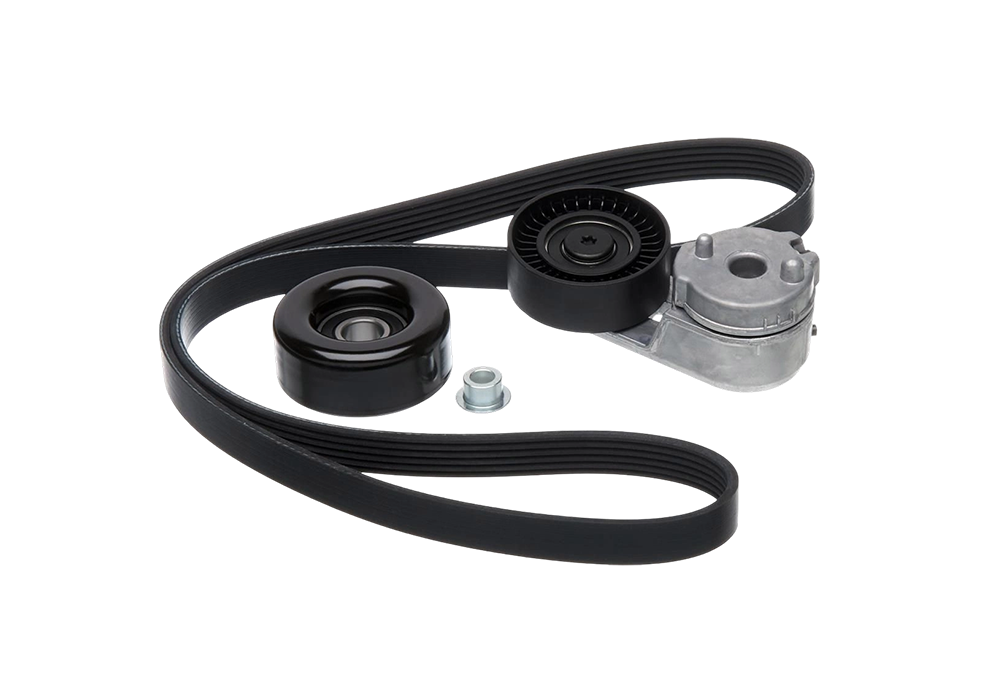
What is a Drive Accessory Belt Kit and Why Does It Matter?
Under the hood of every modern vehicle lies a complex, highly synchronized network of accessories that rely entirely on rotational energy from the engine. At the heart of this system is the accessory drive system, which powers critical components such as the alternator, power steering pump, air conditioning compressor, and sometimes the water pump. Ensuring this network operates smoothly requires a reliable connection, which is why utilizing professional-grade Drive Accessory Belt Kits has become the gold standard for vehicle maintenance.
Historically, mechanics and vehicle owners would replace individual components—such as just the serpentine belt—as they failed or showed signs of wear. However, modern engineering standards and repair practices have transitioned decisively toward complete kit replacements. A standard kit typically bundles the serpentine belt alongside its supporting hardware, including the automatic tensioner and idler pulleys, ensuring that every interacting part of the system is renewed simultaneously.
The Role of Ningbo Herz Technology Co., Ltd. in Transmission Engineering
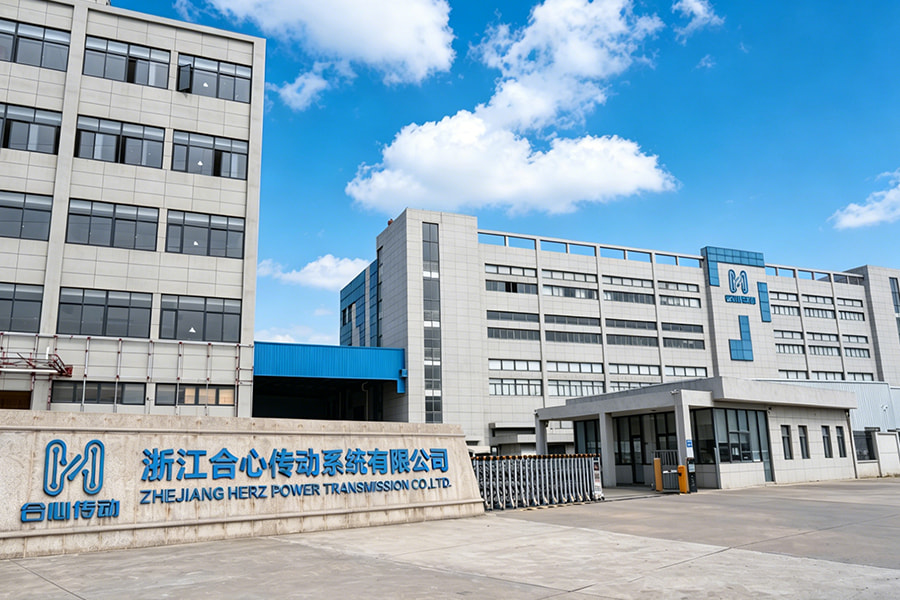
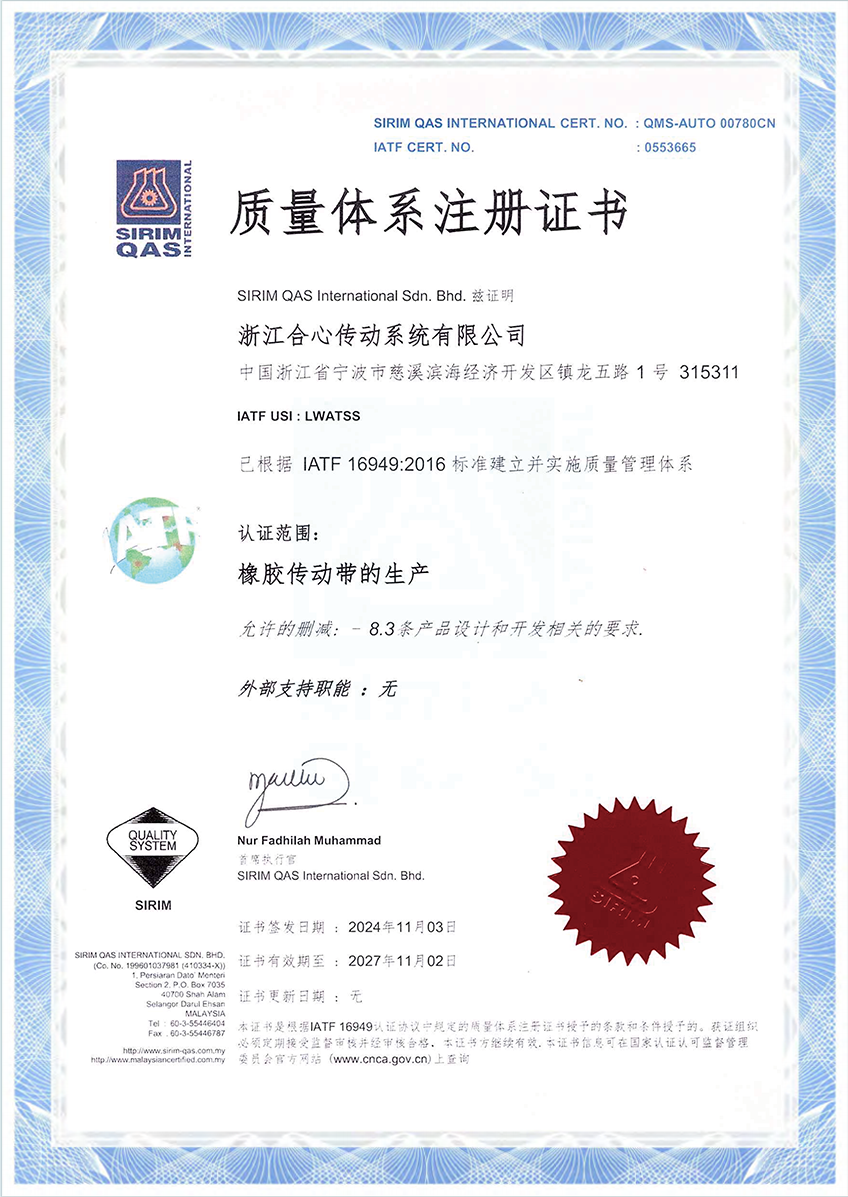
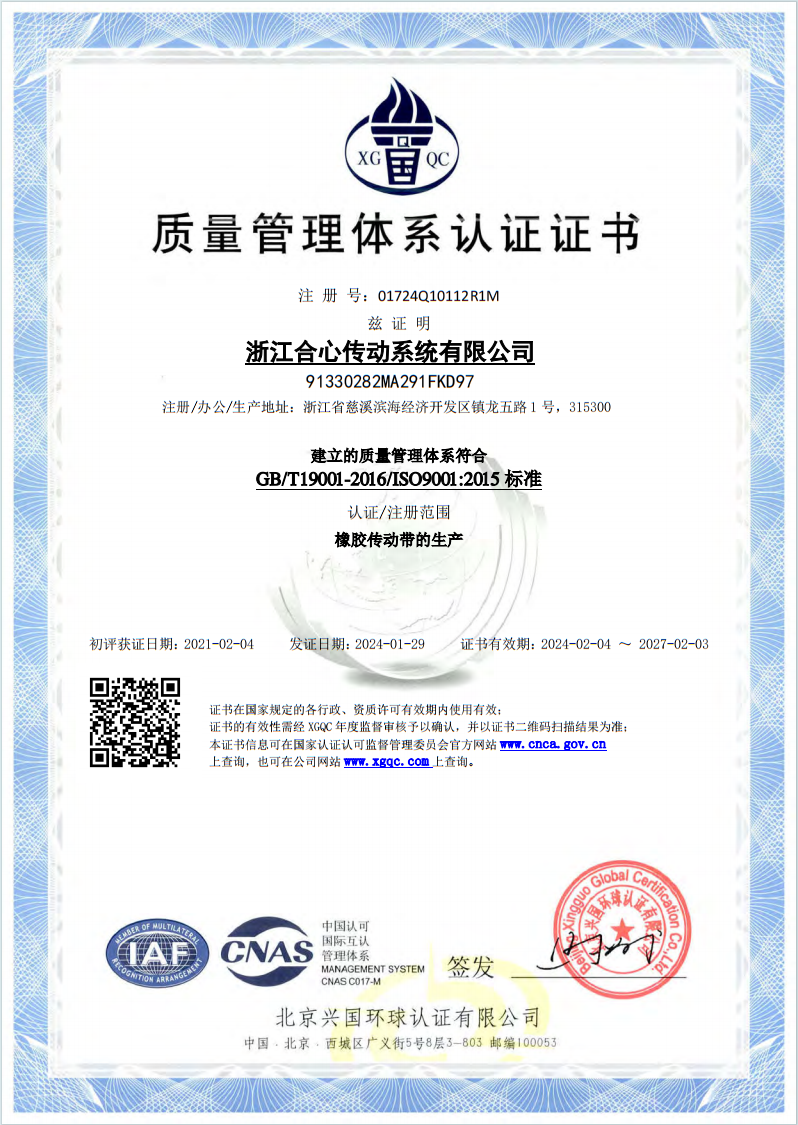
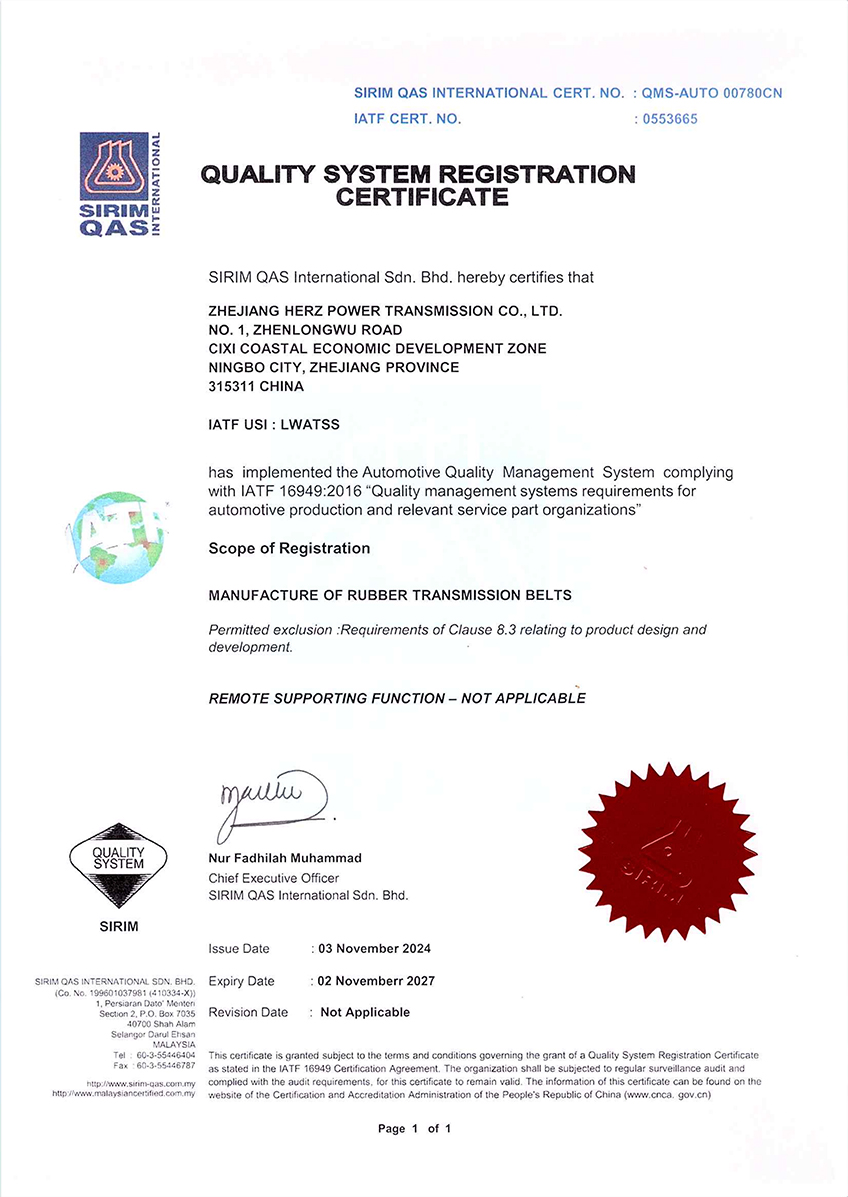
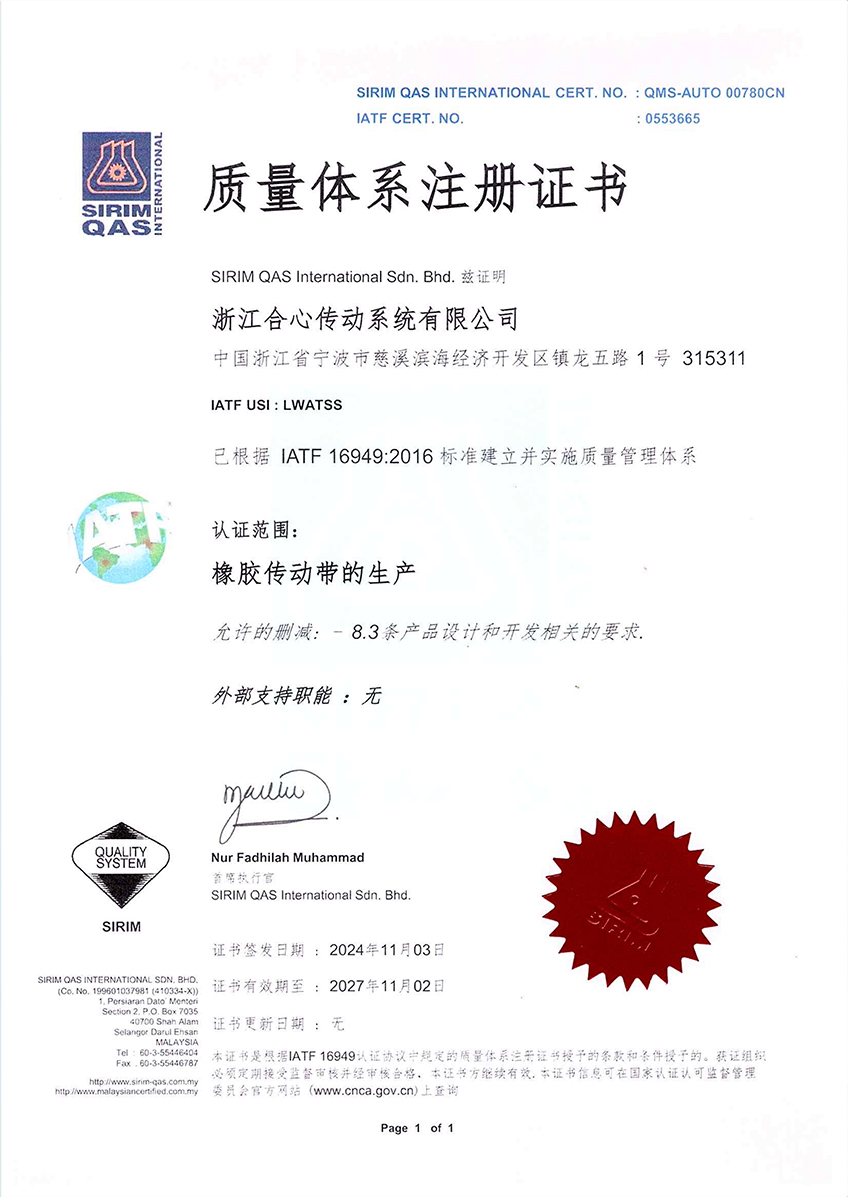
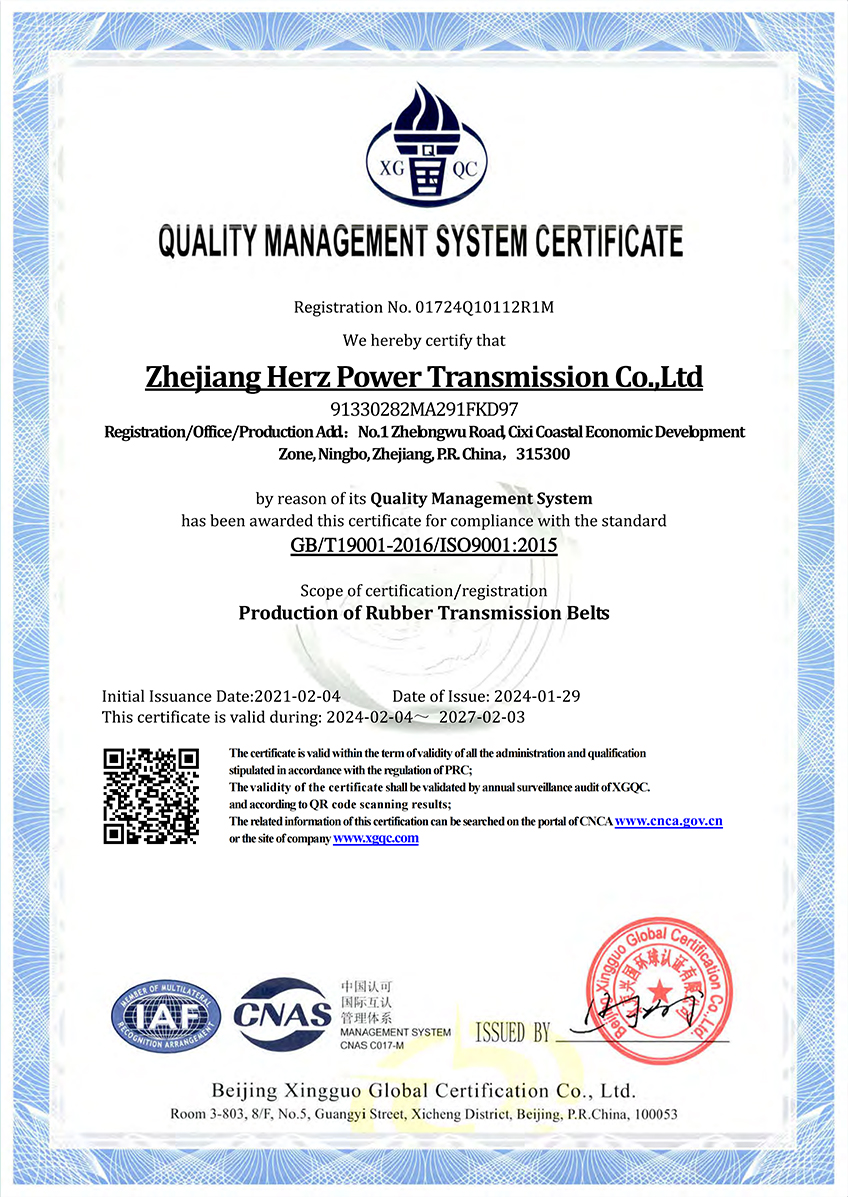
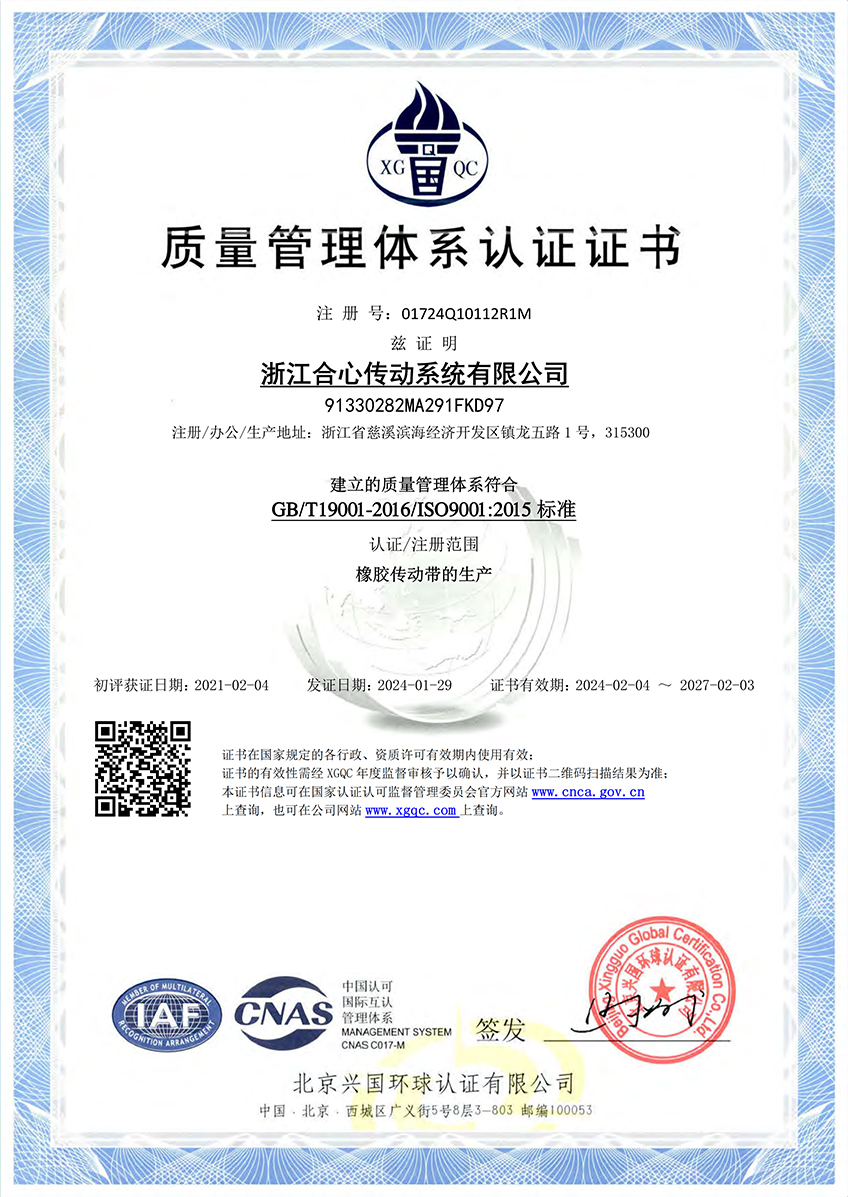
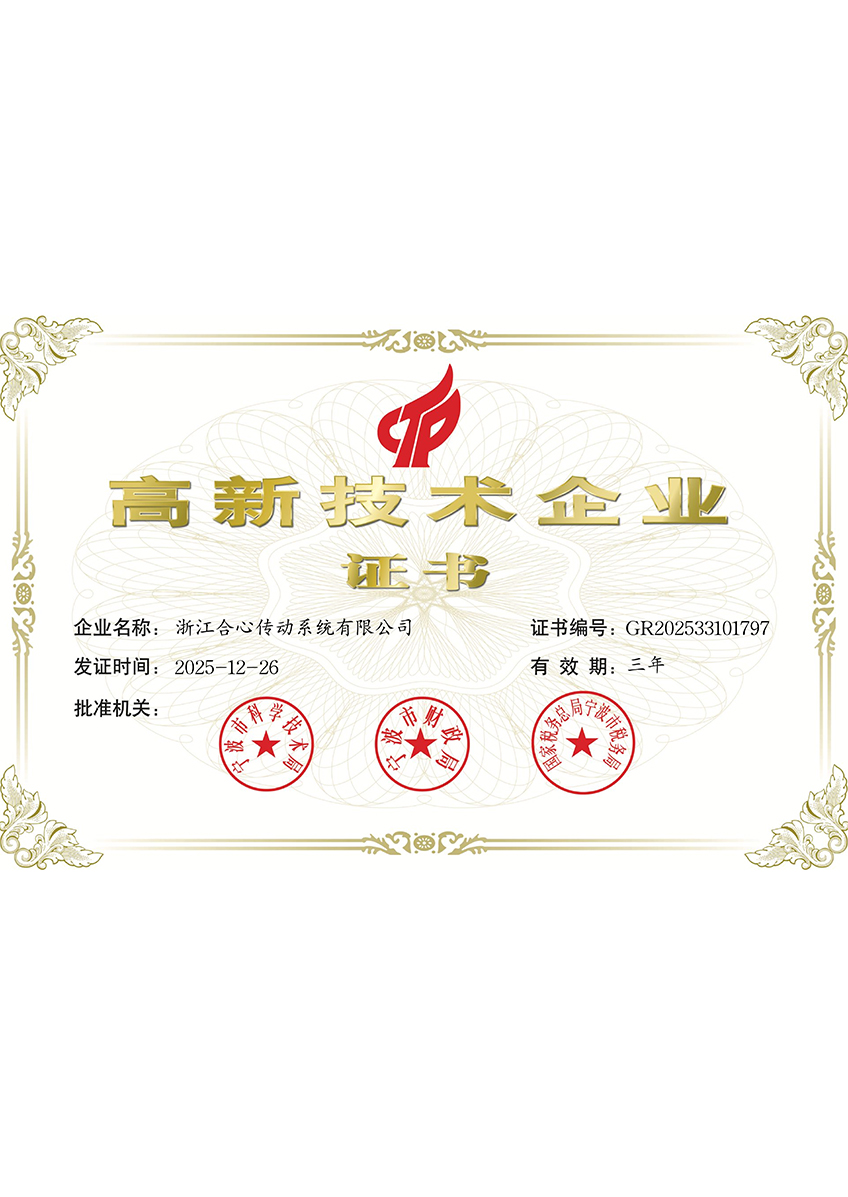
Behind the manufacturing of high-performance automotive components is decades of industrial expertise. Ningbo Herz Technology Co., Ltd. operates as a dedicated subsidiary of Zhejiang Hexin Transmission System Co., Ltd. Established in 1995, the parent company has spent decades deeply committed to the research, development, and production of advanced transmission products, cementing its status as a professional manufacturer of high-quality transmission components in China.
Situated in the Cidong Industrial Development Zone of Cixi City, Zhejiang Province, the enterprise commands a sprawling production base spanning over 40,000 square meters. The facility is outfitted with state-of-the-art, world-class manufacturing machinery and high-precision testing instruments designed to maintain strict quality control. The product portfolio encompasses agricultural fabric belts, agricultural edge-cut belts, rubber timing belts, poly-V belts, special belts, industrial V-belts, automotive timing belts, and PU timing belts, achieving a robust annual production capacity of 10 million pieces of various rubber transmission components.
Guided by a clear corporate vision and mission, the company strives to set industry benchmarks:
Vision: To become a leading manufacturer of transmission components in the industry and a world-class brand of transmission systems.
Mission:
Serving customers: Continuously provide customers with competitive transmission system products and services.
Serving society: Commit to contributing to the progress and development of the transmission industry.
Serving employees: Pursue the material and spiritual happiness of all employees.
Parameter Comparison: Single Belt Replacement vs. Complete Kit Solution
To understand why comprehensive kits are vital for vehicle longevity, it helps to examine the technical differences between replacing isolated components versus adopting a full system refresh:
| Evaluation Parameter |
Single Belt Replacement (Traditional Approach) |
Comprehensive Kit Solution (Recommended) |
| Component Scope |
Only the serpentine belt is replaced. |
Serpentine belt, tensioner, and idler pulleys replaced simultaneously. |
| System Synergy |
Low; new belt runs against worn, fatigued pulley bearings and weak tensioner springs. |
High; all matching components wear at the optimal, synchronized rate. |
| Risk of Premature Failure |
High; old tensioners can cause belt slip, misalignment, or sudden snapping. |
Minimal; balanced mechanical load extends overall operational lifespan. |
| Labor & Downtime |
High long-term labor cost; frequent recurring maintenance visits required. |
Cost-effective; one-time installation secures the entire accessory drive loop. |
| Acoustic & Power Efficiency |
Prone to squealing, vibration, and minor accessory power loss due to sub-optimal tension. |
Restores factory-grade power transmission efficiency and quiet, smooth operation. |
By addressing the entire accessory drive ecosystem at once, vehicle owners and technicians eliminate the hidden vulnerabilities that cause unexpected roadside breakdowns, ensuring peak performance across every driven accessory.
Key Components Inside a Complete Kit
An accessory drive system is only as reliable as its weakest link. When a vehicle operates under high RPMs and heavy loads, every part of the loop undergoes continuous mechanical stress. Utilizing comprehensive Drive Accessory Belt Kits ensures that all interacting components work in perfect harmony.
Core Components of a Complete Kit
The Serpentine Belt: Often referred to as the workhorse of the engine bay, this continuous multi-ribbed belt transmits rotational power directly from the engine crankshaft to various accessory components.
Belt Tensioner: Equipped with a precision internal spring or hydraulic dampener, the tensioner maintains optimal, constant pressure on the serpentine belt to prevent slippage, reduce noise, and accommodate natural belt stretching over time.
Idler Pulleys: These precision bearings guide the belt along a complex routing path around engine accessories, ensuring smooth movement without excessive friction or vibration.
Why Replacing Components Individually is a False Economy
Many vehicle owners attempt to save money upfront by replacing only a broken or noisy serpentine belt while leaving the original tensioner and pulleys in place. From a maintenance and engineering standpoint, this is a counterproductive practice.
Pulleys and tensioners experience the exact same operating hours and thermal cycles as the belt itself. When a new belt is installed onto a worn tensioner with a weakened spring, the tensioner fails to maintain correct pressure. This leads to premature belt wear, acoustic squealing, and eventual system failure.
Manufacturing Excellence and Quality Assurance by Ningbo Herz Technology Co., Ltd.
Delivering high-reliability components requires advanced manufacturing techniques and rigorous material science. Ningbo Herz Technology Co., Ltd. leverages decades of industry expertise through its parent company, Zhejiang Hexin Transmission System Co., Ltd., which has been dedicated to transmission product R&D and manufacturing since 1995.
Operating from a 40,000-square-meter state-of-the-art production base in the Cidong Industrial Development Zone, Cixi City, Zhejiang Province, the company utilizes world-class manufacturing machinery and high-precision testing instruments. This ensures that every rubber transmission belt, poly-V belt, and specialized component meets stringent international performance metrics. With an annual production capacity reaching 10 million pieces, the enterprise maintains strict quality control over material composition, tensile strength, and heat resistance, aligning with its corporate mission to continuously provide customers with competitive transmission system products and services.
Parameter Comparison: Individual Part Wear vs. Kit Synchronization
The table below illustrates the technical implications of replacing individual parts versus utilizing a matched kit solution:
| Performance Metric |
Individual Component Replacement |
Matched Kit Solution |
| Mechanical Wear Rate |
Asymmetric; a new high-tension belt accelerates the wear of aged, pitted pulley bearings. |
Symmetric; all mating parts share an identical lifecycle and wear timeline. |
| Tension Stability |
Compromised; aged tensioner springs lose calibration, causing belt flutter and slip under load. |
Optimal; factory-calibrated tensioner maintains consistent pressure across all operating ranges. |
| Thermal & Frictional Efficiency |
Lower; worn idler bearings generate excess friction, heat, and parasitic power loss. |
High; precision-machined pulleys minimize friction and maximize accessory output. |
| Expected Operating Lifespan |
Shortened; frequent secondary repairs are often required within a short mileage window. |
Maximized; engineered for long-term durability and dependable roadside performance. |
Recognizing the Signs of Wear and Failure
Even the highest-quality mechanical systems experience gradual wear over time. Because the accessory drive loop operates under constant tension, high temperatures, and rapid rotational speeds, components will eventually degrade. Recognizing the early warning signs of failure is critical to preventing unexpected roadside breakdowns and expensive secondary damage to the engine.
Visual Indicators of Belt and Component Degradation
Regular physical inspections under the hood can reveal early trouble signs before catastrophic failure occurs:
Cracking: Small transverse cracks across the rubber ribs indicate that the belt has lost its flexibility due to age and thermal cycling.
Fraying and Edge Wear: Separation or stringing along the edges of the belt usually points toward pulley misalignment or worn guide flanges.
Glazing: A shiny, hardened appearance on the belt's ribbed surface indicates slipping, which drastically reduces power transmission efficiency.
Contamination: Saturation from engine oil or coolant weakens the rubber compound, causing rapid structural deterioration.
Auditory and Functional Symptoms
When the drive system begins to fail, the vehicle will often communicate the issue through sound and performance changes:
Chirping or Squealing: Sharp noises upon startup or acceleration typically signal belt slip, often caused by a weakened tensioner spring or a glazed belt surface.
Grinding Noises: A deep metallic growl or grinding sound usually points to failing bearings inside the idler pulleys or accessory units.
Functional Loss: Slippage or complete snapping of the serpentine belt immediately cuts power to critical systems, resulting in heavy steering (power steering pump failure), dimming headlights (alternator failure), or rapid engine overheating (water pump failure).
Drive Accessory Belt Kits as the Ultimate Preventative Maintenance Solution
To combat these failure modes effectively, relying on comprehensive Drive Accessory Belt Kits is the most efficient strategy. Rather than treating symptoms individually, a complete kit provides a total system overhaul, replacing the belt, tensioner, and pulleys simultaneously. This proactive approach eliminates hidden points of failure and restores optimal mechanical balance to the entire engine accessory loop.
Engineering Reliability from Ningbo Herz Technology Co., Ltd.
Ensuring long-term resistance against wear, heat, and structural fatigue requires superior manufacturing standards. Ningbo Herz Technology Co., Ltd. applies rigorous engineering protocols backed by the extensive industry experience of its parent company, Zhejiang Hexin Transmission System Co., Ltd., which has specialized in transmission products since 1995.
Situated in the Cidong Industrial Development Zone of Cixi City, Zhejiang Province, the company utilizes a 40,000-square-meter production facility equipped with world-class manufacturing machinery and precision testing instruments. Specializing in a diverse array of high-grade transmission components—including rubber timing belts, poly-V belts, and specialized industrial and automotive options—the enterprise achieves an annual production capacity of 10 million pieces. Adhering to its corporate mission to continuously provide customers with competitive transmission system products and services, every manufactured component is engineered to withstand extreme operating stresses and resist premature thermal degradation.
Parameter Comparison: Failing System Symptoms vs. Post-Kit Restoration
The table below outlines how worn components impact vehicle performance compared to the results of installing a fresh, comprehensive kit:
| Operating Indicator |
Worn / Failing Accessory Drive System |
Restored System via Complete Kit |
| Belt Traction & Slip |
High slippage under load, causing accessory lag and power drops. |
Maximum friction and grip, ensuring 100% power transfer to accessories. |
| Noise Level |
Frequent squealing, chirping, and bearing growl during operation. |
Whisper-quiet operation with smooth, vibration-free rotation. |
| System Temperature |
Elevated thermal output due to excessive friction and pulley drag. |
Normal operating temperatures managed by efficient, low-friction bearings. |
| Reliability Risk |
High probability of sudden belt snapping or component seizure. |
Factory-grade reliability and extended service intervals. |
Benefits of Upgrading to a Complete Kit
Transitioning from piecemeal repairs to comprehensive Drive Accessory Belt Kits offers profound technical and financial advantages for both professional mechanics and vehicle owners. When servicing a high-stress mechanical loop, replacing every interacting component simultaneously ensures maximum system synergy and long-term durability.
Ensuring Component Synergy and Balanced Lifespans
The primary engineering advantage of a complete kit is component synergy. A serpentine belt, automatic tensioner, and idler pulleys are designed to operate as an interdependent ecosystem.
When a technician installs a fresh, high-tension belt onto an aged tensioner with a fatigued internal spring, the mismatch creates uneven mechanical loads. The old tensioner cannot provide the precise calibration required, resulting in micro-slip, accelerated rib wear, and premature failure. Utilizing a complete kit ensures that all mating parts start their operational lifecycle together, wearing at a uniform, predictable rate.
Optimizing Labor Efficiency and Reducing Costs
Time is one of the most valuable commodities in automotive maintenance. Dismantling engine shrouds, air intake boxes, and cooling fans to access the accessory drive system requires significant labor.
The Piecemeal Trap: Replacing only the belt today, only to have the tensioner bearing seize six months later, forces the technician or vehicle owner to repeat the entire labor-intensive teardown process.
The Kit Advantage: Installing a complete kit during a single service appointment eliminates redundant labor, saving hours of garage time and significantly lowering long-term maintenance costs.
Restoring Factory-Level Performance and Efficiency
Over time, worn idler bearings and stretched belts introduce parasitic drag into the engine bay, robbing the vehicle of subtle horsepower and fuel efficiency. Furthermore, sub-optimal belt tension causes alternator output fluctuation and sluggish power steering response.
A fresh, precision-engineered kit restores factory-grade tension, eliminates parasitic friction, and ensures that critical accessories—such as the water pump and alternator—operate at peak efficiency. This translates to smoother acceleration, steady electrical voltage, and ultimate peace of mind on the road.
Advanced Manufacturing Standards by Ningbo Herz Technology Co., Ltd.
Achieving this level of reliability demands uncompromising manufacturing precision. Ningbo Herz Technology Co., Ltd. draws upon the deep engineering expertise of its parent company, Zhejiang Hexin Transmission System Co., Ltd., which has served as a professional manufacturer of high-quality transmission products since 1995.
Operating from a modern 40,000-square-meter production facility in the Cidong Industrial Development Zone, Cixi City, Zhejiang Province, the enterprise is equipped with world-class manufacturing machinery and advanced precision testing instruments. With a robust annual production capacity of 10 million pieces spanning rubber timing belts, poly-V belts, and specialized automotive components, the company fulfills its core mission: to continuously provide customers with competitive transmission system products and services while contributing to the global advancement of the transmission industry.
Parameter Comparison: Partial Maintenance vs. Complete Kit Upgrade
The table below contrasts the long-term outcomes of partial component replacement versus a comprehensive kit upgrade:
| Evaluation Metric |
Partial Maintenance (Belt Only) |
Complete Kit Upgrade |
| Initial Labor Effort |
Moderate (repeated frequently as individual parts fail). |
Moderate to Low (performed once, securing the entire loop). |
| Secondary Failure Risk |
High; unreplaced tensioners or pulleys often fail shortly after a new belt is installed. |
Minimal; synchronized components eliminate cascading mechanical failures. |
| Parasitic Power Drag |
Higher due to aged, friction-heavy idler bearings and poor belt alignment. |
Minimized; smooth, low-friction rotation preserves engine output. |
| Overall Maintenance Economy |
Poor; higher cumulative labor costs and frequent unexpected downtime. |
Highly Cost-Effective; single installation maximizes service intervals and reliability. |
Step-by-Step Overview: Replacing Your Accessory System
Executing a professional-grade replacement of an accessory drive system requires meticulous attention to detail, adherence to safety protocols, and a systematic approach. Whether performed in a professional repair shop or as a weekend DIY project, following a structured workflow ensures that the new Drive Accessory Belt Kits components are installed correctly and perform at their peak potential.
Safety Precautions and Essential Tools
Before touching any engine components, establishing a safe working environment is paramount:
Disconnect the Battery: Always disconnect the negative battery terminal to prevent accidental engine cranking or electrical shorts.
Engine Coolant Temperature: Ensure the engine is completely cool to avoid severe burns from hot coolant lines or engine blocks.
Essential Tooling: Prepare a standard metric socket set, a serpentine belt tool or long-handled breaker bar (sized for the tensioner release socket), a torque wrench, and a flashlight or inspection mirror.
Removing the Old Belt and Inspecting Pulleys
Document Routing: Take a clear photo or sketch the exact routing path of the serpentine belt around the various pulleys. Incorrect routing during reassembly will cause accessory reversal or belt damage.
Relieve Tension: Attach the breaker bar or specialized serpentine belt tool to the tensioner pulley bolt or designated square drive. Rotate the tensioner in the direction that releases spring pressure, then slip the belt off an easily accessible idler pulley.
Release and Remove: Slowly allow the tensioner to return to its resting stop, then extract the old belt from the engine bay.
Inspect Pulleys: Manually spin every idler pulley and accessory pulley (alternator, power steering, A/C compressor). Check for bearing roughness, play, wobbling, or unusual noise.
Installing the New Tensioner, Idler Pulleys, and Belt
Hardware Replacement: Unbolt the old automatic tensioner and idler pulleys. Clean the mounting surfaces and install the new components included in your complete kit. Torque all mounting bolts strictly to factory-specified parameters.
Belt Routing: Following your pre-recorded routing diagram, thread the new serpentine belt around all accessory pulleys, idler wheels, and the crankshaft pulley, leaving the automatic tensioner for the final step.
Final Tensioning: Rotate the tensioner arm to its relief position, slip the belt over the final pulley, and slowly release the tensioner to apply firm, calibrated pressure onto the new belt.
Verification Check: Double-check that the belt ribs are perfectly seated within the grooves of every single pulley. Misalignment by even a single rib will cause rapid shredding upon startup.
Quality Assurance in Manufacturing by Ningbo Herz Technology Co., Ltd.
The durability of any belt replacement depends heavily on the structural integrity of the components used. Ningbo Herz Technology Co., Ltd. ensures that every component engineered meets the highest standards of tensile strength, heat resistance, and dimensional accuracy.
Operating from a 40,000-square-meter advanced manufacturing facility in the Cidong Industrial Development Zone, Cixi City, Zhejiang Province—backed by the parent company Zhejiang Hexin Transmission System Co., Ltd. established in 1995—the enterprise utilizes world-class manufacturing equipment and precision testing instruments. With an annual production capacity of 10 million pieces spanning rubber timing belts, poly-V belts, and specialized transmission systems, the company fulfills its mission to continuously provide customers with competitive, high-reliability transmission products and services worldwide.
Parameter Comparison: Professional Installation vs. Improper Installation
The table below highlights the technical consequences of proper kit installation versus common installation errors:
| Installation Parameter |
Correct, Methodical Installation |
Improper or Rushed Installation |
| Rib Alignment |
100% seated within every pulley groove, ensuring even load distribution. |
Misaligned by one or more ribs, leading to immediate edge fraying and snapping. |
| Tensioner Torque |
Fastened to precise manufacturer specifications using calibrated tools. |
Over-torqued or under-torqued bolts causing housing cracks or fastener backing-out. |
| Initial Startup Behavior |
Smooth, quiet, and vibration-free rotation across all driven accessories. |
Loud squealing, belt slip, wandering, or immediate component binding. |
| Service Longevity |
Delivers full rated operating lifespan with minimal wear. |
Catastrophic failure within the first few hundred miles of operation. |
Frequently Asked Questions (FAQ)
1. How often should I replace my serpentine belt and related components?
As a general rule of thumb, automotive serpentine belts and drive accessory components should be inspected every 30,000 miles and typically replaced between 60,000 and 100,000 miles, depending on driving conditions, climate exposure, and vehicle manufacturer guidelines. Extreme heat, heavy towing, or frequent stop-and-go driving can accelerate wear, making annual visual inspections essential.
2. Can I replace just the belt without changing the tensioner and pulleys?
While it is physically possible to replace only the belt, it is strongly discouraged by automotive engineers. Pulleys and automatic tensioners experience the exact same thermal cycles and mechanical fatigue as the belt. Installing a fresh, high-tension belt onto worn, pitted pulleys or a weak tensioner often leads to premature belt slip, acoustic squealing, and rapid structural failure. Utilizing comprehensive Drive Accessory Belt Kits ensures total system harmony.
3. What causes a brand-new belt to squeal shortly after installation?
A squealing new belt is usually an indicator of one of a few common issues:
Misalignment: The belt is not properly seated within the multi-rib grooves of one or more pulleys.
Weak Tensioner: An old or failing tensioner is failing to provide adequate, calibrated pressure.
Pulley Contamination: Oil, grease, or coolant residue on the pulley surfaces is causing the belt to slip.
4. How do Ningbo Herz Technology Co., Ltd. products ensure superior durability?
Reliability begins with advanced manufacturing and strict quality control. Ningbo Herz Technology Co., Ltd. operates as a dedicated subsidiary of Zhejiang Hexin Transmission System Co., Ltd., which has specialized in transmission product research and manufacturing since 1995. Based in a 40,000-square-meter facility in the Cidong Industrial Development Zone, Cixi City, Zhejiang Province, the company utilizes world-class manufacturing equipment and precision testing instruments. With an annual capacity of 10 million pieces spanning poly-V belts, rubber timing belts, and specialized transmission components, the enterprise remains committed to its mission of providing customers with competitive, high-performance transmission system products and services.
Parameter Comparison: Quick Troubleshooting Reference
| Symptom |
Primary Probable Cause |
Corrective Action |
| Sharp Squeal on Startup |
Loose belt tension or glazed belt surface. |
Inspect tensioner spring strength and check belt seating. |
| Low-Pitched Growling Noise |
Worn internal bearing inside an idler pulley or alternator. |
Manually spin and inspect all pulleys; replace via a complete kit. |
| Rapid Edge Fraying |
Pulley misalignment or bent mounting bracket. |
Align or replace affected pulleys and install a fresh belt. |
| Visible Rubber Cracking |
Thermal aging, dry rot, and high mileage fatigue. |
Replace the entire accessory drive loop using a matched kit. |


 English
 Español
 Português
 عربى
عربى