Understanding Power Transmission Belts: An Overview
Mechanical power transmission forms the foundational backbone of industrial automation, agricultural productivity, and heavy manufacturing. Since the early days of flat leather belts running on wooden pulleys, the engineering of mechanical drive systems has undergone a profound transformation. Today, high-performance elastomeric and synthetic tension members dictate the efficiency, reliability, and precision of everything from micro-machinery to massive industrial processing plants. Understanding how mechanical energy is transferred via flexible traction elements is essential for engineers, maintenance supervisors, and original equipment manufacturers (OEMs) striving to minimize downtime and optimize energy conversion.
At the heart of modern machinery and industrial systems, power transmission belts act as the vital link between prime movers—such as electric motors or internal combustion engines—and driven loads. Unlike rigid gear trains or direct-coupling arrangements, belt drives offer inherent flexibility, shock-absorption capabilities, and overload protection. They cushion mechanical components against sudden torque spikes, dampen vibrational harmonics, and accommodate minor misalignments without catastrophic failure. Whether deployed in continuous-duty factory production lines, rugged agricultural harvesters, or high-speed precision compressors, these components determine overall system throughput and operational continuity.
To navigate the diverse landscape of power transmission engineering, professionals rely on three primary belt categories, each tailored to specific mechanical environments:
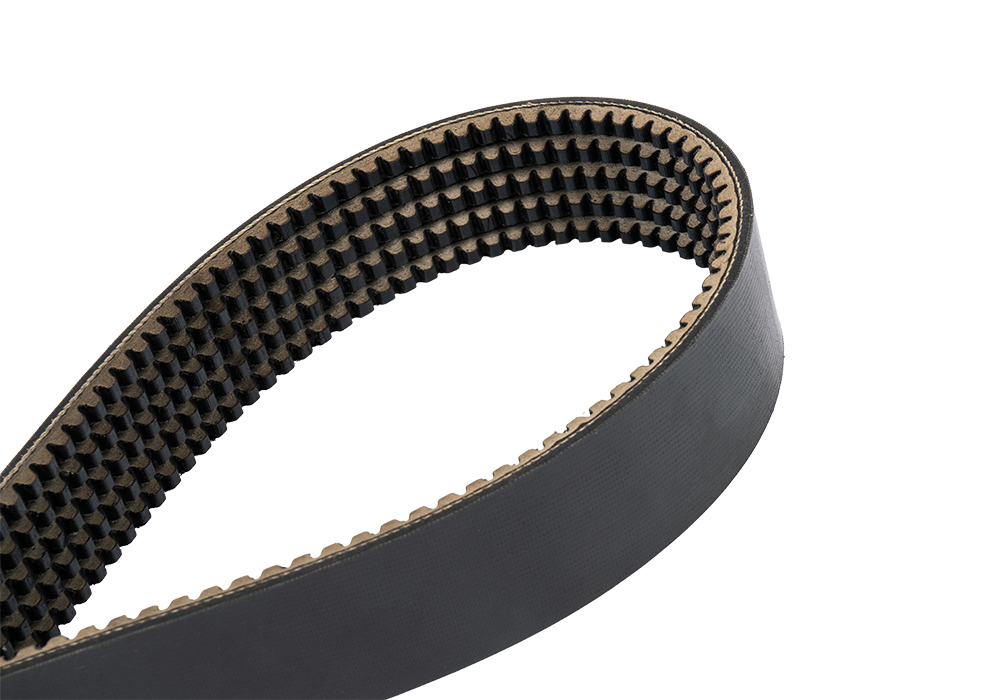
- Poly-V Belts: Engineered with a multi-ribbed flat profile that marries the high friction traction of conventional wedge designs with the exceptional flexibility and high-speed ratios of flat belts.
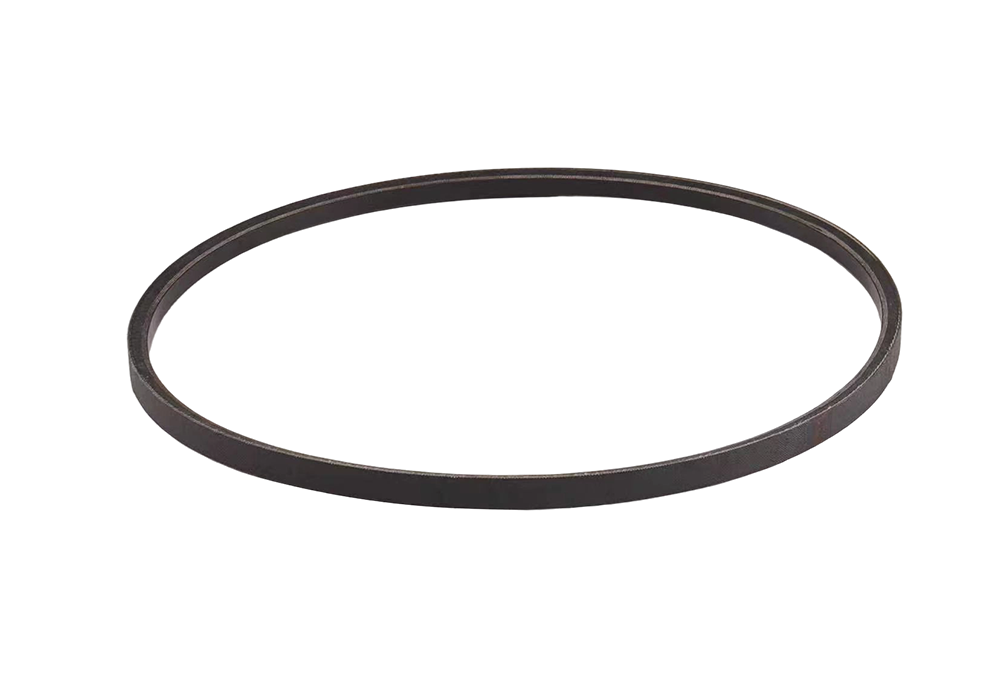
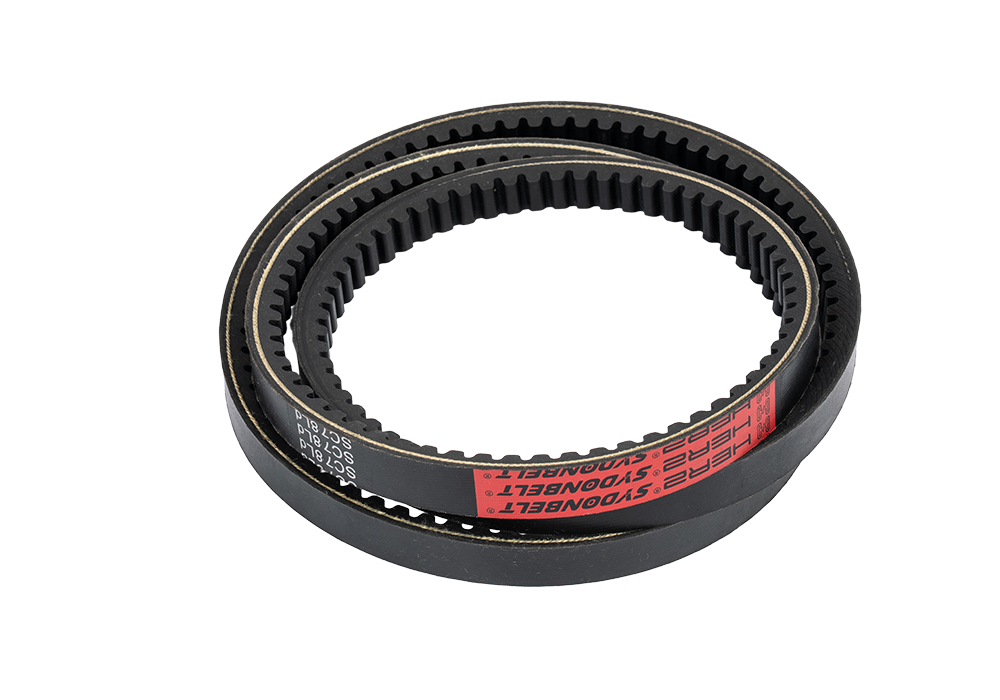
- Industrial V-Belts: The traditional workhorses of heavy industry, characterized by a trapezoidal cross-section that wedges tightly into pulley grooves to deliver high torque capacity under demanding loads.
- V-Drive Belt: System-level configurations integrating matched belts and precision sheaves to optimize mechanical advantage, speed reduction, and power delivery across complex machinery layouts.
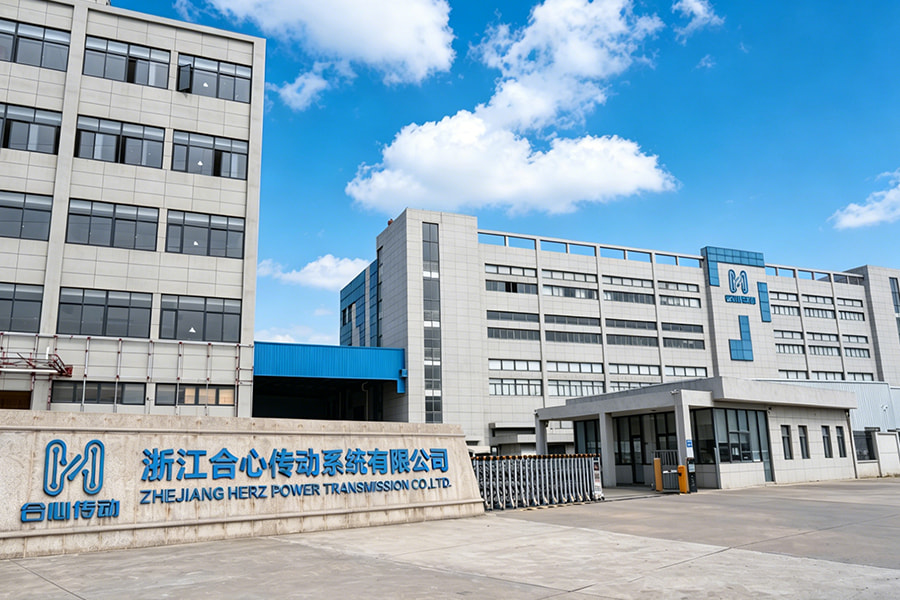
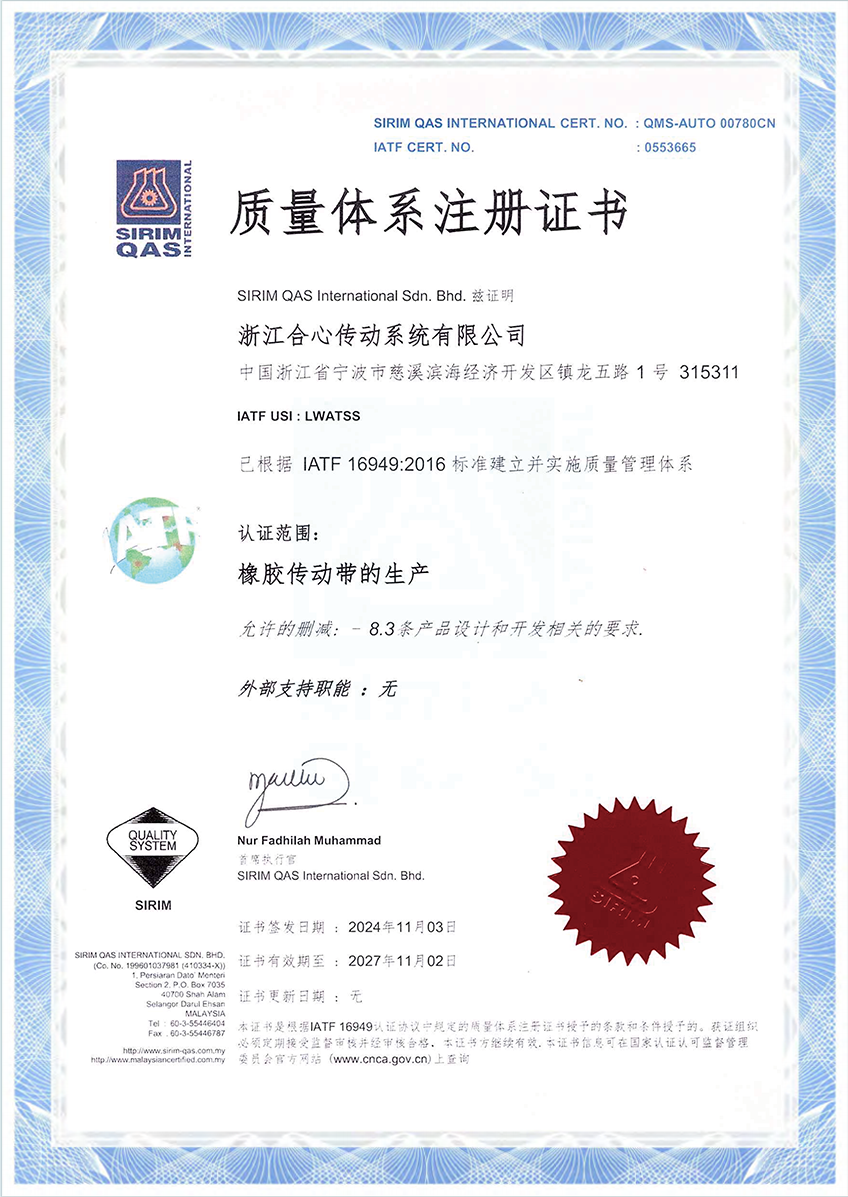
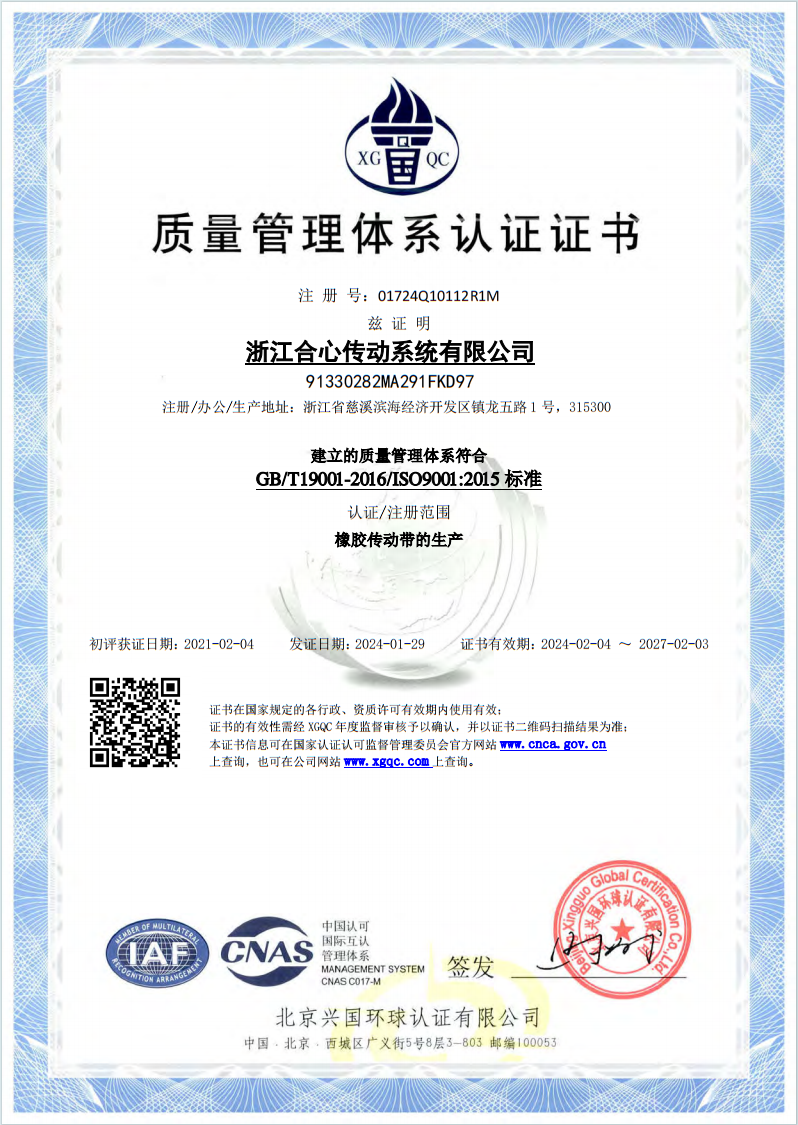
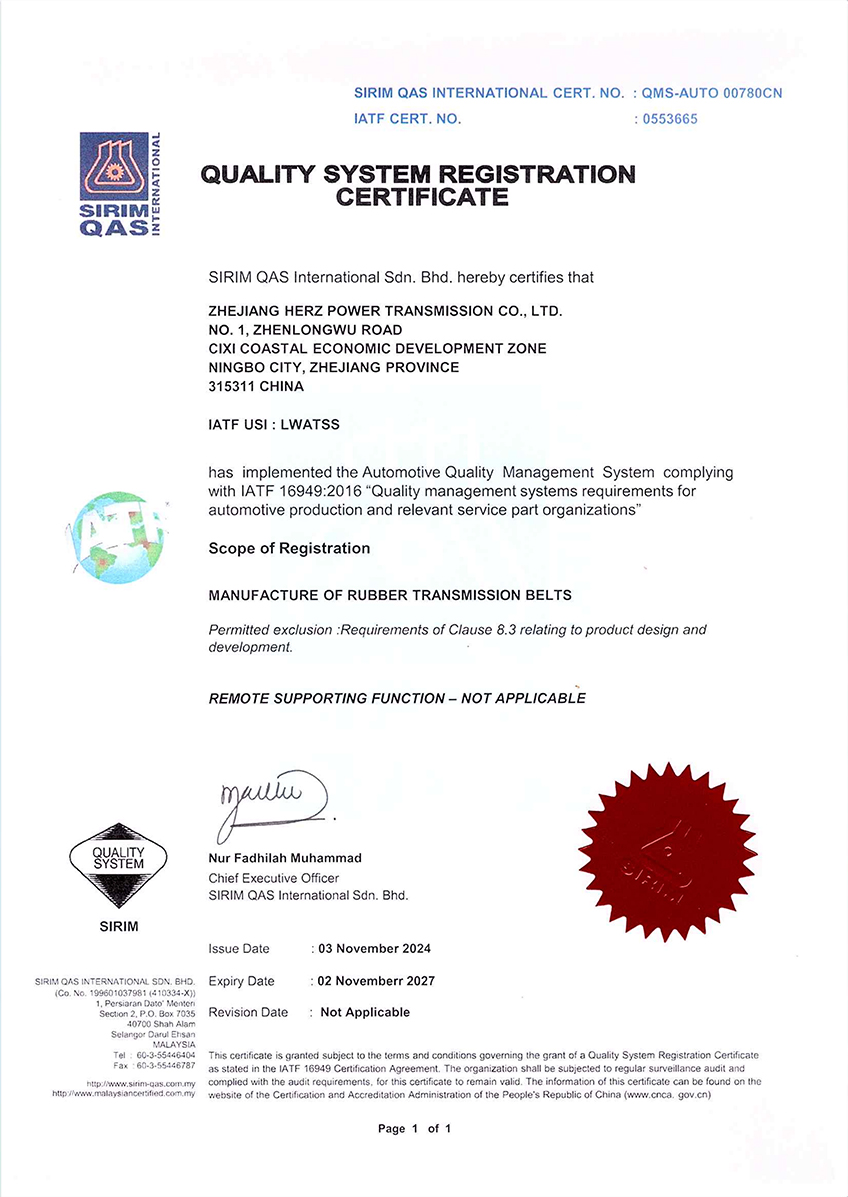
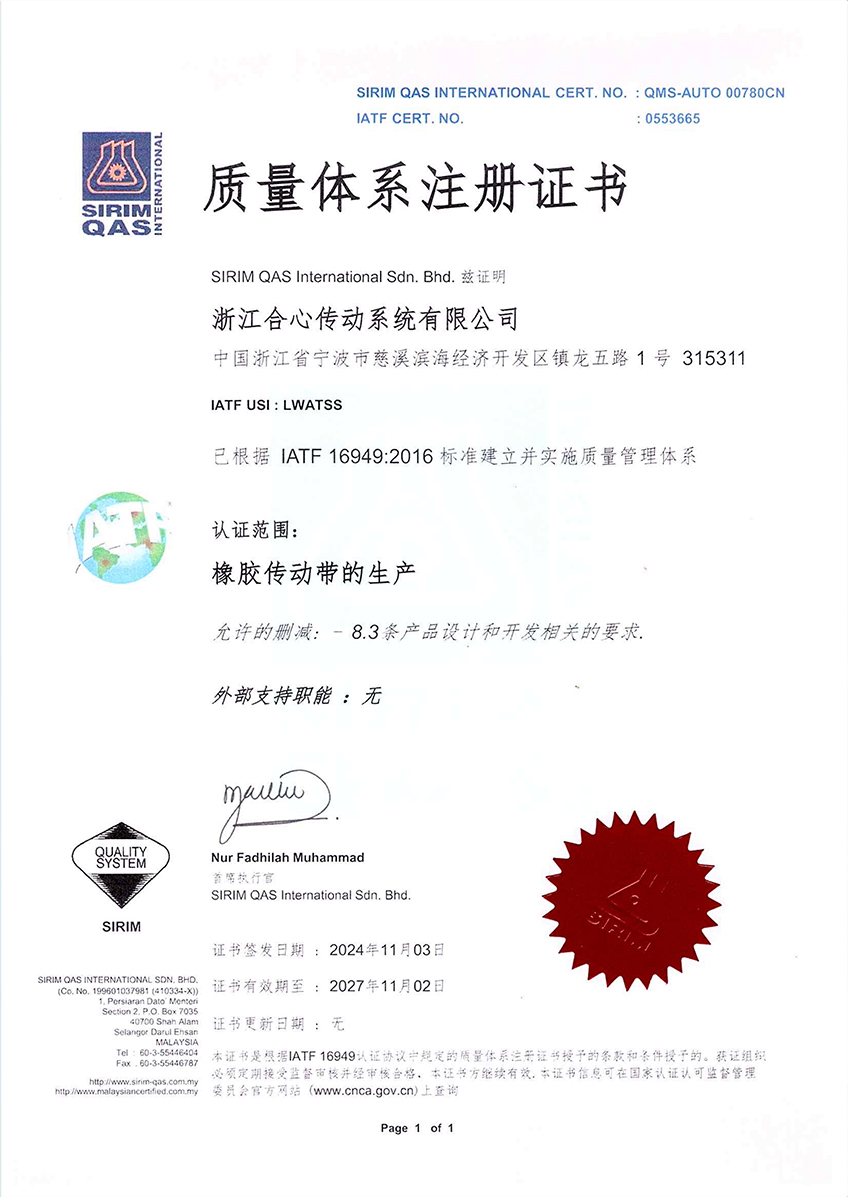
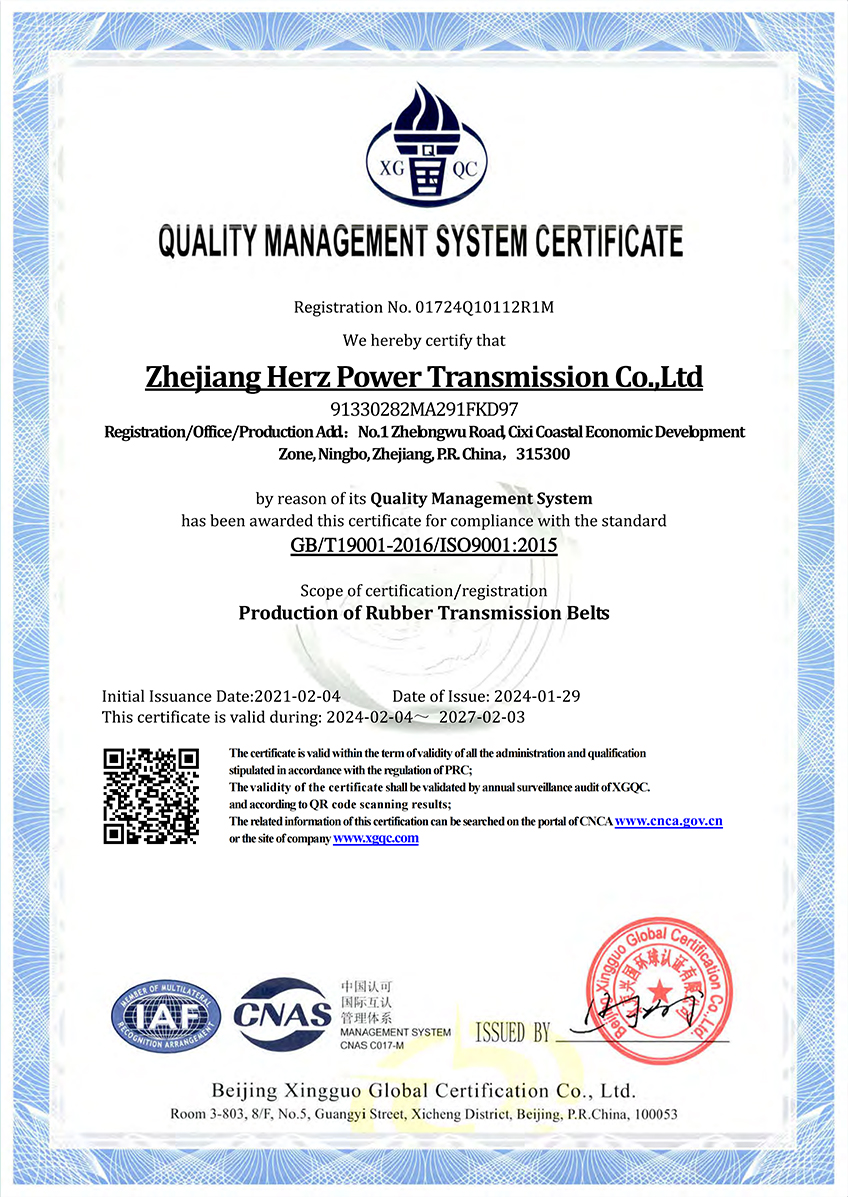
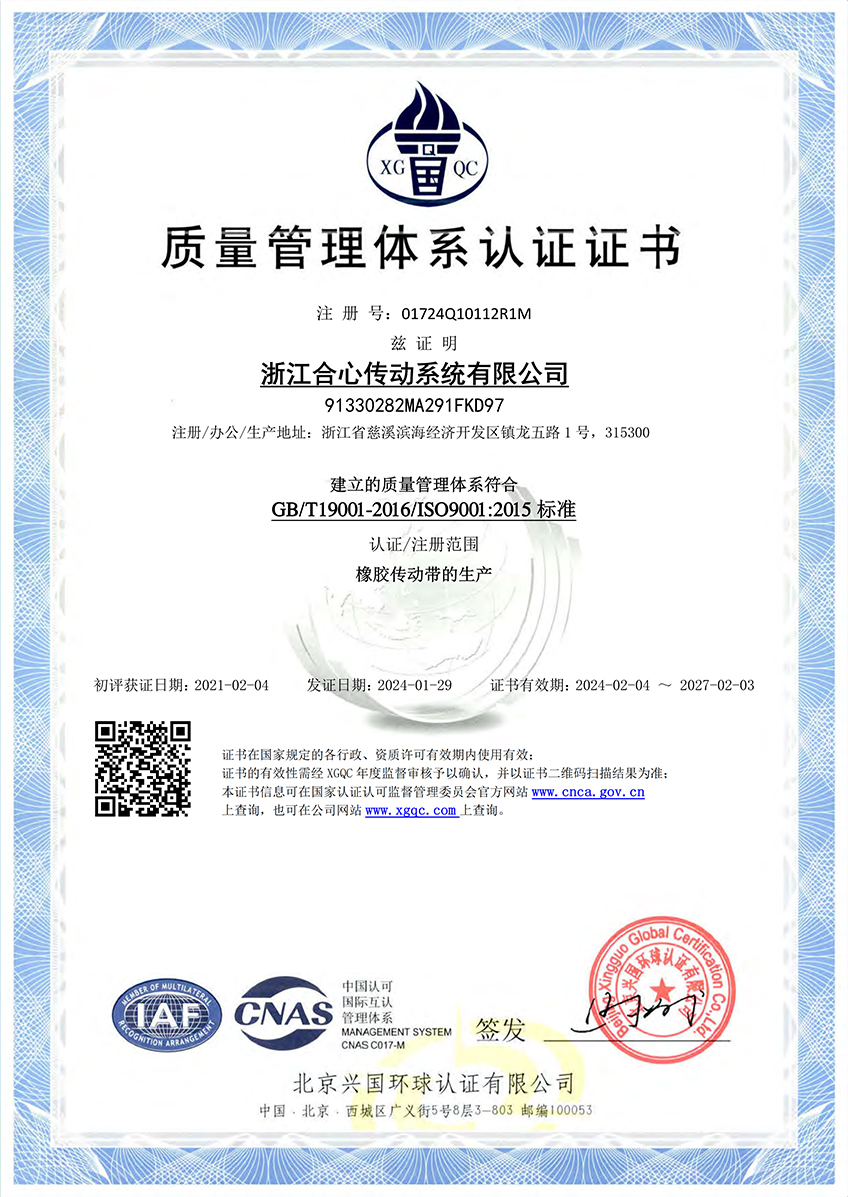
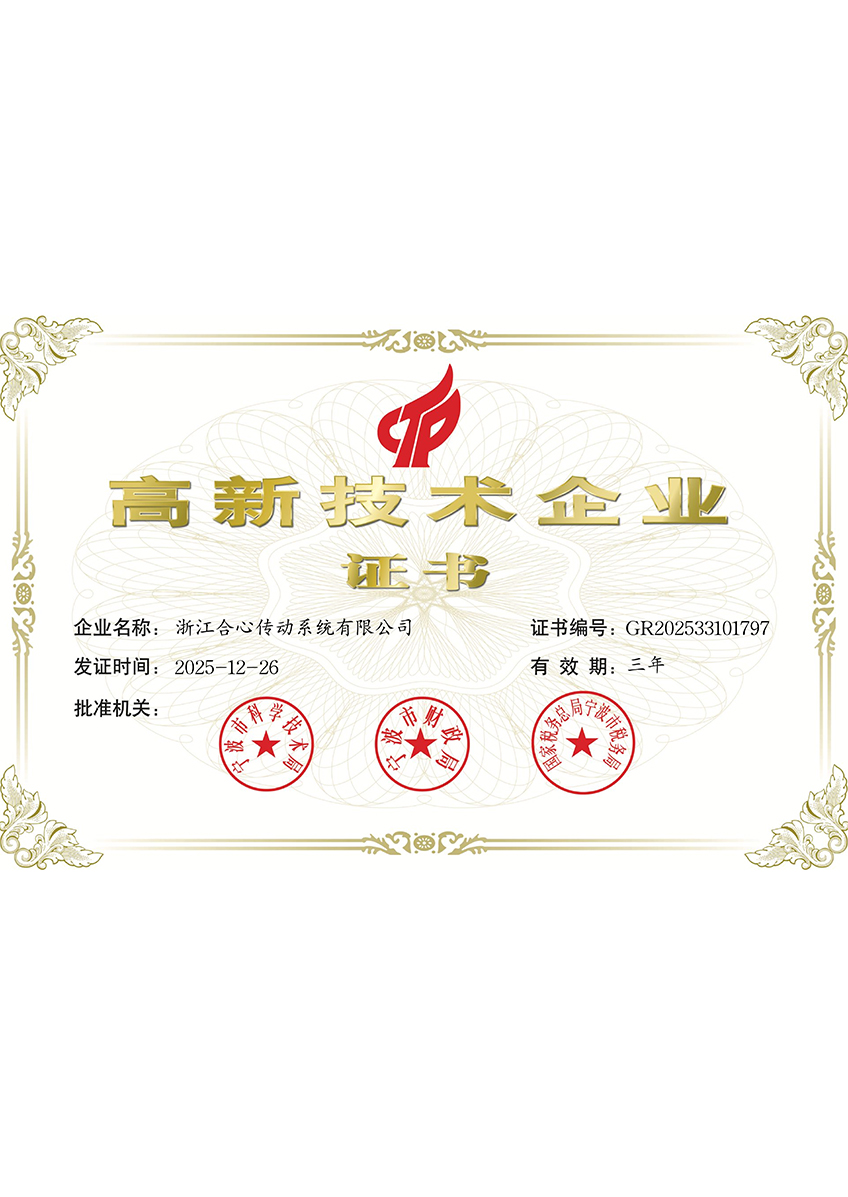
Integrating decades of manufacturing expertise, Ningbo Herz Technology Co., Ltd. (as a subsidiary of Zhejiang Hexin Transmission System Co., Ltd., established in 1995) leverages a sprawling 40,000-square-meter production base in Cixi, Zhejiang, to deliver an annual capacity of 10 million precision transmission belts. Backed by world-class manufacturing equipment and rigorous quality control protocols, our product portfolio directly addresses the rigorous performance demands of global industrial and agricultural sectors.
Key Technical Parameters and Comparative Overview
Selecting the appropriate transmission medium requires a comprehensive evaluation of operational metrics, environmental constraints, and mechanical load profiles. Below is a comparative parameter breakdown of the primary belt types engineered and manufactured by Ningbo Herz Technology Co., Ltd.:
| Technical Parameter |
Industrial V-Belts (Classical/Narrow) |
Poly-V Belts (Multi-Ribbed) |
V-Drive Belt (System Assemblies) |
| Primary Advantage |
High torque transmission, self-seating wedge action |
High speed ratios, minimal vibration, flat-belt flexibility |
Optimized system efficiency, synchronized load distribution |
| Maximum Linear Speed |
Up to 30 m/s |
Up to 40–50 m/s |
Varies by profile (typically 25–40 m/s) |
| Efficiency Rating |
94% – 96% |
96% – 98% |
95% – 98% (dependent on alignment) |
| Minimum Pulley Diameter |
Moderate to Large (governed by cross-section) |
Very Small (exceptional lateral flexibility) |
Engineered to match specific wedge angles |
| Typical Applications |
Heavy industrial drives, crushers, agricultural equipment |
Automotive accessory drives, compressors, machine tools |
Industrial pumps, ventilation fans, heavy manufacturing lines |
Through continuous material science innovations—incorporating high-modulus polyester or aramid tensile cords, specialized chloroprene or EPDM rubber compounds, and abrasion-resistant fabric backing—Ningbo Herz Technology Co., Ltd. ensures that every transmission solution fulfills our corporate mission: consistently providing competitive, high-durability products that advance the global transmission industry.
Technical Fundamentals and Design Variations
At the core of every mechanical power transmission system lies a fundamental physical principle: the conversion of rotational energy through controlled friction and tensile force. Power transmission belts do not rely on rigid meshing teeth alone (as timing belts do); instead, they depend on the frictional grip established between the belt's flank and the inner walls of the pulley groove, coupled with appropriate initial tension. When the driver pulley rotates, it creates a tension differential between the tight side and the slack side of the loop. This tension differential generates the torque necessary to drive the load. Maintaining optimal tension is critical; insufficient tension results in slippage, thermal degradation, and mechanical inefficiency, while excessive tension accelerates bearing wear and shortens operational lifespan.
Cross-sectional geometry dictates how a belt distributes mechanical loads across its structure. Engineers utilize various profiles to balance wedge action, contact area, and bending resistance:
- Trapezoidal Profiles (Wedge Action): Standard in traditional heavy-duty drives, the angled sides of the profile wedge tightly into matching pulley grooves, multiplying the normal force and enabling high torque transmission without excessive initial tension.
- Flat Profiles with Longitudinal Ribs: Maximizes surface contact across a wide, thin cross-section, reducing bending stress around small pulleys while maintaining high traction.
- Wrapped vs. Raw Edge Construction: Wrapped belts feature a protective fabric envelope that shields the core rubber from environmental contaminants and evenly distributes wear, whereas raw-edge (cogged) variants expose the rubber flanks for enhanced lateral friction, superior heat dissipation, and greater flexibility around tight pulley diameters.
Material science plays an indispensable role in determining the durability, thermal stability, and load-bearing capacity of modern transmission components. At Ningbo Herz Technology Co., Ltd., our advanced manufacturing infrastructure enables precise integration of high-performance materials tailored to punishing operational environments:
- Tensile Cord Members: Embedded high-modulus polyester, aramid (Kevlar), or fiberglass cords bear the primary tensile loads with minimal elongation, ensuring dimensional stability over extended service cycles.
- Elastomeric Matrix Compounds: Utilizing premium polychloroprene (Neoprene) or Ethylene Propylene Diene Monomer (EPDM) rubber, our compounds offer exceptional resistance to oil, heat, ozone, and dynamic fatigue. EPDM variants, in particular, excel in high-temperature environments ranging from -40 degrees C to over 130 degrees C.
- Fabric Backings and Flank Covers: Impregnated cotton-polyester fabric plies protect internal components against abrasive wear, environmental moisture, and lateral friction forces.
Comparative Overview of Belt Material & Design Variations
| Design & Material Attribute |
Wrapped Construction |
Raw-Edge Cogged Construction |
Multi-Ribbed Elastomer Matrix |
| Primary Structural Focus |
Environmental protection and quiet operation |
Maximum friction, heat dissipation, and flexibility |
High-speed flexibility and large contact surface area |
| Bending Resistance |
Moderate (stiffer due to full fabric envelope) |
Low (cogs relieve internal bending stress) |
Extremely Low (thin profile wraps around miniature pulleys) |
| Thermal Tolerance |
Standard operational limits (-30 degrees C to 80 degrees C) |
Enhanced due to exposed raw edges (-40 degrees C to 110 degrees C) |
Superior heat dissipation profiles (-40 degrees C to 130 degrees C with EPDM) |
| Primary Manufacturing Source |
Ningbo Herz Technology Co., Ltd. agricultural and industrial lines |
Ningbo Herz Technology Co., Ltd. high-torque industrial series |
Ningbo Herz Technology Co., Ltd. precision automotive and industrial lines |
By combining rigorous material selection with world-class production standards at our 40,000-square-meter facility in Cixi, Zhejiang, Ningbo Herz Technology Co., Ltd. delivers 10 million pieces of precision rubber transmission belts annually. Our commitment to cutting-edge technical fundamentals ensures that every component engineered by our team fulfills our corporate vision: establishing a world-class brand of transmission systems that serves global industrial progress with uncompromising reliability.
Deep Dive into Industrial V-Belts
When heavy industry requires rugged, dependable power transmission capable of withstanding punishing duty cycles and shock loads, Industrial V-Belts remain the undisputed industry standard. Characterized by their distinct trapezoidal cross-section, these belts are engineered to wedge securely into matching sheave grooves. This wedging action creates a mechanical advantage where a moderate initial installation tension is automatically multiplied by the groove angle, allowing the belt to transmit exceptionally high torque without slipping.
To cater to diverse mechanical power requirements, industrial drives rely on two primary geometric categories: classical profiles (such as A, B, C, and D sections) and narrow wedge profiles (such as SPZ, SPA, SPB, and SPC). Classical profiles have traditionally served legacy equipment with generous space allowances, offering robust durability and broad tolerance ranges. In contrast, narrow wedge profiles feature an optimized depth-to-width ratio that distributes load more evenly across the tensile cords. This allows narrow belts to transmit up to three times the power of classical belts within the same drive envelope, making modern machinery significantly more compact and material-efficient.
The structural integrity and operational superiority of these components stem from meticulous construction. Ningbo Herz Technology Co., Ltd. utilizes high-strength polyester and aramid tension cords encased in high-performance rubber matrices, protected by a wear-resistant fabric envelope or precision-ground raw edges. Operating out of our 40,000-square-meter manufacturing facility in Cixi, Zhejiang, we ensure that every industrial drive component achieves optimal load distribution, minimal stretch, and extended service life.
Technical Parameter Comparison of Industrial V-Belts
To assist engineers and maintenance managers in selecting the ideal profile for their machinery, the following parameter comparison outlines the specifications of classical and narrow industrial profiles manufactured by Ningbo Herz Technology Co., Ltd.:
| Belt Category / Profile |
Common Cross-Section Dimensions (Width x Height) |
Power Transmission Capacity |
Recommended Maximum Linear Speed |
Typical Industrial Applications |
| Classical V-Belt (Section A) |
13 mm x 8 mm |
Low to Moderate |
Up to 30 m/s |
Light workshop machinery, ventilation fans, small pumps |
| Classical V-Belt (Section B) |
17 mm x 11 mm |
Moderate to High |
Up to 30 m/s |
Agricultural harvesters, medium-duty compressors, woodworking tools |
| Classical V-Belt (Section C) |
22 mm x 14 mm |
High |
Up to 30 m/s |
Heavy industrial crushers, stone mills, large pumps |
| Narrow V-Belt (Profile SPZ) |
9.7 mm x 8 mm |
High (Compact design) |
Up to 42 m/s |
High-speed industrial fans, compact machine tools |
| Narrow V-Belt (Profile SPA) |
12.7 mm x 10 mm |
Very High |
Up to 42 m/s |
Agricultural machinery drives, heavy industrial blowers |
| Narrow V-Belt (Profile SPB) |
16.3 mm x 13 mm |
Extremely High |
Up to 42 m/s |
Large compressors, oilfield equipment, heavy manufacturing lines |
| Narrow V-Belt (Profile SPC) |
22 mm x 18 mm |
Maximum Load Capacity |
Up to 42 m/s |
Primary mining crushers, heavy industrial generators, large mills |
The key advantages of deploying Industrial V-Belts in demanding environments include:
- Self-Seating Properties: The trapezoidal wedge geometry naturally aligns and seats itself securely within the sheave groove under load, maintaining stable friction grip.
- High Load-Bearing Capacity: Capable of handling severe shock loads and sudden torque spikes without stripping or catastrophic failure.
- Cost-Effectiveness: Simple installation requirements, widespread standardization, and long operational lifespans deliver an exceptionally low total cost of ownership.
Common industrial applications span a vast operational landscape. In heavy manufacturing, they drive large-scale assembly conveyors and metal-working presses. In agricultural equipment, they power threshers, combines, and auxiliary harvesting mechanisms under dusty, variable-load conditions. In HVAC systems, they ensure continuous, reliable airflow in large commercial ventilation and climate control networks. As part of our corporate mission at Ningbo Herz Technology Co., Ltd., we continually refine our manufacturing processes—backed by an annual capacity of 10 million pieces—to ensure our industrial transmission solutions provide competitive, dependable performance for global sectors.
Exploring Poly-V Belts for High-Speed Applications
As modern industrial equipment and automotive engineering push toward higher rotational speeds, greater compactness, and increased energy efficiency, traditional drive systems often encounter mechanical limitations. Classical and narrow wedge configurations can generate excessive centrifugal force, heat buildup, and bending fatigue when forced to operate around small pulley diameters at high RPMs. To bridge this performance gap, Poly-V Belts have emerged as the definitive solution for high-speed, high-ratio power transmission.
Engineering Poly-V Belts requires combining the high-traction wedging benefits of conventional V-belts with the exceptional longitudinal flexibility and thin profile of flat belts. Structurally, these components feature a series of V-shaped parallel ribs running lengthwise along the inner surface of a flat backing band. This multi-ribbed geometry engages matching multi-grooved sheaves, distributing the load uniformly across the entire width of the pulley. Because the tensile cord member is positioned as a continuous, flat layer across the top of the ribs, tension is shared equally by every rib, eliminating the unequal load distribution often found in multi-belt V-drive arrangements.
The unique multi-ribbed architecture yields distinct operational benefits:
- Increased Surface Contact: The numerous smaller ribs multiply the frictional contact area compared to a single V-belt of equivalent width, allowing for higher torque transmission without increasing drive width.
- Reduced Vibration and Noise: The continuous flat backing and seamless rib engagement dampen vibrational harmonics, resulting in exceptionally smooth, quiet operation even at elevated speeds.
- High-Speed Capabilities: The extremely low profile and reduced mass minimize centrifugal force effects, allowing Poly-V Belts to operate efficiently at linear speeds exceeding 50 m/s while utilizing significantly smaller pulley diameters.
Typical use cases span a diverse spectrum of high-performance environments. In automotive engineering, they serve as serpentine accessory drives, powering alternators, water pumps, and power steering compressors under extreme thermal cycles. In industrial manufacturing, they drive precision machine tool spindles, textile machinery, high-speed centrifugal compressors, and ventilation blowers where smooth power delivery and surface finish quality are paramount.
Technical Parameter Comparison of Poly-V Belts
To assist engineers in integrating multi-ribbed systems into high-speed machinery, the standard profile classifications and parameter specifications engineered by Ningbo Herz Technology Co., Ltd. are outlined below:
| Profile Designation |
Rib Pitch |
Minimum Recommended Pulley Diameter |
Maximum Linear Speed |
Primary Industrial & Commercial Applications |
| PH Profile |
1.6 mm |
20 mm |
Up to 60 m/s |
Micro-appliances, power tools, small fitness equipment |
| PJ Profile |
2.34 mm |
20 mm |
Up to 55 m/s |
Domestic appliances, pumps, light compressors, automotive auxiliaries |
| PK Profile |
3.56 mm |
45 mm |
Up to 50 m/s |
Automotive accessory drives, heavy-duty compressors, agricultural fans |
| PL Profile |
4.7 mm |
75 mm |
Up to 45 m/s |
Industrial machine tools, woodworking equipment, larger pumps |
| PM Profile |
9.4 mm |
180 mm |
Up to 40 m/s |
Heavy industrial drives, crushing machinery, large paper mill rolls |
Operating out of our advanced 40,000-square-meter production facility in Cixi, Zhejiang, Ningbo Herz Technology Co., Ltd. utilizes state-of-the-art vulcanization and precision-molding technologies to produce high-tolerance multi-ribbed solutions. Backed by our annual capacity of 10 million transmission belts, our strict quality control ensures that every Poly-V Belt delivers optimal tension stability, minimal slip, and world-class durability in alignment with our corporate vision of driving global industrial progress.
Optimizing Performance with the V-Drive Belt System
Achieving maximum mechanical efficiency, energy conservation, and extended component lifespan requires looking beyond individual components to evaluate the entire drive assembly. A complete V-Drive Belt system integrates matched belts, precision-machined sheaves, and rigorous shaft alignment into a cohesive power transmission network. When engineered correctly, a drive system maximizes the conversion of electrical or mechanical energy from the prime mover to the driven load while minimizing friction, thermal stress, and premature wear.
The mechanics of a complete V-Drive Belt setup depend heavily on precise geometric coordination. Unlike single-belt replacements where a new belt is mixed with worn components, a professional system design accounts for transmission ratios, center distances, and power rating factors. When multiple belts are deployed in parallel on classical or narrow industrial drives, even minor variations in length can cause load imbalances, forcing a single belt to carry a disproportionate share of the stress. To eliminate this issue, matching sets manufactured within strict dimensional tolerances are essential. Furthermore, calculating the correct transmission ratio ensures that driven machinery operates at its designated optimal RPM without overloading the motor bearings.
Sourcing and matching components for maximum operational lifespan involves several critical engineering calculations and practices:
- Transmission Ratio Calculation: Determined by the ratio of the pitch diameters between the driven sheave and the driver sheave, dictating speed reduction or multiplication.
- Center Distance and Arc of Contact: Maintaining an appropriate span between shaft centers ensures a sufficient arc of contact (ideally 120 degrees or greater) on the smaller pulley to prevent slippage.
- Power Rating Correction Factors: Applying service factors that account for daily operating hours, prime mover characteristics (e.g., electric motor vs. internal combustion engine), and shock load severity.
Technical Parameter Comparison for Drive System Design
The following reference matrix outlines system-level design parameters, correction considerations, and operational benchmarks utilized when engineering a robust V-Drive Belt setup:
| System Design Parameter |
Light Duty / Intermittent Service |
Standard Industrial / Continuous Duty |
Heavy Duty / Severe Shock Load |
| Operational Service Factor |
1.0 to 1.2 |
1.3 to 1.5 |
1.6 to 2.0+ |
| Minimum Arc of Contact |
120 degrees |
140 degrees |
150 degrees or greater (use idler if needed) |
| Recommended Center Distance |
0.7 times sum of diameters to 2 times sum of diameters |
Sum of diameters to 1.5 times sum of diameters |
Optimized based on dynamic load analysis |
| Maximum Recommended Ratio |
Up to 7:1 |
Up to 5:1 |
Up to 3:1 (for high-torque multi-stage drives) |
At Ningbo Herz Technology Co., Ltd., located in the Cidong Industrial Development Zone, Cixi City, Zhejiang Province, our 40,000-square-meter manufacturing base is equipped with precision testing instruments to ensure that our transmission components meet exact dimensional and performance standards. With an annual production capacity of 10 million pieces spanning agricultural fabric belts, agricultural edge-cut belts, rubber timing belts, poly-V belts, special belts, industrial V-belts, automotive timing belts, and PU timing belts, we are dedicated to fulfilling our mission: continuously providing customers worldwide with competitive transmission system products and services that drive industrial excellence.
Comparative Analysis: Choosing the Right Belt for Your Application
Selecting the optimal power transmission medium is a critical engineering decision that directly impacts operational efficiency, maintenance overhead, and total cost of ownership. Because different machinery designs impose unique mechanical demands, maintenance managers and design engineers must weigh various performance metrics—such as efficiency, space constraints, initial investment, and maintenance frequency—before finalizing a drive configuration.
A comprehensive evaluation requires analyzing how each belt type performs under specific operational constraints. For instance, high-speed applications with restricted physical space heavily favor multi-ribbed profiles, whereas rugged, high-torque industrial machinery operating in dusty or severe environments relies on traditional trapezoidal wedge configurations.
Decision Matrix: Industrial V-Belts vs. Poly-V Belts
To facilitate precise engineering selections, the comparative matrix below contrasts the operational characteristics, efficiency ratings, and environmental suitability of the primary belt categories engineered by Ningbo Herz Technology Co., Ltd.:
| Performance & Operational Factor |
Industrial V-Belts (Classical & Narrow) |
Poly-V Belts (Multi-Ribbed Systems) |
| Mechanical Efficiency |
High (94 percent to 96 percent) |
Superior (96 percent to 98 percent) |
| Space Requirements |
Moderate to High (requires wider pulley spacing) |
Compact (high power density in narrow envelopes) |
| Vibration and Noise Level |
Moderate (can generate harmonic vibration at high RPM) |
Extremely Low (continuous flat backing dampens vibration) |
| Initial Investment Cost |
Highly Cost-Effective (widespread standardization) |
Moderate to High (requires precision-machined sheaves) |
| Ideal Operational Environment |
Heavy-duty, high-shock, agricultural, and industrial drives |
High-speed, precision machine tools, and auxiliary drives |
| Primary Manufacturing Source |
Ningbo Herz Technology Co., Ltd. industrial lines |
Ningbo Herz Technology Co., Ltd. high-speed series |
When evaluating operational factors, several environmental variables must be taken into account:
- Temperature Extremes: Standard rubber compounds perform reliably up to 70 degrees C to 80 degrees C, whereas specialized EPDM compounds engineered at our facility withstand sustained thermal loads up to 130 degrees C.
- Load Fluctuations: Drives subject to severe shock loads (such as stone crushers or agricultural threshers) benefit from the high mass and robust shock-absorption properties of classical industrial profiles.
- Environmental Exposure: Resistance to oil, moisture, and abrasive dust is governed by the outer fabric envelope or specialized edge-cut treatments applied during production.
Operating out of our 40,000-square-meter state-of-the-art facility in Cixi, Zhejiang, Ningbo Herz Technology Co., Ltd. produces an annual capacity of 10 million precision transmission belts—including agricultural fabric belts, edge-cut belts, rubber and PU timing belts, and industrial V-series products. Backed by world-class manufacturing equipment and rigorous testing instruments, our commitment to quality ensures that every customer receives competitive, reliable transmission solutions tailored to their exact operational environment.
Installation, Maintenance, and Troubleshooting Best Practices
Even the highest-quality power transmission belt will experience premature failure if installed incorrectly or neglected during routine maintenance. Maximizing the service life and mechanical efficiency of a drive system—whether utilizing Industrial V-Belts, Poly-V Belts, or a complete V-Drive Belt setup—requires strict adherence to professional installation, tensioning, and alignment procedures. Neglecting these foundational steps often leads to excessive heat generation, bearing fatigue, slip, and catastrophic belt rupture.
Proper tensioning is arguably the most critical factor in achieving optimal belt performance. Insufficient tension causes micro-slippage, friction-induced thermal degradation, and rapid sidewall wear, while excessive tension overloads shaft bearings and accelerates tensile cord fatigue. Maintenance technicians must utilize tension-measuring gauges or deflection force methods to verify that the belt operates within the manufacturer's recommended deflection force range. Furthermore, newly installed belts naturally experience a break-in period during the first 24 to 48 hours of operation, requiring a tension check and re-adjustment.
Precision alignment between driving and driven sheaves is equally vital. Misalignment accelerates uneven edge wear, generates lateral forces that push the belt out of the groove, and drastically reduces mechanical efficiency. Technicians must check for two primary forms of misalignment:
- Parallel Misalignment: The shafts of the driver and driven pulleys are parallel, but the pulleys themselves are offset from each other, causing the belt to run at an angle.
- Angular Misalignment: The shafts are not parallel to each other, creating a wedge-shaped span where one side of the belt is tightly stretched while the opposite side remains loose.
Troubleshooting Guide: Common Failure Modes and Corrective Actions
To assist maintenance teams in diagnosing operational issues quickly, the troubleshooting matrix below outlines common belt failure symptoms, their primary root causes, and recommended corrective actions for products manufactured by Ningbo Herz Technology Co., Ltd.:
| Failure Symptom |
Primary Root Cause |
Corrective Action & Maintenance Procedure |
| Rapid Sidewall Wear / Fraying |
Sheave misalignment or worn pulley grooves |
Check parallel and angular alignment using laser tools; replace worn sheaves with matching profiles. |
| Belt Slippage and Squealing |
Inadequate initial tension or oil/grease contamination |
Re-tension the drive to recommended deflection force specs; clean sheaves and keep away from lubricants. |
| Cracking along Bottom or Backing |
Excessive ambient operating temperatures or small pulley diameters |
Ensure operating temperature is within compound limits; verify minimum pulley diameter requirements. |
| Belt Rollover in Groove |
Severe shock loads, sudden start-ups, or loose tension |
Increase drive tension; upgrade to a higher-capacity profile or raw-edge construction. |
| Uneven Length / Load Distribution |
Mixing old and worn belts with new replacements in a multi-belt drive |
Always replace multi-belt drives as a complete, factory-matched set to ensure equal load sharing. |
At Ningbo Herz Technology Co., Ltd., located in the Cidong Industrial Development Zone, Cixi City, Zhejiang Province, our 40,000-square-meter manufacturing base is equipped with world-class machinery and precision testing instruments. With an annual production capacity of 10 million pieces spanning agricultural fabric belts, agricultural edge-cut belts, rubber timing belts, poly-V belts, special belts, industrial V-belts, automotive timing belts, and PU timing belts, we are dedicated to fulfilling our corporate mission: continuously providing customers with competitive transmission system products and services that ensure long-term operational reliability.
Frequently Asked Questions (FAQ)
What is the main difference between Poly-V Belts and Industrial V-Belts?
The primary difference lies in their cross-sectional geometry, load distribution, and operational speed capabilities. Industrial V-Belts feature a trapezoidal profile that wedges tightly into individual pulley grooves, making them ideal for high-torque, heavy-load industrial and agricultural machinery operating at moderate speeds. In contrast, Poly-V Belts combine a flat backing band with multiple parallel longitudinal ribs, maximizing contact surface area and flexibility. This enables multi-ribbed variants to operate at significantly higher linear speeds (50 m/s or more) while maintaining minimal vibration and smooth power transmission in compact drive spaces.
How do I correctly measure a replacement V-Drive Belt?
Measuring a replacement belt accurately depends on whether you are measuring a classical industrial profile or a multi-ribbed system:
- For Wrapped and Raw-Edge V-Belts: Measure the Outside Circumference using a flexible tape measure wrapped around the outer perimeter, or measure the Datum/Pitch Length depending on engineering specifications.
- For Multi-Ribbed Systems: Identify the profile designation (such as PJ, PK, or PL), count the exact number of ribs, and measure the total top width alongside the effective length.
For complex or multi-belt setups, always replace the entire assembly as a matched set to ensure uniform tension and load sharing across all components.
What are the primary signs that an industrial transmission belt needs immediate replacement?
Watch for several critical indicators that signal structural degradation or impending failure:
- Audible Squealing or Slippage: Indicates loss of friction due to low tension, wear, or contamination.
- Visible Sidewall Cracking or Fraying: Caused by high operating temperatures, thermal aging, or excessive bending around undersized pulleys.
- Uneven Edge Wear or Belt Rollover: Typically the result of sheave misalignment, worn pulley grooves, or severe shock loading.
- Permanent Elongation / Bottoming Out: When the belt rides too deep into the pulley groove, touching the bottom, resulting in an immediate loss of torque transmission.
Can I mix different brands or worn belts in a matched multi-belt set?
No. Mixing old and new belts—or combining different manufacturing brands within a multi-belt drive—is strictly discouraged. Even belts marked with the same nominal length can vary slightly in elasticity and cross-sectional dimensions due to manufacturing tolerances. When combined, older or mismatched belts will sag or stretch unevenly, forcing a single new or tighter belt to carry the entire mechanical load, leading to rapid failure. Always install a factory-matched set sourced from a trusted manufacturer like Ningbo Herz Technology Co., Ltd.
How does ambient temperature affect the lifespan of a power transmission belt?
Ambient and frictional operating temperatures play a decisive role in elastomeric belt degradation. Standard polychloroprene (Neoprene) compounds maintain reliable performance up to 70 degrees C to 80 degrees C. Exceeding these thermal thresholds accelerates hardening, sidewall cracking, and loss of tensile elasticity. For high-temperature environments reaching up to 130 degrees C, specialized Ethylene Propylene Diene Monomer (EPDM) compounds engineered at our 40,000-square-meter facility in Cixi, Zhejiang, provide superior heat resistance and extended service life.
With an annual production capacity of 10 million precision transmission belts—including agricultural fabric belts, edge-cut belts, rubber and PU timing belts, poly-V belts, and industrial V-belts—Ningbo Herz Technology Co., Ltd. combines world-class manufacturing equipment with rigorous quality testing to ensure every product delivers exceptional durability, aligning with our mission to provide competitive transmission solutions for global industrial and agricultural sectors.


 English
 Español
 Português
 عربى
عربى