Understanding Your Drive System: An Inside Look at Drive Belt Components
The drive belt system serves as the mechanical heartbeat of modern internal combustion engines and industrial machinery, tasked with the vital responsibility of transferring rotational energy from the primary power source to auxiliary components. Without a functioning drive system, essential functions—ranging from electrical charging and engine cooling to hydraulic steering—would instantly cease. Understanding how these mechanical networks operate begins with recognizing the integrated roles played by various Drive Belt Components, which work in unison under extreme thermal and mechanical stress.
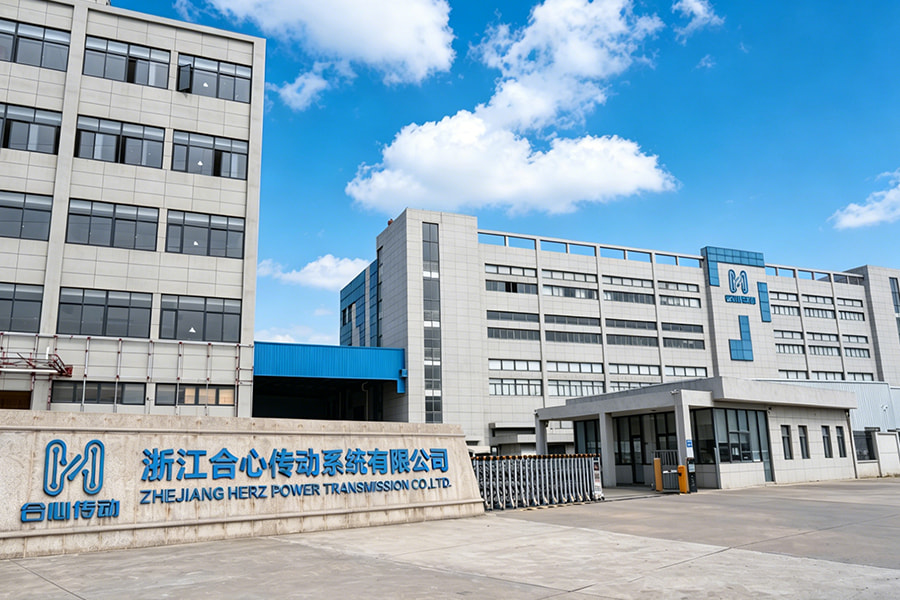
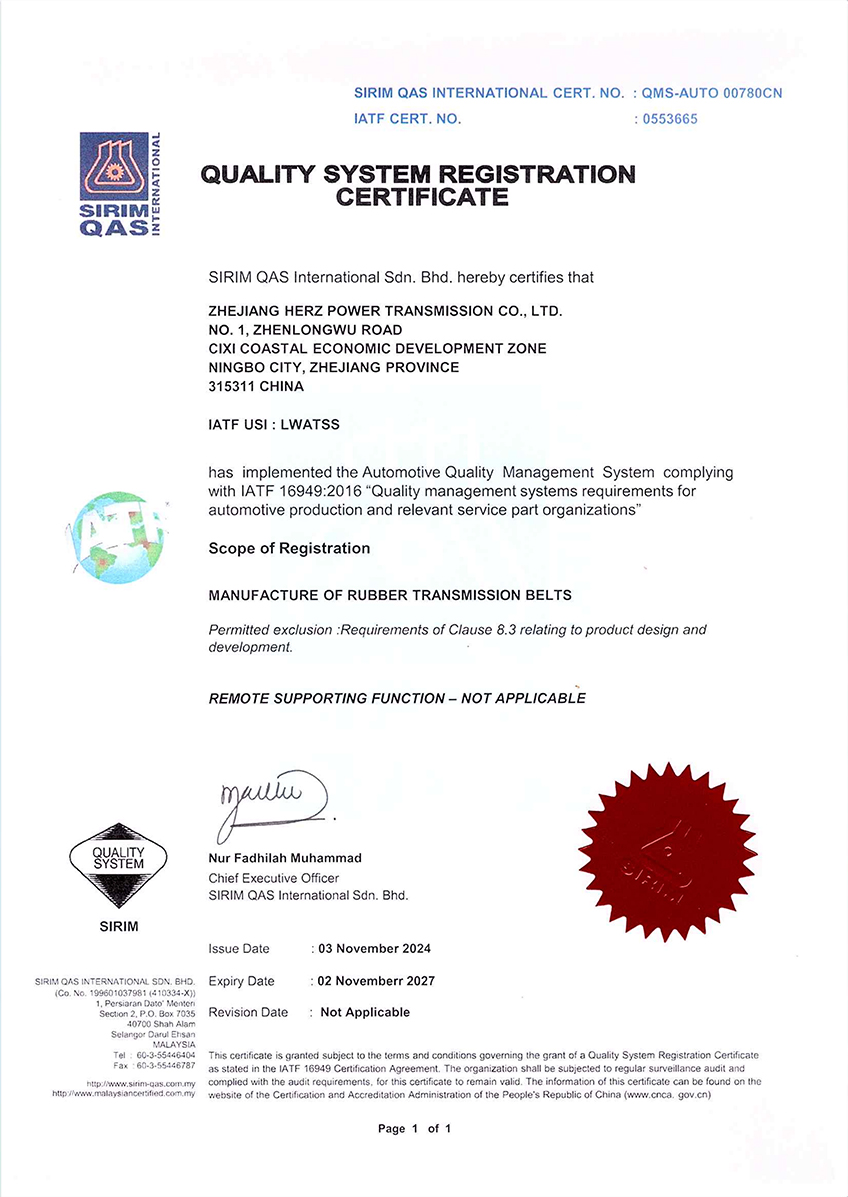
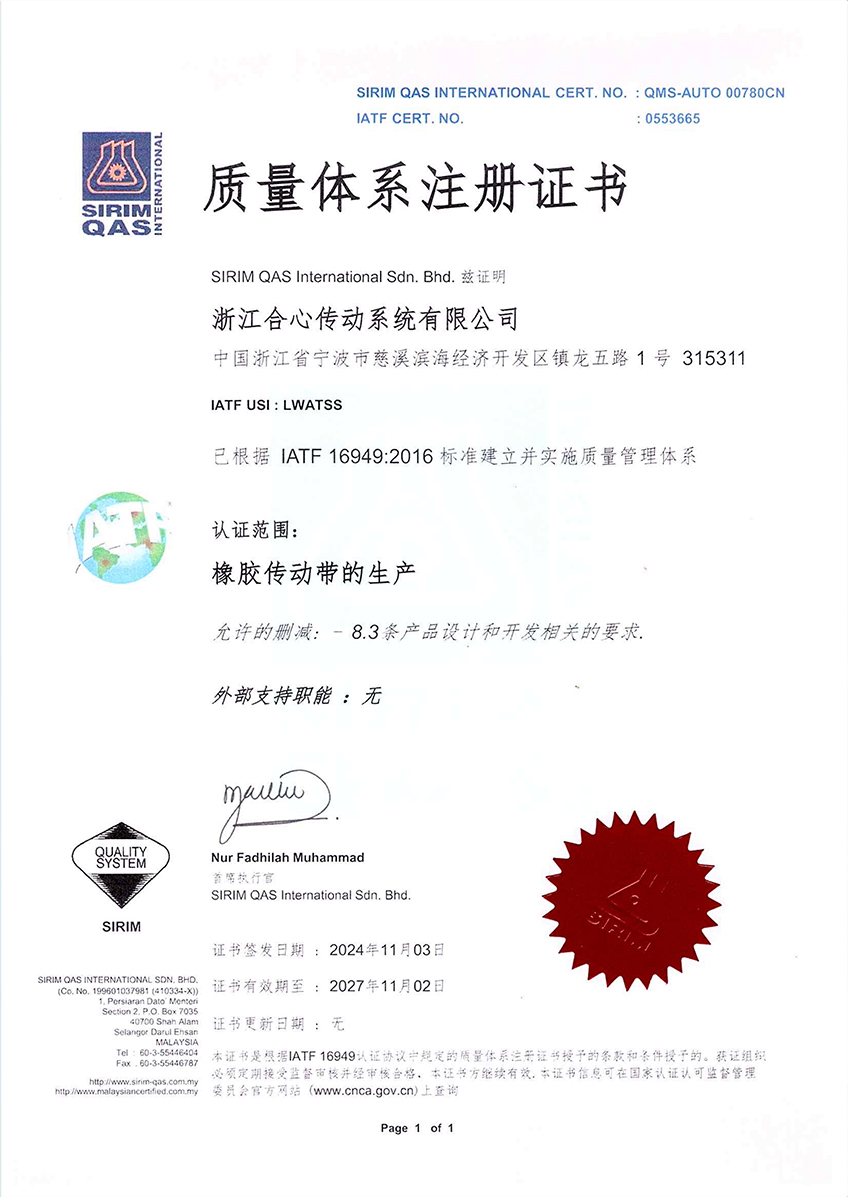
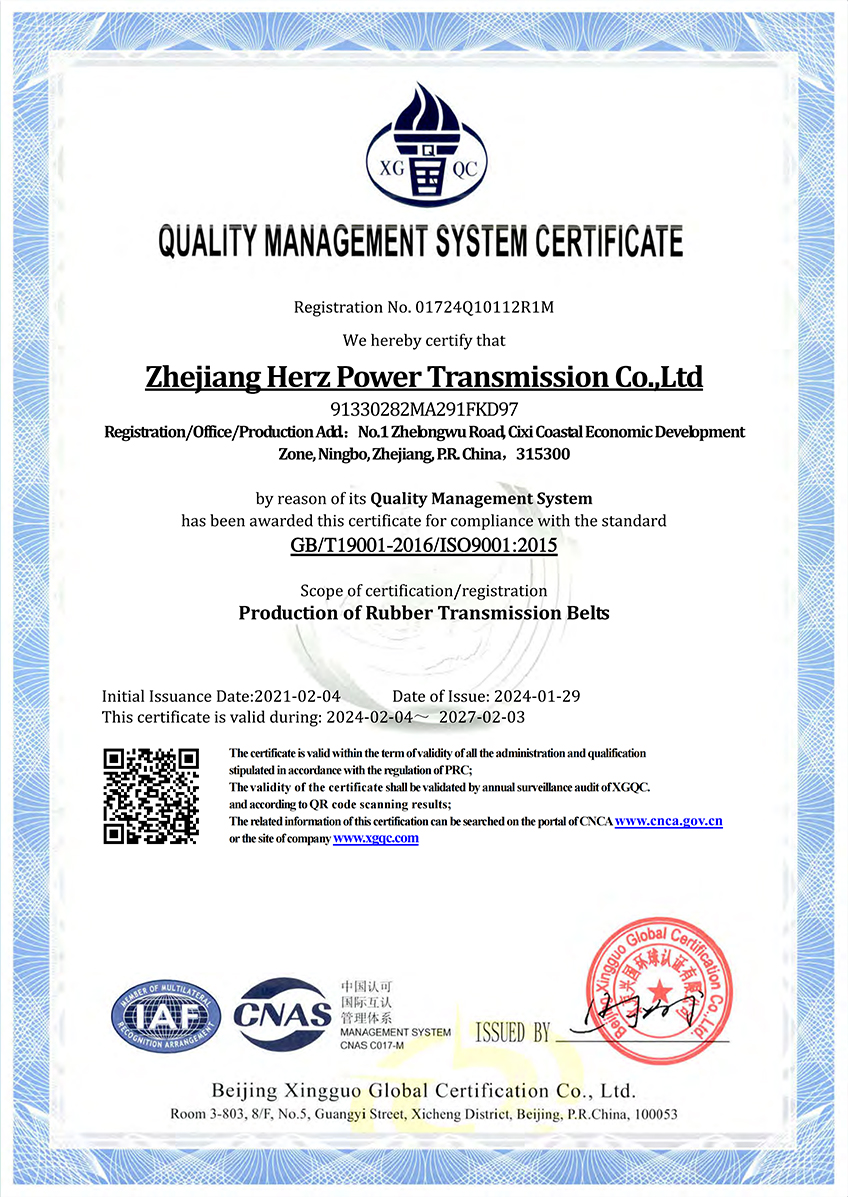
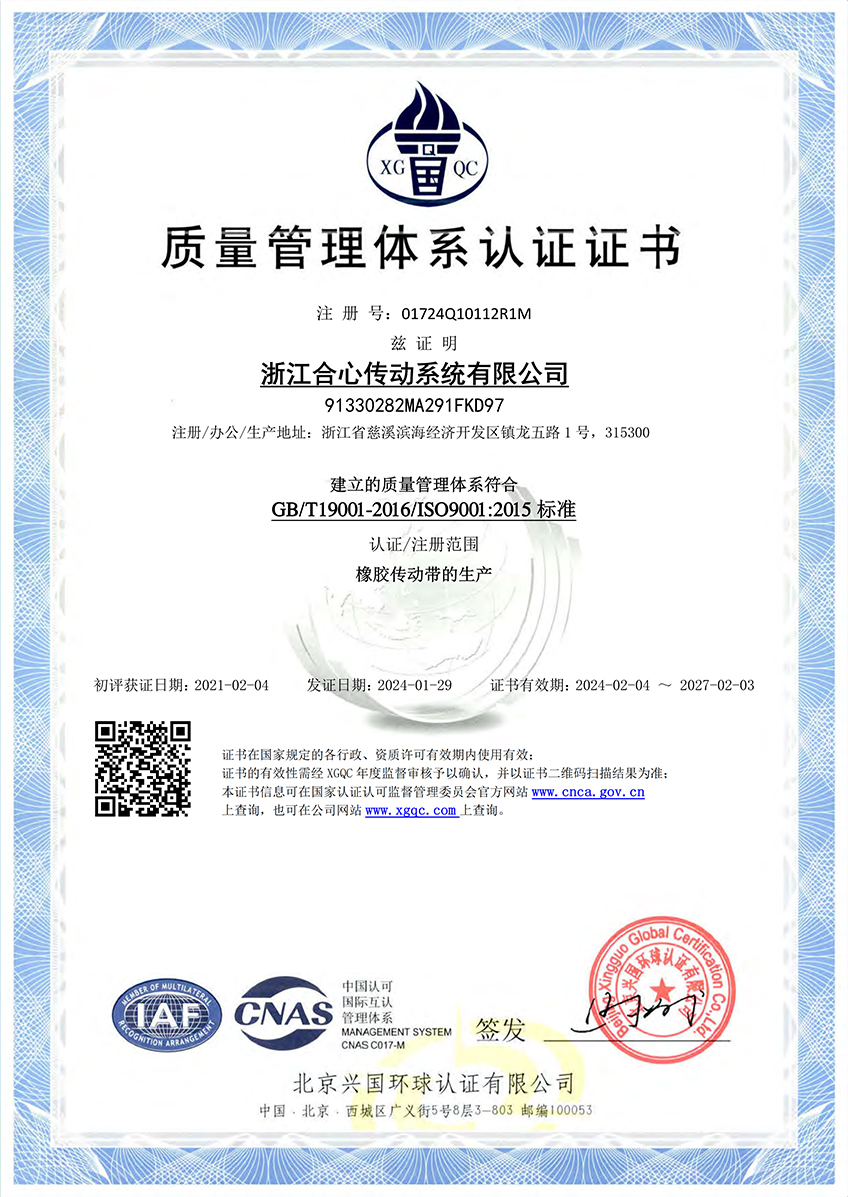
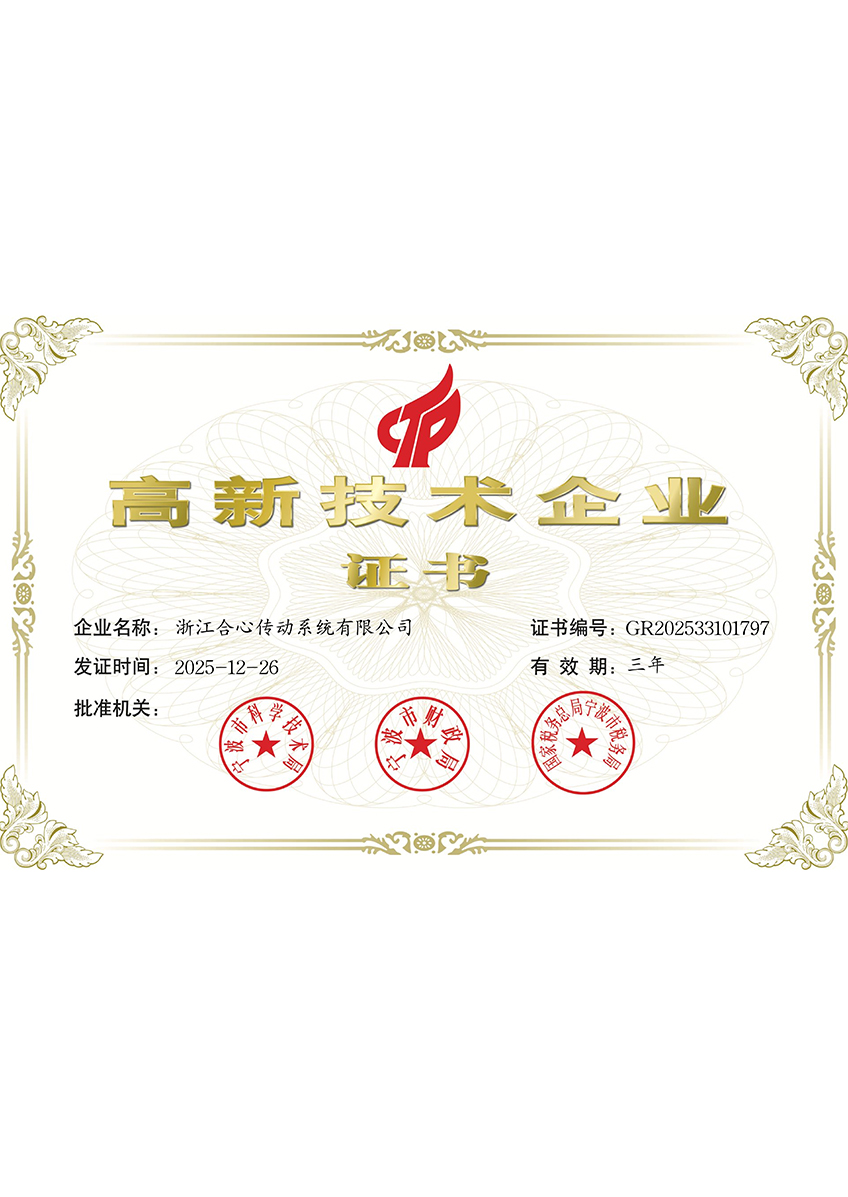
The evolution of these systems has transitioned from early, simple configurations to highly sophisticated, single-belt layouts capable of handling high loads efficiently. At Ningbo Herz Technology Co., Ltd., decades of manufacturing expertise are dedicated to mastering this evolution. Established in 1995 as part of Zhejiang Hexin Transmission System Co., Ltd. and operating from a 40,000-square-meter production base in Cixi City's Cidong Industrial Development Zone, Ningbo Herz Technology Co., Ltd. utilizes world-class manufacturing and precision testing instruments to produce an annual capacity of 10 million pieces across diverse lines, including agricultural fabric belts, agricultural edge-cut belts, rubber timing belts, poly-V belts, industrial V-belts, automotive timing belts, and PU timing belts.
This deep manufacturing capability underscores the precision required in modern power transmission, where every component must perform with absolute reliability.
The Evolution of Drive Systems: V-Belts vs. Serpentine Belts
To fully grasp the mechanics of modern drive systems, it is essential to trace their historical development. Early mechanical applications relied predominantly on classical V-belts. A traditional V-belt features a trapezoidal cross-section that wedges tightly into matching pulley grooves, utilizing the sides of the belt to create high friction and transmit power. While effective for driving single or dual heavy accessories, classical V-belts required individual adjustments for each component, leading to cluttered engine bays and uneven wear profiles.
The introduction of the multi-ribbed serpentine belt revolutionized the industry. Instead of utilizing multiple belts for separate accessories, a single continuous serpentine belt threads through a complex maze of pulleys, driving the alternator, power steering pump, water pump, and air conditioning compressor simultaneously.
To illustrate the technical differences between these generational designs, consider the following performance and structural parameter comparison:
| Parameter / Feature |
Classical V-Belts |
Modern Serpentine (Poly-V) Belts |
| Cross-Section Profile |
Trapezoidal, deep wedge design |
Flat, wide profile with multiple longitudinal V-ribs |
| Contact Surface Area |
Lower relative contact area per belt; relies heavily on sidewall wedging |
High surface area with multiple ribs maximizing contact across grooved pulleys |
| System Layout |
Multiple individual belts requiring separate adjustments |
Single-belt layout routed through a centralized automatic tensioner |
| Flexibility & Heat Dissipation |
Stiffer structure; traps heat more readily in multi-belt setups |
High flexibility allowing smaller pulley diameters and superior heat dissipation |
| Primary Applications |
Heavy-duty industrial drives, older automotive auxiliary systems, agricultural machinery |
Modern automotive accessory drive systems, high-rpm auxiliary setups |
Driven by a corporate vision to become a leading manufacturer of transmission components in the industry and a world-class brand of transmission systems, Ningbo Herz Technology Co., Ltd. continually refines these profiles. Through advanced material science and strict quality control, the company fulfills its mission to continuously provide customers with competitive transmission system products and services, ensuring that both classical and modern belt configurations meet the rigorous demands of global industrial and agricultural markets.
Core Anatomy: Breaking Down Drive Belt Components
A high-performance power transmission network is only as reliable as its individual building blocks. The entire assembly relies on a synchronized interplay of specialized mechanical elements designed to handle high tension, continuous friction, and extreme thermal fluctuations. Understanding the specific physical traits of each element is essential for preventing premature wear and optimizing system efficiency.
The Belt Itself (V-Belts vs. Serpentine Belts)
At the core of the system sits the transmission belt itself, engineered from advanced composite materials designed to withstand immense tensile stress. Modern belts typically incorporate high-strength tensile cords (made from polyester, aramid, or fiberglass) embedded in an underlying rubber matrix, all protected by a durable, abrasion-resistant fabric or rubber backing.
V-Belts: Built for rugged, high-torque environments, classical and notched V-belts utilize a deep wedge profile that grips pulley walls tightly. They are exceptionally well-suited for heavy-duty industrial machinery and agricultural equipment.
Serpentine (Poly-V) Belts: Designed with multiple longitudinal ribs, these flat, wide belts distribute friction evenly across matching grooved pulleys, allowing a single belt to drive multiple high-demand accessories efficiently.
To meet the diverse demands of global markets, Ningbo Herz Technology Co., Ltd. leverages state-of-the-art facilities in its 40,000-square-meter production base to manufacture an extensive range of products, including industrial V-belts, agricultural fabric belts, agricultural edge-cut belts, rubber timing belts, poly-V belts, automotive timing belts, and PU timing belts. Each belt type is engineered to meet precise dimensional tolerances and load capacities.
Pulleys and Sheaves
Pulleys and sheaves serve as the tracks and power-delivery points for the belt. The interaction between the belt's profile and the pulley's surface determines how efficiently energy is transferred.
Grooved Pulleys: Utilized primarily with serpentine and V-belts, these pulleys feature precision-machined channels that match the belt ribs or wedge angles, maximizing traction and preventing slip.
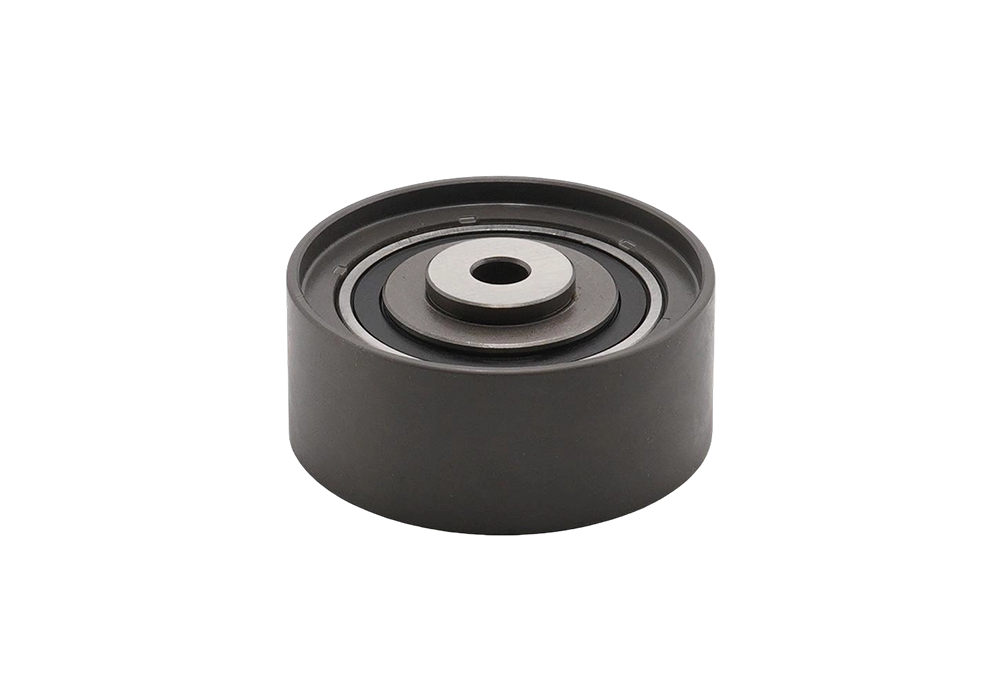
Smooth Idler Pulleys: Typically contacting the back (flat side) of a serpentine belt, these pulleys alter the routing path to clear engine blocks or structural components without imparting reverse-bend stress.
Manufacturing these components requires strict adherence to metallurgical and machining standards to prevent premature groove wear, surface pitting, or excessive belt friction.
Tensioners and Idlers
Maintaining optimal tension across changing thermal conditions is the job of tensioning and guiding hardware. Without these components, belts would stretch under heat or slip under heavy accessory loads.
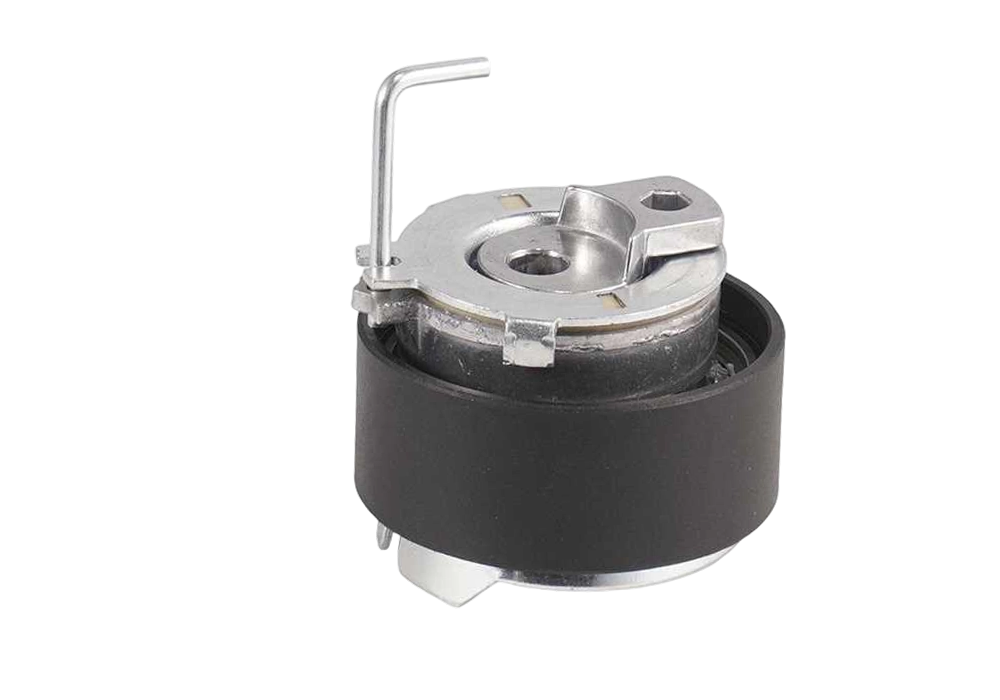
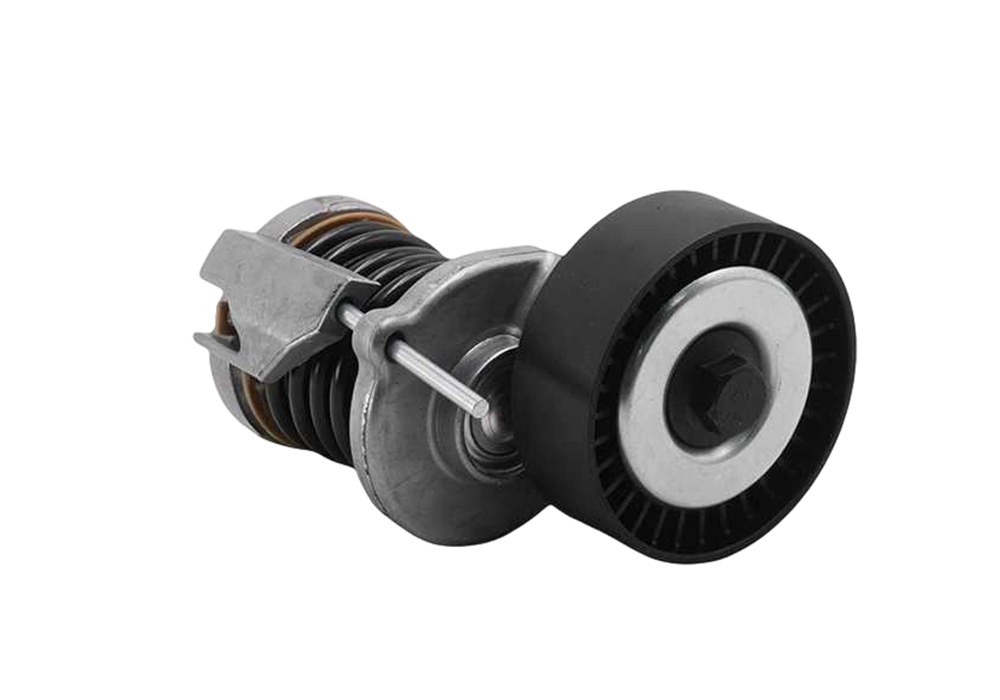
Automatic Spring-Loaded Tensioners: Modern systems rely on mechanical or hydraulic tensioners that dynamically adjust to belt stretch and thermal expansion, ensuring constant, correct pressure throughout the belt's lifecycle.
Fixed Idler Pulleys: These act as stabilizers and guides, routing the belt around tight corners and ensuring maximum wrap angle (contact surface) on critical accessory pulleys like the alternator or water pump.
Technical Parameter & Component Profile Comparison
To differentiate the operational roles and structural parameters of these core elements, review the comparative breakdown below:
| Component Type |
Primary Material Construction |
Core Functional Role |
Key Maintenance / Failure Indicator |
| V-Belts & Poly-V Belts |
EPDM/Neoprene rubber, polyester/aramid tensile cords |
Transfers rotational power from the crankshaft to auxiliary units |
Surface cracking, rib chunking, side-edge wear, squealing |
| Pulleys & Sheaves |
Cast iron, forged steel, or reinforced thermoplastic |
Directs belt path and provides friction contact surface |
Groove wear, bearing noise, surface scoring, misalignment |
| Tensioner Assemblies |
Steel arm, precision spring/hydraulic dampener, pulley wheel |
Maintains constant, self-adjusting mechanical tension on the belt |
Loss of spring tension, binding pivot arm, seized internal bearing |
| Idler Pulleys |
Steel or high-strength polymer with sealed ball bearings |
Guides routing path and increases belt wrap angle on driven accessories |
High-pitched grinding or roaring noise, bearing play/wobble |
By focusing on precision testing instruments and rigorous production standards, Ningbo Herz Technology Co., Ltd. ensures that every transmission element—from high-capacity industrial belts to matching system hardware—delivers seamless operational stability. Upholding its mission to continuously provide customers with competitive transmission system products and services, the company remains dedicated to driving progress and development across the global transmission industry.
How the System Operates: Power Transmission in Action
The seamless operation of a modern vehicle or industrial machine depends entirely on how efficiently rotational energy is captured, converted, and distributed. Once the engine's crankshaft begins to spin, it acts as the primary power source for the entire auxiliary network. Transforming this raw rotational force into usable mechanical power requires a precise orchestration of friction, tension, and alignment across every integrated element of the system.
The Mechanics of Power Transfer
Power transmission is a continuous, high-speed kinetic process. As the crankshaft pulley rotates, it grips the transmission belt, pulling it through a carefully mapped circuit at speeds that can easily exceed thousands of revolutions per minute. This movement instantly drives critical auxiliary units:
The Alternator: Converts mechanical rotation into electrical energy to power the vehicle's electrical systems and recharge the battery.
The Water Pump: Circulates coolant through the engine block and radiator to regulate operating temperatures and prevent catastrophic overheating.
The Power Steering Pump: Pressurizes hydraulic fluid to make steering effortless for the operator.
The A/C Compressor: Engages a clutch mechanism to pump refrigerant, regulating cabin climate.
To ensure this power transfer remains uninterrupted under heavy loads, high-performance belts must maintain an optimal balance of flexibility and tensile strength. At Ningbo Herz Technology Co., Ltd., advanced manufacturing processes ensure that products like industrial V-belts, poly-V belts, and rubber timing belts deliver exceptional grip and minimal elongation under maximum load. Operating from a 40,000-square-meter production base in Cixi City's Cidong Industrial Development Zone, Ningbo Herz Technology Co., Ltd. applies rigorous quality control to guarantee that every component transfers energy with maximum efficiency and minimal mechanical loss.
Friction, Alignment, and Tension
The physics governing belt drive efficiency rely heavily on three critical factors: friction coefficient, pulley alignment, and dynamic tension. If any of these variables fall out of specification, energy transfer drops drastically, leading to slippage, heat buildup, and accelerated component wear.
Friction and Grip: Power transmission depends on the friction generated between the belt's contact surface and the pulley walls. Modern EPDM and rubber compounds are specifically engineered to maximize this grip, even in wet or dusty environments.
Pulley Alignment: Perfect coplanarity among all pulleys is mandatory. Even a fraction of a degree of angular misalignment forces the belt to scrub sideways across the pulley grooves, creating localized friction, excessive heat, and premature edge fraying.
Dynamic Tension Control: Correct tension ensures that the belt does not slip when heavy accessories (like the A/C compressor) suddenly engage, while also preventing excessive radial loads that can destroy accessory shaft bearings.
Operational Parameters and System Dynamics
To better understand how mechanical forces interact within a running drive system, review the following parameter comparison of operational states:
| Operational Parameter |
Optimal Condition State |
Consequence of Deviation (Under-Performance) |
| System Tension |
Maintained within strict manufacturer-specified tension ranges |
Too Low: Belt slip, squealing noise, accessory under-drive, heat generation.
Too High: Bearing failure in water pumps/alternators, snapped tensile cords. |
| Pulley Alignment |
100% parallel alignment across all accessory and crankshaft sheaves |
Misalignment: Severe edge wear, rib separation, continuous chirping noise, throwing belts. |
| Operating Temperature |
Controlled thermal equilibrium (typically under designated rubber compound limits) |
Excessive Heat: Glazing of belt surface, premature hardening, loss of elasticity, cracking. |
| Load Distribution |
Balanced torque split across all driven auxiliary components |
Overload / Binding: Seized accessory shaft causing immediate friction burn and catastrophic belt snap. |
Fulfilling its corporate mission to commit to contributing to the progress and development of the transmission industry, Ningbo Herz Technology Co., Ltd. designs its comprehensive product portfolio—ranging from agricultural fabric belts and edge-cut belts to high-precision automotive timing belts—to withstand these rigorous operational stresses. By combining world-class manufacturing equipment with precision testing instruments, the company ensures superior durability and power transfer efficiency across all applications.
Identifying Wear and Common Failure Points
Despite being engineered to withstand millions of revolutions under harsh thermal and mechanical conditions, transmission belts and their supporting hardware eventually experience wear. Recognizing the early warning signs of component degradation is essential for preventing unexpected breakdowns, costly engine damage, or industrial downtime. Failures rarely happen overnight; they typically broadcast their progression through distinct visual, auditory, and operational symptoms.
Visual and Auditory Inspection Signs
A routine physical inspection of the drive system often reveals specific indicators that a belt or its associated hardware requires immediate attention:
Auditory Cues (Squealing and Chirping): A sharp squeal upon engine startup or acceleration usually indicates belt slip caused by insufficient tension or a hardened, glazed contact surface. A rhythmic chirping noise, on the other hand, frequently points to minor pulley misalignment or a dry, failing idler bearing.
Surface Cracking and Frazzling: Transverse cracking across the rubber ribs indicates thermal fatigue and aging. Frayed edges or missing chunks of rubber (chunking) signal severe misalignment, worn pulley grooves, or physical interference from foreign debris.
Glazing: A shiny, polished appearance on the inner ribs of the belt means it has lost its frictional grip due to excessive slippage and heat, drastically reducing its power-transfer capability.
To minimize these failure risks, utilizing high-grade replacement parts engineered to strict dimensional tolerances is critical. Ningbo Herz Technology Co., Ltd. applies decades of manufacturing expertise—dating back to the parent company's establishment in 1995—to ensure every rubber timing belt, poly-V belt, and industrial V-belt exhibits exceptional resistance to thermal degradation and surface wear.
Component Failure Beyond the Belt
While the belt is often the first element to show visible damage, failure frequently originates from supporting hardware within the system. Ignoring accessory and tensioner wear can lead to repeated belt replacements that fail to solve the underlying problem.
Worn Tensioner Bearings and Springs: Over time, the internal spring of an automatic tensioner loses its tensioning force, and its pivot bushing binds. This causes belt flutter, slip, and accelerated wear. Additionally, a failing tensioner pulley bearing will often produce a deep, grinding or roaring noise.
Seized Accessory Pulleys: If the internal bearing of an alternator, water pump, or A/C compressor seizes completely, the spinning belt will forcefully grind against the locked pulley. This creates instant friction burns, smoke, and a snapped belt within seconds.
Failure Mode and Symptom Diagnostic Guide
To quickly identify potential issues within a drive system, refer to the diagnostic parameter comparison below:
| Symptom / Observable Sign |
Primary Root Cause |
Affected Component |
Corrective Action |
| High-pitched squeal on startup |
Loss of tension or belt surface glazing |
Serpentine / V-Belt, Tensioner |
Check tensioner spring force; inspect belt for glazing; replace if worn. |
| Rhythmic chirping noise |
Pulley angular misalignment or dry bearing |
Idler Pulley, Accessory Sheave |
Use a laser alignment tool to check alignment; spin pulleys by hand to check for bearing roughness. |
| Deep transverse cracking |
Thermal aging, excessive mileage, high heat |
Poly-V / Rubber Timing Belt |
Replace the belt immediately; verify that operating temperatures are within normal limits. |
| Edge fraying / cord exposure |
Pulley misalignment or bent mounting bracket |
Pulleys, System Brackets |
Inspect bracket rigidity and pulley alignment; replace damaged belt and realign system. |
| Grinding or roaring sound |
Internal bearing failure under load |
Alternator, Water Pump, Idler, or Tensioner |
Isolate the noise using a mechanic's stethoscope; replace the specific failed accessory or pulley. |
Dedicated to its mission to continuously provide customers with competitive transmission system products and services, Ningbo Herz Technology Co., Ltd. utilizes precision testing instruments within its 40,000-square-meter production base to guarantee structural integrity across its entire catalog—including agricultural fabric belts, agricultural edge-cut belts, rubber timing belts, poly-V belts, industrial V-belts, automotive timing belts, and PU timing belts. By ensuring that both belts and structural components meet world-class manufacturing benchmarks, the company helps operators avoid premature system failures and maintain seamless power transmission performance.
Maintenance and Replacement Best Practices
Ensuring the longevity and peak operational efficiency of a power transmission system requires proactive maintenance rather than reactive repairs. Because drive systems operate under continuous mechanical stress and high thermal loads, establishing a disciplined inspection and replacement protocol is essential for preventing unexpected downtime in industrial settings or roadside failures in automotive applications.
Routine Inspection Intervals
Proactive maintenance begins with regular visual and tactile checks of the entire drive network. As a general industry standard, drive systems should be inspected at every routine service interval—typically every 15,000 to 30,000 miles for vehicles, or every 500 to 1,000 operating hours for heavy industrial and agricultural machinery.
During these routine checks, technicians should look for early warning signs such as minor micro-cracking, oil contamination, or unusual bearing noises. Operating from its state-of-the-art 40,000-square-meter production base in Cixi City's Cidong Industrial Development Zone, Ningbo Herz Technology Co., Ltd. emphasizes that using high-durability replacement parts significantly extends these maintenance intervals. With an annual production capacity of 10 million pieces, Ningbo Herz Technology Co., Ltd. supplies premium industrial V-belts, poly-V belts, rubber timing belts, and agricultural belts designed to resist premature environmental aging and wear.
Step-by-Step Replacement Guidance
When an inspection reveals excessive wear, replacing the components correctly is vital to ensure long-term system reliability. Following a structured procedure minimizes installation errors and prevents immediate re-failure:
System De-energization and Safety: Disconnect the power source or vehicle battery to prevent accidental engine cranking or mechanical movement during service.
Document Routing Configuration: Sketch the belt routing diagram or take a clear photograph before removal. Incorrect re-threading can reverse accessory rotation directions or cause severe alignment friction.
Release Tension: Use the appropriate wrench or socket on the automatic tensioner bolt to rotate the pivot arm, locking it in the relieved position with a pin if necessary, then slide the old belt off.
Inspect Supporting Hardware: Spin every idler pulley, check the tensioner arm pivot for binding, and test accessory shafts (alternator, water pump, power steering) for axial play or rough bearing rotation.
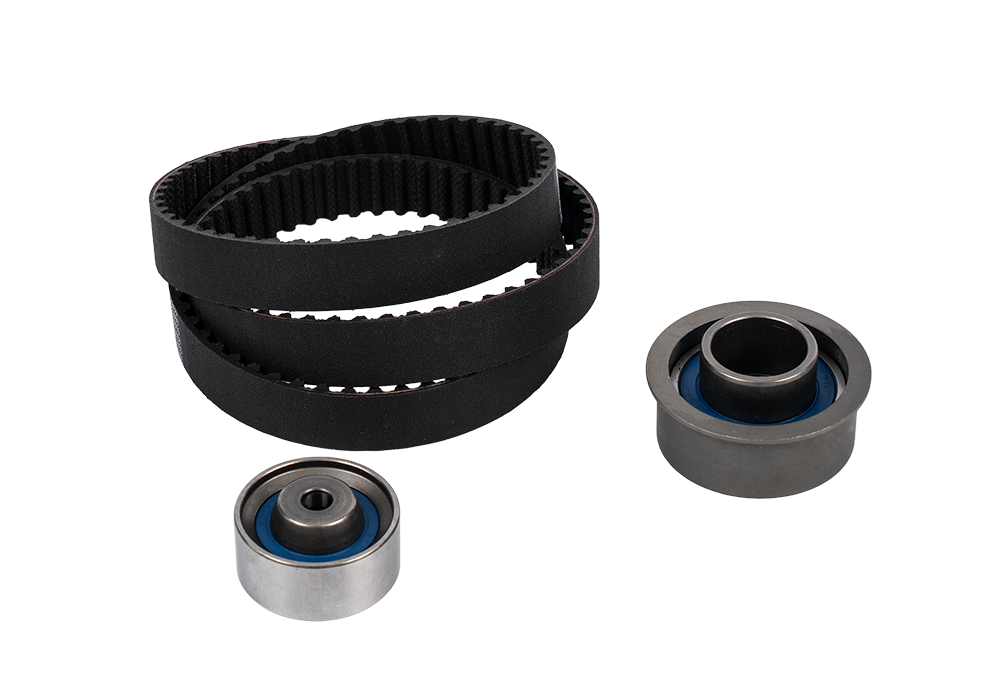
Complete Kit Replacement: Install the new belt, ensuring all ribs align perfectly within the pulley grooves. It is a best practice to replace the belt, tensioner, and idlers simultaneously as a complete kit to prevent a new belt from riding on worn, failing hardware.
Maintenance and Replacement Parameter Reference
To guide maintenance schedules and replacement decisions effectively, review the following parameter benchmark table:
| Maintenance Action / Check |
Recommended Interval |
Key Inspection Focus / Action |
Risk of Neglect |
| Routine Visual & Auditory Check |
Every 6 months / 15,000 miles (Industrial: 500 hours) |
Look for cracks, glazing, rib chunking; listen for squeals or bearing growls. |
Unnoticed micro-wear escalating into sudden catastrophic belt snap. |
| Complete Belt Replacement |
Every 60,000 to 100,000 miles (Varies by compound) |
Swap old belt for a high-strength EPDM or specialty rubber replacement. |
Loss of tensile strength, severe slippage, complete accessory failure. |
| Tensioner & Idler Hardware Swap |
Every second belt change (or concurrent with belt failure) |
Check spring tension, pivot bushing wear, and sealed bearing smoothness. |
Belt flutter, misalignment wear, seized bearing causing instant belt destruction. |
| Pulley Alignment Verification |
During any belt or accessory replacement |
Use a laser alignment tool or straight-edge to verify coplanarity. |
Rapid edge fraying, continuous chirping, and thrown belts. |
Fulfilling its corporate vision to become a leading manufacturer of transmission components in the industry and a world-class brand of transmission systems, Ningbo Herz Technology Co., Ltd. utilizes precision testing instruments to ensure every product meets stringent performance thresholds. Through continuous dedication to quality, Ningbo Herz Technology Co., Ltd. supports technicians and operators worldwide with dependable, high-performance transmission solutions.
Frequently Asked Questions & Practical Knowledge
Navigating the complexities of power transmission systems often brings up technical questions regarding maintenance, hardware selection, and material science. To help operators, technicians, and engineers optimize their drive setups, the following frequently asked questions address common concerns, alongside essential pop-science insights into modern belt manufacturing.
Frequently Asked Questions
FAQ 1: How often should I replace my serpentine belt and related hardware?
Answer: In standard automotive applications, modern serpentine belts typically last between 60,000 to 100,000 miles, while heavy-duty industrial and agricultural drives should be evaluated based on operating hours (typically every 2,000 to 3,000 hours). However, because tensioner springs and idler bearings degrade at similar rates, it is strongly recommended to replace the tensioner and idlers alongside the belt during every second belt change or whenever hardware noise is detected.
FAQ 2: What causes a drive belt to make a squealing noise on startup?
Answer: A high-pitched squeal is almost always caused by belt slippage. This happens when the belt loses its frictional grip due to a weakened automatic tensioner spring, belt stretching, or surface glazing caused by excessive heat. If the tensioner fails to maintain constant pressure, the belt slips across the accessory pulleys under high initial loads.
FAQ 3: Can I drive with a snapped accessory belt, and what are the immediate risks?
Answer: Continuing to operate a vehicle or machine after an accessory belt snaps is extremely dangerous and should be avoided. The immediate risks include catastrophic engine overheating (because the water pump stops circulating coolant), sudden loss of power steering making the vehicle difficult to control, and immediate electrical discharge as the alternator stops charging the battery.
FAQ 4: What is the difference between a stretch-fit belt and a standard tensioner-controlled belt?
Answer: A standard system utilizes a spring-loaded or manual tensioner to maintain constant pressure on a flexible loop. In contrast, stretch-fit belts are engineered with specialized high-modulus aramid or polyamide tensile cords that allow the belt to stretch slightly during installation over fixed-center pulleys, eliminating the need for an external mechanical tensioner.
Pop-Science: How Advanced Compounds Extend Belt Lifespan
The durability of modern power transmission products relies heavily on chemical engineering and material science advancements. Historically, drive belts were manufactured primarily from neoprene (chloroprene rubber), which performed adequately under moderate conditions but tended to harden, crack, and lose flexibility when exposed to sustained high under-hood or industrial operating temperatures.
Modern high-performance belts utilize EPDM (Ethylene Propylene Diene Monomer) rubber, a synthetic elastomer that has fundamentally transformed the industry. EPDM offers superior resistance to heat, ozone, environmental weathering, and abrasion.
To understand the material advantages that drive modern manufacturing, review the technical parameter comparison between legacy and modern rubber compounds below:
| Material Property / Characteristic |
Legacy Neoprene Rubber |
Modern EPDM Rubber Compound |
| Thermal Resistance Limit |
Moderate (typically degrades past 85 degrees C to 100 degrees C) |
High (withstands continuous operating temperatures up to 125 degrees C or higher) |
| Ozone & Weather Aging Resistance |
Prone to surface checking and ozone cracking over time |
Exceptional resistance to ozone, UV exposure, and environmental hardening |
| Flex Fatigue Life |
Shorter lifespan under high-frequency pulley bending |
Extended flexibility and crack resistance over millions of flex cycles |
| Coefficient of Friction Stability |
Gradual loss of grip as the surface hardens and glazes |
Maintains consistent friction and rib profile flexibility throughout its lifecycle |
Dedicated to advancing power transmission technology, Ningbo Herz Technology Co., Ltd. incorporates cutting-edge material formulations and precision manufacturing standards across its entire production lineup. Operating from a 40,000-square-meter facility in Cixi City's Cidong Industrial Development Zone, Ningbo Herz Technology Co., Ltd. produces an annual capacity of 10 million pieces—ranging from agricultural fabric belts and edge-cut belts to industrial V-belts, poly-V belts, and automotive timing belts. Fulfilling its corporate vision to become a leading manufacturer of transmission components in the industry and a world-class brand of transmission systems, the company continues to provide competitive, high-durability transmission solutions that meet the rigorous demands of global markets.


 English
 Español
 Português
 عربى
عربى