1. Introduction: The Unsung Hero Under the Hood
Modern internal combustion engines are masterpieces of synchronized engineering, operating through thousands of precisely timed explosions every minute. At the absolute core of this mechanical symphony lies the timing system, responsible for coordinating the opening and closing of engine valves relative to the movement of the pistons. Without precise synchronization, an engine cannot operate efficiently, and catastrophic mechanical contact can occur within milliseconds.
The critical role of timing components cannot be overstated. As the heart of the engine beats, the crankshaft converts linear piston motion into rotational power, while the camshaft controls the precise intake of air-fuel mixtures and expulsion of exhaust gases. The link connecting these two vital shafts must maintain absolute precision under extreme thermal and mechanical stress. Over decades of automotive evolution, various systems have been utilized, but rubber-based timing drive systems remain an industry standard due to their quiet operation, light weight, and cost-effectiveness.
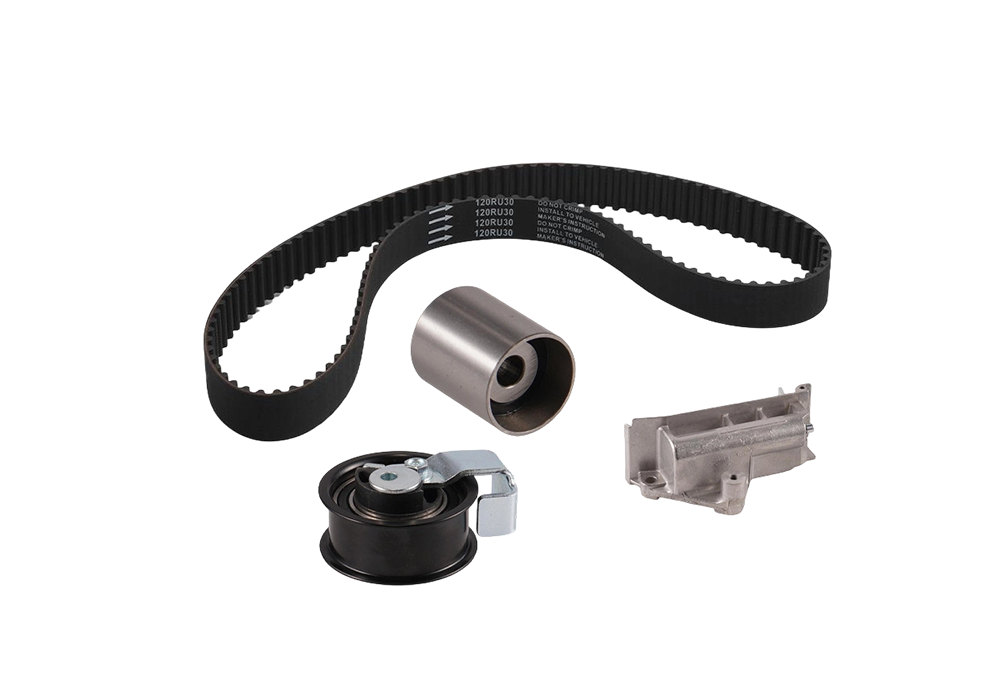
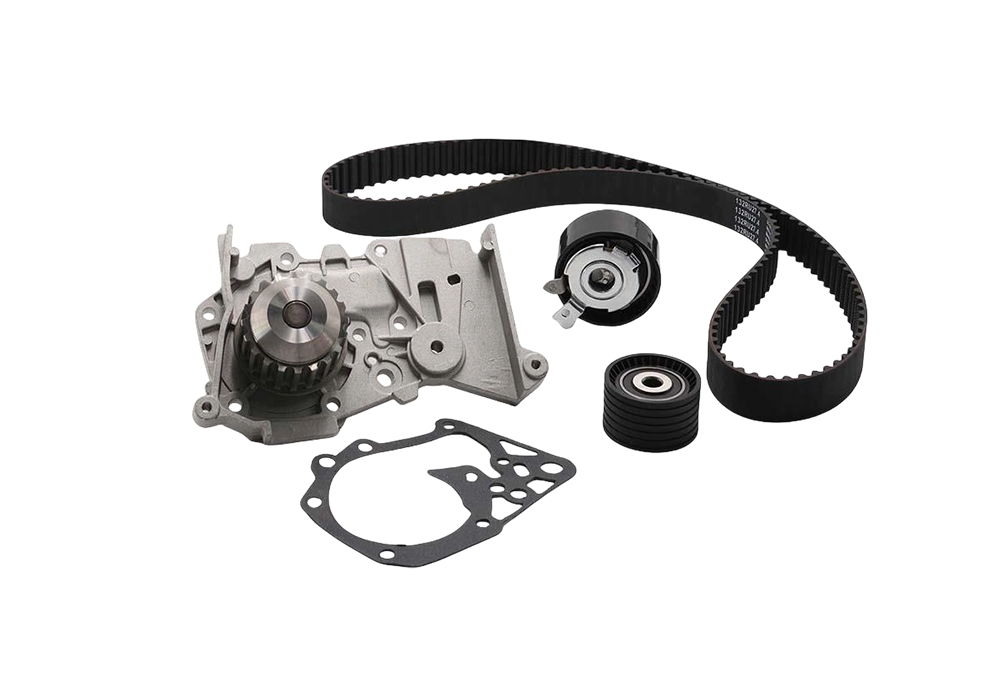
To ensure long-term reliability, modern maintenance philosophy has shifted from replacing single worn parts to adopting comprehensive maintenance packages. Timing Drive Belt Kits represent the complete, all-in-one solution for preventative maintenance. By replacing the belt, tensioners, idlers, and associated hardware simultaneously, vehicle owners and professional technicians eliminate premature failures caused by fatigued mating components.
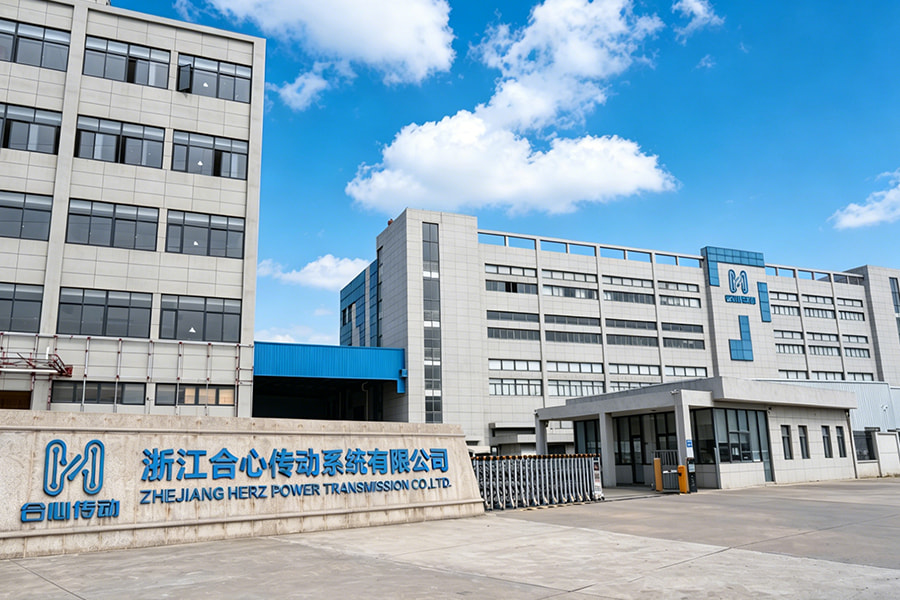
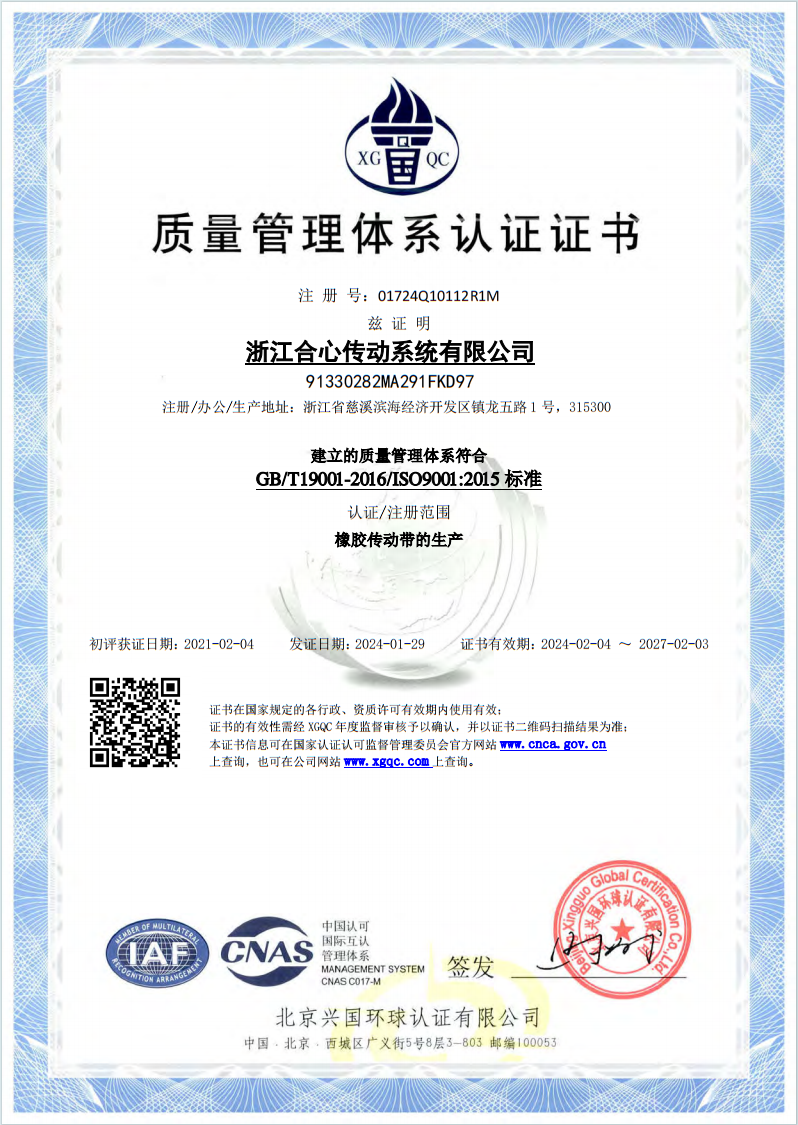
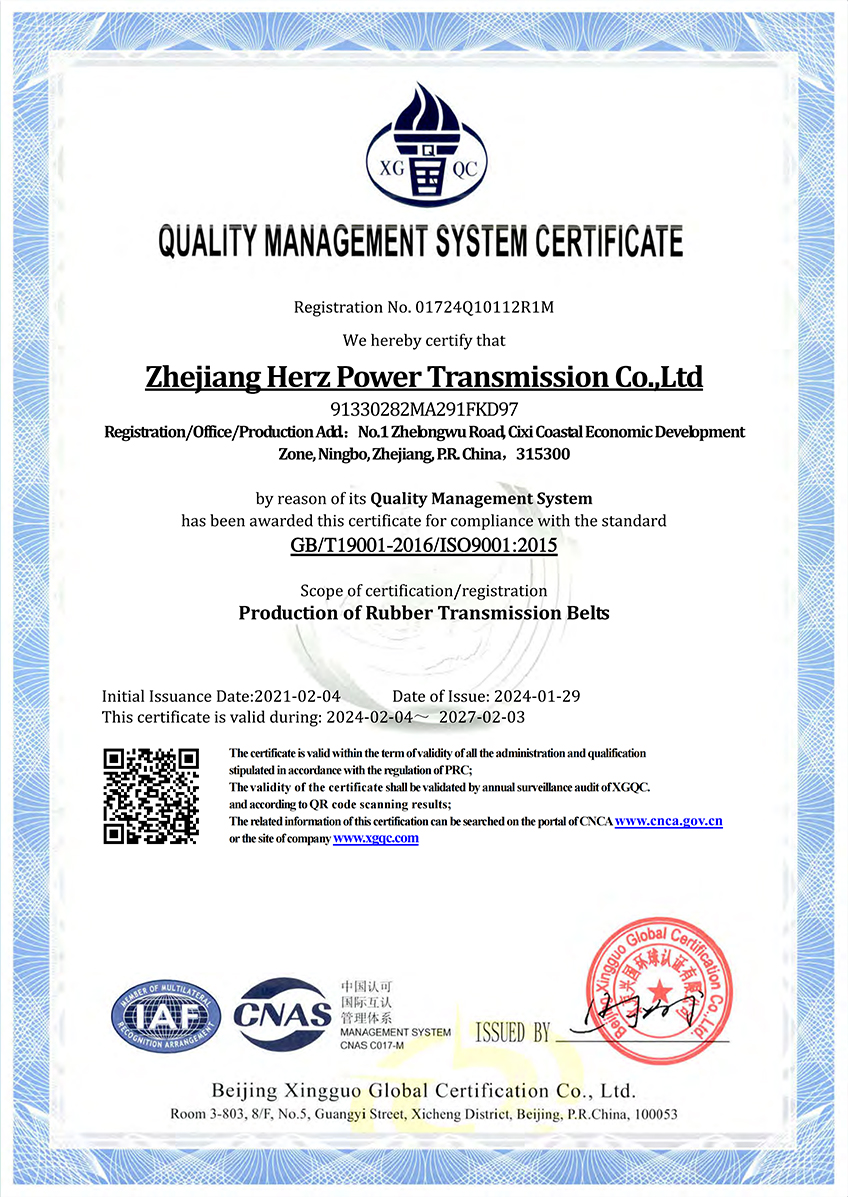
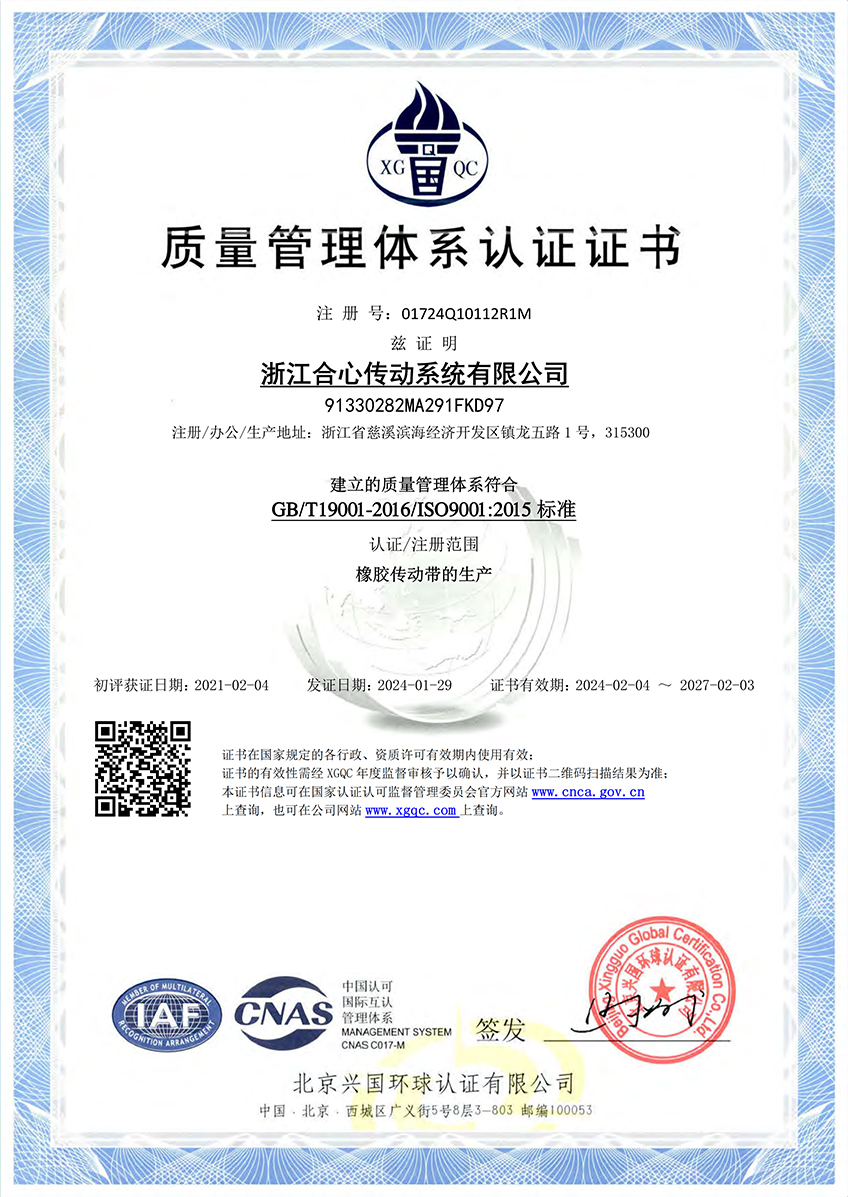
Backed by decades of manufacturing expertise, Ningbo Herz Technology Co., Ltd.—a subsidiary of Zhejiang Hexin Transmission System Co., Ltd., founded in 1995—applies world-class manufacturing standards to produce high-performance rubber timing belts and complete drive kits. Located in Cidong Industrial Development Zone, Cixi City, Zhejiang Province across a 40,000-square-meter facility with an annual capacity of 10 million transmission belts, we combine advanced production techniques and precision testing instruments to deliver exceptional quality to global markets.
2. Anatomy of a Timing Drive Belt Kit: What’s Inside the Box?
A high-grade Timing Drive Belt Kit is not merely a single strap of rubber; it is an integrated engineering system designed where every component works under synchronized tension and friction thresholds. Understanding the function of each item inside the box is essential for proper installation and longevity.
The Timing Belt: The flexible, reinforced toothed belt transmitting power from the crankshaft pulley to the camshaft sprocket. Modern belts utilize high-tensile fiberglass or aramid cords embedded within high-grade HNBR (Hydrogenated Nitrile Butadiene Rubber) to resist heat, oil degradation, and elongation.
Idler Pulleys: Precision-machined bearings that guide and maintain correct tension along the belt's path, preventing vibration and whipping at high engine RPMs.
Tensioners (Mechanical & Hydraulic): Active components that automatically adjust tension to compensate for engine thermal expansion and normal wear over the service life of the belt.
Water Pumps: In many modern engines, the water pump is driven directly by the timing belt. Bundling the water pump into the kit prevents coolant leaks or bearing seizures that could otherwise destroy a brand-new belt.
Gears, Seals, and Hardware: Camshaft and crankshaft oil seals, mounting bolts, and gaskets necessary to prevent oil contamination, which is the primary enemy of rubber timing components.
Technical Parameter Comparison: Standard vs. Premium HNBR Timing Components
| Parameter / Feature |
Standard CR (Chloroprene) Belt |
Premium HNBR Timing Drive Belt Kit |
| Temperature Resistance |
-40 degrees Celsius to +80 degrees Celsius |
-40 degrees Celsius to +150 degrees Celsius (High thermal stability) |
| Oil & Contaminant Resistance |
Moderate (Swells and degrades rapidly) |
Excellent (Resistant to engine oil and coolant) |
| Tensile Cord Material |
Standard Polyester |
High-Strength Aramid / Fiberglass |
| Expected Service Interval |
40,000 - 50,000 Miles |
Up to 100,000+ Miles (Kit replacement) |
3. Why Replace the Entire Kit Instead of Just the Belt?
A common mistake among budget-conscious DIYers or fleet managers is replacing only the timing belt while retaining the original idlers, tensioners, and water pump. This practice introduces severe mechanical risk. Consider the domino effect of component failure: if an aging idler pulley seizes due to bearing dry-out, it instantly generates immense frictional heat and friction, causing a brand-new belt to melt, snap, or jump teeth.
Furthermore, labor cost efficiency heavily favors a complete kit replacement. In most modern engine bays, accessing the timing assembly requires removing motor mounts, accessory belts, harmonic balancers, and protective timing covers. The labor hours required to disassemble the front of the engine often dwarf the cost of the parts themselves. Replacing all wearing components simultaneously ensures that you do not pay for duplicate labor months later when an unreplaced tensioner or water pump fails.
At Ningbo Herz Technology Co., Ltd., our corporate mission focuses on continuously providing customers with competitive transmission system products and services that guarantee safety, reliability, and harmonious wear characteristics across all moving parts.
4. Recognizing the Warning Signs: When Does Your Car Need a New Kit?
Timing components operate in sealed enclosures behind protective covers, making visual inspection difficult during routine maintenance. However, engines provide clear cues when their timing components approach the end of their design life:
Mileage and Age Intervals: Manufacturer recommendations typically dictate replacement between 60,000 and 100,000 miles, or every 5 to 7 years, whichever comes first, regardless of apparent visual condition. Rubber compounds degrade due to oxidation and thermal cycling over time.
Auditory Cues: High-pitched squealing, rhythmic ticking, or whining noises emanating from the front engine cover usually indicate dry, failing pulley bearings or improper belt tension.
Visual Indicators: If inspected during maintenance, signs of edge fraying, cracking at the rubber base of the teeth, missing teeth, or oil contamination on the belt surface demand immediate replacement.
Performance Issues: Engine misfires, rough idling, hesitation during acceleration, or check-engine lights triggered by camshaft/crankshaft correlation codes point to belt stretching or jumping teeth.
5. The High Stakes of Neglect: Interference vs. Non-Interference Engines
The consequence of timing belt failure depends heavily on the internal architecture of the engine block and cylinder head:
Non-Interference Engines: In these legacy designs, the combustion chamber clearance is large enough that even if the valves remain fully open when the piston reaches Top Dead Center, they will not collide. A broken belt leaves the driver stranded, but requires no costly internal engine repairs.
Interference Engines: Modern high-compression, fuel-efficient engines are almost exclusively interference designs. When a timing belt snaps at high RPMs, the camshaft stops spinning while the crankshaft's momentum drives the pistons upward into open valves. The resulting collision bends valves, damages piston crowns, punctures cylinder heads, and can crack the engine block.
The financial comparison starkly favors preventative maintenance: investing in a comprehensive Timing Drive Belt Kit during scheduled service intervals costs a fraction of a complete engine overhaul or replacement.
6. Choosing the Right Timing Drive Belt Kit for Your Vehicle
Selecting the correct replacement components requires careful evaluation of manufacturing standards. Vehicle owners can choose between Original Equipment Manufacturer kits and high-tier aftermarket alternatives engineered to meet or exceed original specifications. Quality kits feature precision-ground teeth, corrosion-resistant pulley coatings, and high-load bearings designed for extreme durability.
When sourcing components, always verify exact part numbers matching your vehicle's specific make, model year, engine displacement, and engine code. Ningbo Herz Technology Co., Ltd. applies world-class manufacturing equipment and precision testing instruments across our 40,000-square-meter production base to ensure every automotive timing belt and drive kit meets stringent global quality parameters.
7. Step-by-Step Overview: What to Expect During Installation
Installing a Timing Drive Belt Kit is a meticulous mechanical procedure requiring specialized locking tools, torque wrenches, and technical precision:
Preparation: Disconnect the vehicle battery, drain the engine coolant if the water pump is integrated into the timing loop, and remove accessory drive belts and harmonic balancers.
Accessing and Alignment: Remove the upper and lower timing covers. Rotate the crankshaft manually to align factory timing marks at Top Dead Center for both camshafts and crankshaft.
Teardown and Cleaning: Lock the flywheels and camshafts with locking tools, remove old tensioners, pulleys, belt, and water pump. Thoroughly clean all mounting surfaces to ensure proper gasket sealing and bearing seating.
Installation: Install the new water pump, idler pulleys, and mechanical or hydraulic tensioners. Carefully route the new timing belt counter-clockwise starting from the crankshaft, ensuring zero slack on the tension side.
Tensioning and Verification: Set the correct mechanical preload tension on the tensioner pulley. Remove locking pins, rotate the engine manually through two full crankshaft revolutions, and re-verify that Top Dead Center alignment marks line up perfectly.
Reassembly: Reinstall timing covers, harmonic balancers, accessory belts, and refill fresh coolant before testing engine performance.
8. Frequently Asked Questions (FAQ) and Engine Maintenance Insights
Can I replace just the timing belt and keep my old water pump?
It is strongly discouraged. The water pump shares the same rotational load and belt tension. If an old water pump bearing fails shortly after a belt-only replacement, the entire teardown must be repeated, or worse, a seized pump will destroy the new belt.
How long does a professional timing belt kit replacement typically take?
Depending on the vehicle's engine layout, such as transverse front-wheel drive versus longitudinal rear-wheel drive, a professional technician typically requires between 3 to 6 hours of labor.
What causes a timing belt to wear out prematurely?
The leading causes of premature failure include engine oil leaks from camshaft or crankshaft seals degrading the rubber, coolant contamination from a failing water pump, over-tensioning during installation, or extreme thermal exposure.
Is it possible to install a timing drive belt kit as a DIY project for a beginner?
Because timing belt replacement requires precise alignment of engine timing marks, failure to align them correctly can result in immediate engine damage upon startup. It is generally recommended for intermediate to advanced DIY mechanics with proper service manuals and specialized locking tools.
9. Material Science & Manufacturing Excellence in Timing Systems
The operational reliability of a modern internal combustion engine depends heavily on the chemical composition and structural integrity of its transmission components. At Ningbo Herz Technology Co., Ltd., continuous research and development in polymer science allow us to push the boundaries of durability for every Timing Drive Belt Kit we produce. Founded in 1995 as a subsidiary of Zhejiang Hexin Transmission System Co., Ltd., our organization has accumulated nearly three decades of engineering expertise in high-performance power transmission.
Operating from our modern 40,000-square-meter production base located in Cidong Industrial Development Zone, Cixi City, Zhejiang Province, our manufacturing facilities integrate world-class vulcanization presses, automated cord-winding machinery, and precision tooth-profiling equipment. With an annual production capacity reaching 10 million pieces of various rubber transmission belts—including automotive timing belts, agricultural belts, poly-V belts, and industrial V-belts—our production lines adhere strictly to international quality management benchmarks.
10. Comparative Analysis of Elastomer Compounds and Cord Technologies
Selecting the appropriate elastomer matrix is vital for resisting high under-hood temperatures, dynamic shear forces, and chemical degradation from engine oil or coolant exposure. The table below outlines the mechanical and chemical parameters differentiating traditional rubber compounds from advanced engineering formulations utilized in modern Timing Drive Belt Kits.
Technical Parameter Comparison: Elastomer Matrix & Reinforcement Cord Performance
| Performance Metric |
Conventional Chloroprene |
Hydrogenated Nitrile Compound |
| Continuous Operating Temperature |
-35 degrees Celsius to +90 degrees Celsius |
-40 degrees Celsius to +150 degrees Celsius (Extended thermal threshold) |
| Dynamic Shear Strength |
Standard (Subject to tooth shear at high RPM) |
High Tensile Resilience (Optimized tooth rigidity) |
| Ozone and Environmental Weathering |
Moderate Degradation over 4 Years |
Superior Resistance to Ozone and Ultraviolet Aging |
| Core Tensile Cord Architecture |
Standard Twisted Fiberglass |
Multi-Ply High-Density Aramid and Glass Fiber Hybrid |
11. Quality Control Protocols and Precision Testing Instruments
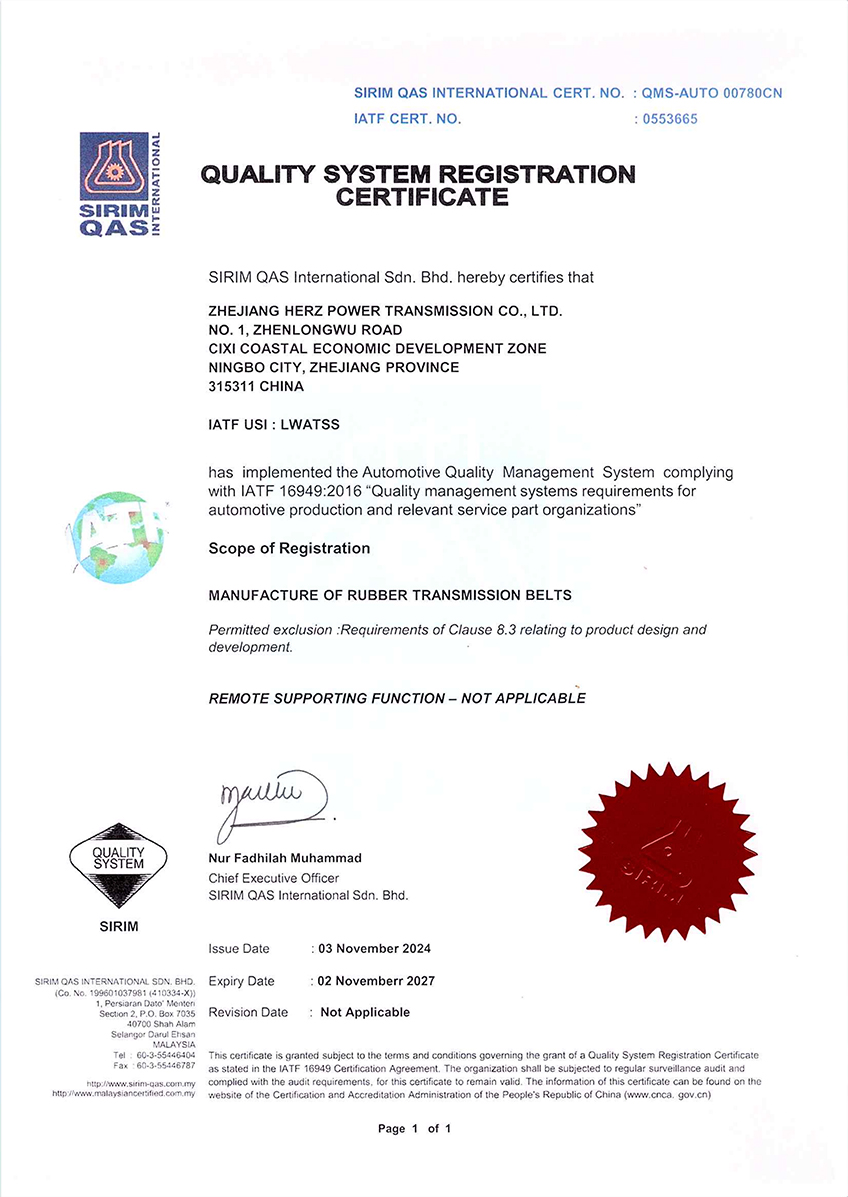
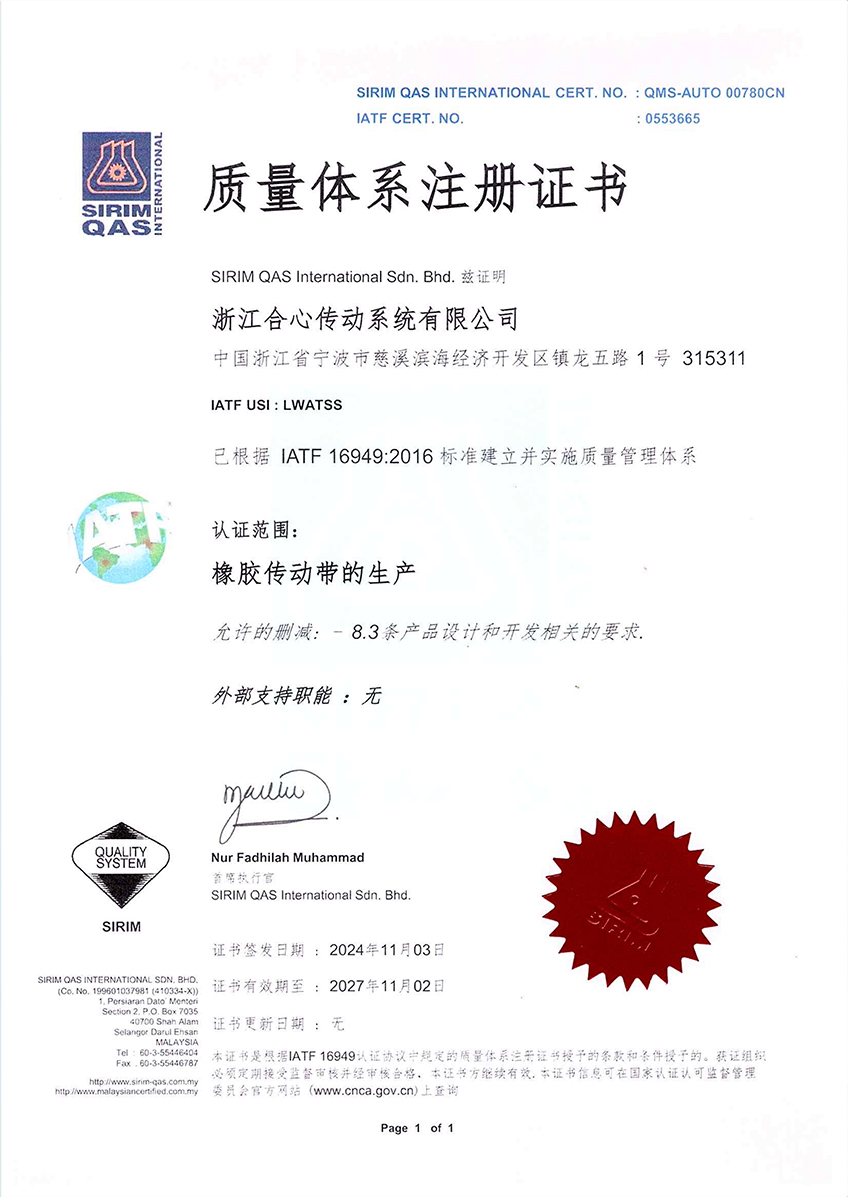
To ensure zero-defect production across our annual capacity of 10 million units, Ningbo Herz Technology Co., Ltd. employs rigorous quality control protocols at every stage of manufacturing. Our testing laboratory is equipped with precision instruments capable of simulating extreme operational environments:
Dynamic Rig Testing: Simulating real-world engine loading at maximum RPM to evaluate belt fatigue, tooth wear, and tensile elongation under load.
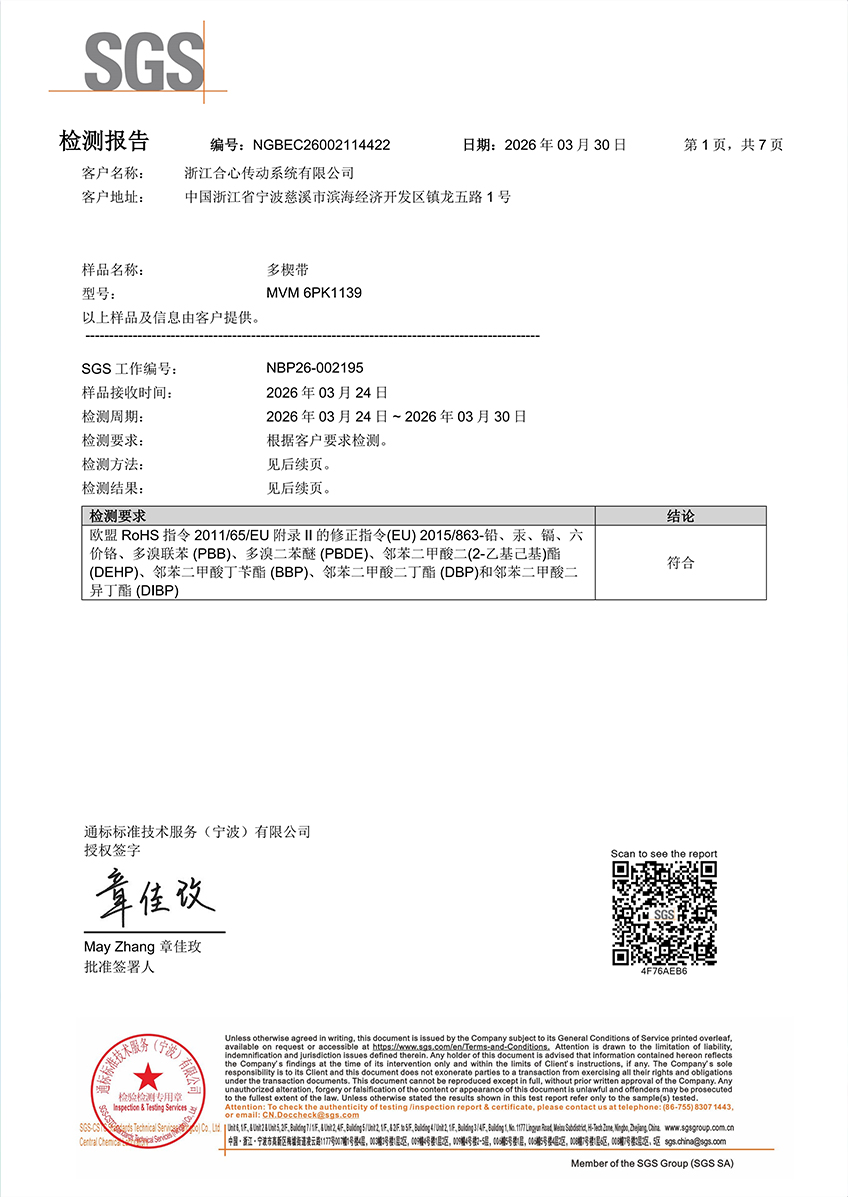
Thermal Shock Chambers: Subjecting finished Timing Drive Belt Kits to rapid temperature swings ranging from -40 degrees Celsius to +160 degrees Celsius to verify compound stability and crack resistance.
Tensile Breaking Load Analyzers: Measuring the exact breaking force and elongation percentage of embedded aramid and fiberglass reinforcement cords.
Dimensional Optical Inspection: Utilizing laser-guided optical scanners to verify tooth pitch accuracy, profile symmetry, and pulley concentricity within micron-level tolerances.
12. Corporate Vision, Mission, and Global Commitment
As a professional manufacturer of high-quality transmission products in China, Ningbo Herz Technology Co., Ltd. remains dedicated to sustainable industrial progress. Guided by our core corporate principles, we strive to deliver unmatched value across global automotive aftermarket and industrial supply chains:
Vision: To become a leading manufacturer of transmission components in the industry and a world-class brand of transmission systems.
Mission for Serving Customers: Continuously provide customers with competitive transmission system products and services that exceed performance expectations.
Mission for Serving Society: Commit to contributing to the progress and development of the global transmission industry through eco-friendly manufacturing practices.
Mission for Serving Employees: Pursue the material and spiritual happiness of all employees by fostering a safe, innovative, and collaborative workplace culture.
13. Troubleshooting Timing Drive System Anomalies Post-Installation
Even with meticulous installation, technicians must understand how to diagnose rare post-installation anomalies. At Ningbo Herz Technology Co., Ltd., our engineering support teams emphasize that proper tensioning and surface cleanliness are paramount. Below is a structured troubleshooting parameter matrix designed to assist mechanics and fleet operators in identifying root causes when abnormal symptoms arise after installing a new Timing Drive Belt Kit.
Technical Parameter Matrix: Diagnostic Troubleshooting Guide
| Observed Symptom |
Primary Potential Root Cause |
Corrective Action and Engineering Recommendation |
| High-pitched whining or squealing noise |
Over-tensioned belt or misaligned idler pulley bearing |
Recheck tensioner pointer alignment and readjust preload torque to manufacturer specification. |
| Low-frequency growl or rumbling sound |
Worn accessory drive or failing water pump bearing |
Inspect water pump shaft play and verify proper pulley seating and bracket torque. |
| Premature edge wear or fraying |
Misaligned sprocket flange or bent mounting bracket |
Inspect all sprockets for lateral runout and replace misaligned components immediately. |
| Oil contamination and rubber softening |
Compromised camshaft or crankshaft oil seal leak |
Replace leaking oil seals and clean pulleys thoroughly with degreaser before installing new kit. |
14. Preventive Maintenance Best Practices for Fleet and Consumer Vehicles
Maximizing the operational lifespan of power transmission components requires strict adherence to preventive maintenance schedules. Environmental contaminants, thermal stress, and neglect are the primary contributors to premature component degradation. Ningbo Herz Technology Co., Ltd. recommends the following best practices:
Scheduled Inspection Intervals: Conduct visual inspections of timing covers and surrounding engine bays every 30,000 miles to detect early signs of oil seepage or coolant weeping.
Complete System Replacement: Always utilize a comprehensive Timing Drive Belt Kit containing matched pulleys, tensioners, and water pumps rather than replacing isolated elements.
Chemical Isolation: Ensure that engine oil, brake fluid, and coolant are kept strictly away from rubber timing belts during any engine servicing.
Torque Compliance: Always use calibrated torque wrenches when securing tensioner bolts, idlers, and water pump fasteners to prevent thread stripping or housing distortion.


 English
 Español
 Português
 عربى
عربى