


A timing belt failure is one of those moments that can turn a routine drive into a sudden breakdown—or worse, a costly engine repair. If your car cranks but won’t start, or you hear a rapid ticking from the front of the engine, the timing belt may already be broken. The most definitive sign is that the engine turns over freely without firing, because the belt is no longer synchronizing the camshaft and crankshaft. But even before total failure, certain symptoms can warn you that replacement is overdue. Here’s exactly how to tell if your timing belt has snapped or is about to.
This is the single most reliable indicator of a broken timing belt on an interference engine. When the belt snaps, the camshaft stops turning, so the valves remain in a fixed position. The crankshaft continues to rotate, but without valve timing, no compression occurs in the cylinders. The result: the starter motor spins the engine freely, but there is no firing. If you’ve ever heard a healthy engine and then heard one with a broken belt, the difference is unmistakable—it sounds hollow, with no sign of compression.
On non‑interference engines, the valves cannot contact the pistons, so a broken belt simply stops the car without internal damage. But in either case, the engine will not run.
A failing timing belt often produces a high‑pitched ticking or light rattling sound, especially at idle. This comes from slack in the belt flapping against the timing cover or from the belt’s teeth skipping on the camshaft pulley. As the belt wears, the fiber cords weaken and the rubber cracks, allowing the belt to stretch. Even a small amount of slack can cause the belt to “slap” the cover. If you hear this noise combined with a rough idle, it’s time to inspect the belt immediately. Ignoring it can lead to a complete snap.
Before the belt breaks, it may stretch or lose teeth. This causes the camshaft position to drift relative to the crankshaft, throwing off the ignition and valve timing. The result is a misfire—the engine may hesitate, shudder at idle, or lack power during acceleration. You might also notice backfiring through the intake or exhaust because unburned fuel ignites at the wrong moment. If your check engine light comes on and a scan tool reveals a camshaft or crankshaft correlation code (e.g., P0016 or P0340), suspect a worn timing belt.
Timing belts often share a cover with the front engine seals (crankshaft seal, camshaft seals). As the belt ages, the rubber can harden and crack, allowing oil to seep past the seals. An oil leak on the front of the engine—especially if it drips down the timing cover—is a common companion to a failing belt. While the leak itself may not disable the car, it accelerates belt deterioration because oil degrades rubber. If you spot a leak, inspect the belt condition before replacing only the seals.
With the timing cover removed (or partially removed if a gap exists), you can often tell if the belt is beyond its service life. Look for:
If any of these are present, the belt should be replaced even if it hasn’t snapped yet. A broken belt will be completely separate—you’ll find the two ends or the belt lying loose inside the cover.
If your car exhibits the no‑start symptom or you confirm a visual break, do not attempt to start the engine again. On an interference engine, each failed start risks bending valves. Instead, have the vehicle towed to a shop. Replacing a broken timing belt requires removing the cover, retiming the engine, and often replacing the water pump, tensioner, and idler pulleys at the same time. Many professionals use a complete 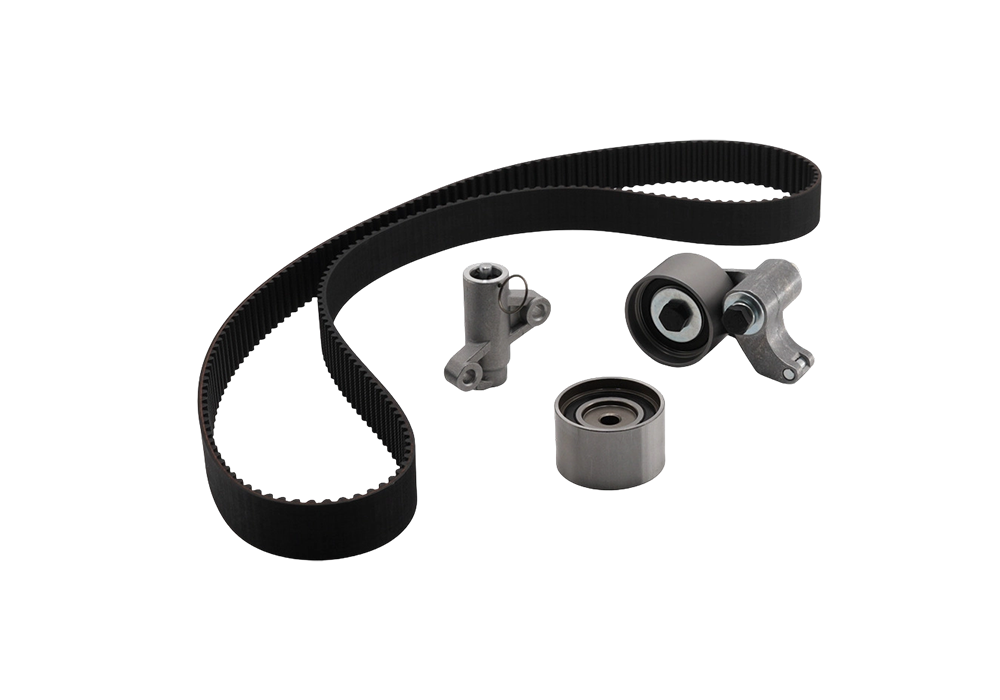 System-Matched Timing Drive Belt Kit for Complete OverhaulThis kit bundles belt, tensioner, idler pulley, and optional water pump to ensure component compatibility, reducing labor costs and preventing early failure during timing belt replacement.View Product → to ensure all components are new and compatible. This approach saves labour later and prevents a single worn part from destroying a new belt.
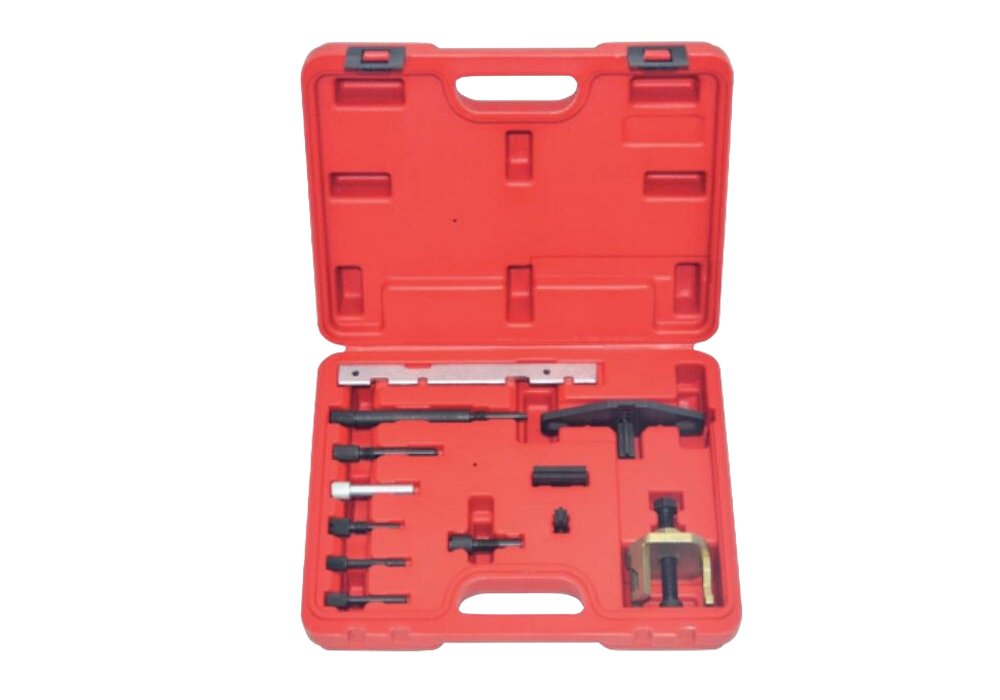
Verifying timing belt condition or performing a replacement goes beyond guesswork. A timing light (or a scan tool with live data) can check ignition timing, but the most reliable method is physical inspection. For modern engines, specialized 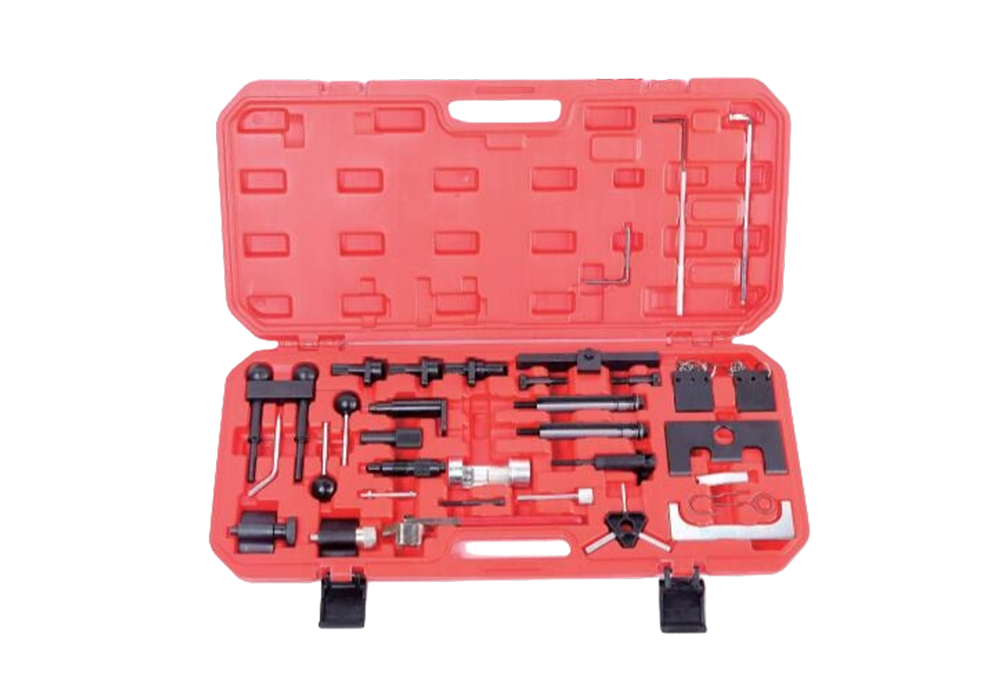 Dual Petrol and Diesel Engine Timing Tool Set for VAG VehiclesDesigned for VW and Audi models, this tool set locks crankshaft and camshafts precisely, making timing belt replacement safe and accurate on engines with variable valve timing.View Product → locks the crankshaft and camshafts in their correct positions, so you can remove the belt without losing timing. These tools are essential for vehicles with variable valve timing, where a single mistake can cause costly misalignment. Whether you’re a DIY mechanic or a shop technician, having the right tool eliminates guesswork and speeds up the job.
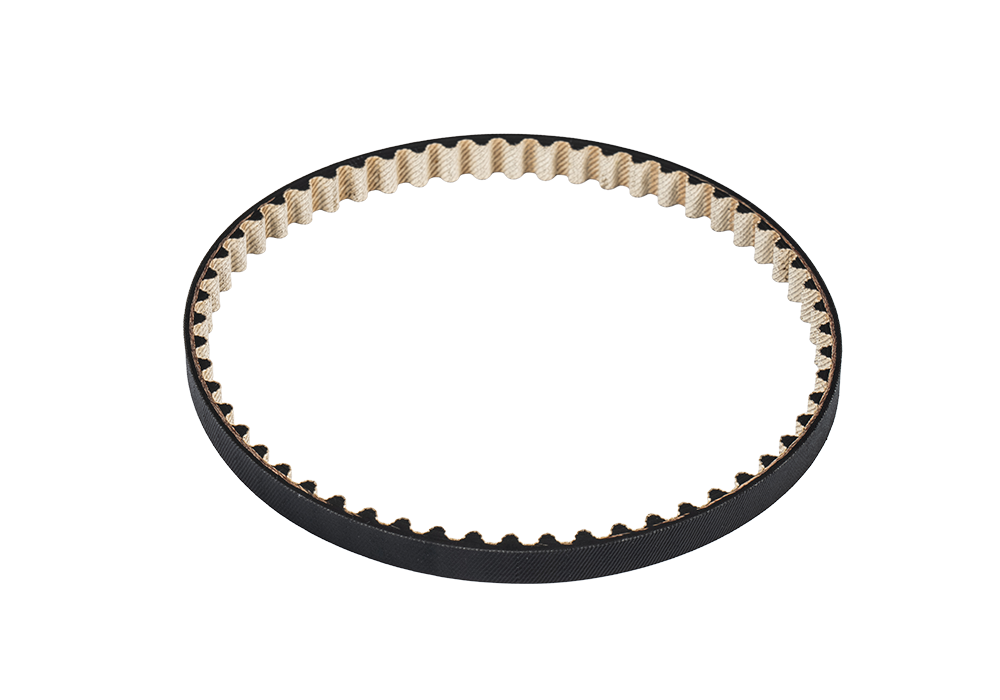
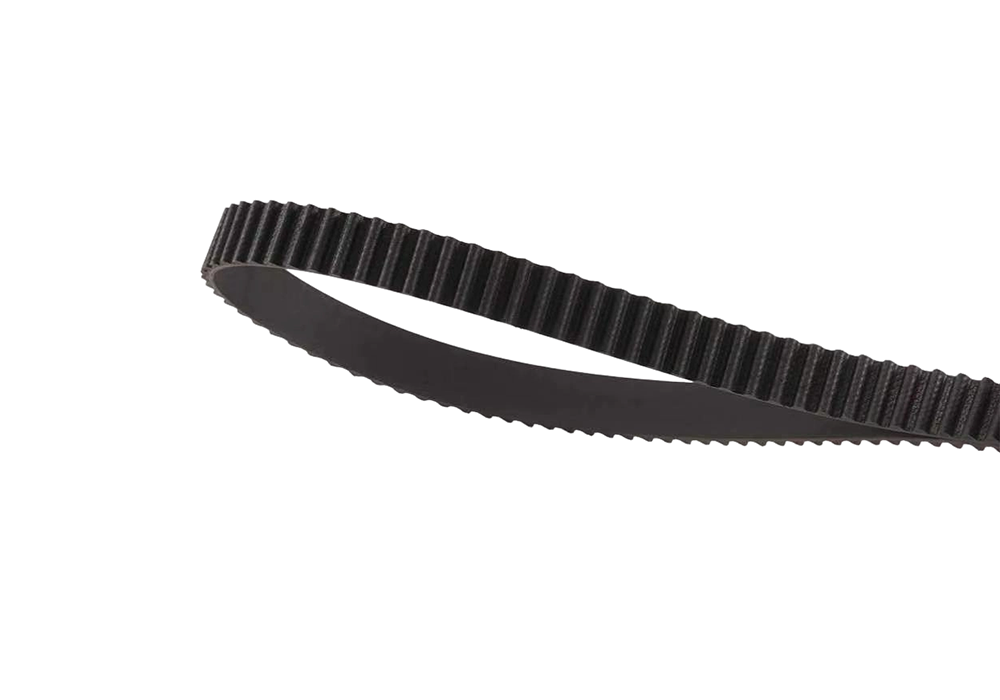
Not all timing belts are the same. The material, construction, and application matter. For most passenger cars, a standard 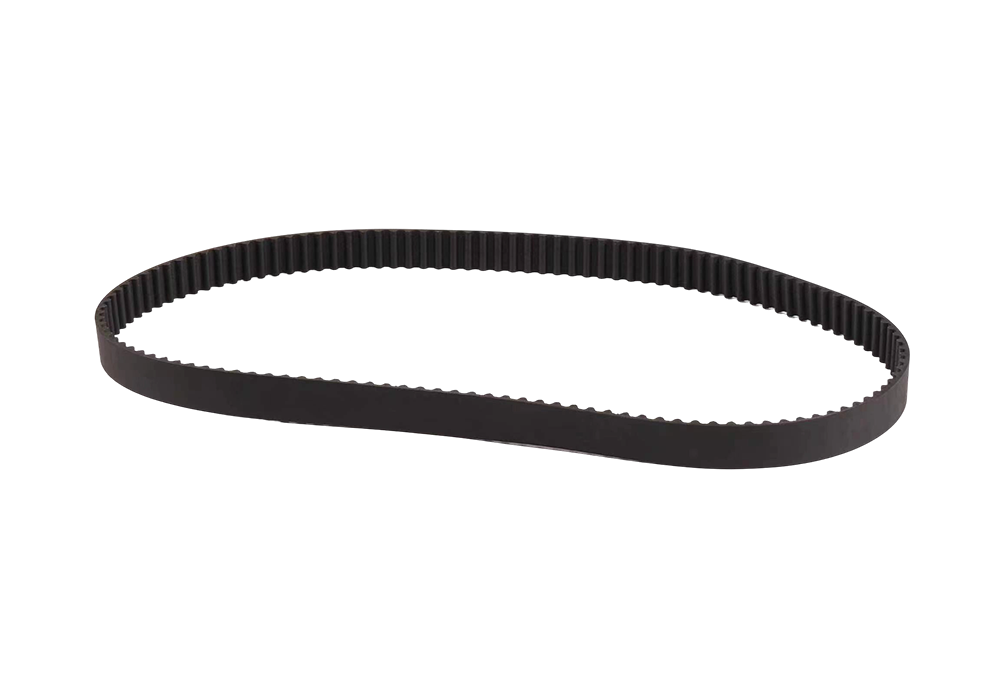 CR Timing Drive Belt for Standard Replacement IntervalsMade from stable chloroprene rubber with glass fiber reinforcement, this belt reliably delivers the typical 60,000 km service life required for most passenger car applications.View Product → offers excellent durability and resistance to oil and heat. However, if your engine operates in extreme temperatures or uses an oil‑cooled belt system, a HNBR or oil‑immersed belt may be specified. Always match the belt’s width, tooth profile, and length to the original part. Replacing with a lower‑quality belt can lead to premature failure—so it’s worth investing in a belt designed to meet or exceed OE specifications.
The best way to know when your timing belt is broken is to replace it before it fails. Most manufacturers recommend replacement between 60,000 and 100,000 miles (roughly 100,000–160,000 km), depending on the engine. If you’re unsure of the interval, check your owner’s manual or consult a trusted mechanic. A proactive replacement, combined with a new water pump and tensioner, costs far less than repairing a bent‑valve engine. Remember, a timing belt that looks fine from the outside can still be internally degraded—so stick to the mileage or age limit, not the visual condition.
For more detailed comparisons between belt types and their applications, you may find the article on drive belt vs. timing belt helpful for understanding how these components differ and when each requires attention.
Knowing whether your timing belt is broken comes down to listening to your engine and watching for the classic signs: no‑start, ticking noise, misfire, or oil leak. If any of these appear, act quickly. Inspect the belt visually or take it to a shop. With the right tools and a quality replacement part, you can get back on the road confidently.




 English
 Español
 Português
 عربى
