


Content
Ask a dozen technicians how tight a belt tensioner should be, and you will hear a dozen field rules. Most start from the right instinct: a belt should feel snug, not guitar-string tight. The useful answer is more specific. A belt tensioner should hold the belt at the tension the vehicle or equipment maker specifies, or, on an automatic tensioner, sit inside its marked indicator range with the correct belt installed. The tensioner spring sets running tension. The mounting bolt only holds the tensioner body. Tightening that bolt harder does not add belt tension; it can distort the housing, damage threads, or pull the pulley out of alignment.
The question usually mixes two different checks. The first is belt tension: how firmly the belt is pressed against the pulleys. The second is fastener tightness: how securely the tensioner is mounted. They are related, but they are not the same adjustment. On a spring-loaded automatic tensioner, the arm moves within a window or against a pointer. The unit is doing its job when that mark sits in the normal range with the correct belt fitted. If the pointer is at the end of its travel, do not pry the arm to "help" it. That can overload the bearing and crack the tensioner body.
On a manual tensioner, a screw or slotted bracket moves the idler. Here, the setting is a real tension adjustment. It should be set with a gauge or the maker's deflection figure, not by how hard the belt feels under a thumb. When you replace the tensioner itself, the mounting bolt has its own torque value. "Tight" means clean threads, the correct fastener, and the specified torque. It does not mean the longest wrench and the hardest pull.
| What you are checking | Correct condition | What goes wrong |
|---|---|---|
| Automatic tensioner indicator | Pointer or mark rests in the normal window with the correct belt fitted | Forcing the arm past the mark overloads bearings and can damage the tensioner |
| Manual tensioner or V-belt | Tension set by gauge or the maker's deflection figure | Too loose slips and glazes; too tight whines and wears bearings |
| Tensioner mounting fastener | Clean threads, correct bolt, specified torque | Under-torque lets the tensioner cock; over-torque strips threads or distorts the housing |
| Pulley alignment | Belt runs centered, ribs fully seated, no edge rubbing | Misalignment mimics wrong tension and can throw the belt |
Before touching the tensioner, confirm the belt is the right part. Check rib count, width, length, and routing. A belt that is too short can make an automatic tensioner sit at the end of its travel and feel extremely tight. A belt that is too long can leave the pointer short of its mark even when the tensioner is healthy. With the wrong belt, every tension reading is misleading.
Work with the engine off and the belt at rest, unless the service procedure says otherwise. Release tension with the proper tool, let the tensioner settle, and read the indicator. Do not push the arm with a pry bar to see where it "wants" to go. If the mark is outside the window, inspect the belt length, routing, idler condition, and tensioner spring before condemning the tensioner. A new belt may sit slightly differently from a worn one, but it should still bring the indicator into range.
Manual systems need a number. Use the manufacturer's gauge or deflection specification. The common field guide of about 1/4 inch deflection per 12 inches of free span is a starting point, not a universal law. Long spans, small pulleys, and different belt constructions all change the result. The old twist test is also only a rough check: a V-belt at its longest free span should usually twist about 90 degrees with light finger force. If it twists far beyond that easily, it is likely loose. If it will barely twist, it may be too tight. Neither test replaces a gauge or a service manual.
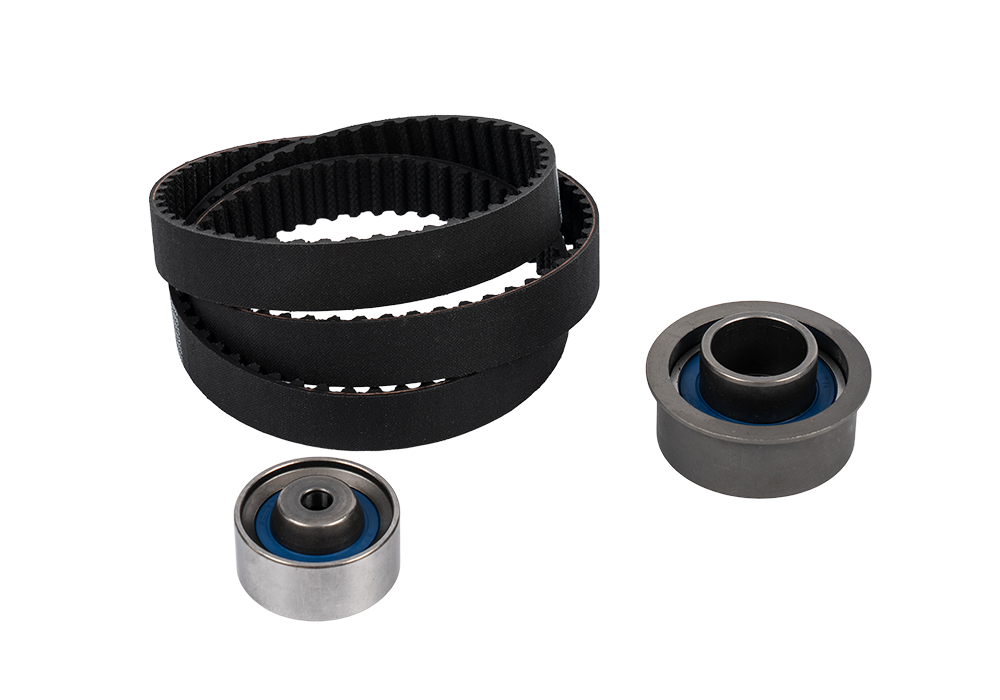
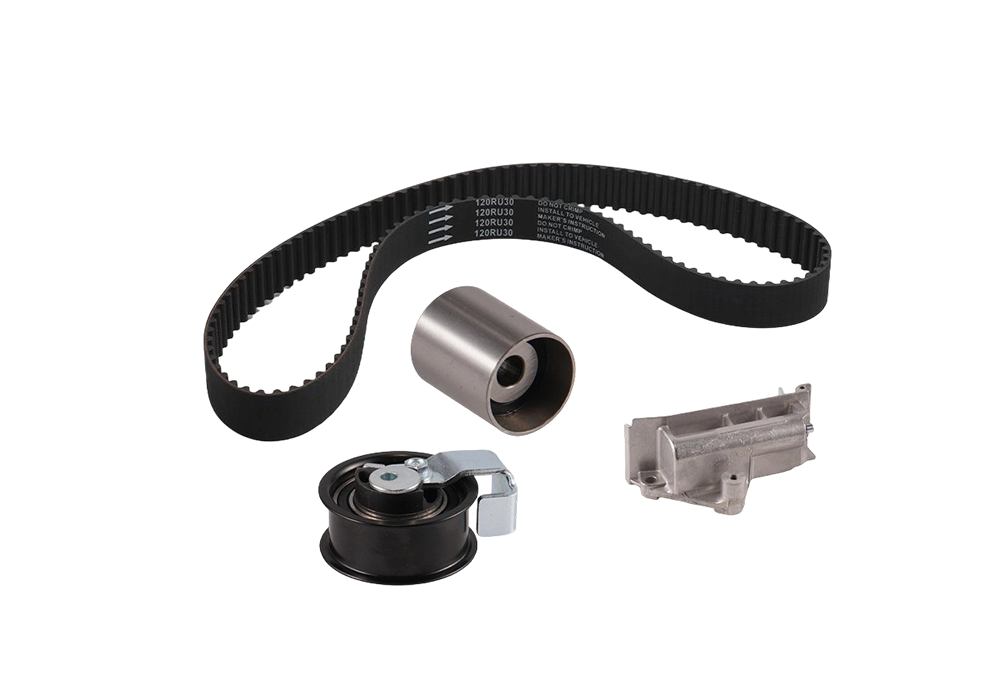
Timing belts are their own case. Many use a spring-loaded idler with a pin or index mark, and some require a two-stage torque sequence. Do not apply serpentine-belt logic to a timing system. For a closer look at timing-system practice, see our tension instructions for rubber timing belts.
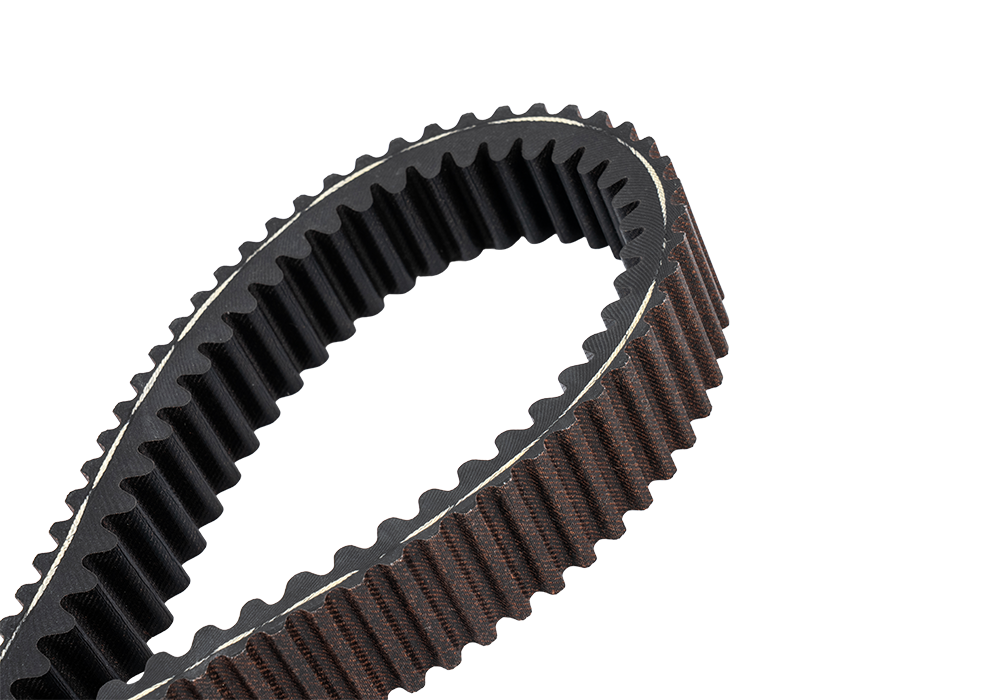
Belt condition matters as much as the reading. A worn serpentine belt can sit lower in the grooves and give a misleadingly tight indicator. A belt that is too wide can ride on the pulley shoulders. A belt measuring gauge is a simple way to check rib spacing, width, and length before you blame the tensioner.
 Belt Measuring Gauges for Drive Belt Size and TensionCheck belt width, length, thickness, alignment, and tension before diagnosing tensioner issues; useful for automotive and industrial drive maintenance.View Product →
Diagnose by pattern, not by a single sound. A belt that is too tight often complains after a cold start:
A belt that is too loose usually announces itself differently:
Noise alone is not proof. A squeal can come from misalignment, a worn belt, a contaminated pulley, or a weak tensioner. With the belt removed, spin every pulley by hand and listen for rough bearings. Check that the belt sits fully in the grooves, not on the edges. If the tensioner pointer is outside its range, correct the cause before adding or removing tension.
Replace the tensioner when its bearing feels rough, the arm does not return smoothly, the spring is weak, the housing is cracked, or the indicator stays out of range after the correct belt is fitted. In most cases, fit a new belt and tensioner together. An old belt on a new tensioner can give a false reading and shorten the life of both parts. Clean the mounting surface, use a new bolt if the old one is torque-to-yield, and tighten to the maker's figure. Do not use the belt to pull the tensioner into place. Rotate the arm with the proper tool and release it slowly.
On an automatic tensioner, there is normally nothing to adjust after installation. Confirm the indicator is in range and the belt is tracking correctly. On a manual tensioner, set tension after the belt is fully seated, then recheck after a short run. If you are sorting through replacement styles, our drive belt tensioner range separates common automatic and high-speed designs, but application data still decides the correct part.
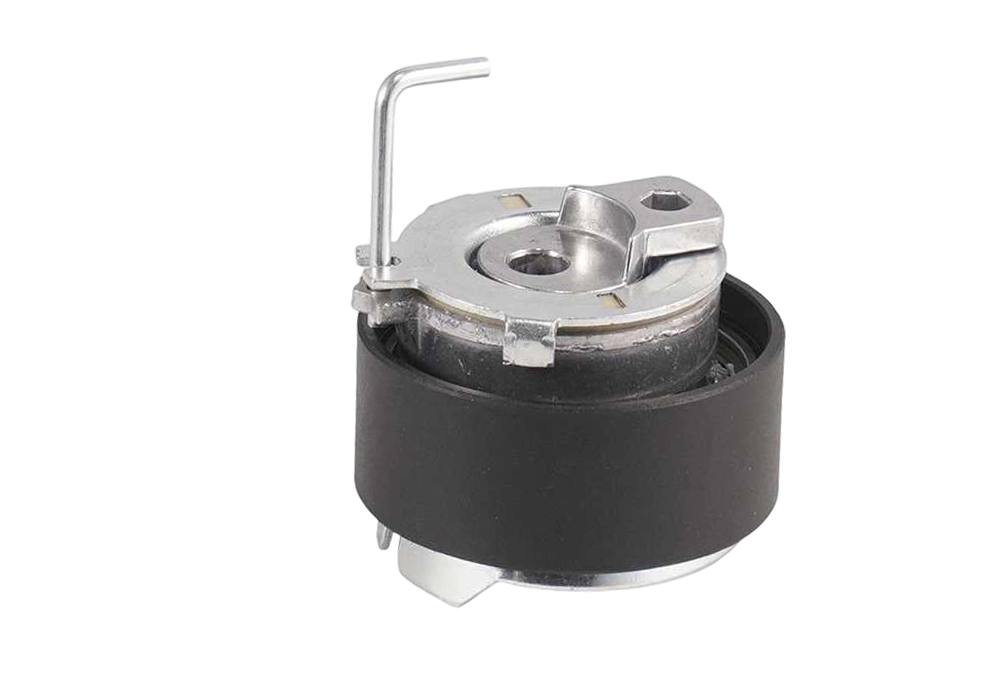
For everyday passenger-car and light-truck accessory drives, a sealed ball-bearing tensioner is a practical default because it carries steady spring load with low friction. The mounting bolt still needs the correct torque, and the belt still needs the correct length.
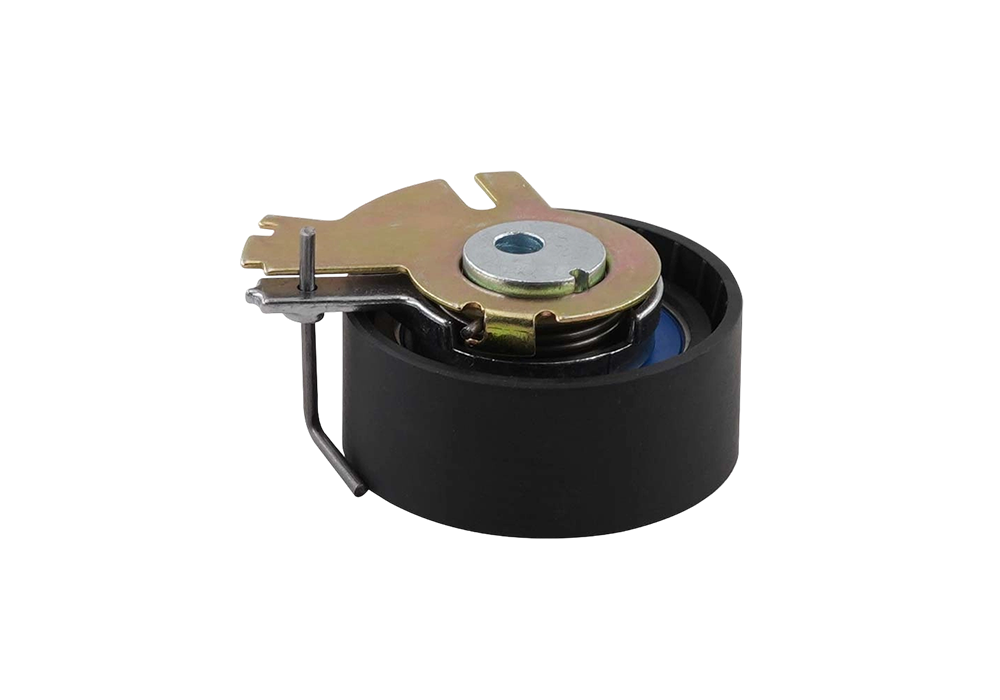 HERZ Drive Belt Tensioner Ball BearingFor everyday passenger-car and light-truck accessory drives, this ball-bearing tensioner offers low-friction rotation and OEM/ODM customization.View Product →
Industrial V-belts and high-rpm accessory drives do not always follow the same rules as a car serpentine belt. On a manual slide-base drive, tension is often set by moving the motor and checking deflection. Over-tightening can overload both the motor bearing and the driven bearing, not just the belt. On a high-speed serpentine drive, the tensioner must control vibration without slapping or chattering. Use the maker's gauge, sheave diameter, and belt construction. A tensioner with a rough bearing or weak damping can look correct at rest and misbehave when hot. For high-rpm work, choose a high-speed tensioner rated for the application rather than a standard unit selected only by bolt pattern.
The practical answer is simple: set tension by specification, not by force. The belt should be snug enough not to slip and loose enough to let the tensioner work. On an automatic tensioner, leave the spring alone once the correct belt is fitted and the mounting bolt is torqued. On a manual tensioner, use a gauge and confirm alignment. A belt that is slightly loose will usually warn you with noise. One that is too tight may run quietly until a bearing fails. When in doubt, back off, inspect the pulleys, measure the belt, and check the indicator again.




 English
 Español
 Português
 عربى
