


Content
If you have ever stood under a car with a worn, chirping belt and wondered what exactly you were looking at, you are in good company. The question "how long is a serpentine belt" really hides two separate questions: how long the belt is in physical length, and how long it lasts before it has to come off. Both answers vary, but neither is a mystery once you know what drives the number.
As a general rule, a serpentine belt on a passenger car runs somewhere between three and five feet long, and its service life usually lands between 60,000 and 100,000 miles, or roughly five years of normal driving. Everything past that is detail, and the detail is where the genuinely useful answers live.
A serpentine belt is the single flat, ribbed belt that snakes across the front of the engine and drives everything that is not part of the combustion process itself. One belt typically spins the alternator, the water pump, the power steering pump, the air-conditioning compressor and, on some engines, the cooling fan.
The name comes from the way the belt winds back and forth across the pulleys. Instead of one V-belt per accessory, a single ribbed belt touches both the grooved pulleys and the smooth back-side idlers, which is why the routing on a modern engine looks more like a maze than a simple loop.
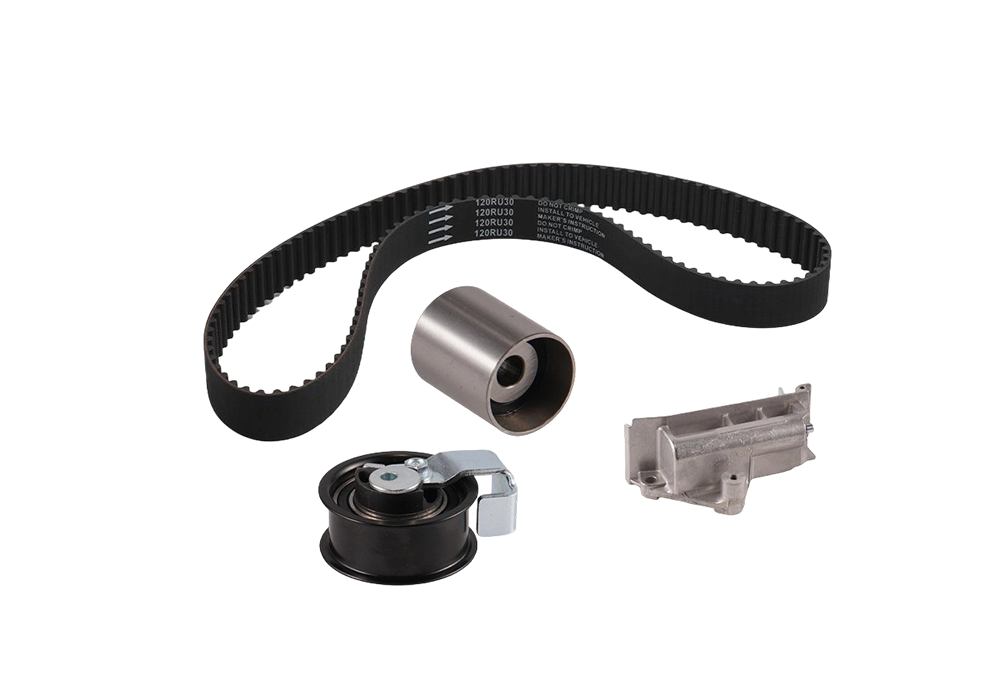
It is easy to confuse this belt with a timing belt, since both are rubber, both run on pulleys and both keep an engine alive. They are not the same part, they are not on the same side of the engine, and they do not share a replacement interval. If you would like the full comparison, we wrote it up in our guide on drive belts versus timing belts.
Physical length is measured as effective length, meaning the running length of the belt around its path, not simply the length of rubber you get when the belt is cut and laid flat. On common passenger cars that figure usually falls between 36 and 60 inches, which is about 900 to 1500 mm. On vans, light trucks and engines with a long accessory list it climbs from there.
Four things move the number:
You do not need a tape measure to find the length of a belt you already have, because most belts carry the number in the part code. In the metric PK system, a code such as 6PK1050 tells you three things at once: six ribs, a PK (poly-V) profile, and an effective length of 1050 mm. In the SAE-style numbering familiar to many North American brands, the last three digits give the length in inches, so a belt numbered to end in 545 is a 54.5-inch belt.
This matters when you are ordering a replacement without the old belt in hand. Two belts can share the same rib count and profile and still be unusable if their lengths differ by half an inch, because the tensioner only has so much travel to give.
If the original belt disappeared, or you changed a pulley and the old length no longer fits, measuring becomes very practical:
A dedicated measuring gauge takes most of the guesswork out of this, and it is the tool many workshops reach for when a bypass pulley or an aftermarket accessory has quietly changed the geometry of the drive.
 Drive Belt Measuring Gauges for Accurate InspectionPrecision gauges help measure belt size, tension, alignment, and wear, supporting correct installation and timely replacement in workshop and automotive drive systems.View Product →
This is usually what people mean by the question, and the working answer is 60,000 to 100,000 miles. Many manufacturers list an inspection point somewhere inside that window, and most belts still intact at 60,000 miles are on borrowed time well before 100,000.
Time matters as much as mileage. A belt sitting in a hot engine bay ages whether the car is driven or not, because heat, ozone and oil vapour all attack the rubber compound. That is why a belt on a low-mileage vehicle that has spent ten summers in a garage still deserves a close look.
| Driving condition | Typical replacement window | Main wear factor |
|---|---|---|
| Mixed driving, moderate climate | 80,000 to 100,000 miles, or about five years | Age and normal rib wear |
| Stop-and-go city use and short trips | 60,000 to 80,000 miles | More tensioner cycles per mile |
| Hot climate, heavy accessory load | 50,000 to 70,000 miles | Heat, ozone and belt load |
| Dusty, oily or off-road use | Inspect every 20,000 to 30,000 miles | Abrasion and contamination |
Two belts of identical length can last very different amounts of time, and the gap almost always comes down to a handful of causes:
We produce serpentine belts in both CR and EPDM compounds, because material choice is genuinely one of the deciding factors once an engine bay runs hot and ozone-rich. The EPDM range is the one we point customers toward for those conditions.
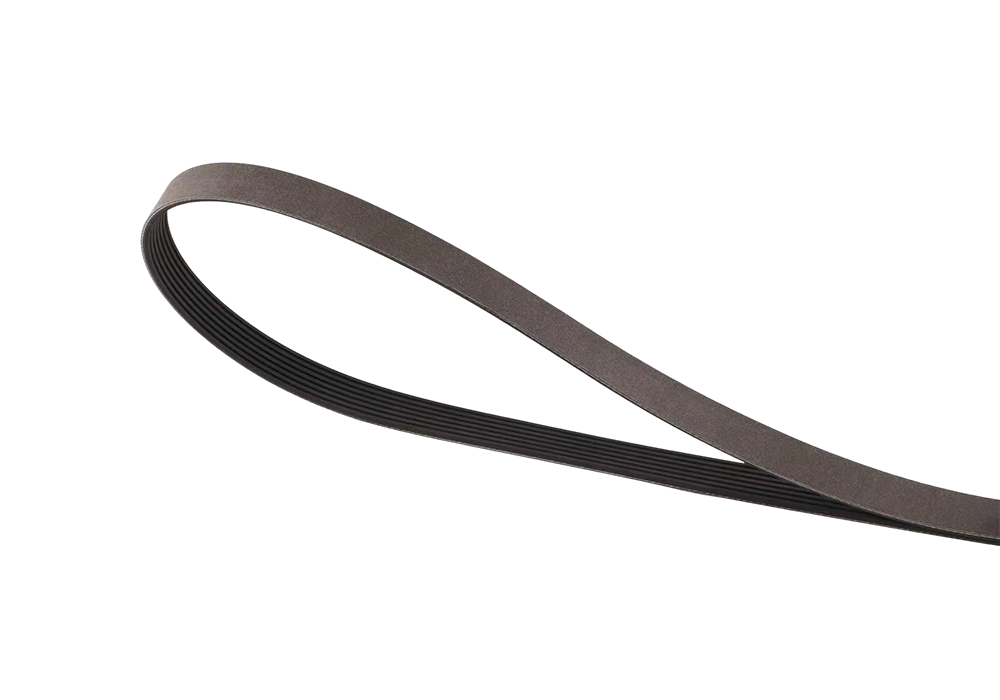 EPDM Serpentine Drive Belt for Hot, Ozone-Rich Engine BaysEPDM serpentine belt for accessory drives in harsh conditions, offering wear resistance and noise-reducing operation where heat and ozone affect belt life.View Product →
Belts rarely fail without warning. They usually leave a trail of clues first:
If you spot more than one of these, the belt is usually finished regardless of the mileage on the clock. Carrying on with it risks a sudden break that takes the water pump with it.
Fitting a new belt onto a worn tensioner is the most common way to shorten the life of the belt you just paid for. The tensioner spring loses preload over time, the idler bearing dries out, and the fresh belt inherits the same alignment problem that finished the old one.
Before the new belt goes on, spin every idler and tensioner pulley by hand. It should turn smoothly, with no rattle, no roughness and no play. Check that the tensioner arm moves through its full travel and returns to its stop. Then wipe the grooves of each pulley so the new belt is not bedding down onto a layer of old rubber dust.
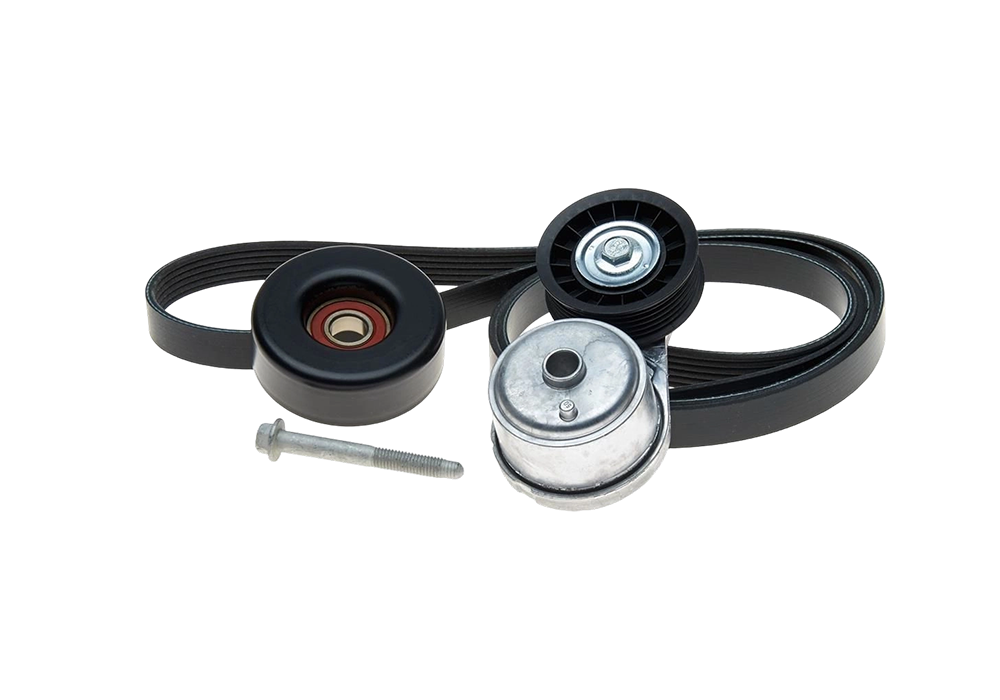
For most accessory drive systems, a fresh tensioner is part of the repair rather than an optional extra, so it makes sense to order the belt and the tensioner together.
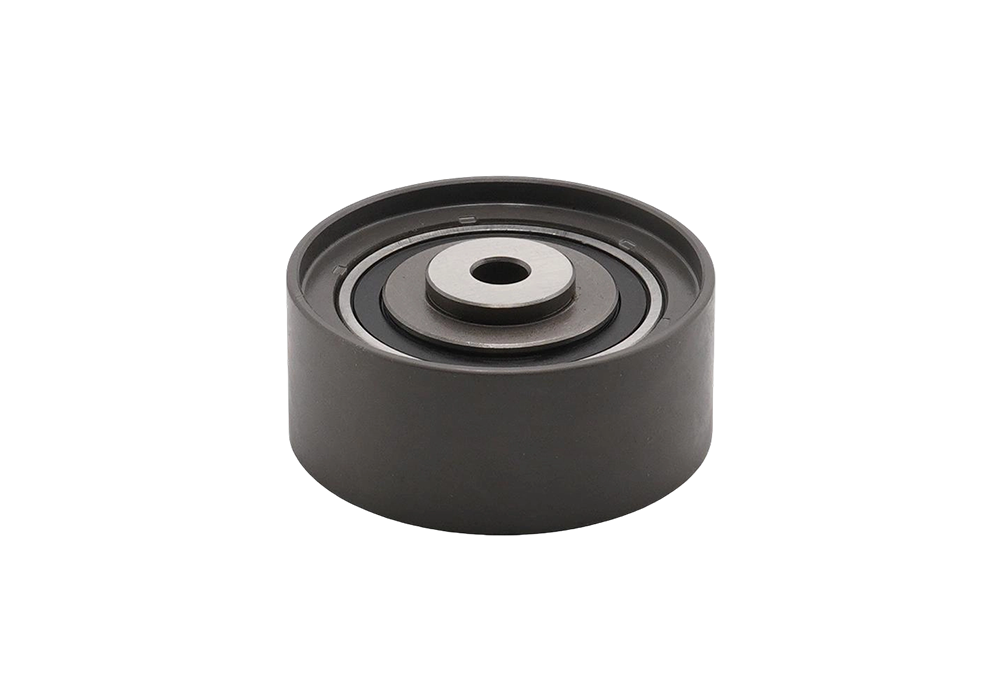
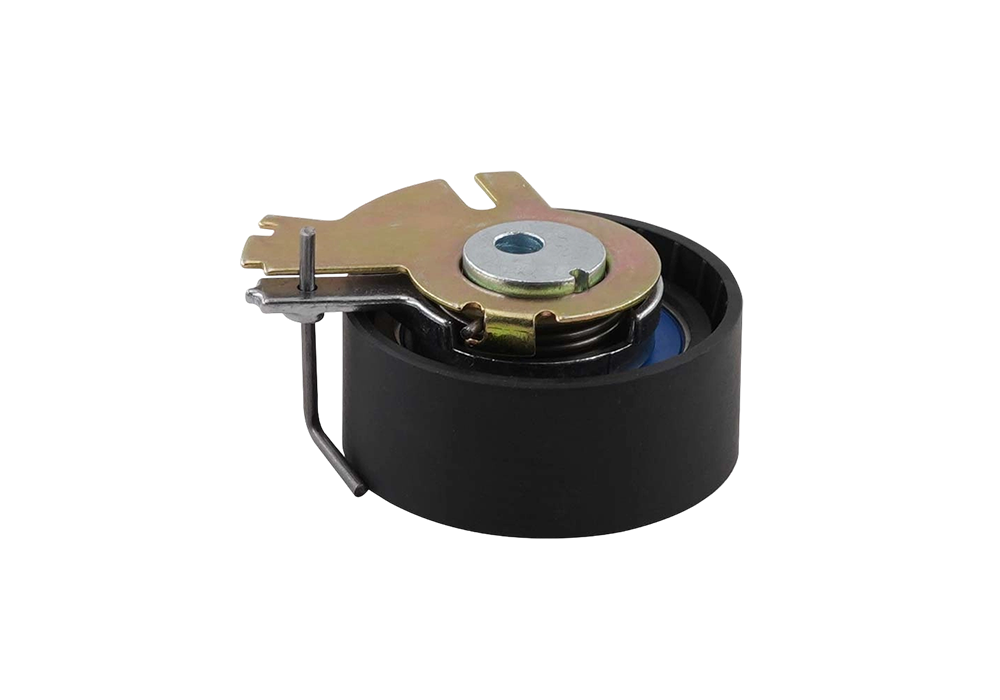 HERZ Drive Belt Tensioner Ball Bearing for Smooth RotationA tensioner bearing built for low-friction, high-speed rotation with durable materials and dimensional stability, useful when renewing the belt and tensioner together.View Product →
A serpentine belt is roughly three to five feet long, and it is usually good for 60,000 to 100,000 miles or about five years, whichever arrives first. Read the part number for the true length, measure the routing if the original is already gone, and renew the tensioner and idlers whenever they show wear. Do those three things and the belt will quietly do its job for the full run.




 English
 Español
 Português
 عربى
