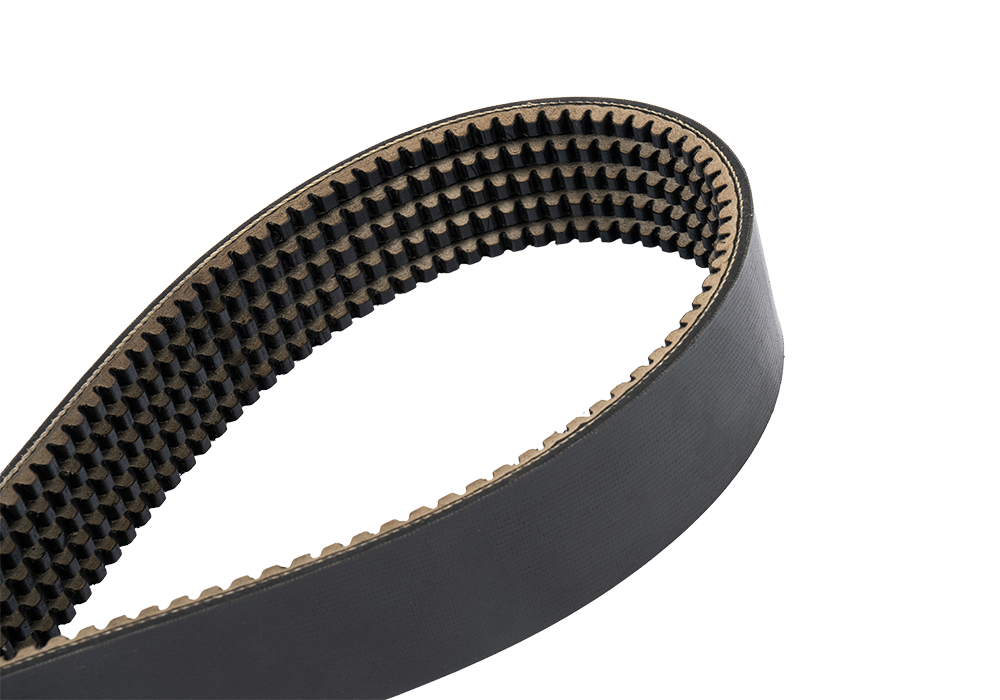
Content
If you're asking how long CVT belts last, you've probably noticed that answers range from "replace it every season" to "it outlives the machine." Both can be true, because a CVT belt's lifespan depends far more on how it's used than on a single universal number. In this guide, we'll cover realistic mileage ranges for ATVs, UTVs, scooters, and cars, the factors that cut belt life short, and the warning signs that tell you it's time for a replacement.
One quick clarification before we go on: the belt in a CVT is a completely different component from an engine timing belt. If you're not sure which belt your vehicle has, it helps to read up on the difference between a drive belt and a timing belt so you're servicing the right part.
The honest answer is that a CVT belt lasts as long as its operating conditions allow. But to give you something concrete, here are the mileage ranges commonly reported across different vehicle types.
Manufacturers publish service intervals for a reason, but those intervals assume an average owner riding over average terrain. If you ride harder than average, shorten the interval; if you ride gently, you can often stretch it — though we still recommend periodic inspections either way.
Most rubber CVT belts on ATVs and UTVs last between 1,500 and 6,000 miles. A utility quad used for slow trail riding and light hauling tends to sit at the upper end of that range. A sport UTV ridden hard, through sand or mud, can wear a belt out in less than 2,000 miles. When the belt starts slipping under load, owners usually notice it as a sudden loss of acceleration with the engine still revving.
Scooters are lighter and their CVTs operate under lower load, so scooter belts typically last 5,000 to 10,000 miles. Aggressive city riding with constant stop-and-go wears belts faster than steady cruising. If you use a scooter for delivery work, expect to replace the belt more often.
Cars with CVT transmissions are a different story. Automotive CVTs use a steel push belt or chain that runs in specially formulated transmission fluid. With regular fluid changes, these belts routinely reach 80,000 to 100,000 miles and sometimes much more. If you own a car with a CVT, the belt is rarely the first component to fail; maintaining the transmission fluid is the most effective way to protect it.
If we had to name one enemy of a rubber CVT belt, it would be heat. Slipping, heavy loads, and dusty conditions all generate heat, which breaks down the rubber compound and causes the belt to glaze or crack. The factors below summarize the main influences on belt life.
| Factor | Effect on Belt Life |
|---|---|
| Riding style: hard acceleration, sustained high speed | Shortens |
| Terrain: sand, mud, steep hills | Shortens |
| Vehicle load and towing | Shortens |
| Operating temperature and airflow through the CVT housing | Strong effect: heat degrades rubber |
| Maintenance: cleanliness, clutch condition, alignment | Extends |
| Belt material and construction quality | Extends |
Notice a pattern? The things that shorten belt life are the same things that create heat. The things that extend belt life are the things that keep a belt running cool, clean, and in alignment. That is why two identical machines can have completely different belt replacement intervals.
A worn CVT belt rarely fails without warning. If you notice any of the following, it's worth inspecting the belt before it snaps:
A quick visual check doesn't require disassembling the whole CVT. Most machines let you remove the CVT cover with basic hand tools. Look at the belt's sidewalls and underside: smooth glazing or a hard, shiny surface means the belt has been slipping; small cracks along the edges are an early sign of ageing rubber. Catching these signs early can save you from being stranded.
If a belt shows deep cracks along its sidewalls or is missing chunks of rubber, stop riding immediately. A snapped belt can wedge inside the CVT housing and damage the clutches, sheaves, and moving parts around it, turning a modest replacement job into a costly repair.
In our years of manufacturing transmission belts, we've seen plenty of belts exceed their expected intervals. The common thread was almost always the owner's habits, not luck.
None of these habits require expensive tools or special skill. They just require consistency. Once you get into the rhythm of a quick inspection every time you service the machine, the belt stops being a mystery and becomes a predictable wear item with a lifespan you can plan around.
When a CVT belt fails early, heat and material quality are usually the root causes. A belt made from a heat-resistant rubber compound and strong tensile cords keeps its shape longer, which reduces slipping and prevents the temperature spiral that destroys cheaper belts. This is why the same machine can behave completely differently with a better-quality belt installed.
If you ride an ATV or UTV and spend time in warm climates, muddy trails, or sandy terrain, a belt built specifically for high-temperature conditions is a worthwhile investment.
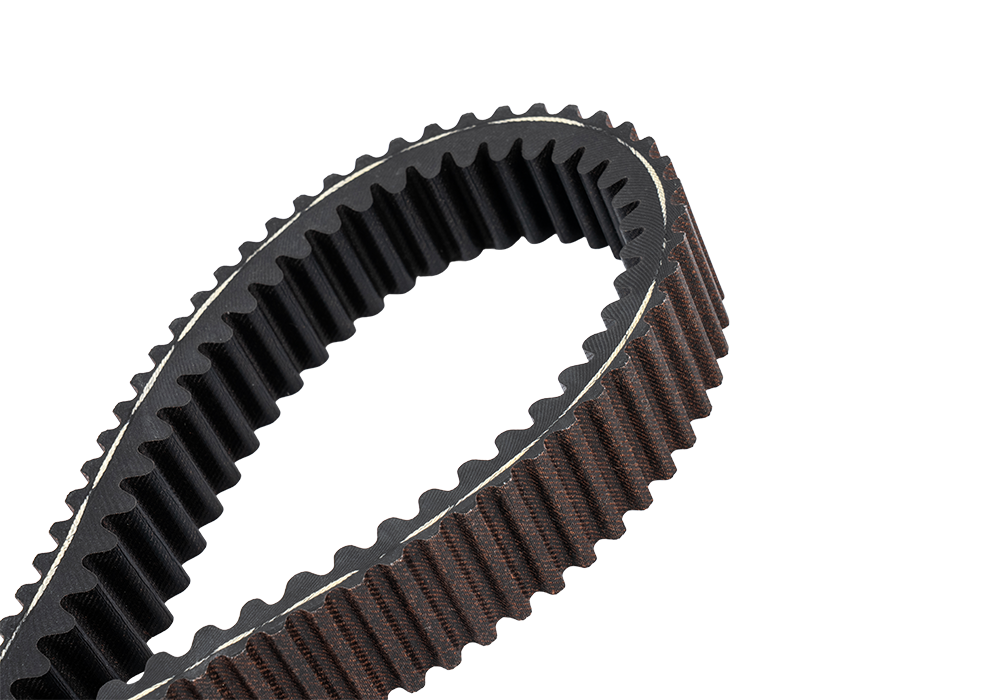 High-Temperature Resistant ATV Drive BeltBuilt for hot, muddy, or sandy conditions, this ATV belt promises lower operating temperatures and longer life—ideal for riders in warm climates.View Product →
For answers to other common questions about belt service and selection, visit our FAQ page.
There is no single mileage that applies to every CVT belt. On a hard-worked UTV, 1,500 miles may be a full life. On a scooter, 10,000 miles is common. In an automotive CVT, the steel belt can outlast the vehicle itself. What matters most is understanding your machine, checking the belt periodically, and acting on the warning signs before failure. Do that, and a CVT belt will deliver dependable service for as long as you reasonably ask it to.




 English
 Español
 Português
 عربى