


Content
One of the most common questions in our tech line is, “How long do engine belts last?” It is also one of the smartest questions a car owner can ask. Engine belts are cheap components, but when they fail at the wrong moment, they can stop the car, overheat the engine, or cause internal damage that costs thousands to repair.
The short answer is that engine belts generally last between 50,000 and 100,000 miles, depending on the belt type, material, and operating conditions. A more useful answer, though, is to understand why belts wear out and how to recognize the signs before a failure. As a manufacturer of drive belts and timing components, we have spent years looking at failed belts and measuring the small differences between a belt that lasts 40,000 miles and one that reaches 100,000 miles.
A serpentine belt powers the alternator, water pump, power steering pump, and air conditioning compressor from a single, continuously winding path around the engine. It is the belt that gets blamed when a car dies because the alternator suddenly stops charging. In normal service, a serpentine belt typically lasts 50,000 to 100,000 miles.
The upper end of that range usually belongs to EPDM belts, which are formulated to handle underhood heat and ozone much better than older CR rubber. Many original EPDM belts remain structurally sound past 100,000 miles, although you may still be instructed to replace it earlier as a precaution. The belt is an excellent example of why material selection matters—higher-grade rubber is not just a marketing story; it affects the real-world service life of the belt.
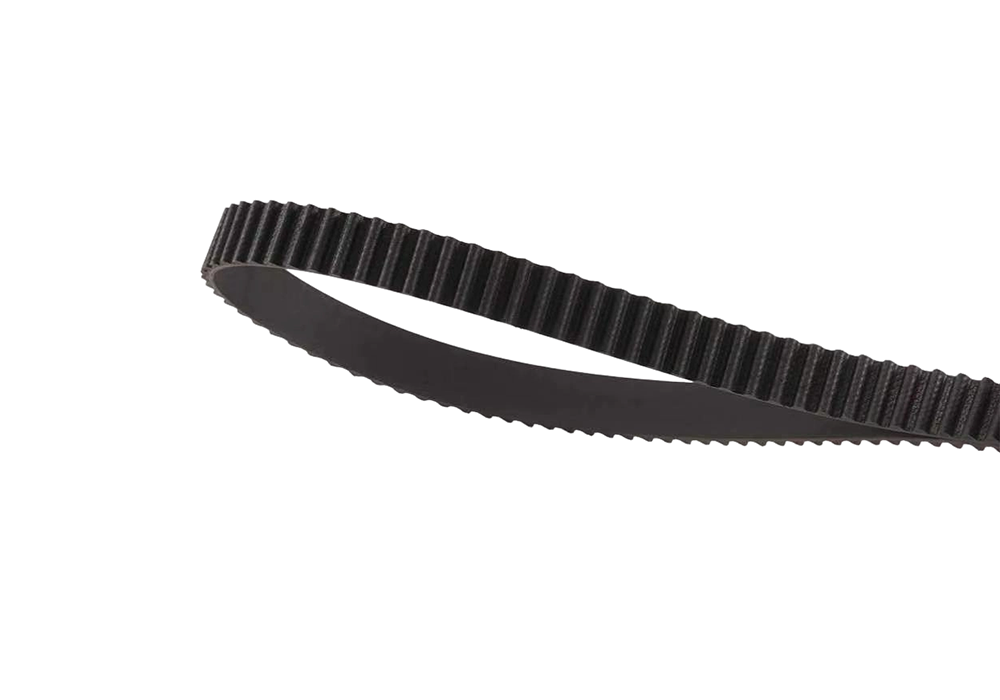
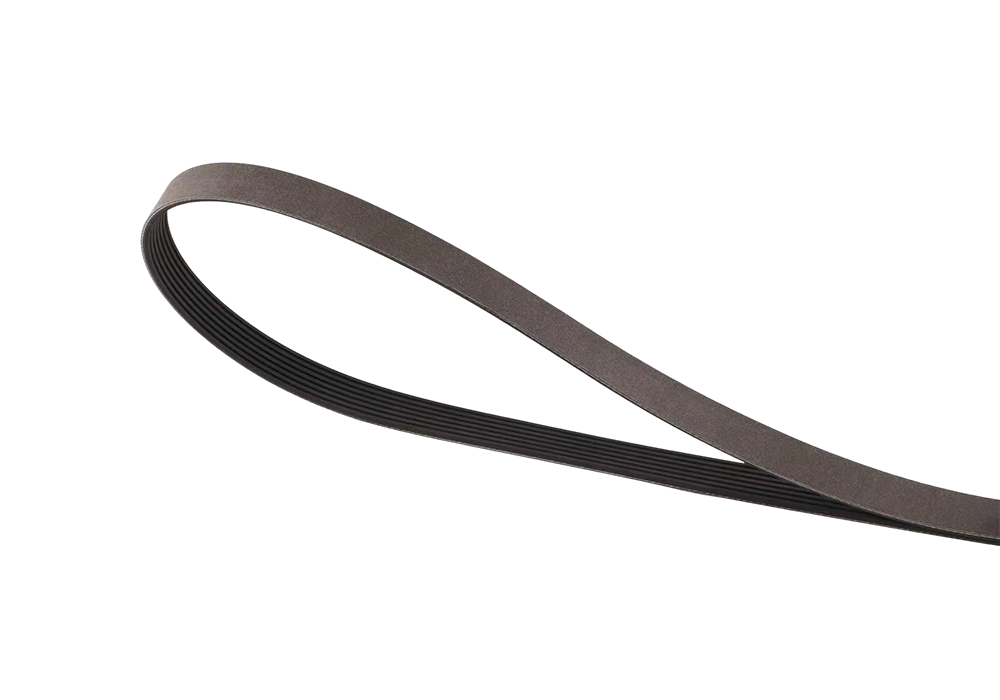 EPDM Serpentine Drive Belt with Extended DurabilityThis belt's EPDM construction handles heat and ozone far better than CR rubber, making it a reliable choice for long service intervals and harsh underhood conditions.View Product →
It is important not to judge a serpentine belt by mileage alone. A tensioner that has lost its damping ability can cause the belt to flutter and wear quickly. An idler pulley with a rough bearing can create localized heat and turn belt failure into a repeated problem. When a serpentine belt finally breaks, the car usually remains driveable to the shoulder, but the alternator, water pump, and power steering all stop working at once—that is more than an inconvenience on a hot day.
Timing belts live inside the engine, usually behind a cover, and their job is to keep the crankshaft and camshaft synchronized. Because they are out of sight, they often get ignored until something goes wrong. Yet the failure consequences are much higher than with a serpentine belt. On many engines, a broken timing belt means the pistons strike the valves, and the repair can total the car.
Manufacturers design timing belts to last between 60,000 and 100,000 miles on most engine platforms. Some modern engines stretch that interval to 100,000 miles, while older engines may ask for replacement at around 60,000 miles. The exact number depends on engine design, belt material, and the manufacturer's safety margin.
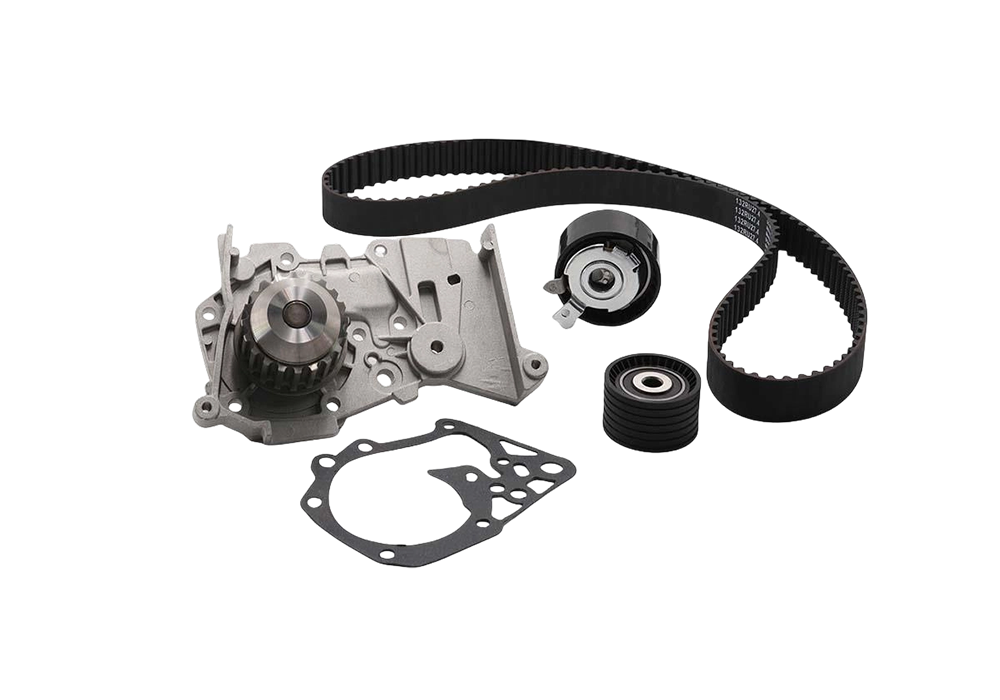
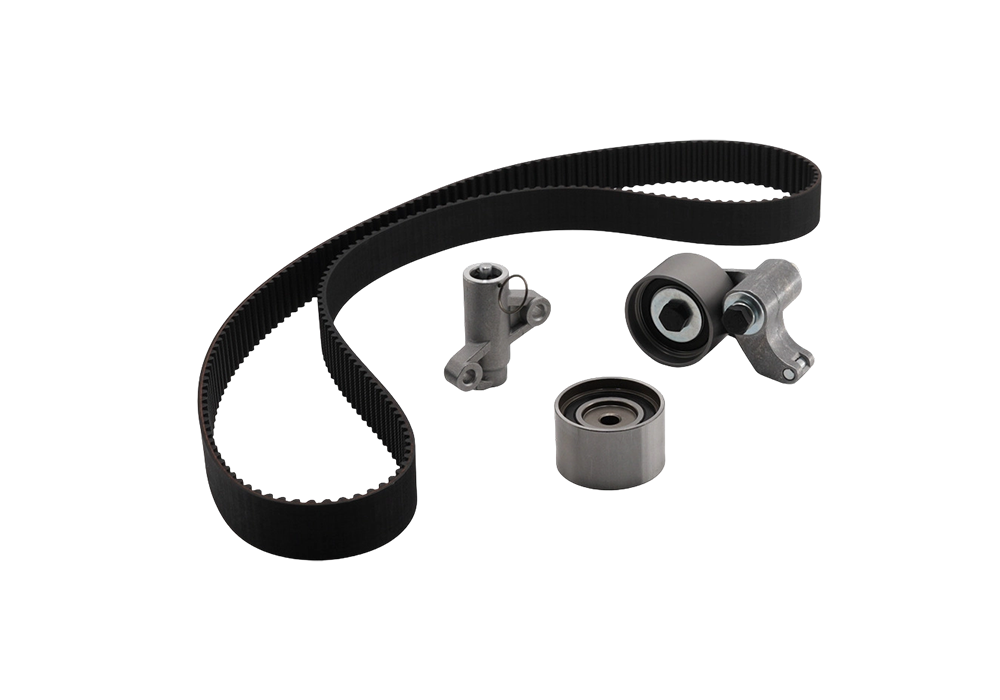 System-Matched Timing Drive Belt Kits for Full ReplacementGiven that timing belts age even with low mileage, these kits let you replace the belt and water pump together, preventing cooling issues and saving labor costs.View Product →
Here is the point that many owners miss: timing belts wear by time as well as distance. A five-year-old belt with only 30,000 miles is already ageing. Rubber compounds lose flexibility and become brittle even if the car sits in a garage. Most manufacturers advise replacing a timing belt every five to seven years regardless of mileage. That is why a used car with unknown service history should be treated as a candidate for an immediate timing-belt replacement.
The ranges below reflect typical service life on passenger cars and light trucks. Check your owner’s manual for the recommendation specific to your vehicle.
| Belt Type | Typical Lifespan | Replacement Interval |
|---|---|---|
| Serpentine / accessory belt | 50,000–100,000 miles | Inspect at every oil change |
| EPDM serpentine belt | 60,000–100,000+ miles | Inspect for cracking and glazing |
| Timing belt | 60,000–100,000 miles | Follow manufacturer schedule |
| V-belt | 30,000–70,000 miles | Check tension and wear |
Two identical belts can have very different lives depending on the environment they work in. After years of seeing belt failures in warranty returns and workshop feedback, we can tell you the most important factors:
Worn tensioners are responsible for a surprising number of belt failures. If you are replacing a belt, it is worth checking the tensioner and idler pulleys at the same time, because the labour cost usually dwarfs the component cost.
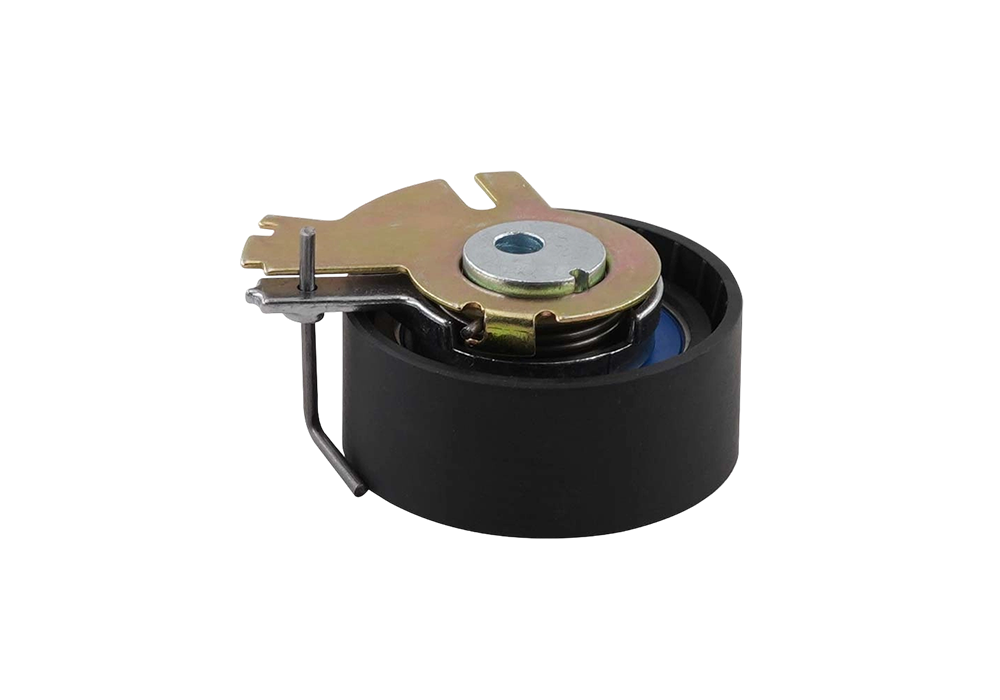 Drive Belt Tensioner Ball Bearing for Smooth OperationWhen replacing a belt, checking the tensioner is essential. This bearing ensures low-friction rotation and long-lasting performance, reducing the risk of premature belt failure.View Product →
Belts rarely fail without some kind of announcement. The trick is to notice it before the belt leaves you on the side of the road. Common signs include:
If you are in doubt, a quick inspection by a mechanic can catch a problem while it is still a cheap repair. For more practical information about belt replacement and maintenance, check our FAQ section.
Replacing an engine belt sounds simple, but the quality of the job depends on the parts and the procedure. When a timing belt is replaced, it is conventional to replace the tensioner and idler pulleys at the same time, and on many engines the water pump is included in the same labour event. That is why a timing belt kit is often a better investment than a bare belt. It bundles all the wearable parts into one warranty line and gives you confidence that the next few years will not be interrupted by a component that was left behind.
For a serpentine belt, the main decision is choosing the right material and length. EPDM belts offer better heat resistance and are the preferred choice for many modern vehicles. We recommend checking the pulley alignment and the movement of the tensioner before installing the new belt. If the old belt showed signs of misalignment, the cause should be corrected rather than punished with a belt that will wear the same way.
A question we often hear is whether the drive belt and the timing belt are the same thing. They are not, and the service intervals are different. If you want to understand exactly why a drive belt is not the same as a timing belt, this short comparison clears up the confusion.
So, how long do engine belts last? The honest answer is that a belt lasts as long as the conditions allow—usually between 50,000 and 100,000 miles. The important thing is to look past mileage and pay attention to age, belt condition, leaks, and the health of the tensioners and pulleys.
At Herz, we build engine belts and timing drive components for people who want a dependable replacement, not just a cheap one. Whether you are a workshop owner stocking parts or a car owner deciding when to replace a belt, we believe a little routine maintenance goes a long way. Inspect your belts regularly, stick to the manufacturer’s interval, and never ignore the sound of a slipping belt. Your engine will thank you at the next cold start.




 English
 Español
 Português
 عربى
