


Content
Every workshop hears this question eventually: how long can you drive with a bad timing belt? The honest answer is shorter than most drivers want to hear. A damaged timing belt is not a part you plan around; it is a part you replace. This guide explains what a failing belt sounds and feels like, how much risk you carry, and why acting quickly is the cheapest way to protect your engine.
If your timing belt is already showing signs of wear, the only safe distance is the one between where you are and the nearest qualified repair shop. That might be a few kilometres or fifteen minutes, but it is not a distance to measure in days or weeks.
Unlike a brake pad that warns you over time, a timing belt can fail without a second of notice, taking the engine with it. Why the small margin? Because the timing belt keeps the crankshaft and camshaft rotating in perfect sync. When that sync is lost, valves and pistons can collide at high speed. The result is often bent valves, damaged pistons, and a repair bill many times the cost of a belt replacement.
Before complete failure, a timing belt usually sends out several signals. Catching them early gives you a real chance to avoid serious engine damage. Here is what to listen and look for:
A worn belt that has lost teeth or developed cracks can jump a tooth on the sprocket, throwing valve timing off just enough to make the engine run poorly.
| Warning Sign | Meaning | Urgency |
|---|---|---|
| Ticking or slapping noise | Belt structure breaking down or tensioner failing | Replace immediately |
| Engine misfire or rough idle | Valve timing may have shifted | Stop driving; tow to a shop |
| Visible cracks or fraying | Rubber material at the end of service life | Replace before the next drive |
| Oil leak near the timing cover | Seal failure; oil attacking the belt | Repair the leak, replace the belt |
Whether a broken timing belt destroys the engine depends largely on the engine design. This is the single biggest factor in how much damage a bad timing belt can cause.
In an interference engine, valves and pistons occupy the same cylinder space at different times, relying on perfect timing to avoid contact. When the belt breaks, the camshaft stops instantly while the crankshaft keeps turning. Valves stay open just long enough for the pistons to meet them. The result is bent valves, damaged piston crowns, and sometimes cracked cylinder heads. Most modern engines, especially turbocharged and high-compression designs, are interference engines.
In a non-interference engine, there is clearance between the valves at full lift and the piston at top dead centre. When the belt snaps, the engine simply stops and the damage is usually limited to the belt itself. These engines are safer, but they are becoming rarer. Even if yours is non-interference, you are still stranded with a non-running vehicle.
If you are unsure which type your car has, your owner's manual or a quick consultation with a mechanic will confirm it.
Driving with a bad timing belt is a gamble. You might make it ten miles, or you might not reach the end of your street. When the belt lets go, the engine stalls immediately, and on an interference design you will hear knocking or clattering as internal parts meet parts they should never touch.
Once the belt breaks, the repair is no longer a simple replacement. The workshop must inspect the cylinder head, replace bent valves, check the pistons, and often replace the water pump and tensioner. A scheduled maintenance item becomes an overhaul. In severe cases, the engine is written off entirely.
That is why professional technicians give the same advice: if you suspect a bad timing belt, stop driving and have it inspected now. Even the short drive to the shop should be treated as a risk.
Manufacturers specify replacement intervals for a reason. Most timing belts are designed to last between 60,000 and 100,000 miles, but actual life depends heavily on operating conditions. Severe heat, frequent short trips, oil contamination, and heavy loads all shorten belt life.
A common mistake is treating the mileage interval as a guaranteed expiry date, but it is a design target, not a promise. If you are at seventy percent of the recommended interval and the belt shows cracking, replace it early. The cost of replacing a belt ahead of schedule is negligible compared with the damage it prevents.
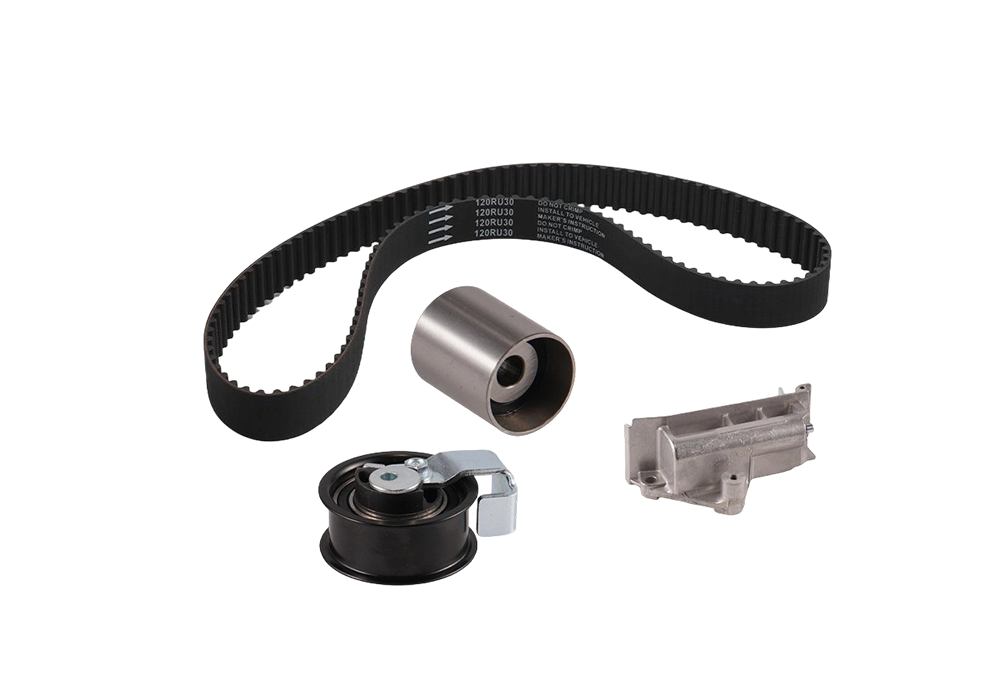
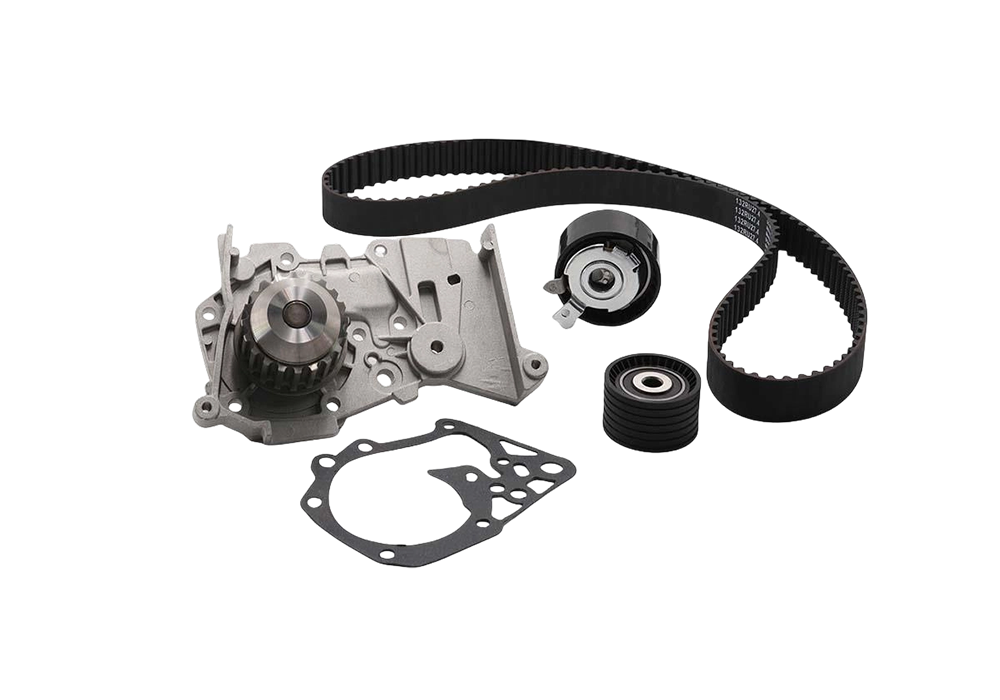
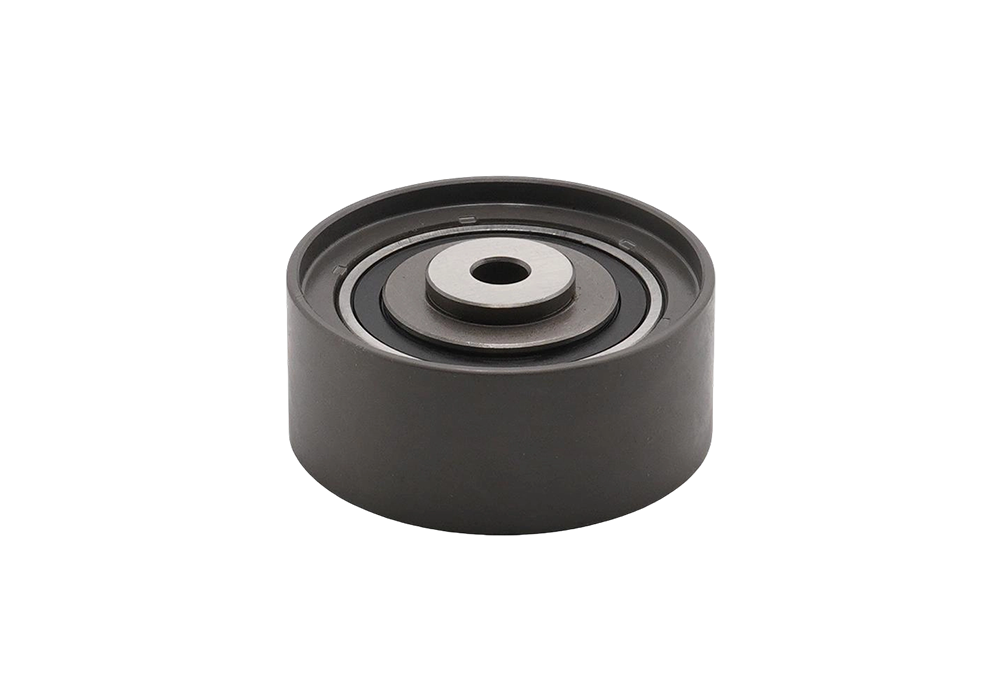
Experienced workshops routinely replace the tensioner, idler pulleys, and water pump with the timing belt. These parts share the same drive system, have similar service lives, and the labour to reach them is identical. Reusing a ten-year-old tensioner with a new belt is false economy.
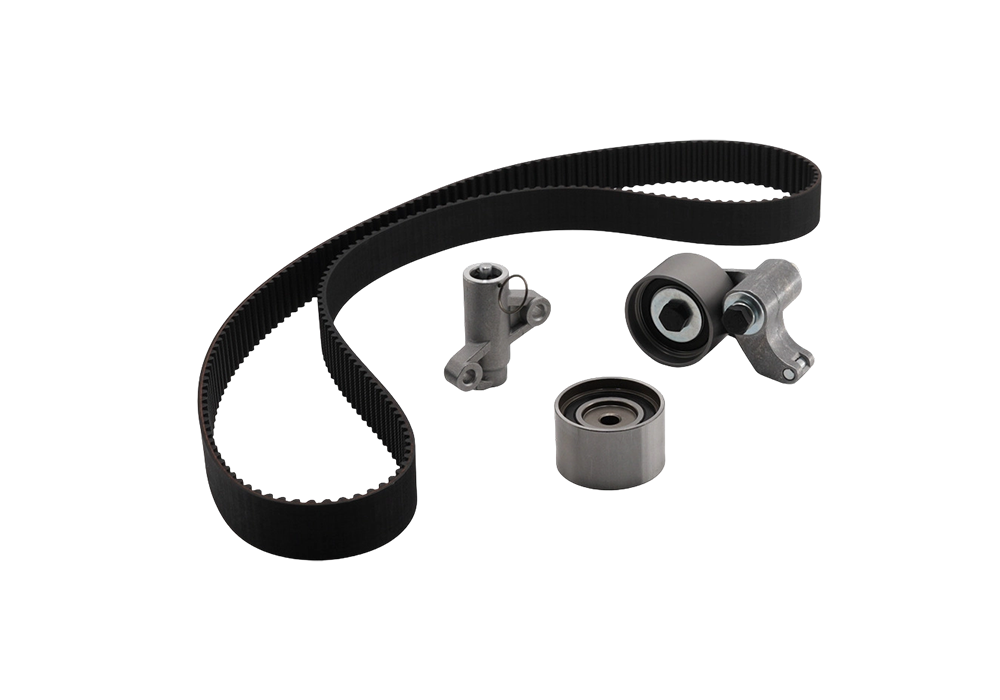 System-Matched Timing Drive Belt KitsReplace the belt, tensioner, idlers, and water pump together in one set, simplifying sourcing and ensuring consistent component service life.View Product →
Timing belt kits exist for this reason. They bundle the belt with the components that wear alongside it, renewing the whole system in a single appointment. A system-matched kit also removes the guesswork of sourcing each component separately from different suppliers.
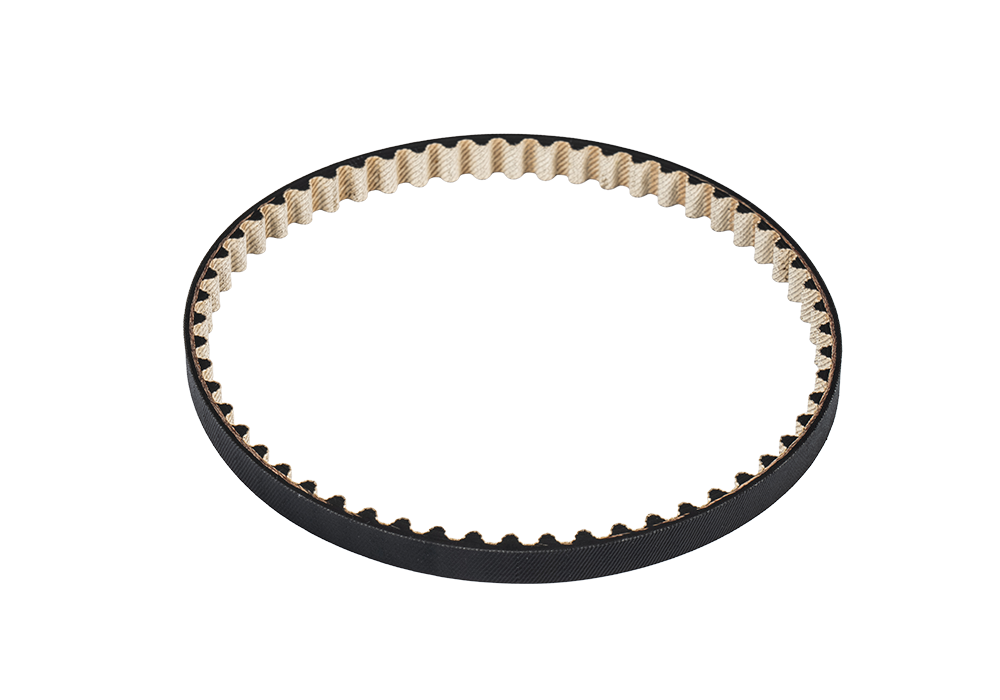
Not all timing belts are built to the same standard. The rubber compound, tensile cord, and tooth profile determine how well the belt handles heat, oil, and mechanical stress over tens of thousands of miles. For example, HNBR (hydrogenated nitrile rubber) belts resist heat and oil far better than standard CR (chloroprene rubber) belts, making them a smart choice for engines that run hot or suffer from minor oil seepage.
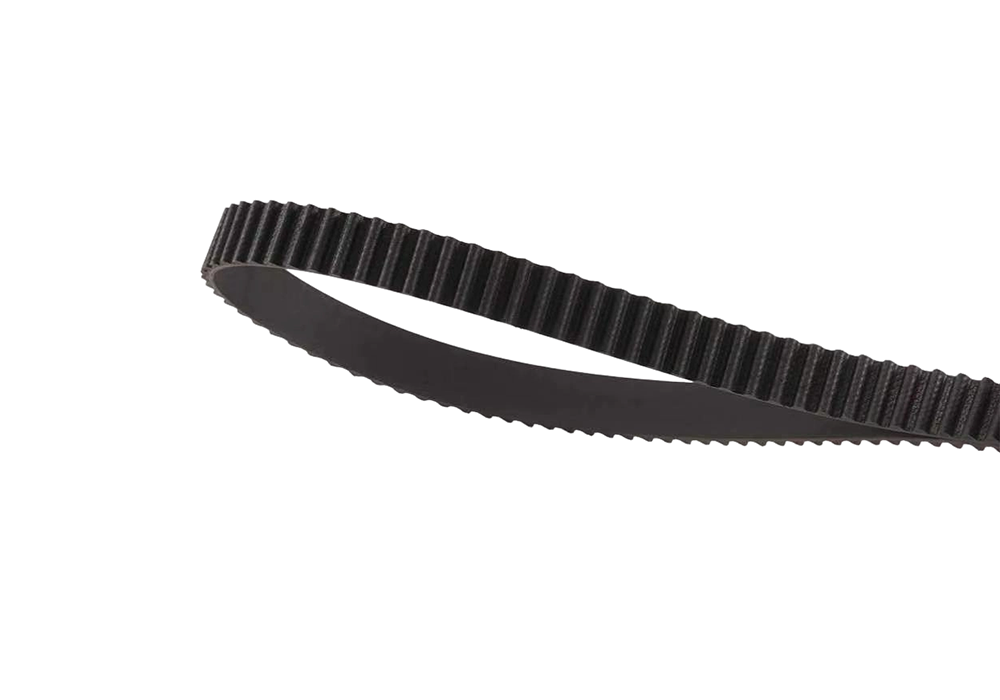 HNBR Timing Drive Belt for Hot or Oil-Exposed EnginesThis belt's HNBR compound withstands high temperatures and oil exposure better than standard CR, making it a reliable choice for demanding engine conditions.View Product →
At Herz, we produce timing belts in CR and HNBR formulations, along with oil-immersed designs for engines where the belt runs in an oil bath. Every belt is manufactured in our own facility with precision-machined moulds and checked against material and dimensional standards before it leaves the factory. For a part that protects the entire engine, that level of control matters.
A new timing belt will fail prematurely if it is installed with incorrect tension, misaligned sprockets, or a seized tensioner. Proper installation means following the manufacturer's procedure: setting the crankshaft and camshaft to their timing marks, applying the specified tension, and rotating the engine by hand to confirm everything moves freely.
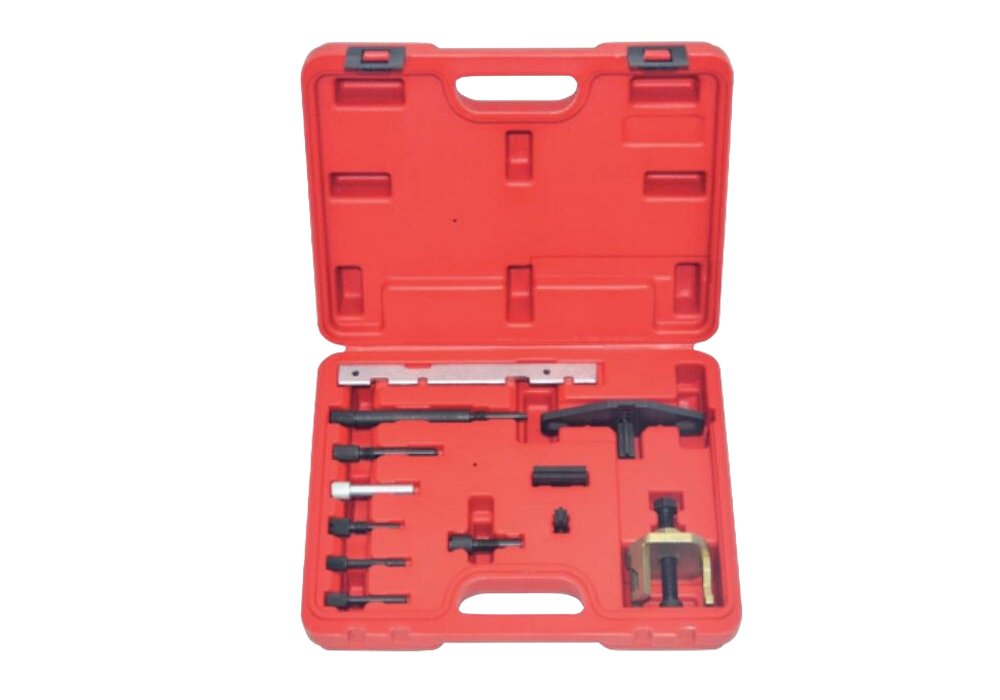
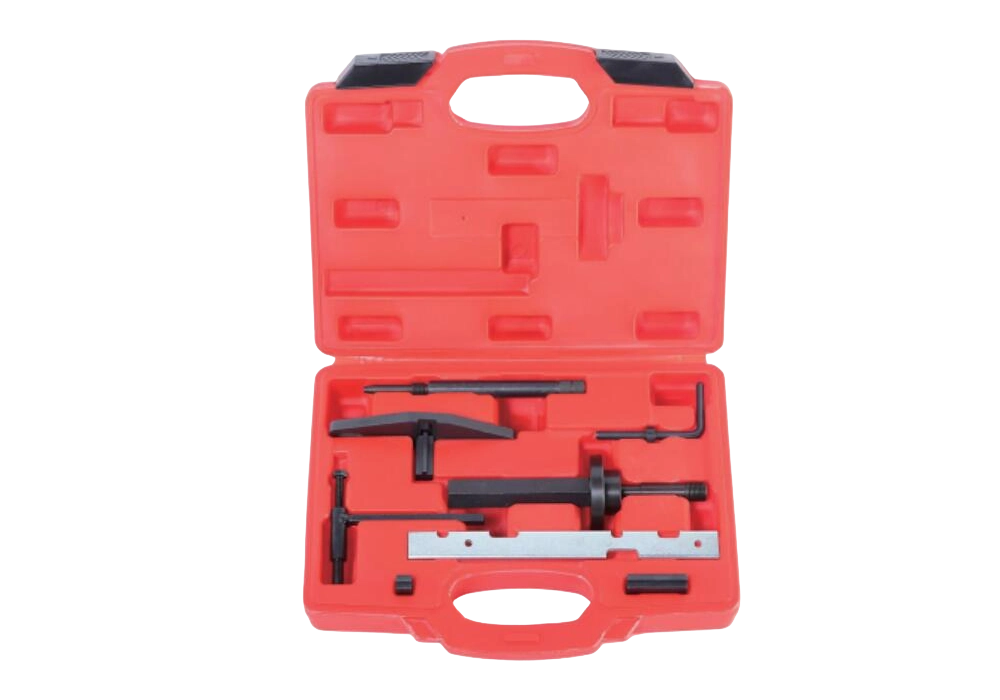
This is why professional engine timing tool sets are essential for many modern engines. They lock the crankshaft and camshafts in their correct positions, eliminating the risk of a skipped tooth. The right locking tools are not a luxury; they are part of doing the job correctly.
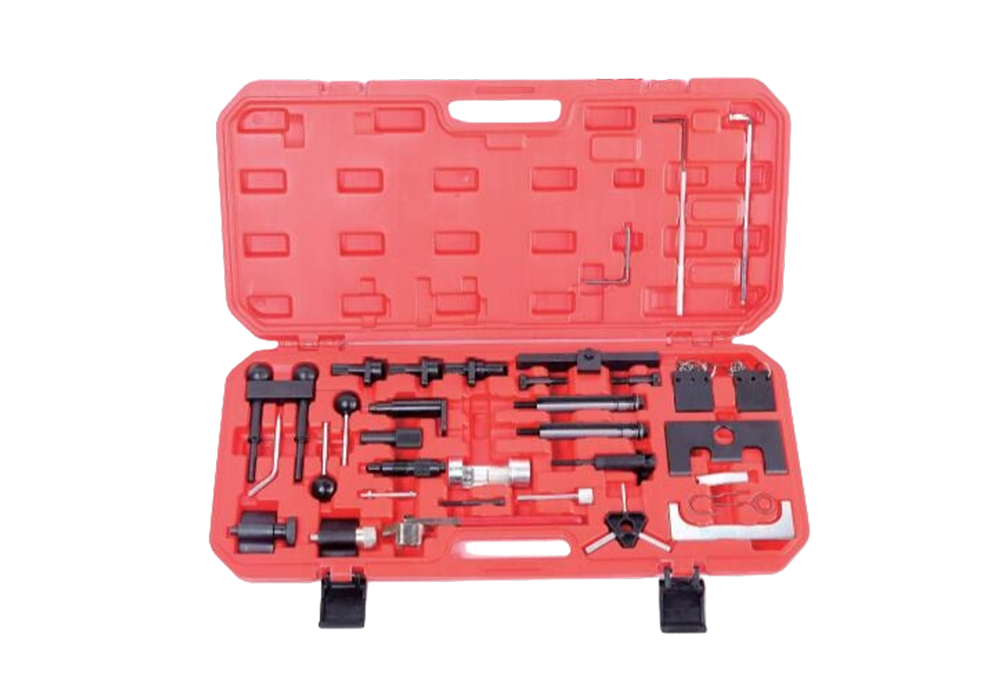 Dual Petrol & Diesel Engine Timing Tool Set for VAGA complete locking and adjustment toolkit for VW/Audi/SEAT/Skoda engines, ensuring correct camshaft and crankshaft alignment during timing belt service.View Product →
For workshops, engine-specific timing tools reduce installation errors and speed up the job. If you are a vehicle owner, make sure the shop you choose uses proper tools and follows the manufacturer's tension specifications. You can read more about correct tensioning procedures for rubber timing belts in our technical guide.
How long can you drive with a bad timing belt? The practical answer is: only as far as the nearest repair shop. Treat every warning sign as an urgent call to action. The belt is the cheapest insurance your engine has, and replacing it on time is one of the most cost-effective maintenance decisions you can make.
For more on timing belt maintenance and choosing replacement parts, our FAQ section covers many common topics.




 English
 Español
 Português
 عربى
