


Content
If you've ever opened the hood and wondered how one small component keeps the whole engine in perfect rhythm, you're not alone. The timing belt tensioner is that quiet, hard-working part. At Herz, we've spent decades building and testing drive belt systems, and we still find the elegance of this little component impressive. Let's break it down simply.
A timing belt tensioner applies precise pressure to the timing belt so the belt stays taut enough to drive the camshaft and crankshaft without slipping. Its job is twofold: to set the initial belt tension when installed, and to maintain that tension as the belt heats up, stretches, and wears.
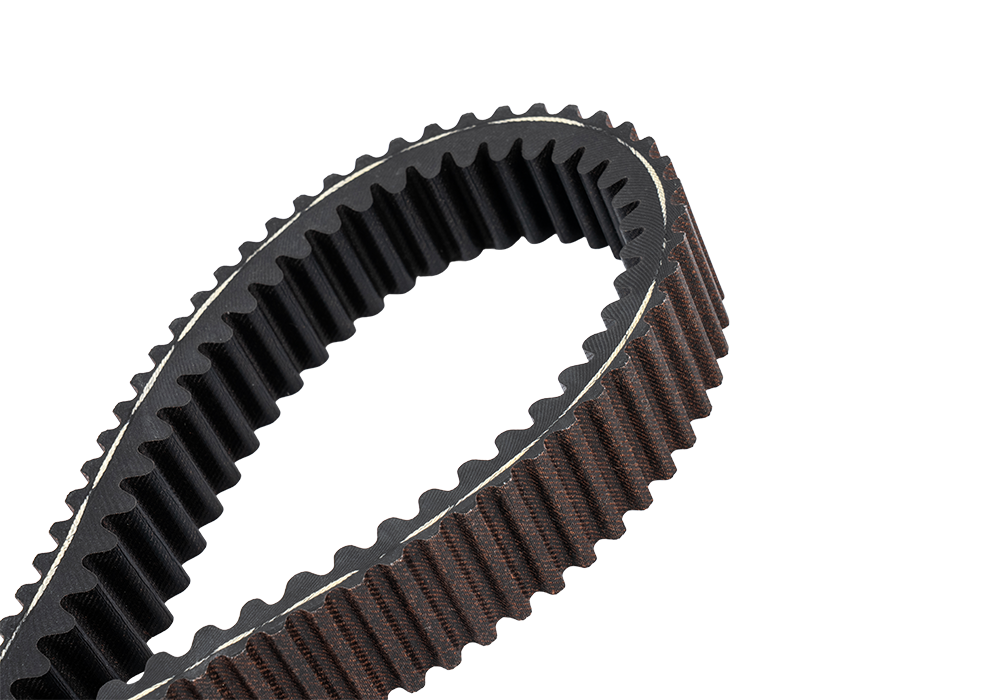
In simple terms, the tensioner removes slack. Without it, the timing belt would vibrate, slap against the engine, and eventually skip teeth. When the belt skips, the camshaft falls out of sync with the crankshaft. On an interference engine, that can bend valves and cause thousands of dollars in damage.
The tensioner does not simply tighten a belt like pulling a strap. It provides a controlled, constant force that compensates for small changes in belt length and pulley positions during operation. That is what allows the timing belt to run quietly for many miles.
Most engines use one of two main types of tensioner: mechanical spring units or hydraulic units. The mechanical version is a good place to start because it shows the basic principle clearly.
A spring tensioner consists of a base, a pivot arm, a coil spring, and a pulley. The base bolts to the engine block. The pivot arm rotates around a central hub. The spring pushes the arm in one direction, pressing the pulley against the back of the timing belt. As the belt tries to flex or slap, the spring absorbs the movement and keeps the pressure steady.
There are two common spring arrangements. Some tensioners use a coiled torsion spring wrapping around the pivot point. Others use a simple compression spring that pushes directly on the arm. Both create a constant torque on the arm, which translates into a specific belt tension at the pulley.
The tension setting is not random. It is designed for the belt's construction and the engine's operating needs. Too little tension lets the belt flutter. Too much tension causes teeth to wear quickly. A good spring tensioner must balance these forces across a wide range of temperatures.
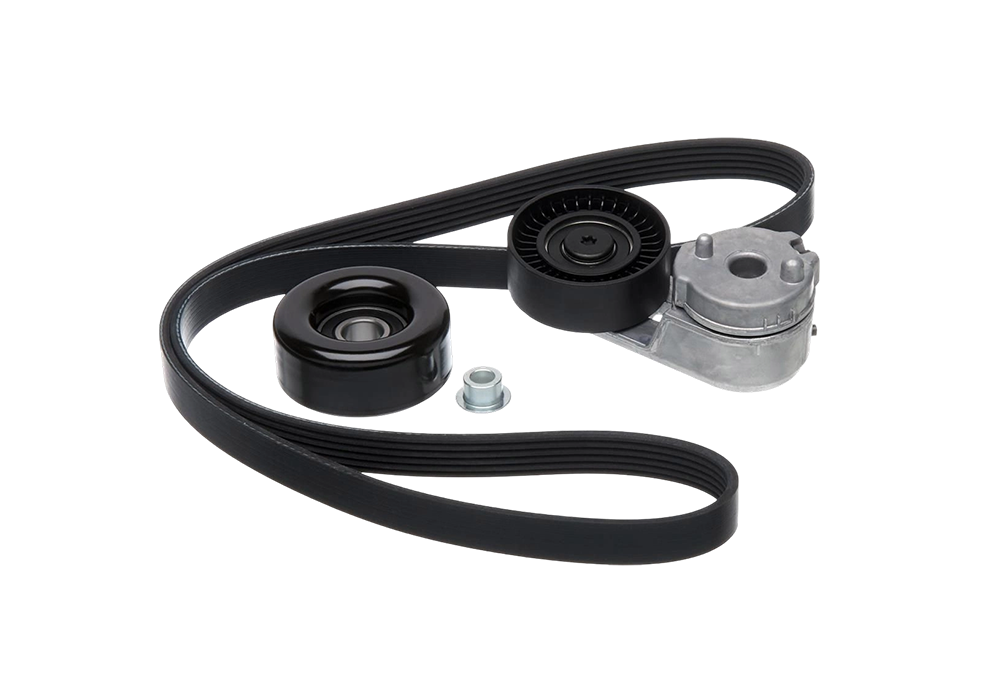
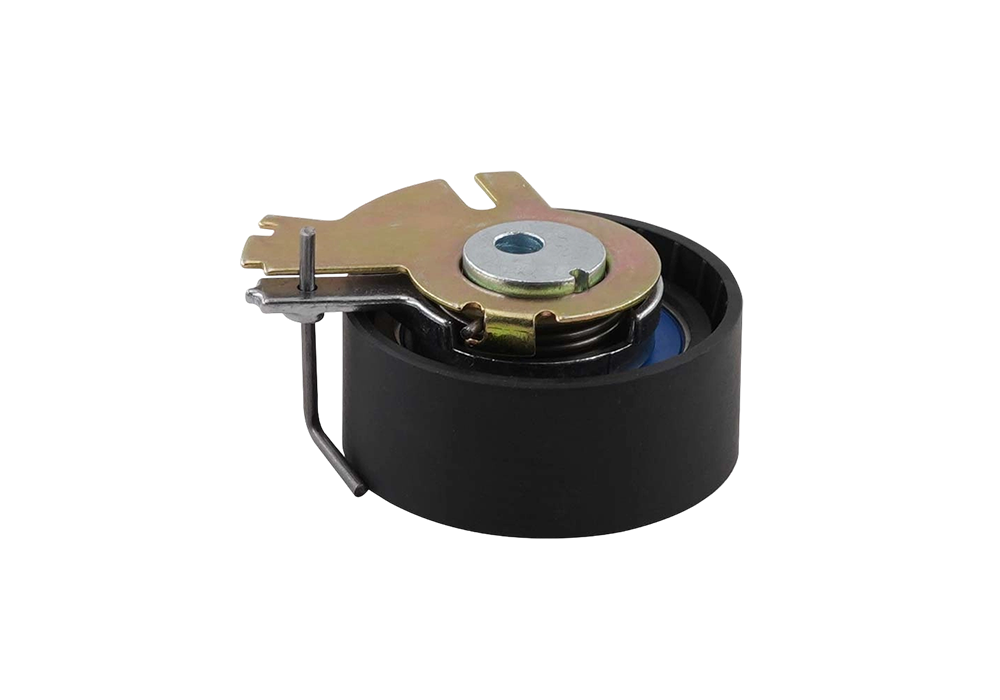 HERZ Drive Belt Tensioner with Sealed Ball BearingThis tensioner balances belt forces across temperature ranges, using a sealed ball bearing that endures high RPM, heat, and vibration for reliable long-term service.View Product →
In a well-made tensioner, the pulley runs on a sealed ball bearing. That bearing must survive high RPM, heat, and vibration. A ball-bearing tensioner like the one we talk about in our FAQ can serve for many thousands of miles if the belt system is maintained properly.
Hydraulic tensioners bring an extra level of control. Instead of relying on a spring alone, a hydraulic unit uses a piston inside a cylinder filled with oil. Engine oil pressure or a sealed internal reservoir pushes the piston outward, which moves the pulley arm and tensions the belt.
There are two main designs. The first uses engine oil pressure from the lubrication circuit. The second is self-contained with its own sealed fluid, often a silicone-based oil. Self-contained units are easier to install because they do not need an oil feed line, but they may require special positioning to avoid air bubbles.
The advantage of hydraulic damping is that it can react more smoothly to rapid changes in belt load. When the engine fires, the belt gets sudden tugs. The hydraulic fluid resists sudden motion, so the tensioner does not bounce or oscillate. This is especially valuable on modern engines with higher valve spring loads.
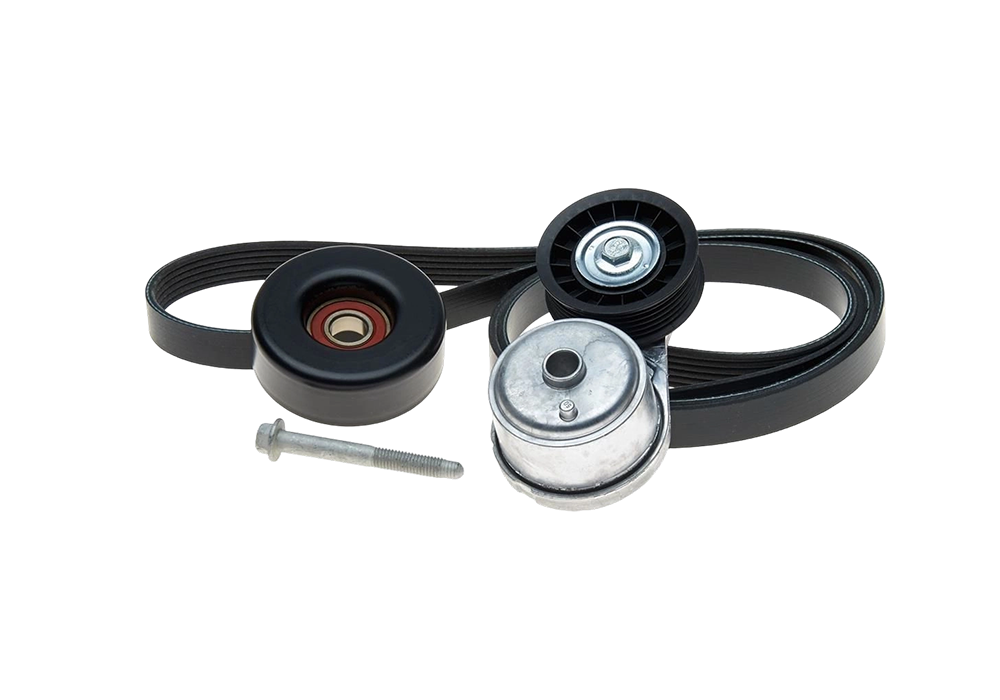
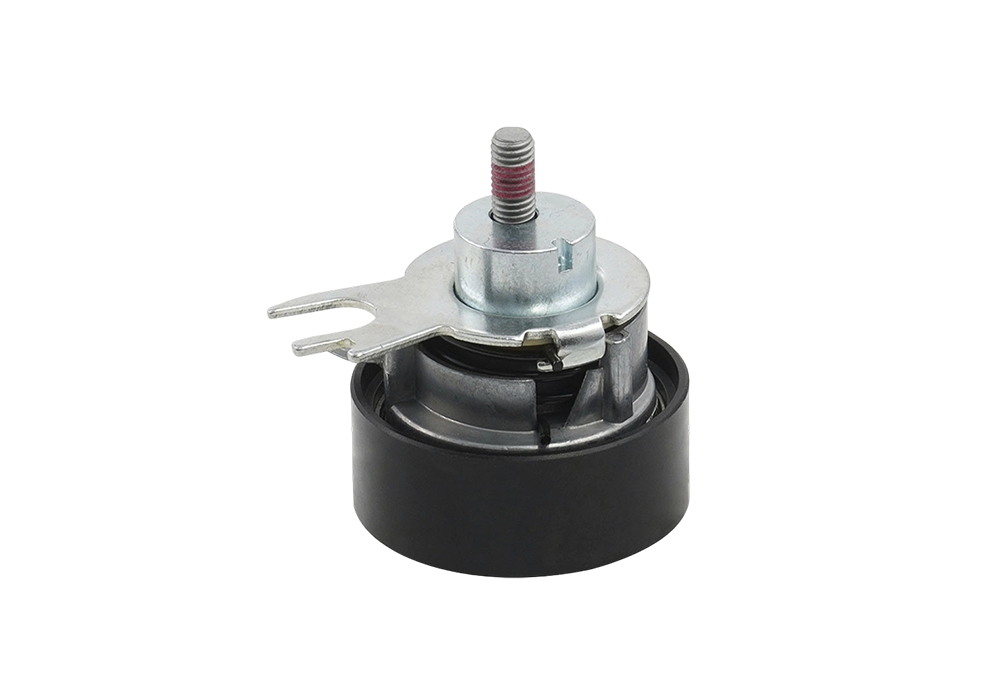 High-Speed Hydraulic Drive Belt TensionerHydraulic damping absorbs sudden belt loads smoothly, while a mechanical backup spring ensures minimum tension if oil pressure drops—ideal for modern engines.View Product →
Some hydraulic tensioners also contain a mechanical backup spring. If oil pressure drops, the spring holds the belt at a minimum tension, preventing immediate failure. This is a clever fail-safe that adds reliability.
Whether mechanical or hydraulic, tensioner components must handle a hostile environment. The base is usually cast aluminum or steel, while the pivot arm may be stamped steel or forged aluminum. The pulley can be made from steel, nylon, or composite. The bearing is typically a sealed deep-groove ball bearing filled with high-temperature grease.
At Herz, we offer tensioners in different specifications. For example, some applications need a heavier bearing because of higher belt load, while others need a slim profile to fit in a tight engine bay. That is why we have separate lines for standard ball-bearing tensioners and high-speed tensioners.
People often confuse tensioners with idler pulleys. Both are pulleys that guide the belt, but their roles are different. The tensioner applies active, adjustable force to the belt. The idler pulley is a fixed or slightly adjustable guide that simply redirects the belt around obstacles and maintains wrap angle on the sprockets.
Here is a quick comparison:
| Aspect | Tensioner | Idler Pulley |
|---|---|---|
| Main function | Maintain belt tension | Guide and redirect the belt |
| Moving parts | Spring or hydraulic piston, pivot arm | Usually a fixed bearing and wheel |
| Adjustment | Active, self-adjusting | Passive or manually set |
| Failure mode | Loss of tension, noise, vibration | Worn bearing, seizure |
Both components work together to keep the timing belt running in a perfect loop. If either one fails, the belt can jump a tooth or derail entirely. When replacing a timing belt, it makes sense to replace both components at the same time so the entire drive system starts fresh.
In a four-stroke engine, the timing belt synchronizes the crankshaft and camshaft. If that synchronization is off by even one tooth, the valves can hit the pistons. That is why the tensioner is so critical: it prevents slack from allowing the belt to skip.
Correct tension also reduces wear on the belt teeth. A belt that is too loose will shred its teeth on the sprockets. A belt that is too tight will stretch and wear out bearings quickly. The tensioner's job is to hold the “just right” zone.
Engine manufacturers calculate the exact tension range for each engine. They also account for thermal expansion: as the engine warms up, the aluminum cylinder head expands more than the steel belt, increasing the distance between pulleys. The tensioner must compensate for that expansion. When the engine cools down, the tensioner eases off so the belt does not become overstressed.
How can you tell when a timing belt tensioner is on its way out? Listen and feel. Here are the most common warning signs:
If you notice any of these, it is wise to inspect the tensioner before it turns into a major repair.
When a tensioner loses its ability to maintain tension, the belt starts to flutter. The fluttering creates a clicking or slapping noise. If you continue driving, the belt may lose its grip on the sprockets and jump a tooth. That can cause misfiring, poor performance, and eventually major engine damage.
Sometimes a tensioner pulley bearing will lock up instead. The belt then slides across a locked pulley, quickly wearing a flat spot and producing smoke. In extreme cases, the belt can snap, causing immediate engine shutdown. Catastrophic failures are rare if you pay attention to the warning signs, but they do happen.
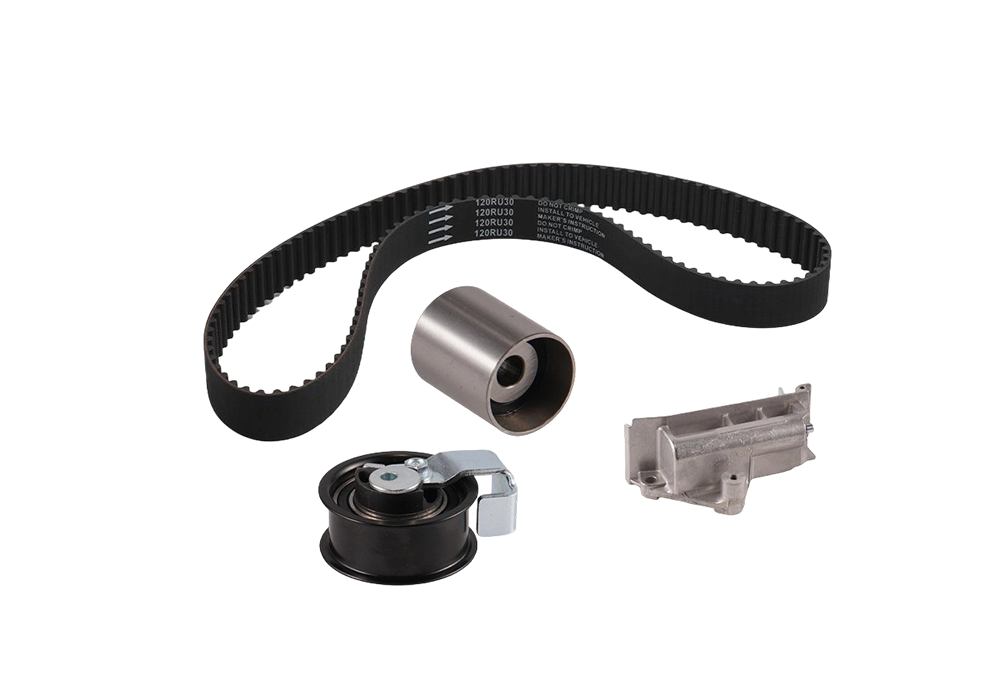
From our years at the factory, we can tell you that a tensioner should almost always be replaced together with the timing belt and idler pulleys. A new belt on an old tensioner wastes money, because the worn tensioner will soon let the new belt fail. That is why we build timing drive belt kits that include matched parts.
Installation matters just as much as parts quality. Always follow the manufacturer’s torque specs and engine position. A small misalignment can cause a noisy belt or premature wear. If you are working on a modern engine with variable valve timing, consider using a timing tool kit to lock the camshafts exactly in position.
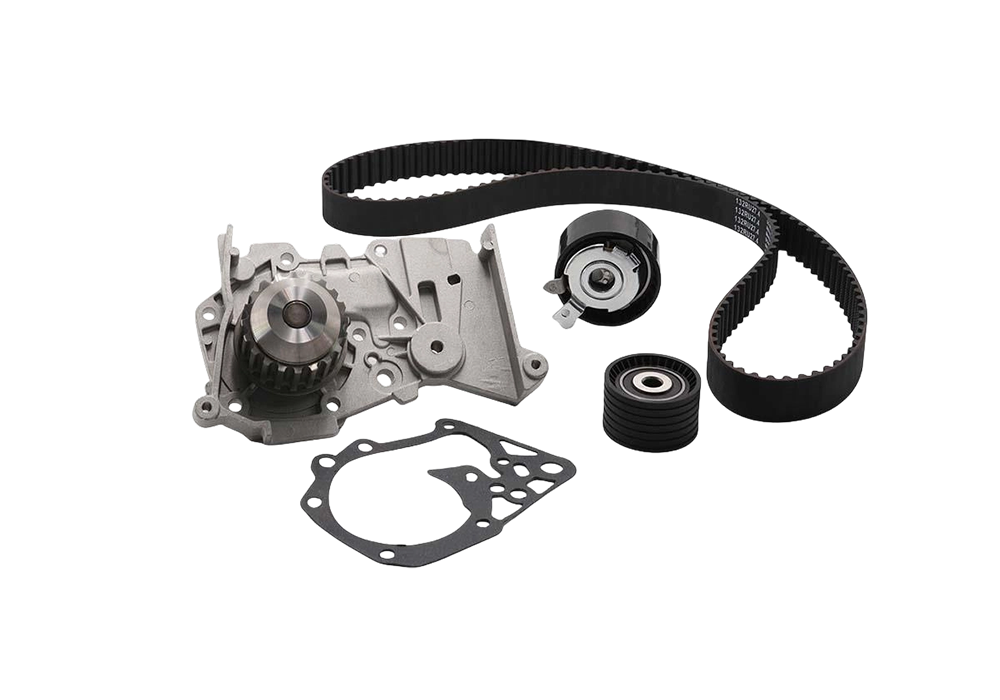
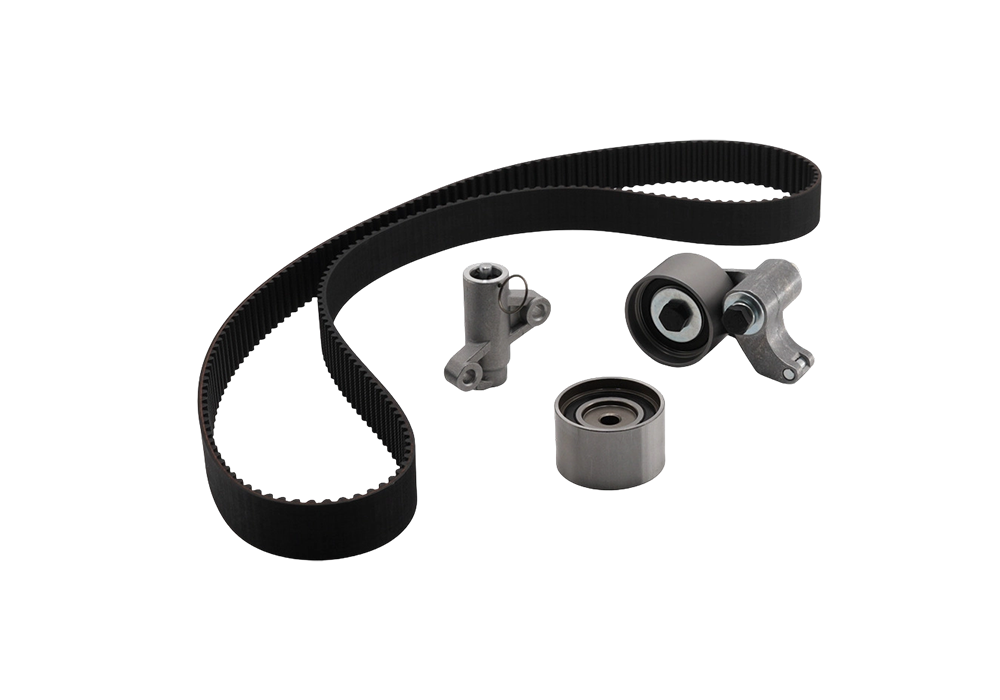 System-Matched Timing Drive Belt KitIncludes a timing belt and optional water pump with corrosion-resistant bearings, letting you replace multiple worn parts in one service to prevent cooling issues.View Product →
After installing a new tensioner, rotate the crankshaft two full revolutions by hand before starting the engine. This confirms that the belt is correctly aligned and has the right amount of tension at all points in the cycle. It is a simple step that saves you from costly mistakes.
For detailed step-by-step guidance on tensioning rubber timing belts, our team put together a practical tension instruction article that mirrors the procedures we recommend to our own customers.
A timing belt tensioner looks small, but it plays a huge role in engine reliability. Understanding how it works helps you diagnose problems early, choose the right part, and replace it correctly. At Herz, we have manufactured drive belt tensioners and complete timing belt kits for over three decades. We know what it takes to keep an engine in perfect time.
If you have any questions about your vehicle’s timing drive system, check our FAQ or reach out. We are happy to help you keep your engine running smoothly.




 English
 Español
 Português
 عربى
