


A customer comes in with a complaint that sounds familiar: a high-pitched squeal from under the hood every time the air conditioning is switched on. The noise fades after a few minutes but returns on damp mornings. The compressor still works, the battery still holds a charge, and the steering still responds. The cause is almost always the drive belt, which has lost its grip on the accessory pulleys.
Here is the short answer: a drive belt transfers rotational force from the engine's crankshaft to the accessory systems that keep the vehicle charged, cooled, comfortable, and easy to steer. Without it, the alternator stops charging, the air conditioning compressor stops turning, the power steering pump loses assist, and in many engines the water pump stops circulating coolant.
The mechanism is straightforward. The crankshaft pulley turns whenever the engine runs, and the belt wraps around that pulley and around each accessory pulley. Friction between the belt ribs and the pulley grooves carries the motion from one to the other. A tensioner maintains the correct belt tightness, while idler pulleys guide the belt along its routing path. When any part of that chain loses grip, the whole system degrades noticeably.
Customers often use "drive belt" as a catch-all term to describe any belt under the hood. In technical terms, however, the drive belt and the timing belt do two completely different jobs in two completely different locations.
A drive belt, also called a serpentine belt when it winds around multiple pulleys, runs outside the engine. Its task is to deliver power to the alternator, air conditioning compressor, power steering pump, and, on many engines, the water pump. Because it relies on friction, it needs consistent tension and a clean contact surface. A worn drive belt slips, squeals, and eventually stops driving one or more accessories. This is the belt that most people see when they open the hood.
A timing belt runs inside the engine, hidden behind covers. It has teeth that mesh with the crankshaft and camshaft sprockets, so the two shafts rotate in perfect sync. That synchronization controls when the intake and exhaust valves open and close relative to piston position inside each cylinder. A broken timing belt stops the camshaft immediately, and in interference engines the pistons can strike open valves, causing major internal damage. This is why timing belt replacement intervals are treated as a hard deadline rather than a suggestion.
The clearest way to compare the two belts is side by side.
| Feature | Drive Belt (Accessory Belt) | Timing Belt |
|---|---|---|
| Primary function | Powers alternator, AC compressor, power steering, and often the water pump | Synchronizes crankshaft and camshaft rotation |
| Location | Outside the engine, visible with the hood open | Inside the engine, behind timing covers |
| Belt design | Smooth or ribbed, friction-driven | Toothed, with positive gear engagement |
| Typical failure | Squealing, cracked ribs, loss of accessory power | Engine stops, valves and pistons can collide |
| Replacement interval | Roughly 60,000 to 100,000 km depending on the vehicle | Roughly 60,000 to 160,000 km depending on the engine |
For a deeper look at where these two belts overlap and where they do not, our article on how drive belts and timing belts differ explains the practical consequences in more detail.
Drive belts come in two main families, and knowing which one a vehicle uses affects the entire inspection and replacement process.
A V-belt has a trapezoidal cross-section and sits in a matching V-shaped groove on the pulley. It typically drives a single accessory, or occasionally two components mounted side by side. Older engines used multiple V-belts: one for the alternator, one for the water pump, and one for the power steering pump. If one belt cracked, only the related accessory stopped while the others kept operating.
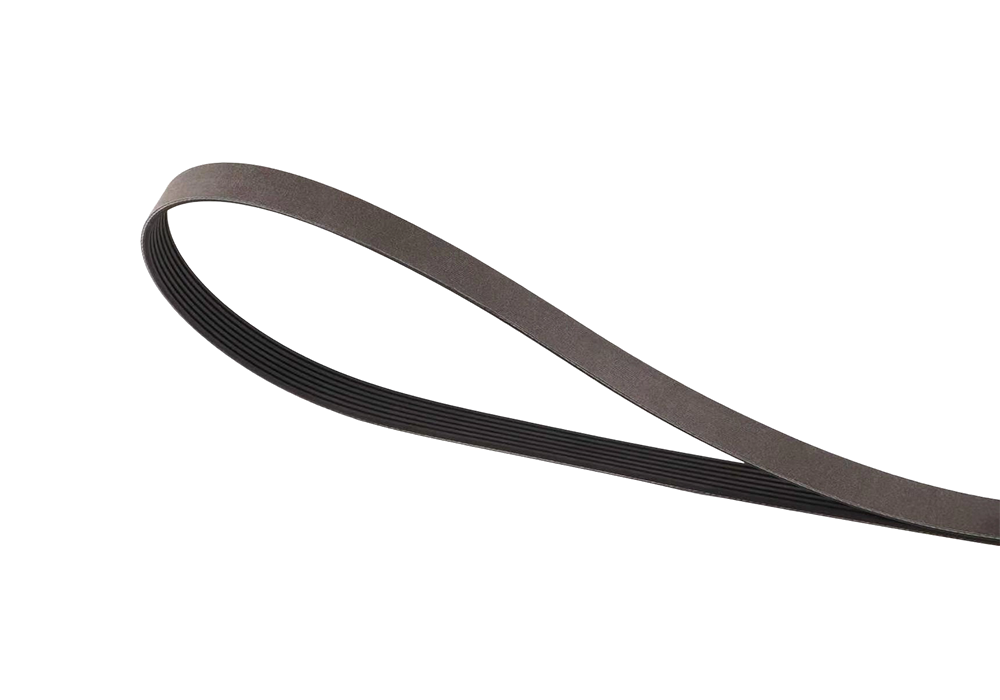
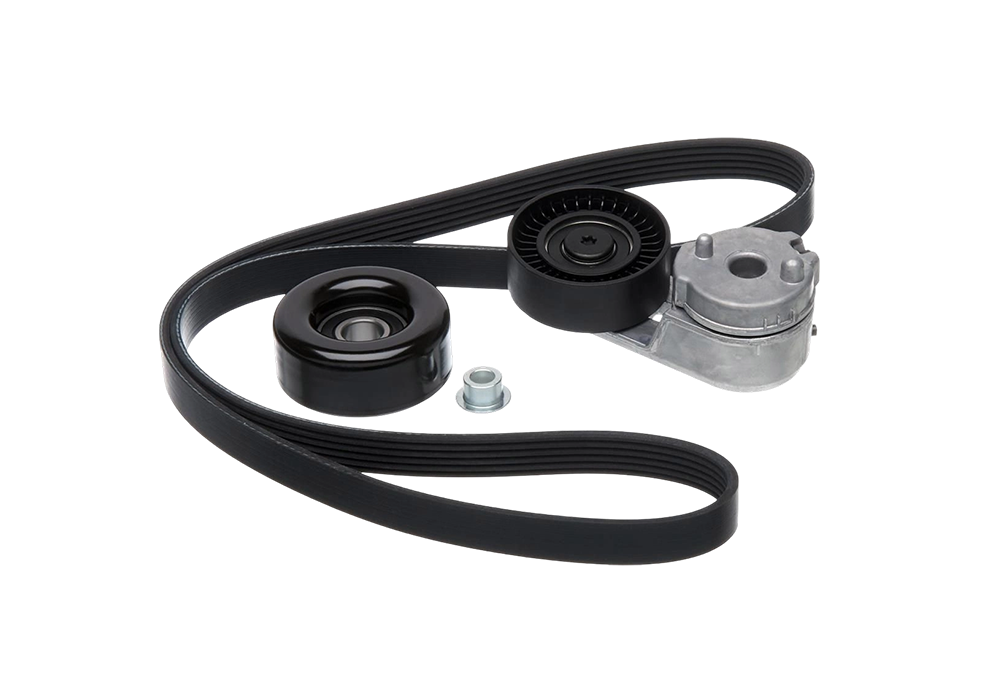
Modern engines almost always use a single serpentine belt with longitudinal ribs on the inner surface. This one belt winds around the crankshaft, alternator, air conditioning compressor, power steering pump, and sometimes the water pump, turning them all at once. The advantage is simplicity: one belt, one routing path, and one tensioner. The trade-off is that a single failure stops every accessory in the loop.
Material choice makes a real difference in service life. EPDM belts are common today because they resist heat, ozone, and cracking better than older rubber compounds. For workshops and distributors that want predictable long-term performance, EPDM serpentine drive belts are a dependable option for modern passenger vehicles.
 Custom EPDM Serpentine Drive Belt Suppliers, OEM/ODM Factory - Ningbo Herz TechnNingbo Herz Technology Co., Ltd. is China EPDM Serpentine Drive Belt Suppliers and OEM Factory, details:EPDM Serpentine Drive Belt, made ...View Product →
Catching a drive belt problem early prevents a roadside breakdown. These are the warning signs to look for during a routine inspection:
Any one of these symptoms is enough to justify replacing the drive belt before it snaps. A broken serpentine belt will not destroy the engine the way a broken timing belt can, but it can leave a driver stranded with a dead battery, an overheating engine, or no power steering.
There is no single mileage number that fits every vehicle. Most manufacturers recommend inspecting accessory drive belts every 20,000 to 40,000 km and replacing them between 60,000 and 100,000 km. Timing belts are typically scheduled between 60,000 and 160,000 km, depending on the engine design. The interval printed in the owner's manual is the safe baseline, but the actual condition of the belt matters just as much.
A belt that is oil-soaked, deeply cracked, or glazed should be replaced immediately, regardless of mileage. Oil contamination deserves special attention because oil degrades rubber compounds from the inside out, and a belt that looks acceptable on the outside can fail quickly once it has absorbed oil.
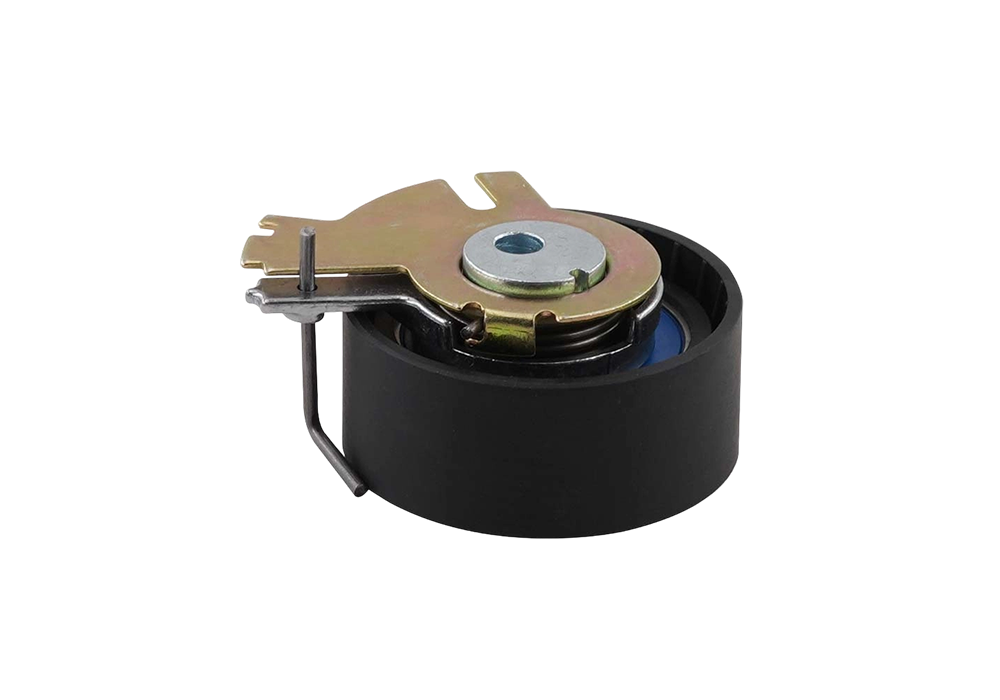
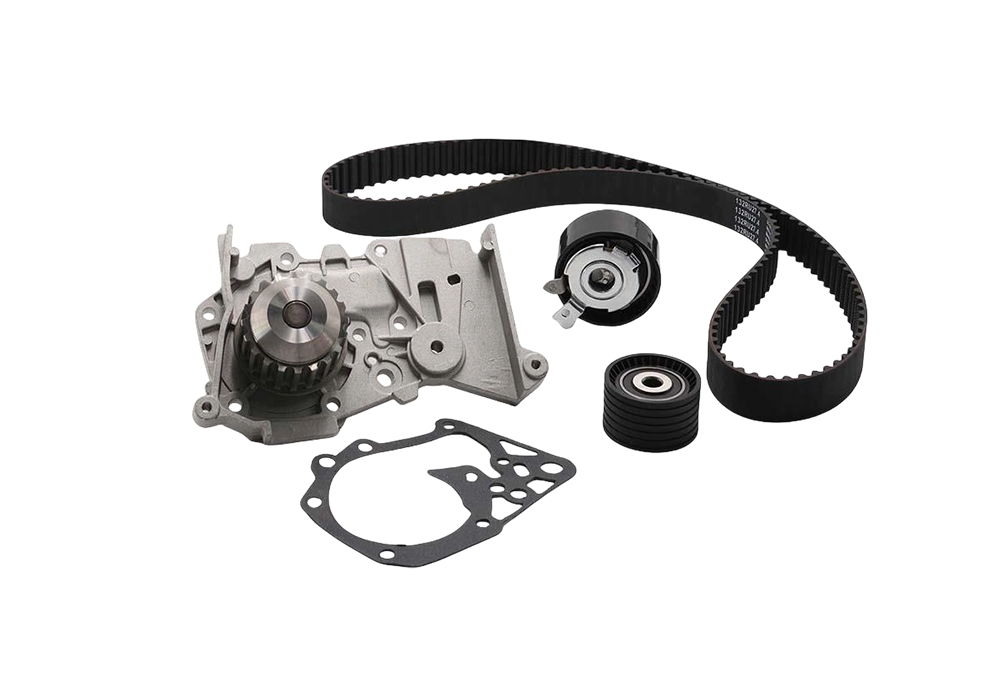
When a timing belt is replaced, the tensioner and idler pulleys should be replaced at the same time. These components wear at a similar rate, and reusing them on a new belt is a common cause of premature failure. A ball bearing drive belt tensioner keeps the belt at the specified tension over a long service life and prevents the kind of slippage that destroys new belts.
 Custom HERZ Drive Belt Tensioner Ball Bearing Suppliers, OEM/ODM Factory - NingbNingbo Herz Technology Co., Ltd. is China HERZ Drive Belt Tensioner Ball Bearing Suppliers and OEM Factory, details:HERZ Drive Belt Tensi...View Product →
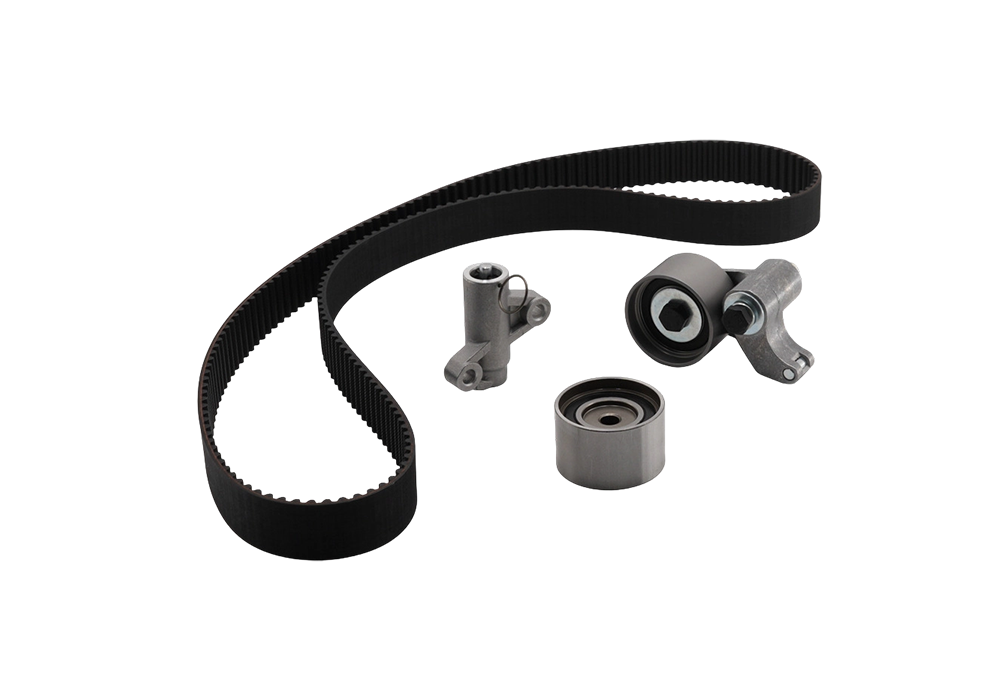
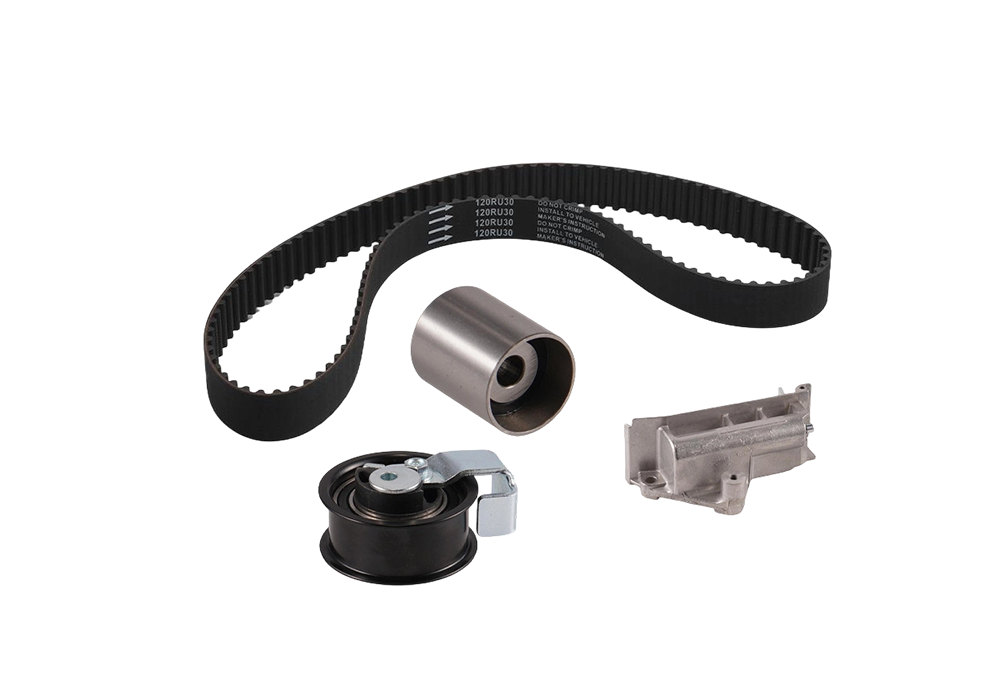
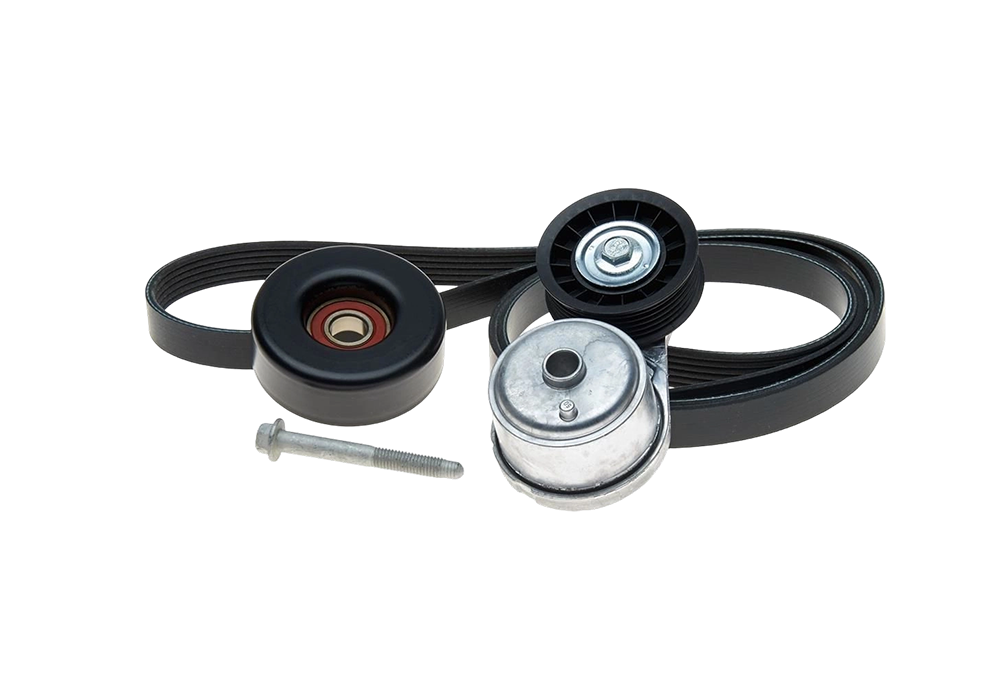
For the same reason, many workshops prefer a complete kit over a bare belt when they service a timing drive. A kit packs the belt, tensioner, and idler pulleys into one box, which reduces the risk that an old component will shorten the life of a new belt. Our system-matching timing drive belt kits are engineered to keep every part of the drive path consistent with each other, simplifying both ordering and installation.
 Custom System matching Timing Drive Belt Kits Suppliers, OEM/ODM Factory - NingbNingbo Herz Technology Co., Ltd. is China System matching Timing Drive Belt Kits Suppliers and OEM Factory, details:Our system-matched Ti...View Product →
Correct tension is just as important as correct part selection. A belt that is too tight overloads pulleys and bearings, and a belt that is too loose slips and overheats. Our guide on tension instructions for rubber timing belts walks through the measurement procedure step by step.
Selecting a replacement belt comes down to more than matching a part number. Four details matter most:
A belt that fits loosely will slip and squeal. A belt that is forced onto a pulley with the wrong groove geometry will wear unevenly and fail early. When the application is unusual, such as an ATV or an industrial machine, it is worth confirming the original equipment specification before ordering.
If you need to match a belt for a specific vehicle or check whether a component belongs in the same service kit, our belt selection and installation questions page covers the most common fitment and compatibility issues.
Knowing what a drive belt does, which type your engine uses, and why a timing belt is a different category entirely is the foundation of every reliable belt decision. With that knowledge, a preventive replacement becomes a straightforward job with no surprises.




 English
 Español
 Português
 عربى
عربى